- Sapodilla must be fully ripe; underripe fruit can be latex-heavy and astringent.
- Its natural gritty texture can be charming or distracting depending on format.
- Seed removal and flesh preparation are important for safety and eating quality.
- The fruit is best positioned as a specialty tropical or dessert-like ingredient.
Sapodilla is a quiet tropical fruit with a brown-sugar, pear, and caramel character that can become memorable when dried well. For freeze-dried fruit buyers, sapodilla is not just a flavor name. It is a set of decisions about raw material, cutting, drying behavior, sensory quality, packaging, and where the finished fruit actually belongs.
Use this guide as a working field note for buyers, product developers, snack founders, and curious consumers. The goal is to understand how sapodilla behaves after water is removed, what quality looks like in the bag, and which questions make a supplier conversation more useful.
Quick comparison: sapodilla formats for freeze-drying
| Format | Freeze-dried personality | Risk | Best use |
|---|---|---|---|
| Sapodilla slices | Brown-sugar, pear-like, aromatic | Grit and oxidation | Specialty snacks, dessert toppings |
| Sapodilla cubes | Blend-friendly sweetness | Can look visually muted | Tropical snack mixes |
| Sapodilla powder | Caramel fruit note | Subtle color, caking | Bakery, drinks, fillings |
| Dessert blend | Warm tropical sweetness | Needs brightness | Mango, banana, citrus blends |
Why sapodilla behaves the way it does
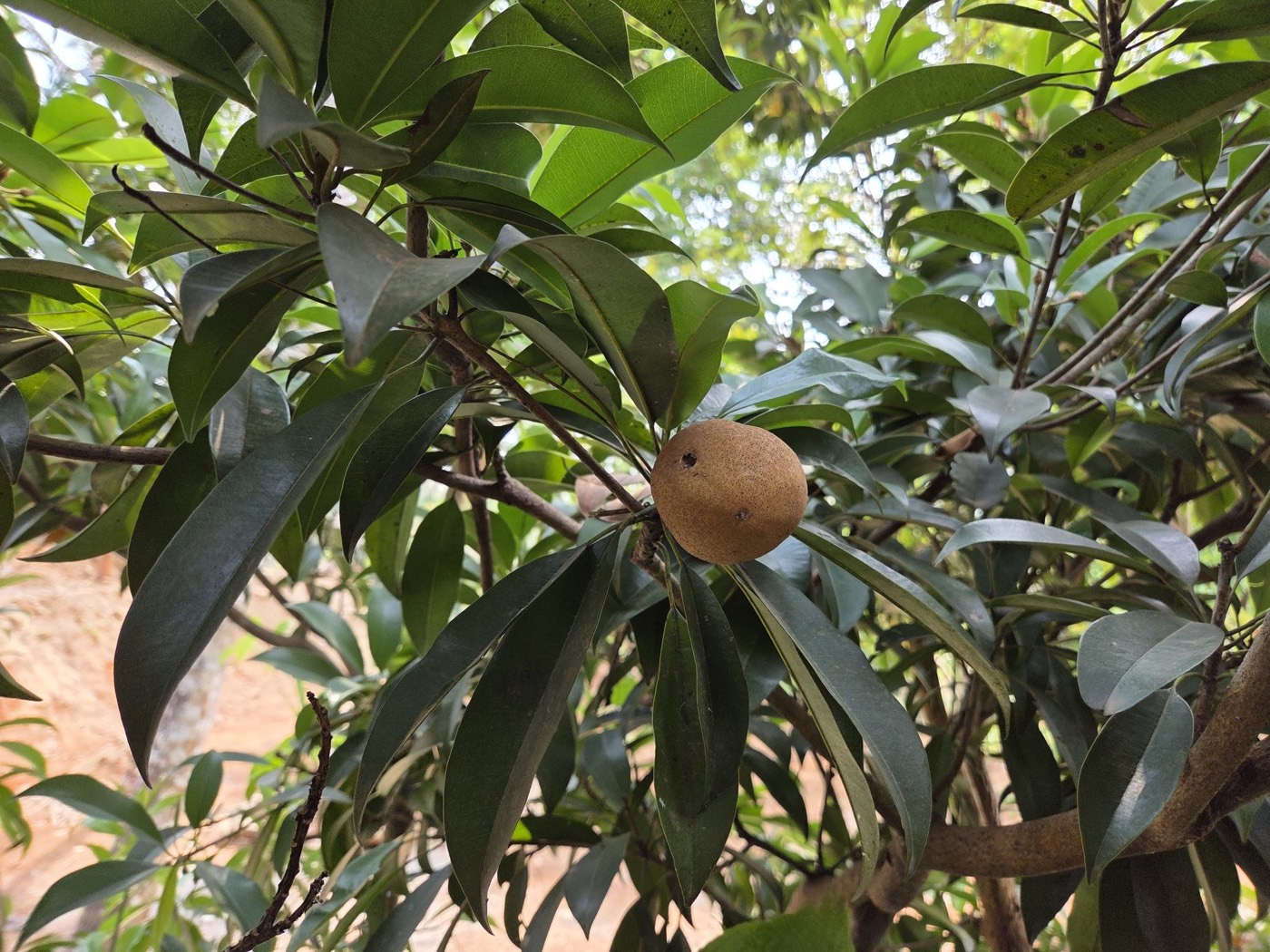
Sapodilla is high in sweetness and has a distinctive sandy pear-like texture from stone cells. It also contains latex when underripe, so maturity is not optional. Freeze-drying concentrates its brown-sugar character, but it also preserves any grit, astringency, or latex notes. For buyers, ripeness and preparation matter more than visual perfection.
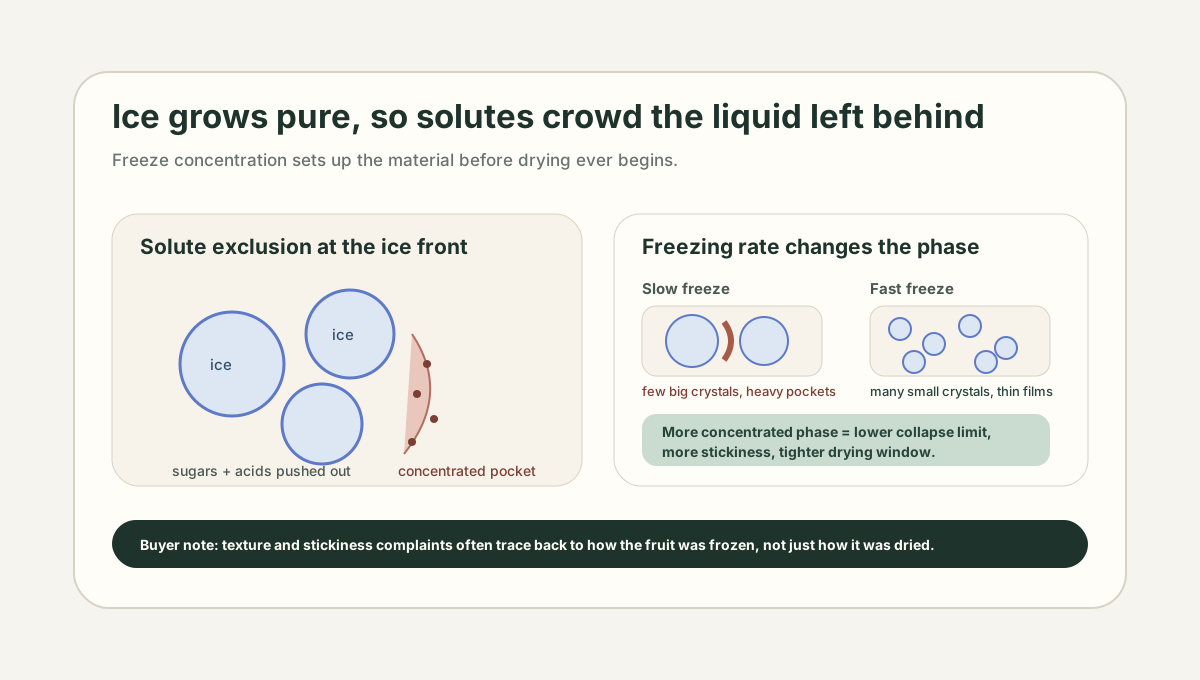
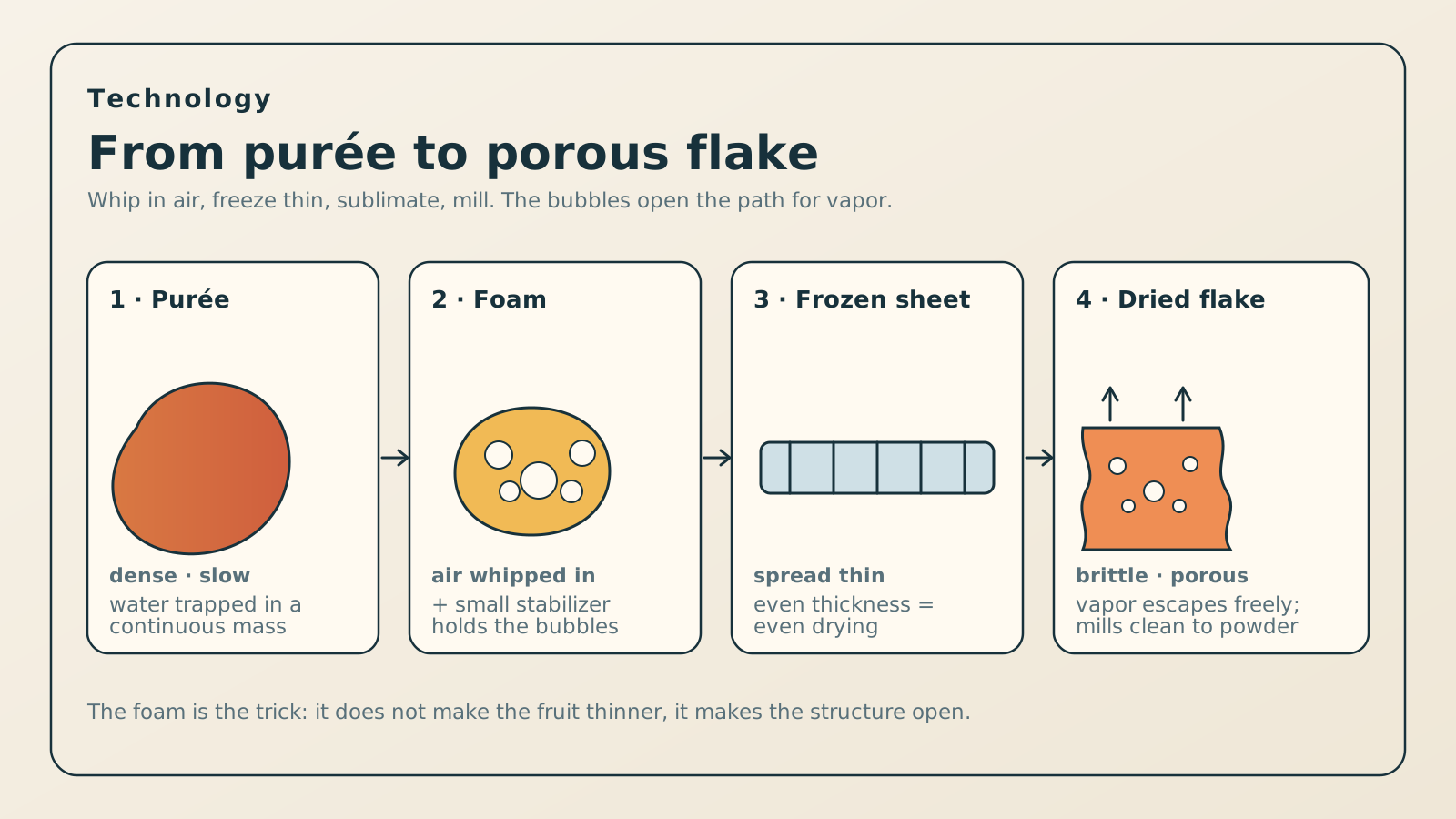
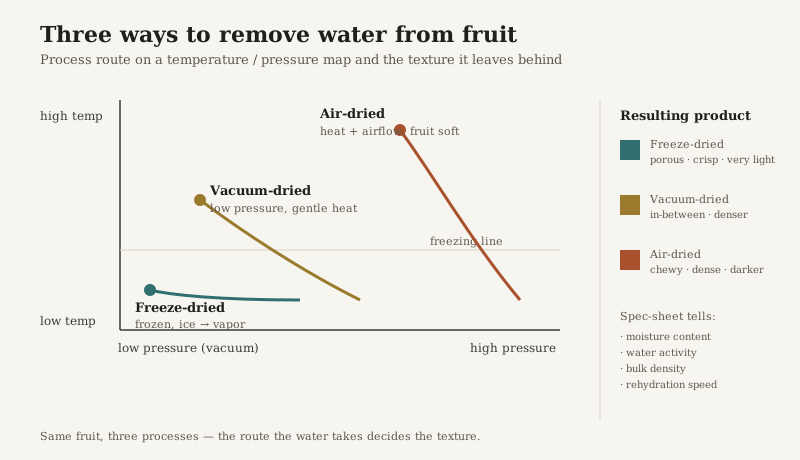
Freeze-drying protects a fruit's original structure more than many consumers realize. It does not add aroma, fix weak ripeness, hide tough skin, or make low-flavor raw material suddenly taste premium. A good process can preserve quality; it cannot invent it from poor input.
What quality looks like in the finished bag
A strong freeze-dried sapodilla product usually shows these signals:
- Warm tan to brown color without black oxidation.
- Clean caramel-pear aroma.
- No latex or mouth-coating astringency.
- Seed-free pieces.
- Grit level that feels natural rather than stale.
These signals should always be judged against the format. Whole pieces, slices, dices, crumbles, powders, and puree-derived pieces all have different expectations.
Sourcing reality
Sapodilla is a specialty tropical crop, often sourced from local or regional supply chains. Buyers should ask about ripeness standard, seed removal, peel removal, cut size, variety or local type, and whether the fruit is fresh, frozen, or puree-derived.
Ask for variety or type, origin, raw material state, cut format, added ingredients, moisture or water activity target, expected breakage rate, and the best-use application the supplier designed the product for.
Best-use formats
Sapodilla belongs in dessert-like blends, bakery inclusions, yogurt toppings, and tropical assortments where its brown-sugar note can stand out. It benefits from brighter partners such as citrus, pineapple, passion fruit, or strawberry.
The best format is the one that gives sapodilla a clear job: add color, acid, aroma, crunch, sweetness, visual identity, or a more premium seasonal story.
How to read a sapodilla label
A sapodilla label may need a short sensory cue because many consumers do not know the fruit. Describing the flavor as brown-sugar, pear-like, or caramel-tropical can help set the right expectation.
For buyers, the practical question is not simply whether freeze-dried sapodilla is good. It is whether this version of sapodilla fits the claim, price, and use case.
How sapodilla compares
A quick reference for how sapodilla sits alongside the freeze-drying personalities of its closest siblings.
| Fruit | Brix | Fiber | Aroma | Color stability | Breakage risk | Typical format |
|---|---|---|---|---|---|---|
| Sapodillathis report | 14–22° | Medium | Moderate | Moderate | Medium | Pieces · powder |
| Lychee | 16–20° | Low | Strong | Poor | Medium | Halves · whole · pieces |
| Longan | 15–22° | Low | Moderate | Poor | Medium | Halves · whole |
| Rambutan | 16–21° | Medium | Moderate | Poor | Medium | Halves · pieces |
| Mangosteen | 15–20° | Low | Strong | Moderate | Medium | Segments · powder |
| Durian | 20–28° | Medium | Very strong | Moderate | Low | Pieces · powder |
| Jackfruit | 15–24° | Medium | Strong | Moderate | Medium | Pieces · slices · powder |
| Jujube | 18–28° | Medium | Moderate | Strong | Low | Halves · slices · powder |
| Soursop | 10–18° | Medium | Strong | Moderate | Medium | Pieces · powder |
| Starfruit | 5–11° | Medium | Mild | Moderate | Medium | Slices · powder |
Values are typical industry ranges. Variety, origin, harvest window, and process all shift them.
Conclusion
Freeze-dried sapodilla is most successful when the product respects the fruit's limits instead of forcing it into a generic snack template. Start with the fruit's structure, choose the format from the use case, and judge the finished bag by aroma, texture, color, and honesty of claim.
Frequently Asked Questions
What does freeze-dried sapodilla taste like?
Brown-sugar, pear-like, and caramel — almost dessert-like. The freeze-dried version concentrates that warm tropical character into a distinctive piece that does not have an obvious freeze-dried counterpart in the mainstream fruit category. Quieter than mango or pineapple but more interesting than papaya.
Why does sapodilla ripeness matter so much?
Underripe sapodilla contains latex — a sticky milky substance that produces astringency and mouth-coating texture. Fully ripe fruit loses the latex character and develops the brown-sugar sweetness that makes the fruit valuable. Freeze-drying preserves whichever state was at intake, so ripeness control is not optional.
Is the gritty texture of sapodilla a defect?
No — it is the fruit's natural character. Sapodilla contains stone cells (sclereids) similar to pear, which produce a slight sandy texture. In good product the grit feels like a feature; in poor product (overripe, oxidized, or underripe) it becomes distracting. Format choice helps — powders and small pieces handle grit better than large slices.
What's the best format for freeze-dried sapodilla?
Slices preserve the brown-sugar, pear-like character — grit and oxidation are cautions, best suited to specialty snacks and dessert toppings. Cubes are blend-friendly but visually muted. Sapodilla powder delivers caramel fruit notes for bakery, drinks, and fillings — subtle color and caking risk. Dessert blends pair sapodilla with brighter fruits.
What pairings work well with freeze-dried sapodilla?
Brighter partners — citrus (lime, orange), pineapple, passion fruit, strawberry — give sapodilla the acidity it lacks alone. Sapodilla provides the dessert-like warmth and sweetness; the partners provide the lift. Mango pairs well too because both share tropical sweetness without competing aromas.
Should freeze-dried sapodilla be peeled and de-seeded?
Yes — both. The peel is too thick and astringent to include, and the seeds are large, hard, and inedible (they also contain saponins that should not be consumed). Premium freeze-dried sapodilla has clean seed-free flesh. Buyers should confirm seed-removal practice when sourcing.
What should buyers ask freeze-dried sapodilla suppliers?
Ask ripeness standard at intake, seed-removal completeness, peel removal, cut size, variety or local type, origin, raw material state (fresh, frozen, or puree-derived), target moisture or water activity, expected grit level, added sugar status, and the intended product positioning (specialty snack, dessert ingredient, or blend component).