- Orange flavor is strong, but segment membranes and peel oils can introduce bitterness.
- Peeled segments, juice cells, and powders behave very differently.
- Acidity helps orange stand up in blends, dairy, and chocolate.
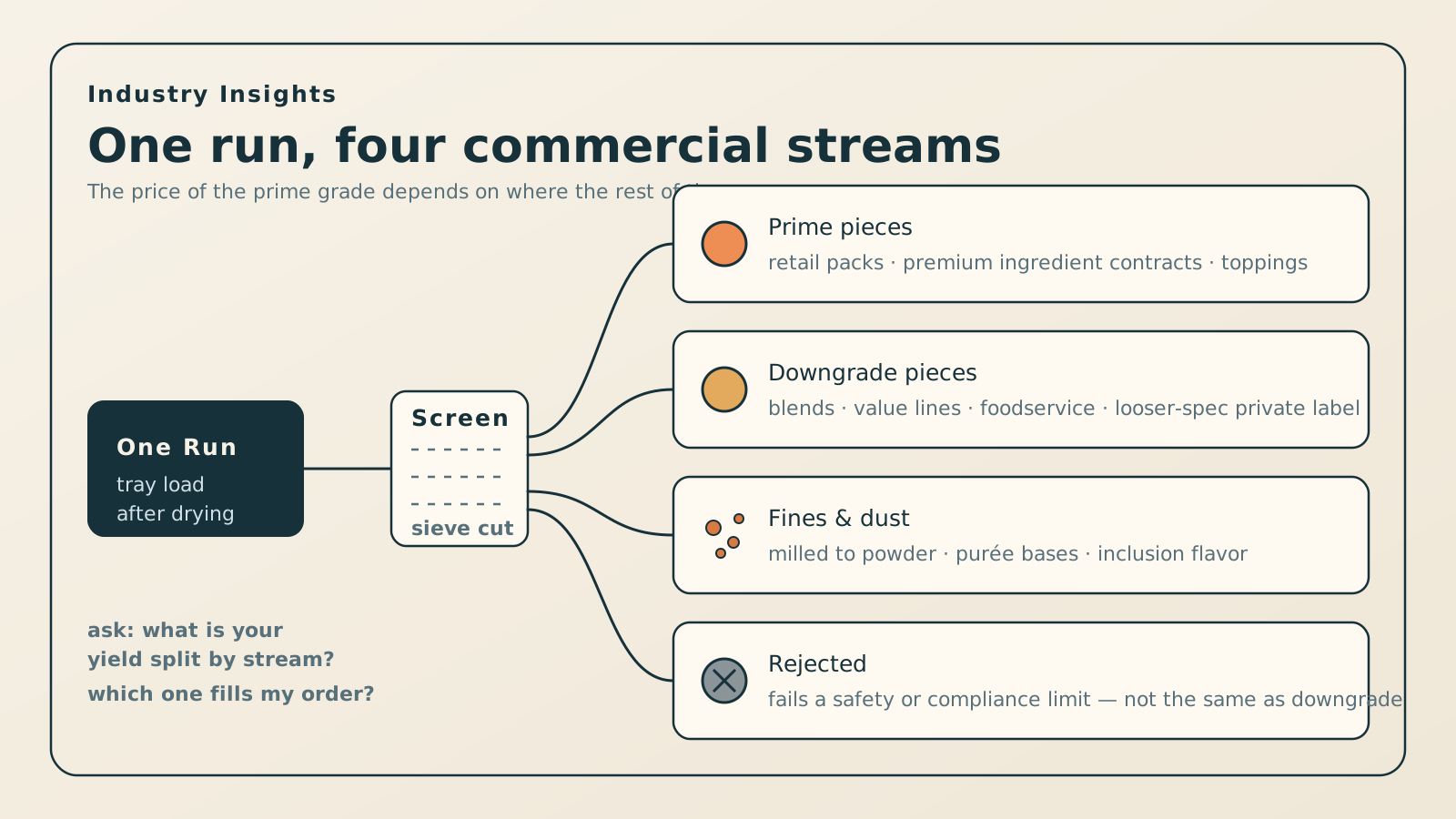
- Buyers should ask exactly which citrus fraction is being dried.
Orange brings instant recognition to a freeze-dried fruit product, but citrus structure makes format decisions unusually important. For freeze-dried fruit buyers, orange is not just a flavor name. It is a set of decisions about raw material, cutting, drying behavior, sensory quality, packaging, and where the finished fruit actually belongs.
Use this guide as a working field note for buyers, product developers, snack founders, and curious consumers. The goal is not to rank every fruit in a vacuum. It is to understand how oranges behave after water is removed, what quality looks like in the bag, and which questions make a supplier conversation more useful.
Quick comparison: orange formats for freeze-drying
| Format | Freeze-dried personality | Risk | Best use |
|---|---|---|---|
| Peeled segments | Recognizable, bright, snackable | Membrane toughness | Snack packs, toppings |
| Juice-cell pieces | Bursting citrus identity | Fragility and cost | Premium inclusions |
| Orange powder | Strong color and acid | Caking, oxidation | Beverages, coatings |
| Peel/zest ingredient | Aromatic and bitter | Not a fruit snack | Bakery, flavor systems |
Why oranges behave the way they do
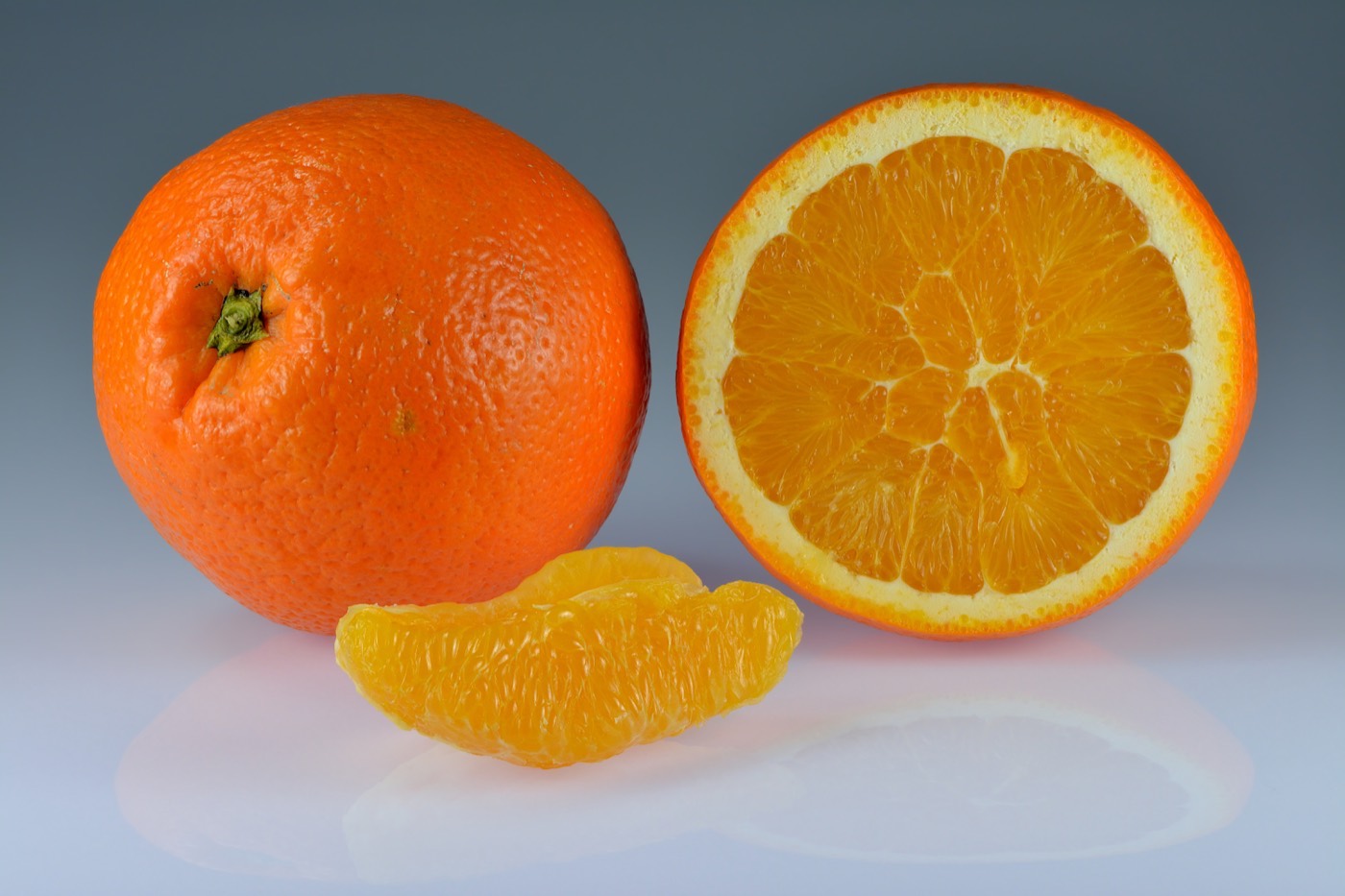
An orange is not one uniform fruit material. It contains juice vesicles, membranes, pith, peel oil, and seeds depending on variety. Freeze-drying can make orange taste bright and clean, but it can also amplify bitterness if peel, pith, or tough membranes are mishandled. For buyers, the question is not simply “orange.” It is which part of the orange is being processed.
Freeze-drying protects a fruit's original structure more than many consumers realize. It does not add aroma, fix weak ripeness, hide tough skin, or make low-flavor raw material suddenly taste premium. A good process can preserve quality; it cannot invent it from poor input.
What quality looks like in the finished bag
A strong freeze-dried orange product usually shows these signals:
- Clear citrus aroma without stale peel notes.
- Bright orange color with no browning.
- Crisp or delicate texture that matches the format.
- Balanced acidity rather than harsh sourness.
- Low bitterness from pith or damaged peel.
These signals should always be judged against the format. Whole pieces, slices, dices, crumbles, powders, and puree-derived pieces all have different expectations. The problem is not breakage or powder by itself; the problem is promising one format and delivering another.
Sourcing reality
Orange supply is abundant but not all citrus is equal for freeze-drying. Buyers should ask whether the input is navel, Valencia, mandarin-type, or juice-orange stream; whether segments are peeled; and whether any peel, pith, sugar, or carrier is present.
Ask for variety or type, origin, raw material state, cut format, added ingredients, moisture or water activity target, expected breakage rate, and the best-use application the supplier designed the product for.
Best-use formats
Orange works beautifully in powders, yogurt toppings, chocolate inclusions, and blends with berry or tropical fruits. Whole snack pieces need more care because membrane texture can dominate the eating experience. Mandarin-style segments may sometimes offer a more delicate bite than standard orange segments.
The best format is the one that gives orange a clear job: add color, acid, aroma, crunch, sweetness, visual identity, or a more premium seasonal story. When the format and use case are aligned, freeze-dried orange can feel intentional rather than simply unusual.
How to read a orange label
A useful orange label should distinguish fruit pieces from powder, juice-derived ingredients, or peel-containing blends. Citrus is familiar, so bitterness and stale aroma are easy for consumers to detect.
For buyers, the practical question is not simply whether freeze-dried orange is good. It is whether this version of orange fits the claim, price, and use case. That is what turns a fruit report into a sourcing tool.
How orange compares
A quick reference for how orange sits alongside the freeze-drying personalities of its closest siblings.
| Fruit | Brix | Fiber | Aroma | Color stability | Breakage risk | Typical format |
|---|---|---|---|---|---|---|
| Orangethis report | 10–14° | Low | Strong | Moderate | Medium | Slices · segments · powder |
| Lemon | 7–9° | Low | Very strong | Strong | Medium | Slices · zest · powder |
| Grapefruit | 8–12° | Low | Strong | Moderate | Medium | Slices · segments · powder |
Values are typical industry ranges. Variety, origin, harvest window, and process all shift them.
Conclusion
Freeze-dried orange is most successful when the product respects the fruit's limits instead of forcing it into a generic snack template. Start with the fruit's structure, choose the format from the use case, and judge the finished bag by aroma, texture, color, and honesty of claim. That is the difference between a novelty sample and a product someone can buy with confidence.
Frequently Asked Questions
What's the best format for freeze-dried orange — segments, juice cells, or powder?
Each format does a different job. Peeled segments are recognizable and snackable but membrane toughness can be a problem. Juice-cell pieces deliver bursting citrus identity at premium cost and high fragility. Orange powder concentrates color and acid for beverages and coatings — caking is the main risk. Match format to the use case rather than picking one universally.
Why does freeze-dried orange sometimes taste bitter?
An orange contains juice vesicles, membranes, pith, peel oil, and seeds — each behaves differently. Freeze-drying can amplify bitterness when peel, pith, or tough membranes are mishandled. The question is not simply orange, but which part of the orange is being processed and whether bitter fractions were properly excluded.
Should freeze-dried orange include the peel?
It depends on the application. Peel-containing products carry strong aroma but real bitterness — appropriate for bakery, flavor systems, garnish, and adult-positioned products. Peeled segments suit straightforward snacking and yogurt toppings. Pure powder is usually peel-free for cleaner flavor.
What's the difference between freeze-dried orange and orange powder?
Freeze-dried orange pieces preserve fruit identity — visible segments, juice-cell texture, snackable bite. Orange powder concentrates acid and color into a free-flowing ingredient for drinks, coatings, and bakery, with caking as the main caution and peel inclusion typically excluded.
Which orange variety works best for freeze-drying?
Navel, Valencia, and mandarin-type fruit each behave differently. Navel-style segments are familiar but can have tough membranes. Valencia juice-orange streams suit juice-derived ingredients. Mandarin-style segments often offer a more delicate bite than standard orange. Buyers should ask which variety or stream is being processed.
Can freeze-dried orange be paired with chocolate?
Yes — orange and dark chocolate is a classic pairing, and the acidity holds up well after freeze-drying. Powder works in coatings and inclusions; segment pieces work in chocolate clusters and bark. Bitterness control matters more in chocolate applications because the fat carrier amplifies any harsh peel notes.
What should buyers ask freeze-dried orange suppliers?
Ask the variety (navel, Valencia, mandarin), origin, raw material state, citrus fraction (peeled segments, juice cells, peel inclusion, juice-derived), cut format, target moisture or water activity, added sugar or carrier, anti-caking strategy for powder, and the intended product positioning.