- Blueberry skin slows moisture movement and can make process control more difficult.
- Wild blueberries often bring stronger flavor and smaller size, while cultivated blueberries give larger, more familiar pieces.
- Finished quality depends on skin cracking, drying endpoint, color, and whether pieces stay crisp after packaging.
- Buyers should compare whole berries, halves, powders, and ingredient formats separately.
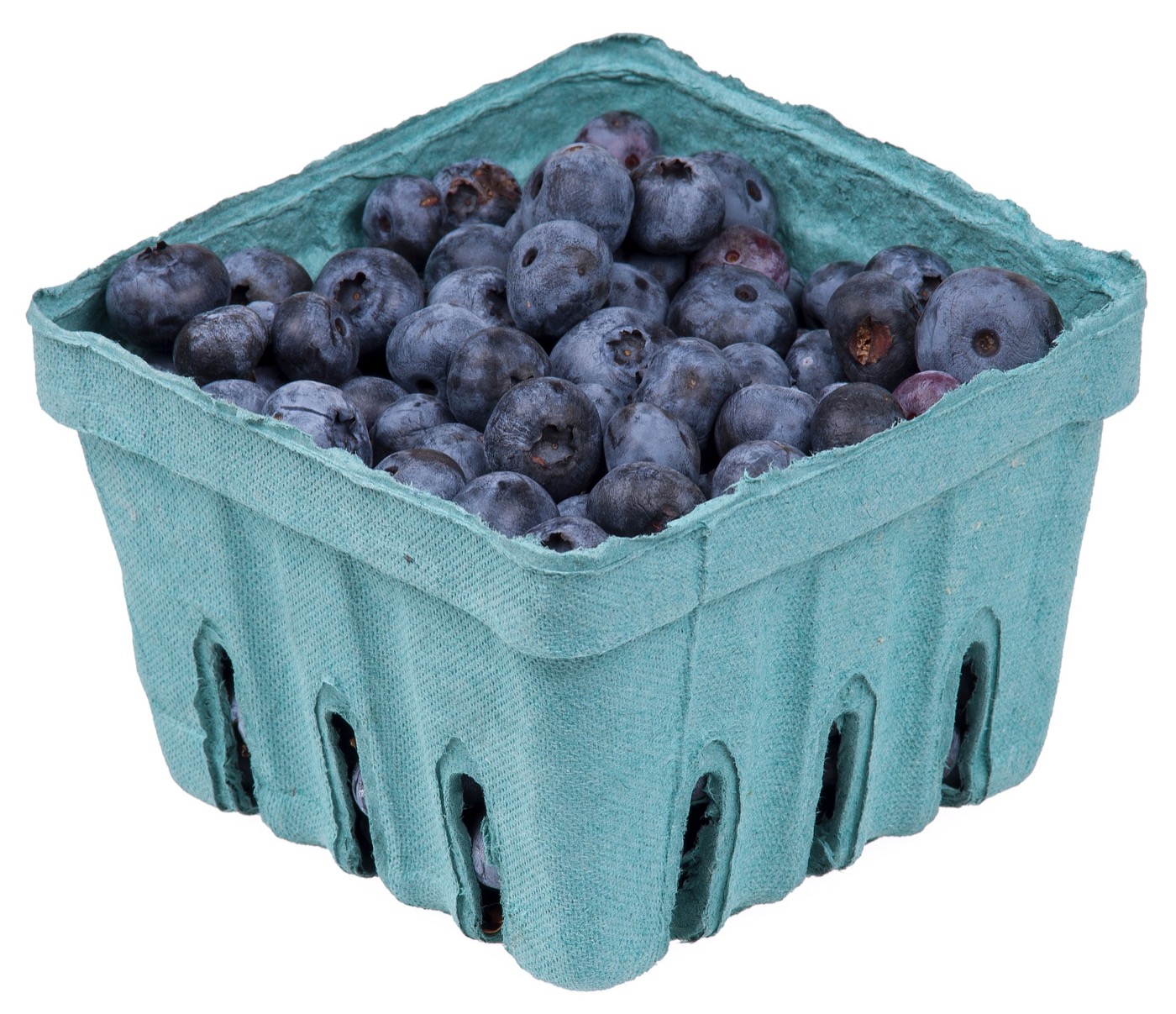
Blueberries look simple in a bag, but the skin changes everything in freeze-drying. For freeze-dried fruit buyers, blueberry is not just a flavor. It is a set of processing choices: raw material quality, cut format, moisture control, aroma retention, breakage, and how clearly the finished piece still communicates the fruit.
Use this guide as a practical sourcing tool. The goal is not to rank every possible blueberry product. It is to understand what usually separates a strong freeze-dried blueberry sample from one that looks good on a sell sheet but disappoints in the bag.
Quick comparison: blueberry formats for freeze-drying
| Type | Freeze-dried personality | Size | Best use |
|---|---|---|---|
| Wild blueberry | Intense, small, concentrated | Small | Cereals, bakery, premium blends |
| Cultivated blueberry | Larger, familiar, milder | Medium to large | Snack bags, yogurt toppings |
| Halves or broken | Easier drying, less premium look | Variable | Mixes, bakery, inclusions |
| Powder | Deep color and acid pop | Fine | Smoothies, coatings, fillings |
Why blueberry behaves the way it does
The blueberry problem is skin. A blueberry has a waxy outer surface that protects the fresh fruit, but that same skin can slow drying. Processors often need to manage cracking, piercing, pre-treatment, or cut format so vapor can escape. If the skin stays too intact, the product can look dry outside while retaining uneven texture inside. Small wild blueberries can dry more evenly and taste more intense, but their small size changes the eating experience. Larger cultivated blueberries are visually familiar, yet may be milder and more variable after drying. Skin behavior is what decides the crunch of whole freeze-dried blueberries.
The technical question is always the same: does the finished piece preserve the best part of the fruit, or does the process amplify the weaknesses? Freeze-drying removes water, but it does not create better raw material. If the fruit begins with weak aroma, poor maturity, too much fiber, or inconsistent sizing, the final product will usually show it.
What quality looks like in the finished bag
A strong freeze-dried blueberry sample usually has these signals:
- Deep blue-purple color rather than dull black.
- Crisp bite without a soft center.
- Clear blueberry aroma, not only generic sweetness.
- Low clumping and limited sticky pieces.
- Reasonable whole-piece integrity for the stated format.
These signals matter because consumers judge freeze-dried fruit quickly. They see the color first, smell the product when the pouch opens, and then decide whether the texture feels worth buying again.
Sourcing reality
Blueberries are sourced from both wild and cultivated supply streams, and those should not be treated as interchangeable. Wild blueberry pieces are often more flavor-dense but smaller and more expensive. Cultivated blueberries may be easier to position for consumers because they look familiar. Buyers should ask about variety type, raw material condition, whether berries are whole or treated before drying, and the expected texture after packaging.
Ask for the fruit type or variety when available, origin, harvest or processing window, raw material state, cut format, moisture or water activity target, added ingredients, and expected breakage rate after shipping.
Best-use formats
For premium snack positioning, use the format that lets the fruit remain recognizable. For ingredient use, consistency may matter more than beauty. Smaller pieces, powders, and broken formats can be excellent when they are sold honestly for toppings, bakery, cereals, bars, fillings, or blends.
For mixed fruit snacks, blueberry should have a clear job. It can provide color, aroma, acidity, sweetness, novelty, or texture. If it does not play one of those roles clearly, it may disappear behind louder fruits like mango, pineapple, or strawberry.
How to read a blueberry label
A useful label should tell you whether the product is plain fruit or sweetened, what format is inside, and sometimes the origin or variety. If the label only says "blueberry" but the price is premium, the sample itself needs to justify that price through color, aroma, texture, and piece integrity.
For buyers, the better question is not "is this freeze-dried blueberry good?" It is "does this blueberry format match the claim, the price, and the way the customer will actually use it?"
How blueberry compares
A quick reference for how blueberry sits alongside the freeze-drying personalities of its closest siblings.
| Fruit | Brix | Fiber | Aroma | Color stability | Breakage risk | Typical format |
|---|---|---|---|---|---|---|
| Blueberrythis report | 10–15° | Low | Moderate | Strong | Low | Whole · halves · powder |
| Strawberry | 7–12° | Low | Strong | Moderate | Medium | Slices · whole · powder |
| Raspberry | 8–12° | Low | Strong | Moderate | High | Whole · broken · powder |
| Blackberry | 8–13° | Medium | Strong | Moderate | High | Whole · broken · powder |
| Cranberry | 6–9° | Medium | Sharp | Strong | Low | Slices · pieces · powder |
| Mulberry | 9–15° | Low | Moderate | Strong | Medium | Whole · broken · powder |
| Gooseberry | 8–12° | Medium | Moderate | Moderate | Medium | Halves · powder |
Values are typical industry ranges. Variety, origin, harvest window, and process all shift them.
Conclusion
Freeze-dried blueberry works best when sourcing, format, and processing are aligned. The best products do not simply remove water from fruit. They protect the fruit's strongest signal, whether that is aroma, color, acidity, sweetness, crunch, or visual identity.
That is the difference between a novelty item and a product that earns a permanent place in a snack mix, topping lineup, or ingredient spec.
Frequently Asked Questions
Why is freeze-drying blueberries technically harder than it looks?
The blueberry skin is the problem. A waxy outer surface protects the fresh fruit but slows water vapor escaping during drying. Processors often manage this with cracking, piercing, pre-treatment, or cut format so vapor can leave the interior cleanly. Skip those steps and the berry looks dry outside while staying uneven inside.
Are wild blueberries or cultivated blueberries better for freeze-drying?
Both work, but they deliver different products. Wild lowbush blueberries are smaller and more flavor-dense, with stronger color per piece — favored for cereals, bakery, and premium blends. Cultivated highbush blueberries are larger and more familiar visually but milder in flavor — friendlier for snack bags and yogurt toppings.
Why do some freeze-dried blueberries feel chewy or tough?
Either the skin didn't break enough during processing or the interior wasn't fully dried before packaging. Whole intact berries especially can finish on the outside while still carrying interior moisture. Halved or scored berries usually dry more evenly and feel crisper.
Should freeze-dried blueberries be whole or halved?
Depends on the use case. Whole pieces look premium but dry more slowly, break less predictably, and command a higher spec. Halved berries dry more evenly and read cleaner in cereal, bakery, and ingredient applications. Powder is the right answer when even color and flavor distribution matter more than visible fruit.
What does quality look like in a finished freeze-dried blueberry bag?
Deep blue-purple color rather than dull black; crisp bite without a soft center; clear blueberry aroma — not just generic sweetness; low clumping and limited sticky pieces; and reasonable whole-piece integrity for the stated format. Color is what consumers see first; aroma is what tells them whether the fruit is alive.
What's the best format for freeze-dried blueberries in cereals or granola?
Smaller wild blueberries or halved cultivated blueberries usually outperform whole large berries in cereal applications — they distribute more evenly, hydrate faster against milk, and add color without dominating the bowl visually.
What should buyers ask suppliers about freeze-dried blueberry?
Ask wild vs cultivated, variety type, origin, raw material state (fresh / IQF), whether berries are whole or treated before drying, cut format, target moisture or water activity, added ingredients, and expected breakage rate after shipping.