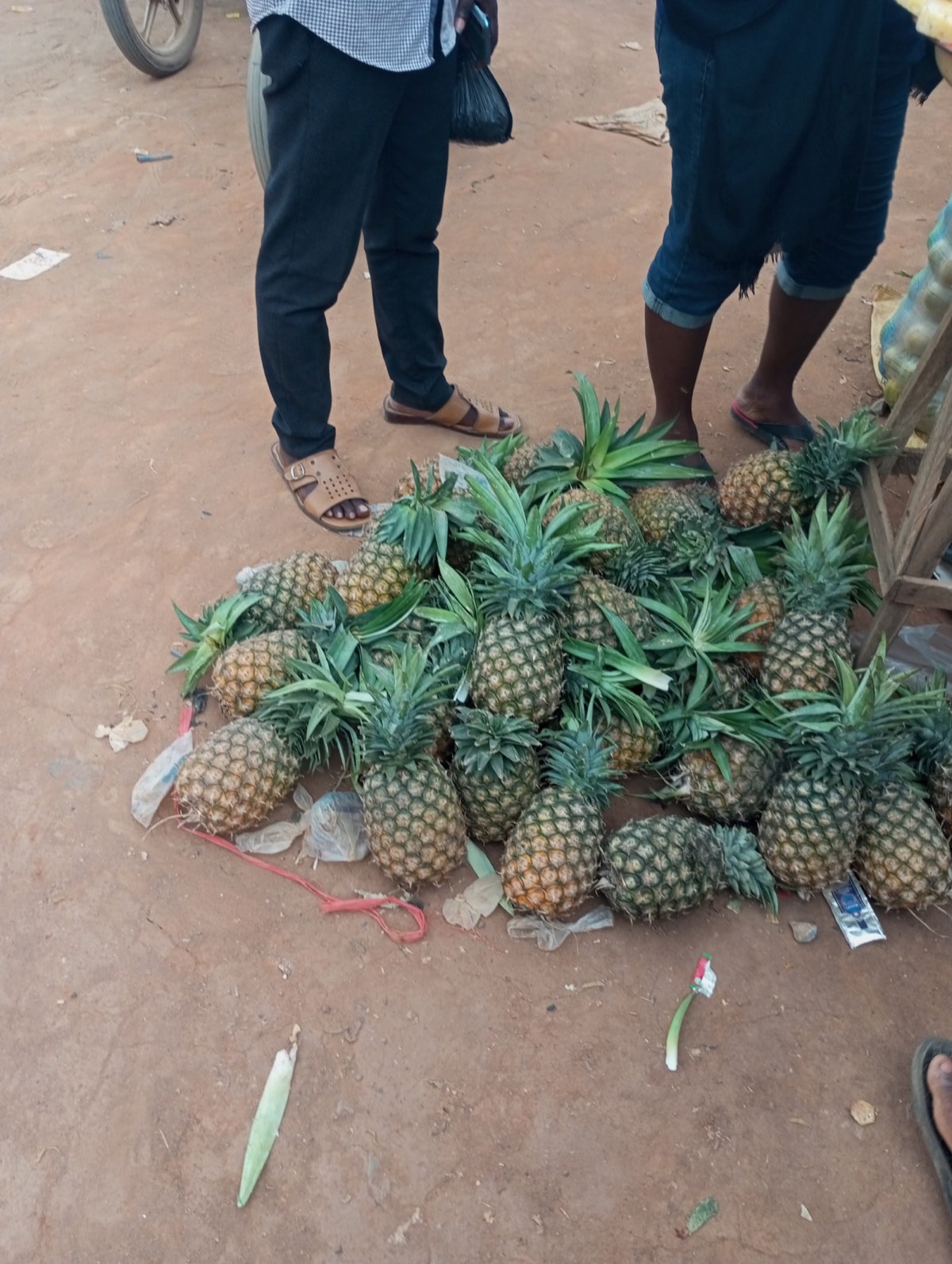
- Pineapple is usually discussed by commercial groups and cultivars rather than endless retail names
- Fresh export pineapples, processing pineapples, high-acid types, low-acid sweet types, specialty local types
- Variety matters because fruit bred for retail, processing, juice, drying, or local eating can behave very differently.
- For freeze-dried fruit buyers, the useful question is which variety fits the product job, not which variety is abstractly best.
Pineapple variety is often hidden behind one word, but different pineapples can vary sharply in acidity, sweetness, fiber, color, and processing behavior. The number can sound simple in search results, but fruit variety is rarely just a count. It is a map of regions, breeding goals, farm economics, consumer habits, processing needs, and local food culture.
This guide is written for curious consumers, snack founders, ingredient buyers, and anyone trying to understand why two products with the same fruit name can taste, look, and perform so differently.
Quick answer: how many types of pineapples are there?
| Question | Practical answer |
|---|---|
| Global picture | Pineapple is usually discussed by commercial groups and cultivars rather than endless retail names |
| Common names | MD2, Smooth Cayenne, Queen, Red Spanish, Sugarloaf, Pernambuco, Victoria |
| Main split | Fresh export pineapples, processing pineapples, high-acid types, low-acid sweet types, specialty local types |
| Best buying question | Is the pineapple selected for fresh sweetness, canning yield, acidity, aroma, or processing consistency? |
The practical answer depends on whether you are counting botanical groups, named cultivars, commercial varieties, regional names, or the small group that actually appears in supermarkets and ingredient supply.
Why pineapple variety is more complicated than it looks
Pineapple is a fruit where one cultivar can reshape the whole category. MD2 became globally important because it delivered the retail promise buyers wanted: golden flesh, high sweetness, lower acidity, and consistency. Smooth Cayenne shaped the processing world because it worked in canning and industrial systems. Both are pineapple, but they are optimized for different jobs.
That is why variety names are not just decorative. They tell you something about what the fruit was bred or selected to do. Sometimes the goal is flavor. Sometimes it is firmness, yield, shipping life, color, disease resistance, sugar, acidity, or processing efficiency.
The global pineapple map
Global fresh trade
MD2 dominates many fresh export markets because of sweetness, color, and consistency.
Processing history
Smooth Cayenne became important because it worked well for canning and industrial processing.
Tropical local markets
Queen, Sugarloaf, Pernambuco, Red Spanish, Victoria, and regional types.
Specialty premium fruit
Small, aromatic, high-sugar pineapples sold by origin or local reputation.
A global variety map is useful because it separates local food culture from export trade. The fruit most loved in a growing region is not always the same fruit most likely to survive a long supply chain.
Pineapple varieties by flavor and use
| Personality | Examples | Why it matters |
|---|---|---|
| Sweet fresh export | MD2 | undefined |
| Classic processing | Smooth Cayenne | undefined |
| Small and aromatic | Queen and Victoria types | undefined |
| Low-acid and pale-fleshed | Sugarloaf-type pineapples | undefined |
| Firm and traditional | Red Spanish and regional fresh-market types | undefined |
This is often more useful than asking for a single best variety. A variety can be excellent for one use and wrong for another.
What this means for freeze-dried fruit
For freeze-dried pineapple, variety affects acid bite, sweetness, fiber, color, and whether pieces feel bright or harsh. High-acid pineapple can be exciting in small pieces but too sharp as a solo snack. Sweeter MD2-style pineapple can be more approachable. Buyers should ask cultivar or commercial group, Brix, acid balance, cut size, core inclusion, and whether the fruit is fresh, IQF, or processing stream.
Freeze-drying concentrates both strengths and flaws. A fruit with strong aroma can become more vivid. A bland fruit can become a crisp version of bland. A fibrous, seedy, watery, or low-acid fruit may need a different cut format, a blend partner, or a different use case.
Why labels often hide variety
Most packaged fruit products do not name the cultivar because a named variety creates a promise. If a label says a specific variety, buyers expect that variety to remain stable across seasons. That can be difficult when harvest windows shift, prices move, crop quality changes, or suppliers blend fruit to maintain availability.
For everyday products, a broad fruit name may be enough. For premium products, ingredient work, or serious sourcing, variety is part of the specification.
Ask: Which variety or type? Which origin? Single variety or blend? Fresh, IQF, puree, juice, or processing stream? Typical Brix or acidity target? What format is the product designed for? Does the variety stay stable year-round?
How pineapple compares
A quick reference for how pineapple sits alongside the freeze-drying personalities of its closest siblings.
| Fruit | Brix | Fiber | Aroma | Color stability | Breakage risk | Typical format |
|---|---|---|---|---|---|---|
| Pineapplethis report | 11–15° | High | Strong | Moderate | Medium | Chunks · tidbits · powder |
| Mango | 10–22° | Low → High (cultivar) | Very strong | Strong | Medium | Slices · cubes · powder |
| Banana | 15–22° | Medium | Strong (ripe) | Poor | Low | Slices · powder |
| Papaya | 8–12° | Low | Mild | Moderate | Medium | Cubes · slices · powder |
| Passion fruit | 13–18° | Low (seeds present) | Very strong | Moderate | n/a (pulp) | Powder · flakes |
| Guava | 8–13° | High | Very strong | Moderate | Medium | Slices · cubes · powder |
Values are typical industry ranges. Variety, origin, harvest window, and process all shift them.
Conclusion
The best way to answer “how many types of pineapples are there?” is to start with a count, then move quickly to purpose. There may be many named types, but the more useful question is what each one does well.
For consumers, variety explains why one pineapple tastes exciting and another tastes ordinary. For buyers, it explains why two samples with the same fruit name can carry different color, aroma, texture, price, and processing behavior. Variety is not a footnote. It is part of the product.
Frequently Asked Questions
How many types of pineapples are there?
Pineapple is usually discussed by commercial group and cultivar rather than by endless retail names. The most important groups are MD2, Smooth Cayenne, Queen, Red Spanish, Sugarloaf, Pernambuco, and Victoria, plus regional specialty types. Most global retail concentrates around far fewer than a dozen cultivars.
What's the difference between MD2 and Smooth Cayenne pineapple?
MD2 dominates many fresh export markets because of sweetness, golden color, lower acidity, and consistency — it was bred to deliver the retail promise buyers wanted. Smooth Cayenne shaped the processing world because it works well in canning and industrial systems. Both are pineapple, but they are optimized for different jobs.
Which pineapple varieties are best for freeze-drying?
Sweeter MD2-style fruit can be more approachable in freeze-dried form. High-acid pineapple can be exciting in small pieces but too sharp as a solo snack. Buyers should ask cultivar or commercial group, Brix, acid balance, cut size, core inclusion, and whether the fruit is fresh, IQF, or processing stream.
Why are some pineapples much sweeter than others?
Variety shapes the acid-to-sugar balance more than ripeness alone. Low-acid cultivars like Sugarloaf taste milder and sweeter, while high-acid types deliver a sharper, brighter bite. Two fully-ripe pineapples from different cultivars can feel like different products.
What's a Sugarloaf pineapple?
Sugarloaf is a low-acid, pale-fleshed pineapple type often associated with tropical regional markets. It is prized for sweetness without acidity bite, which makes it distinctive but less common in fresh export channels.
Why does freeze-dried pineapple sometimes taste too sharp?
Freeze-drying concentrates the fruit, including its acids. A high-acid pineapple variety that tastes balanced fresh can become aggressively sharp once water is removed. Blending with a sweeter variety or matching the cut size to the application often helps.
What should buyers ask suppliers about pineapple variety?
Ask which cultivar or commercial group, the origin, single variety or blend, fresh / IQF / processing source, typical Brix and acid balance, cut format, whether the core is included, and whether the variety stays stable year-round.