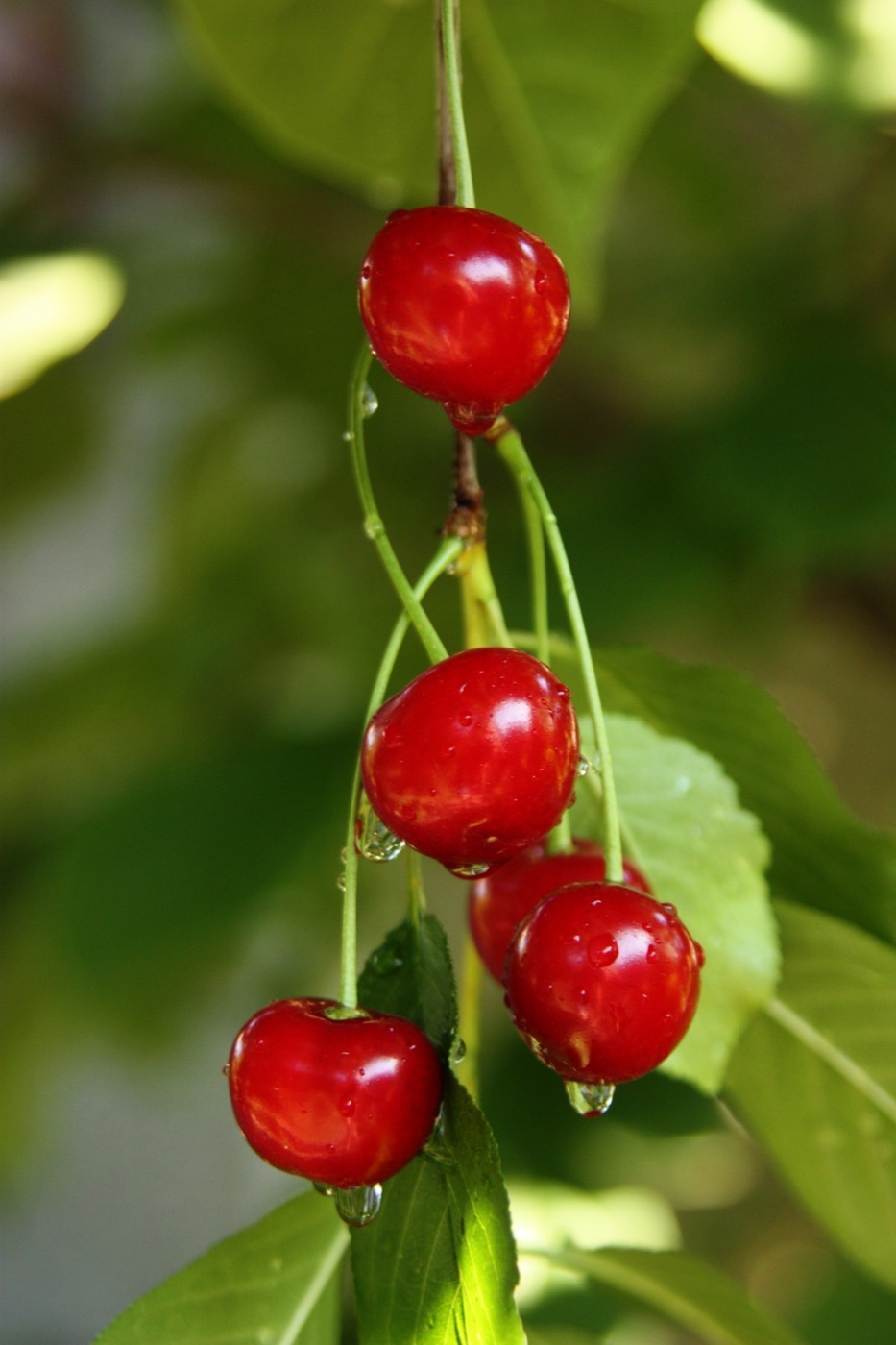
- Cherry quality depends heavily on whether the input is sweet cherry, tart cherry, or ingredient-grade material.
- Pitting, halve size, and skin behavior shape texture as much as the drying cycle.
- Good cherry should have recognizable aroma and acid balance, not only red color and sweetness.
- Buyers should separate snack-grade pieces, topping pieces, inclusions, and powder as different products.
Cherry is one of the most emotionally powerful fruit flavors in freeze-dried form, but it is also one of the easiest to misread. For freeze-dried fruit buyers, cherry is not just a flavor name. It is a set of decisions about raw material, cutting, drying behavior, sensory quality, packaging, and where the finished fruit actually belongs.
Use this guide as a working field note for buyers, product developers, snack founders, and curious consumers. The goal is not to rank every fruit in a vacuum. It is to understand how cherries behave after water is removed, what quality looks like in the bag, and which questions make a supplier conversation more useful.
Quick comparison: cherry formats for freeze-drying
| Format | Freeze-dried personality | Risk | Best use |
|---|---|---|---|
| Sweet cherry halves | Round, dark, dessert-like | Can taste flat if under-acidic | Premium snack mixes, chocolate, desserts |
| Tart cherry pieces | Bright, sharp, aromatic | Can feel too sour alone | Granola, yogurt, bakery inclusions |
| Whole pitted cherry | Premium visual, strong identity | Slow drying and high breakage | Specialty packs, garnish |
| Cherry powder | Color and acid carrier | Caking and flavor fade | Coatings, fillings, drink mixes |
Why cherries behave the way they do
Cherries have a dense skin, juicy flesh, and a stone that must be removed for most commercial products. Sweet cherries bring sugar and dark color, while tart cherries bring acidity and aroma. Freeze-drying concentrates both, so the choice between sweet and tart is really a choice about final use. For snacks, too much acidity can feel harsh. For inclusions, the same acidity can make cereal, chocolate, or yogurt taste more alive.
Freeze-drying protects a fruit's original structure more than many consumers realize. It does not add aroma, fix weak ripeness, hide tough skin, or make low-flavor raw material suddenly taste premium. A good process can preserve quality; it cannot invent it from poor input.
What quality looks like in the finished bag
A strong freeze-dried cherry product usually shows these signals:
- Deep red to burgundy color without brown edges.
- Clear cherry aroma before chewing.
- Pitting that does not leave hard fragments.
- Crisp bite that does not collapse into leather.
- Acid-sugar balance that fits the stated use.
These signals should always be judged against the format. Whole pieces, slices, dices, crumbles, powders, and puree-derived pieces all have different expectations. The problem is not breakage or powder by itself; the problem is promising one format and delivering another.
Sourcing reality
Cherry supply is seasonal, perishable, and often linked to frozen IQF streams. Buyers should ask whether the input is sweet or tart cherry, whether it is mechanically pitted, whether sulfites or sweeteners are used, and what defect tolerance applies to pits, stems, skins, and broken pieces.
Ask for variety or type, origin, raw material state, cut format, added ingredients, moisture or water activity target, expected breakage rate, and the best-use application the supplier designed the product for.
Best-use formats
Cherries work best as halves, pieces, powders, and inclusions rather than large whole snacks. For premium retail, visible halves tell the story quickly. For industrial use, tart cherry pieces often give better value because their acidity still reads clearly after blending.
The best format is the one that gives cherry a clear job: add color, acid, aroma, crunch, sweetness, visual identity, or a more premium seasonal story. When the format and use case are aligned, freeze-dried cherry can feel intentional rather than simply unusual.
How to read a cherry label
A useful cherry label should identify whether the fruit is sweetened, whether it contains added oil or anti-caking agents, and whether the product is sweet cherry, tart cherry, or a blend. If a product leans on a premium cherry claim, the sample should show aroma, not just color.
For buyers, the practical question is not simply whether freeze-dried cherry is good. It is whether this version of cherry fits the claim, price, and use case. That is what turns a fruit report into a sourcing tool.
How cherry compares
A quick reference for how cherry sits alongside the freeze-drying personalities of its closest siblings.
| Fruit | Brix | Fiber | Aroma | Color stability | Breakage risk | Typical format |
|---|---|---|---|---|---|---|
| Cherrythis report | 14–22° | Low | Strong | Strong | Medium | Halves · whole · powder |
| Peach | 10–15° | Medium | Strong | Moderate | Medium | Slices · dices · halves |
| Apricot | 11–14° | Medium | Strong | Moderate | Medium | Halves · slices · dices |
| Plum | 12–15° | Low | Moderate | Strong | Medium | Slices · dices · powder |
Values are typical industry ranges. Variety, origin, harvest window, and process all shift them.
Conclusion
Freeze-dried cherry is most successful when the product respects the fruit's limits instead of forcing it into a generic snack template. Start with the fruit's structure, choose the format from the use case, and judge the finished bag by aroma, texture, color, and honesty of claim. That is the difference between a novelty sample and a product someone can buy with confidence.
Frequently Asked Questions
Which cherries freeze-dry best — sweet or tart?
Neither is universally better; they make different products. Sweet cherry pieces feel dessert-like and premium but can taste flat if acidity is low. Tart cherries (Montmorency, Morello) bring bright acid and concentrated color — excellent in granola, bakery, and yogurt inclusions but often too sharp for casual snacking alone.
What's the difference between freeze-dried sweet and tart cherries?
Sweet cherries (Bing, Lapins, Rainier) carry sugar and dark color and read like dessert. Sour cherries carry acidity and aroma and read like an ingredient. Freeze-drying concentrates both profiles, so the sweet-vs-tart choice is really a use-case choice — snacks vs inclusions.
Why do freeze-dried cherries sometimes contain pit fragments?
Cherries are pitted mechanically and no commercial pitter is perfect — a small percentage of pits or pit fragments is normal across the industry. Premium suppliers define a maximum-allowable pit fragment tolerance in writing. Buyers should ask the spec rather than assume zero.
Should freeze-dried cherries be whole or halved?
Whole pitted cherries look dramatic and premium but dry slowly and break more in transit. Halves dry more evenly, blend cleanly into mixes and bakery, and are the practical default for most commercial applications. Powder makes sense when even color and acid distribution matter more than visible fruit.
Why do some freeze-dried cherries taste flat?
Usually a raw material issue — sweet cherries picked too early lack the acid balance that makes cherry flavor feel alive, and freeze-drying does not invent aroma. Check the raw material variety and ripeness target, not just the drying cycle.
What quality signals matter in a freeze-dried cherry bag?
Deep red to burgundy color without brown edges; clear cherry aroma before chewing; pitting that does not leave hard fragments; crisp bite without collapse into leather; and an acid-sugar balance that fits the stated use. A premium claim should be supported by aroma, not just color.
What should buyers ask freeze-dried cherry suppliers?
Ask sweet or tart type, variety, origin, pitting method, whole or half format, target moisture or water activity, added sweeteners or sulfites, expected pit-fragment tolerance, breakage rate, and the best-use application the supplier designed for.