- Lychee quality depends on floral aroma, clean peeled flesh, seed removal, and texture control.
- Freeze-dried lychee can feel premium, but weak raw material tastes faint quickly.
- Whole peeled pieces are attractive but expensive and fragile.
- Buyers should ask about origin, seed removal, syrup use, and whether pieces are whole or broken.
Lychee is not loud in the same way pineapple is loud. Its value is floral, juicy, and delicate. For freeze-dried fruit buyers, lychee is not just a flavor. It is a set of processing choices: raw material quality, cut format, moisture control, aroma retention, breakage, and how clearly the finished piece still communicates the fruit.
Use this guide as a practical sourcing tool. The goal is not to rank every possible lychee product. It is to understand what usually separates a strong freeze-dried lychee sample from one that looks good on a sell sheet but disappoints in the bag.
Quick comparison: lychee formats for freeze-drying
| Format | Freeze-dried personality | Risk | Best use |
|---|---|---|---|
| Whole peeled lychee | Premium, floral, recognizable | Cost, fragility | Specialty snack packs |
| Halves or pieces | More practical | Less dramatic | Tropical blends, toppings |
| Powder | Floral sweetness | Aroma loss | Drinks, dessert fillings |
| Sweetened pieces | Stronger sweetness | Less clean label | Candy-like fruit snacks |
Why lychee behaves the way it does
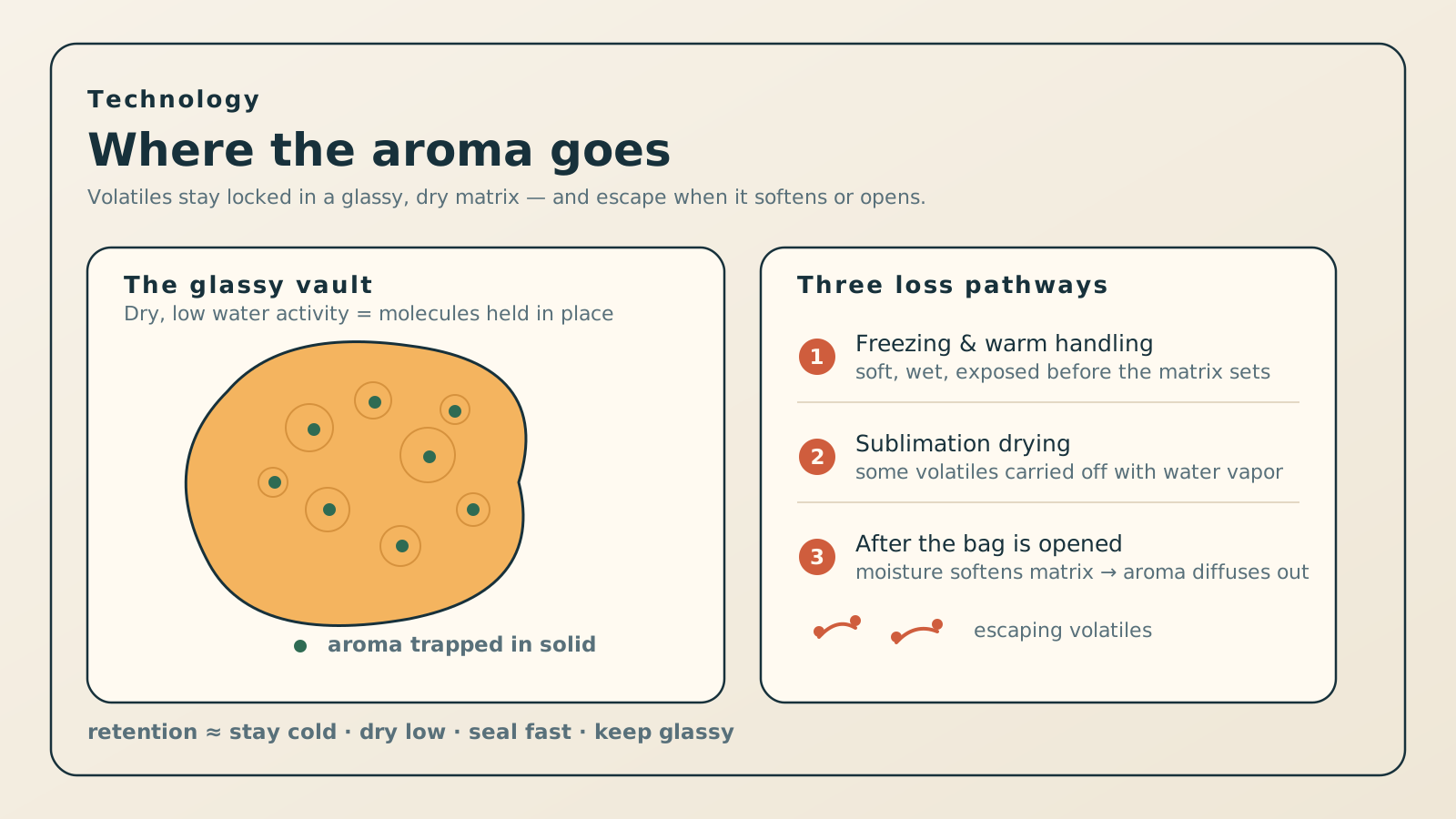
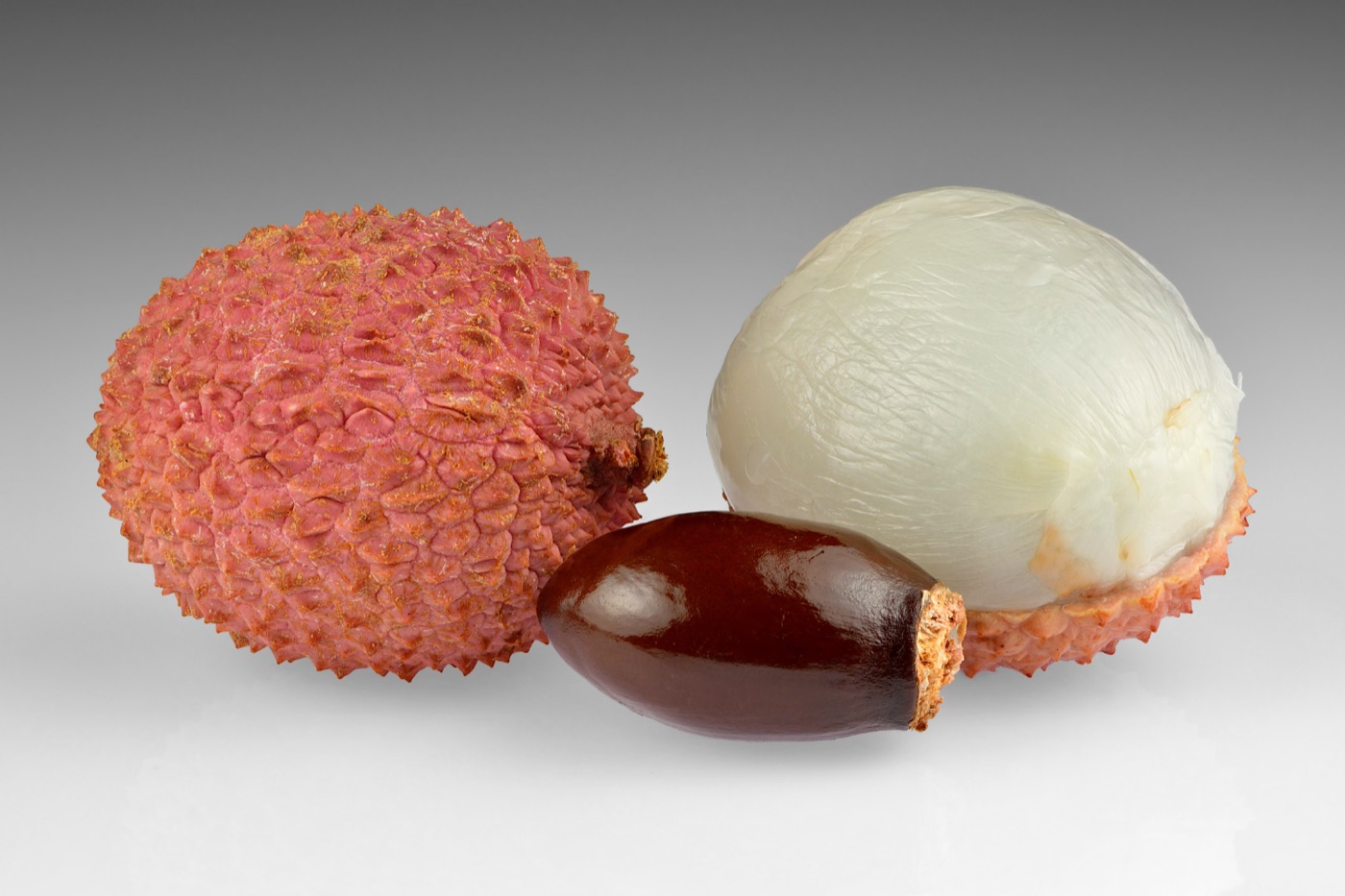
Lychee flesh is translucent, juicy, and aromatic. The seed must be removed, and that labor affects cost. The fruit has a floral perfume that can be beautiful after drying, but it is also easy to lose if raw material is old or storage is poor. Texture can move from crisp to airy depending on thickness and drying endpoint. Because lychee is naturally associated with delicacy, broken or dull pieces can feel disappointing even when the flavor is acceptable. Whole freeze-dried lychees keep the floral top notes that canning tends to strip away.
The technical question is always the same: does the finished piece preserve the best part of the fruit, or does the process amplify the weaknesses? Freeze-drying removes water, but it does not create better raw material. If the fruit begins with weak aroma, poor maturity, too much fiber, or inconsistent sizing, the final product will usually show it.
What quality looks like in the finished bag
A strong freeze-dried lychee sample usually has these signals:
- Clear floral aroma when the package opens.
- Light ivory color without gray or brown cast.
- Clean seed removal.
- Crisp, airy texture without sticky centers.
- Sweet finish that does not taste like syrup unless sweetening is disclosed.
These signals matter because consumers judge freeze-dried fruit quickly. They see the color first, smell the product when the pouch opens, and then decide whether the texture feels worth buying again.
Sourcing reality
Lychee supply is seasonal and origin-specific, with important production in China, Southeast Asia, India, and other warm regions. Buyers should clarify whether the product is unsweetened, sweetened, whole, halved, or fragmented. For premium retail, whole or large pieces may justify higher price. For mixes, smaller pieces can deliver aroma at a more manageable cost.
Ask for the fruit type or variety when available, origin, harvest or processing window, raw material state, cut format, moisture or water activity target, added ingredients, and expected breakage rate after shipping.
Best-use formats
For premium snack positioning, use the format that lets the fruit remain recognizable. For ingredient use, consistency may matter more than beauty. Smaller pieces, powders, and broken formats can be excellent when they are sold honestly for toppings, bakery, cereals, bars, fillings, or blends.
For mixed fruit snacks, lychee should have a clear job. It can provide color, aroma, acidity, sweetness, novelty, or texture. If it does not play one of those roles clearly, it may disappear behind louder fruits like mango, pineapple, or strawberry.
How to read a lychee label
A useful label should tell you whether the product is plain fruit or sweetened, what format is inside, and sometimes the origin or variety. If the label only says "lychee" but the price is premium, the sample itself needs to justify that price through color, aroma, texture, and piece integrity.
For buyers, the better question is not "is this freeze-dried lychee good?" It is "does this lychee format match the claim, the price, and the way the customer will actually use it?"
How lychee compares
A quick reference for how lychee sits alongside the freeze-drying personalities of its closest siblings.
| Fruit | Brix | Fiber | Aroma | Color stability | Breakage risk | Typical format |
|---|---|---|---|---|---|---|
| Lycheethis report | 16–20° | Low | Strong | Poor | Medium | Halves · whole · pieces |
| Longan | 15–22° | Low | Moderate | Poor | Medium | Halves · whole |
| Rambutan | 16–21° | Medium | Moderate | Poor | Medium | Halves · pieces |
| Mangosteen | 15–20° | Low | Strong | Moderate | Medium | Segments · powder |
| Durian | 20–28° | Medium | Very strong | Moderate | Low | Pieces · powder |
| Jackfruit | 15–24° | Medium | Strong | Moderate | Medium | Pieces · slices · powder |
| Jujube | 18–28° | Medium | Moderate | Strong | Low | Halves · slices · powder |
| Soursop | 10–18° | Medium | Strong | Moderate | Medium | Pieces · powder |
| Sapodilla | 14–22° | Medium | Moderate | Moderate | Medium | Pieces · powder |
| Starfruit | 5–11° | Medium | Mild | Moderate | Medium | Slices · powder |
Values are typical industry ranges. Variety, origin, harvest window, and process all shift them.
Conclusion
Freeze-dried lychee works best when sourcing, format, and processing are aligned. The best products do not simply remove water from fruit. They protect the fruit's strongest signal, whether that is aroma, color, acidity, sweetness, crunch, or visual identity.
That is the difference between a novelty item and a product that earns a permanent place in a snack mix, topping lineup, or ingredient spec.
Frequently Asked Questions
Why does freeze-dried lychee feel premium?
Lychee carries a floral, juicy, delicate profile that does not exist anywhere else in the freeze-dried fruit category. The seed removal, fragility of the flesh, and seasonal sourcing all push cost up — but the result is a fruit consumers immediately read as exotic and high-quality when handled well.
Are the seeds removed in freeze-dried lychee?
Yes — almost always. The single brown seed inside each lychee is firm and inedible, and it must be removed before drying. Seed removal is a labor-intensive step that meaningfully affects landed cost. Buyers should confirm seed-removal practice when sourcing, as residual seed fragments would be a significant defect.
What's the best format for freeze-dried lychee?
Whole peeled lychees feel premium and recognizable but cost more and break more easily — best for specialty snack packs. Halves or pieces are more practical for tropical blends and toppings. Powder works in drinks and dessert fillings but loses some of the floral aroma. Sweetened pieces deliver candy-like character at the cost of clean labeling.
Why does some freeze-dried lychee taste faint?
Lychee aroma is delicate to begin with, and weak raw material — old IQF stock, underripe fruit, or poor storage — produces freeze-dried lychee that opens without smell. The fruit cannot be rescued by drying; aroma is set at intake. Premium products start with seasonal, well-sourced fruit and tight packaging discipline.
Where is lychee grown commercially?
Important production happens in China (the original homeland with the deepest cultivar diversity), Southeast Asia (especially Vietnam and Thailand), India, and other warm regions including parts of Australia, Hawaii, and South Africa. Supply is seasonal — typically late spring through summer — and origin shapes both flavor and price.
Should freeze-dried lychee be sweetened?
Plain freeze-dried lychee preserves the natural floral sweetness of the fruit. Some sweetened products exist for candy-like snack applications, but they sit in a different category — closer to confection than to whole fruit. The label should disclose sweetening; premium clean-label products keep lychee plain.
What should buyers ask freeze-dried lychee suppliers?
Ask origin (China, Vietnam, Thailand, India), variety where available, seasonal harvest window, raw material state (fresh or IQF), seed removal practice, cut format (whole, halved, broken), added sweetener, target moisture or water activity, and expected breakage rate after shipping.