- Pear flavor is delicate, so weak raw material can disappear after drying.
- Ripeness controls aroma, sweetness, graininess, and slice integrity.
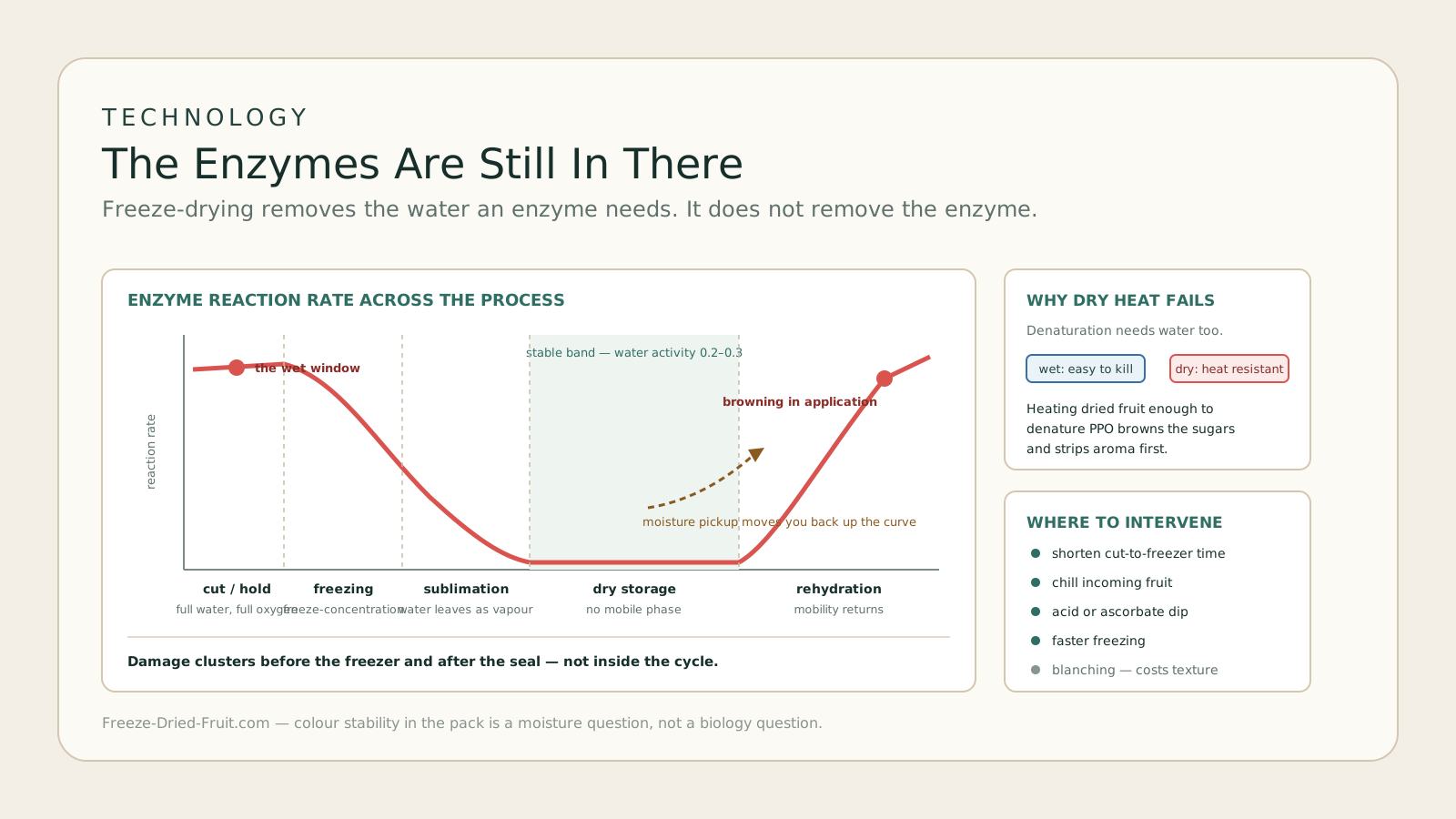
- Browning and texture are the main quality risks.
- Buyers should ask variety, ripeness target, peel status, and cut format.
Pear is quieter than apple, but that quietness is exactly why processing quality matters. For freeze-dried fruit buyers, pear is not just a flavor name. It is a practical set of decisions about raw material, cut format, texture, aroma, moisture control, breakage, and where the fruit belongs in a finished product.
Use this guide as a working field note. It is written for buyers, snack founders, product developers, and curious consumers who want to understand why one freeze-dried pear sample can feel vivid and another can feel flat.
Quick comparison: pear formats for freeze-drying
| Variety direction | Freeze-dried personality | Risk | Best use |
|---|---|---|---|
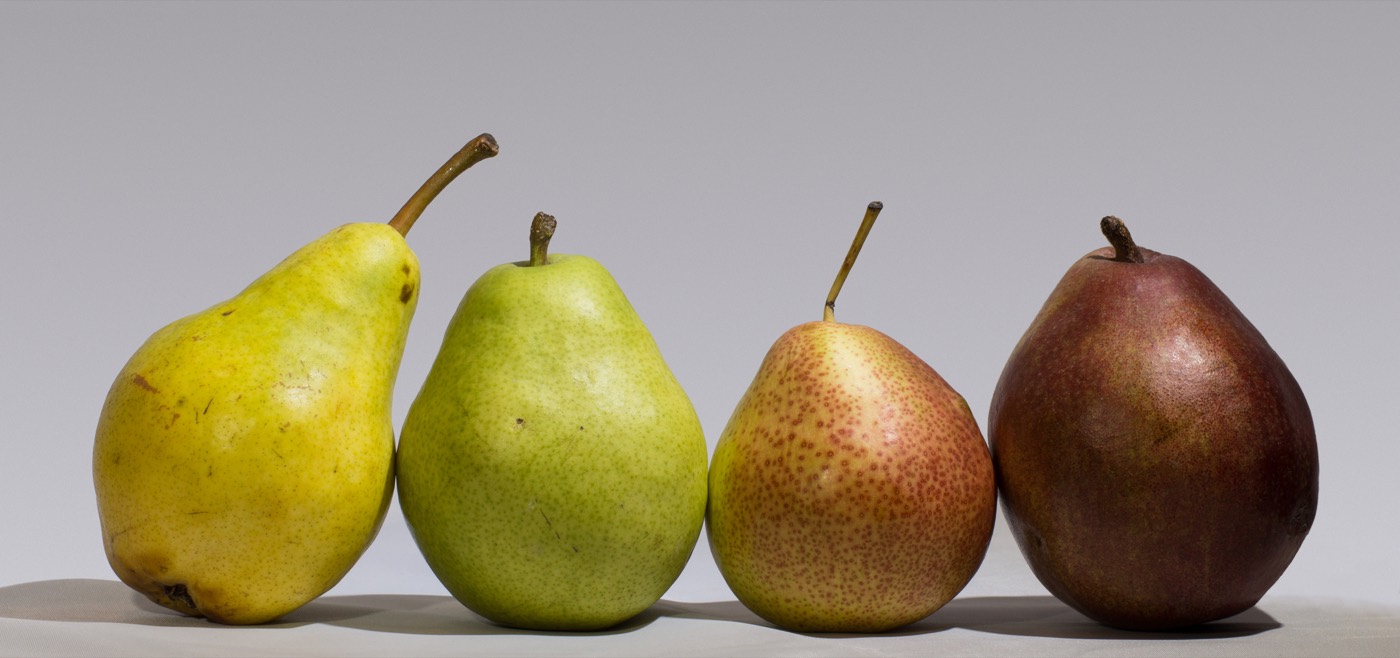
| Bartlett-style | Aromatic, soft, familiar | Collapse if over-ripe | Snack slices, powders |
| Bosc-style | Firmer, spiced, structured | Tougher texture | Slices, ingredient use |
| Asian pear | Crisp, juicy, clean | Mild flavor | Premium slices |
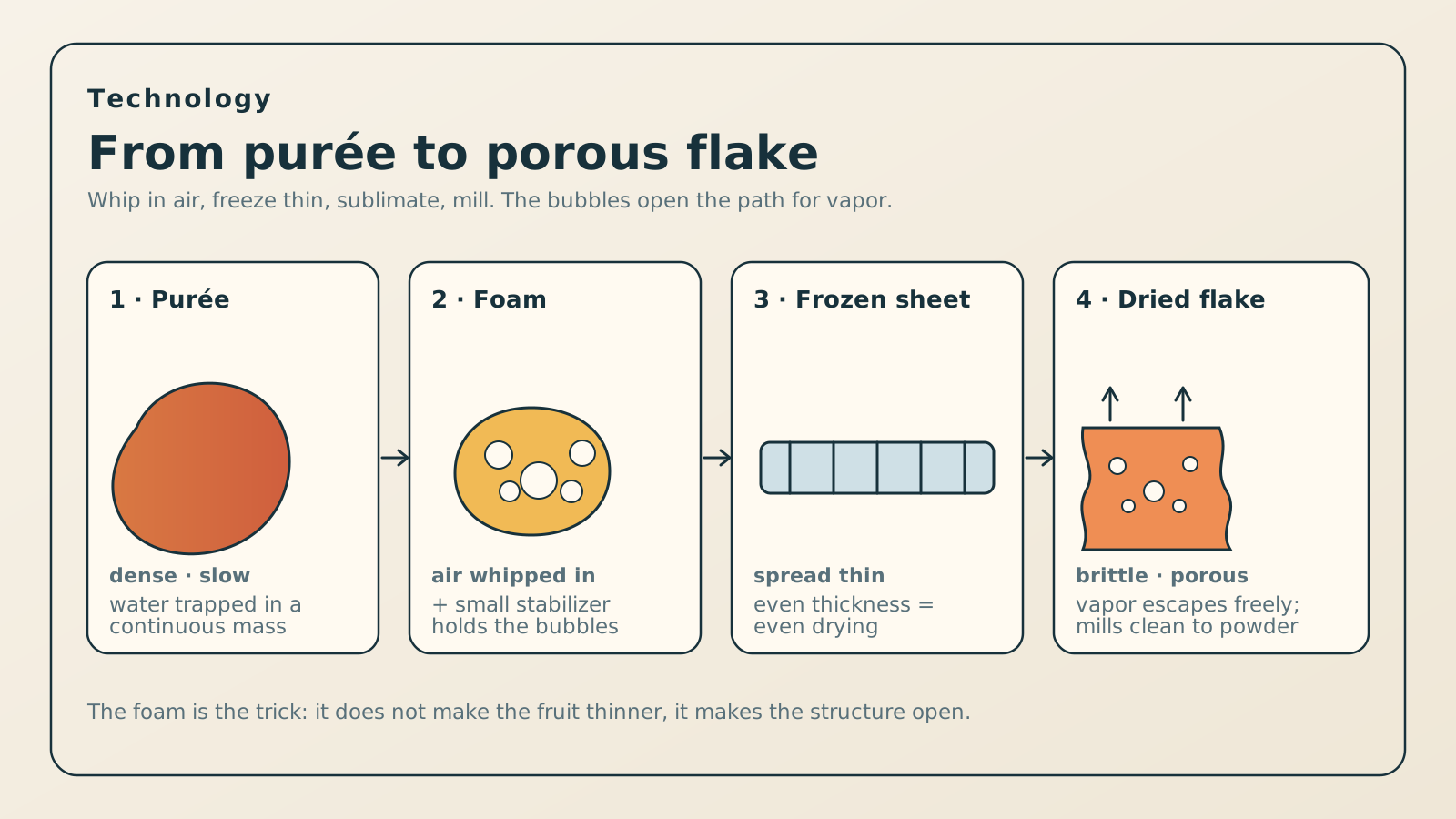
| Pear powder | Soft sweetness | Aroma loss | Fillings, bars, blends |
Why pear behaves the way it does
Pear has a soft aroma and a texture that can be buttery, grainy, or crisp depending on variety and ripeness. Freeze-drying preserves those differences. Over-ripe pear may collapse or brown; under-ripe pear may taste bland and hard. The grainy cells that make pear recognizable can be pleasant in moderation, but in a weak sample they can feel sandy. Pear needs careful maturity control because it lacks the loud acidity of berries or pineapple.
Freeze-drying removes water, but it does not erase the fruit's original structure. The strongest products begin with raw material that already has the right flavor, maturity, and texture for the intended format. A process can protect quality; it cannot invent it from weak fruit.
What quality looks like in the finished bag
A strong freeze-dried pear product usually shows these signals:
- Light pear aroma, not stale sweetness.
- Creamy color without heavy browning.
- Crisp bite with controlled graininess.
- Slice shape that holds together.
- Sweetness supported by enough acidity or aroma.
These signals should be judged against the format. Whole pieces, slices, dices, crumbles, powders, and flakes all have different expectations. The problem is not breakage by itself; the problem is promising one format and delivering another.
Sourcing reality
Pear buyers should ask about variety, ripeness at cutting, peel inclusion, anti-browning steps, and cut thickness. Pear can work beautifully in gentle fruit blends, breakfast toppings, and premium snack packs, but it needs protection from louder fruits that may overwhelm it.
Ask for variety or type, origin, raw material state, cut format, added ingredients, moisture or water activity target, expected breakage rate, and the best-use application the supplier designed the product for.
Best-use formats
For snack bags, pear needs to be recognizable and pleasant on its own. For toppings and foodservice, color, aroma, and piece behavior may matter more. For ingredient use, powder flow, caking risk, flavor concentration, and labeling matter most.
The best format is the one that lets pear do a clear job: brighten, sweeten, add acid, add color, carry aroma, create crunch, or make a blend feel more premium.
How to read a pear label
A useful label should tell you whether the product is plain fruit or formulated, whether it is sweetened, and what format is inside. If the label makes a premium claim, the sample should support that claim through color, aroma, texture, and consistency.
For buyers, the practical question is not simply whether freeze-dried pear is good. It is whether this version of pear fits the claim, price, and use case.
How pear compares
A quick reference for how pear sits alongside the freeze-drying personalities of its closest siblings.
| Fruit | Brix | Fiber | Aroma | Color stability | Breakage risk | Typical format |
|---|---|---|---|---|---|---|
| Pearthis report | 10–16° | Medium | Moderate | Poor | Medium | Slices · dices · powder |
| Apple | 12–18° | Medium | Moderate | Poor | Low | Slices · dices · powder |
Values are typical industry ranges. Variety, origin, harvest window, and process all shift them.
Conclusion
Freeze-dried pear works best when the fruit's natural strengths survive the process. That might be color, aroma, acidity, sweetness, seed pattern, or a specific kind of crunch.
When sourcing, start with the fruit's job in the final product. Then choose the format, specification, and supplier that protect that job.
Frequently Asked Questions
Why is pear harder to freeze-dry well than apple?
Pear is quieter than apple in aroma and acidity, which means weak raw material can disappear entirely after drying. Apple's stronger flavor character forgives more processing variation; pear's delicacy demands tighter maturity control and careful packaging to keep what little aroma the fruit carries. Quietness is exactly why pear processing quality matters.
Which pear variety freeze-dries best?
Bartlett-style pears bring familiar aromatic character — best for snack slices and powders, though over-ripe fruit collapses. Bosc-style pears are firmer and more structured with a slight spice note — good for slices and ingredient use. Asian pears are crisp and juicy with cleaner texture but milder flavor — work for premium slices. Pear powder concentrates soft sweetness for fillings, bars, and blends.
Why do freeze-dried pears sometimes feel grainy?
Pear flesh contains stone cells (sclereids) that produce a slight sandy texture — the same character that gives fresh pears their distinctive bite. In good freeze-dried product the grain reads as part of pear identity. In poor product where flavor has faded, the grain feels distracting. Slice thickness and ripeness control affect how prominent the texture becomes.
What's the best ripeness for processing pears into freeze-dried product?
Over-ripe pear may collapse or brown during processing; under-ripe pear tastes bland and stays hard after drying. The ideal window is just-ripe — soft enough to carry aromatic compounds, firm enough to slice cleanly and hold structure through the dryer. Premium suppliers select tightly within this window.
Should freeze-dried pears include the peel?
Depends on the format and claim. Peel adds visual identity and color but changes mouthfeel and can feel papery in some slice formats. Premium snack products often peel for a cleaner snap and uniform appearance; ingredient streams may leave the peel on for yield reasons. Either choice is valid — the spec should match the product positioning.
What pairs well with freeze-dried pear?
Pear works well in gentle fruit blends, breakfast toppings, and premium snack packs but needs protection from louder fruits that may overwhelm it. Strong partners like raspberry or mango can dominate; quieter partners like apple, cinnamon, vanilla, almond, or oat let pear's delicate aroma stay readable. Pair within pear's volume range.
What should buyers ask freeze-dried pear suppliers?
Ask variety (Bartlett, Bosc, Anjou, Asian pear, etc.), origin, ripeness at cutting, peel inclusion, anti-browning steps, cut thickness, target moisture or water activity, expected breakage rate, and whether the product is plain fruit or sweetened. For premium positioning the variety should be on the spec.