- Freeze-dried fruit garnishes work because they are vivid, intensely flavored, and shelf-stable, but they soften fast once they touch liquid or humid air.
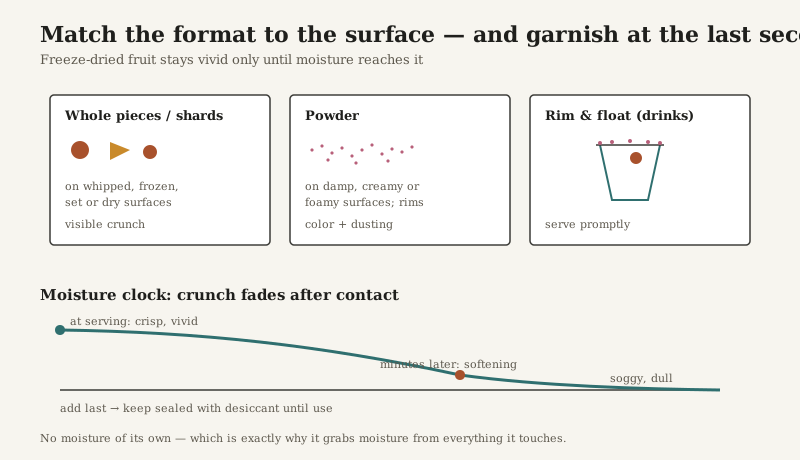
- Use whole pieces and shards as a last-second topping on dry or chilled surfaces, and use powder for rims, dusting, and color where contact with moisture is brief.
- Garnish at the moment of serving, not in advance, and keep the fruit sealed with desiccant until then to protect crunch and color.
- Match the format to the surface: powder clings to damp rims and creamy tops, while pieces sit best on whipped, frozen, or set surfaces that will not wet them through.
Freeze-dried fruit is one of the easiest ways to make a drink or dessert look and taste finished. The color is vivid, the flavor is concentrated, and the pieces are light enough to float, perch, or dust over almost anything. The one rule that governs all of it is moisture: freeze-dried fruit is crisp because nearly all its water is gone, which means it is also eager to take water back from any liquid or humid air it touches.
This article covers how to use the three useful formats, whole pieces, shards, and powder, and, more importantly, when to add them so they stay vivid instead of going limp.
The direct answer
Freeze-dried fruit works as a garnish because it brings intense color and flavor with no added moisture of its own, and it fails as a garnish when it sits on a wet or humid surface long enough to soften.
So the technique is mostly about timing and surface. Add the fruit at the moment of serving, place it on the driest or coldest surface available, and choose the format that matches that surface: powder for damp rims and creamy tops, pieces for whipped, frozen, or set surfaces. Keep everything sealed until the last second.
Why freeze-dried fruit makes such a good garnish
Three properties do the work. The color is bright and true because freeze-drying preserves pigment well. The flavor is concentrated because removing water leaves the fruit solids behind, so a small piece reads as strongly as a much larger piece of fresh fruit. And the pieces are extremely light, so they float on a cocktail, balance on foam, or scatter evenly without weighing a dessert down.
The same low-moisture state that delivers all of that is the vulnerability. The moment freeze-dried fruit meets liquid or steamy air, it begins to rehydrate, lose crunch, and eventually bleed color. Good garnishing is the art of getting the visual and flavor payoff before that happens.
Whole pieces and shards: texture you can see
Whole slices and broken shards are the choice when you want visible texture and a crisp bite.
They shine on surfaces that will not wet them through quickly: a cap of whipped cream, a scoop of ice cream, a frozen yogurt bark, a set mousse, or the dry edge of a plate. On these surfaces the fruit keeps its snap for a useful window. Pressed lightly into the surface, pieces stay put; scattered loosely, they read as effortless.
Floating a piece on a drink is effective but short-lived by design. A freeze-dried raspberry or apple slice on top of a cocktail looks beautiful and flavors the first sips, but it will soften within minutes. That is fine when the drink is served and enjoyed promptly; it is a poor idea for a drink that will sit.
A floating piece softening into the drink is not a failure if you intended a quick visual and a burst of flavor. Just do not expect it to stay crisp, and do not garnish drinks that will wait on a tray.
Powder: color, dusting, and rims
Ground into powder, freeze-dried fruit becomes a tool for color and even coverage rather than texture.
A light dusting over a custard, panna cotta, cheesecake, or latte foam adds a clean band of color and a bright top note. Because powder is fine, it spreads evenly and reads as intentional. Powder also clings to slightly damp or creamy surfaces that would not hold a whole piece, which makes it the better choice when the top of a dessert is moist.
The rim is the signature move for drinks. Grind the fruit fine, optionally cut it with a little sugar or salt depending on the drink, spread it on a shallow plate, moisten the glass rim with citrus or a damp cloth, and press the rim into the powder. Do this right before serving: the powder is hygroscopic and will clump, dissolve, or slide once it sits on a wet rim for long.
Timing and storage: the part that actually matters
Most garnish disappointments come down to two habits.
The first is garnishing too early. Freeze-dried fruit added minutes before service stays vivid; the same fruit added during prep and left to wait will soften from the moisture and humidity around it. Treat the garnish as the last step, applied as the plate or glass leaves your hands.
The second is poor storage between uses. Once a bag is open, the fruit competes with room humidity. Reseal tightly, keep the original desiccant or an oxygen absorber in with it, press out excess air, and store it cool and dry, away from steam and the humid zone near a stove or kettle. If pieces start to feel pliable instead of brittle, they have already taken on moisture; they will still taste good cooked into something, but they are past their best as a crisp garnish.
A quick matching guide
To decide format and placement fast, match the surface to the fruit:
- Whipped, frozen, or set and dry surface, want texture: whole pieces or shards, placed at service.
- Damp, creamy, or foamy surface, want color: powder, dusted at service.
- Glass rim: fine powder, optionally with sugar or salt, applied just before pouring.
- A drink meant to be enjoyed immediately: a floating piece for show and a flavor burst, understanding it will soften.
Bottom line
Freeze-dried fruit garnishes deliver color and concentrated flavor with no moisture of their own, which is exactly why they soften the moment they meet liquid or humid air. Use whole pieces and shards on dry, chilled, or whipped surfaces for visible crunch, and use powder for dusting, color, and rims where the surface is damp.
The whole game is timing and storage: keep the fruit sealed with desiccant, add it at the moment of serving, and let the payoff land before moisture catches up.
Frequently Asked Questions
Can you garnish a drink with freeze-dried fruit?
Yes. Freeze-dried fruit makes a vivid, flavorful garnish for cocktails, mocktails, and sparkling drinks. The key is timing: add it right before serving, because it softens quickly once it contacts liquid or sits in the humidity above a cold glass. Floating pieces, a rim of fruit powder, or a light scatter on foam all work well.
Will freeze-dried fruit get soggy on a dessert?
It will if it sits too long on a wet or warm surface. On chilled, set, frozen, or whipped surfaces it holds crunch longer, but moisture eventually migrates in. The reliable approach is to garnish at the moment of plating or serving rather than ahead of time, and to keep the fruit sealed until then.
How do you make a freeze-dried fruit rim for a glass?
Grind freeze-dried fruit into a powder, optionally blend it with a little sugar or salt, spread it on a shallow plate, moisten the rim of the glass with citrus or a damp cloth, and press the rim into the powder. Do this just before serving because the powder draws moisture and will clump or dissolve if it sits.
Should I use whole pieces or powder as a garnish?
Use whole pieces and shards when you want visible texture and a crisp bite on a dry, frozen, or whipped surface. Use powder when you want color, an even dusting, or a rim, or when the surface is damp. Powder clings to moist surfaces; pieces stay crispest on surfaces that will not soak them through.
How do I keep leftover freeze-dried fruit crunchy for garnishing?
Reseal it tightly with the original desiccant or an oxygen absorber, push out excess air, and store it cool and dry away from steam and humidity. Avoid leaving the bag open on a humid counter. Once pieces feel pliable rather than brittle, they have taken on moisture and are better used in cooking than as a crisp garnish.