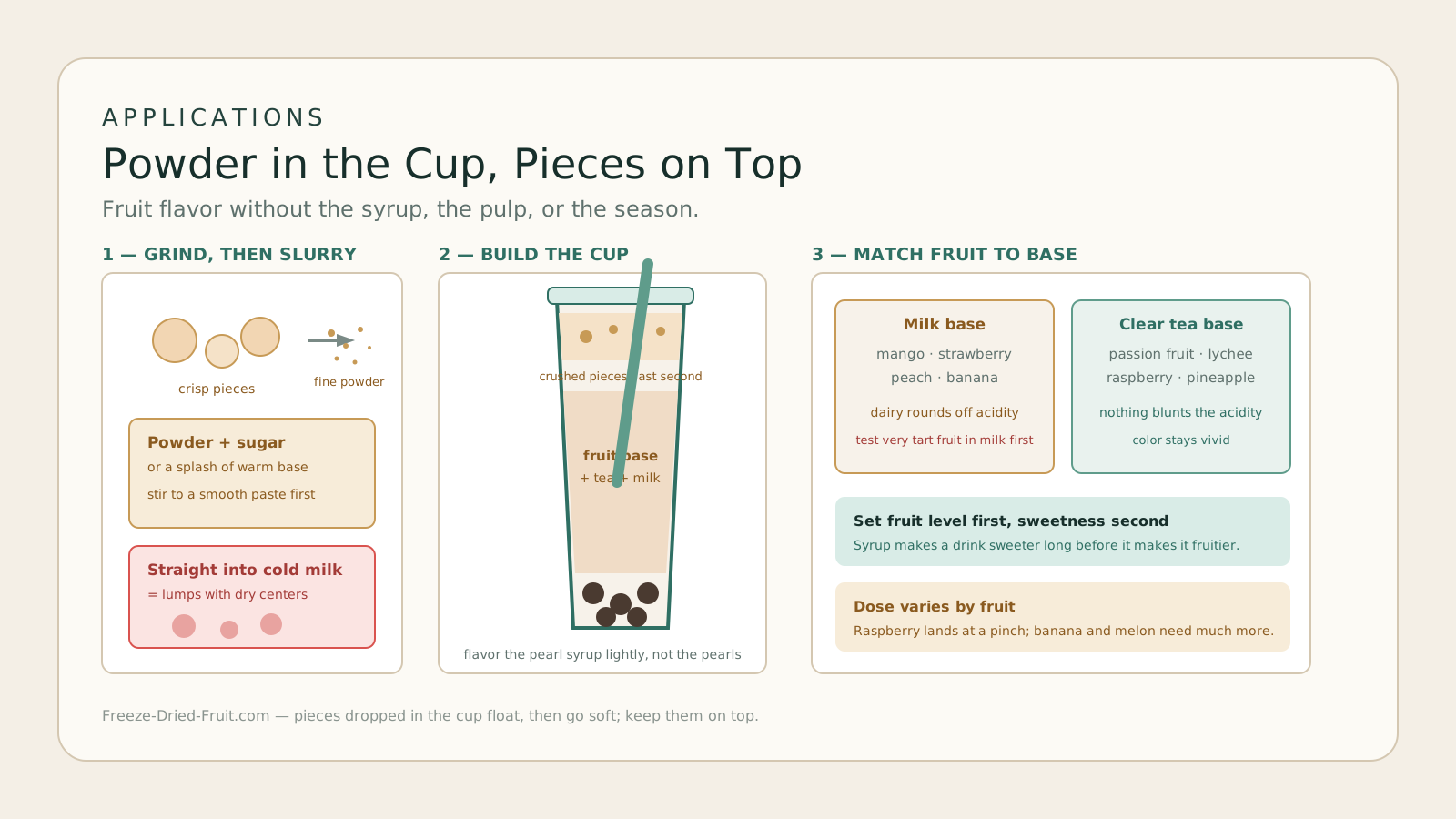
- Grind freeze-dried fruit into a fine powder and blend it into the milk or tea base rather than dropping pieces into the cup — powder disperses, colors, and flavors, while whole pieces mostly float and go soft.
- Because the powder brings flavor without water, you keep control of sweetness and strength separately: build the fruit level first, then adjust sugar, rather than relying on a sweetened syrup to carry both.
- Fine powder can clump when it hits cold liquid, so mix it with the sugar or a small amount of warm base into a smooth paste before adding the rest, and add any crisp fruit garnish at the last moment.
Fruit bubble tea has a structural problem. The fruit flavor usually arrives in a syrup, which means every increase in fruit intensity is also an increase in sugar and volume. Use fresh fruit instead and you get pulp, seasonality, and a drink that dilutes as the ice melts. Freeze-dried fruit sidesteps both because the flavor and the water have been separated already.
The direct answer
Grind freeze-dried fruit to a fine powder and disperse it into the base — the milk, the tea, or the sweetener — rather than dropping pieces into the finished cup. Powder carries concentrated flavor and color with essentially no water, so you set fruit intensity and sweetness independently. Mix the powder into the sugar or a little warm liquid to make a smooth slurry before adding cold liquid and ice, since fine powder clumps on contact with cold. Keep crisp pieces for the top of the cup, added at the last second.
Why powder and not pieces
Freeze-dried fruit is extremely porous and very light. Dropped into a cup, pieces float rather than sink, then gradually absorb liquid and turn soft. Within a couple of minutes you have limp fragments bobbing at the surface — not the crunch anyone was expecting, and not evenly distributed flavor either.
Ground fine, the same fruit does exactly what you want. It disperses through the liquid, gives up its color quickly, and flavors the whole drink rather than the top inch of it. A small spice grinder or a sealed bag and a rolling pin is enough; the goal is a powder without visible chunks.
Pieces still have a role. Crushed coarsely and scattered on the foam or cream cap right before serving, they stay crisp for the first stretch of the drink and give it a visible fruit signal. Add them at the moment of service, not in advance.
Building the drink: fruit first, then sugar
The reason syrup-based fruit teas so often end up cloying is that one ingredient is doing two jobs. Separating them is the main advantage of working with powder.
Build in this order. Establish the fruit level first by adding powder in small increments to a test cup and tasting until the fruit clearly reads against the tea and milk. Note the amount. Then adjust sweetness on its own, with whatever sweetener you normally use. What you end up with is a drink whose fruit intensity and sugar level can move independently — you can make a strongly fruity, only lightly sweet cup, which is nearly impossible when the fruit arrives as syrup.
Dosing varies a great deal by fruit. Raspberry, strawberry, and passion fruit assert themselves at small quantities. Banana, melon, and pear need noticeably more to be heard over milk. Write down what works per fruit rather than assuming a single spoon measure transfers.
Fine fruit powder wets from the outside in. Dumped into cold milk it forms lumps with dry centers that a shaker will not fully break up. Combine the powder with the dry sugar, or with a couple of tablespoons of warm milk, tea, or syrup, and stir to a smooth paste before adding the rest of the cold liquid and the ice. If you batch a fruit base for service, mixing the powder into the sweetener at the start makes this automatic.
Matching fruit to the base
The base changes which fruits work.
In milk-based fruit teas and fruit milks, the dairy or plant milk rounds off acidity and carries flavor well, so mango, strawberry, peach, and banana all perform. These are also the fruits people expect in a creamy drink, and their colors read clearly against a pale background.
In clear tea bases with no milk, tart and aromatic fruits carry better because nothing is softening them. Passion fruit, lychee, raspberry, and pineapple all keep their edge, and the color stays vivid in a translucent cup.
One caution when combining a strongly acidic fruit with dairy in quantity: acidity can affect the texture of a milk drink. If you are building a very tart milk-based fruit tea, test the combination at your intended dose before it goes on a menu.
The pearls
Tapioca pearls are a texture element, and the practical way to bring fruit into them is through the syrup they are held in rather than the pearls themselves. Dissolving a small amount of fruit powder into the holding syrup gives the pearls a light fruit note and a tint that carries into the drink. Keep the dose modest so the pearls complement rather than compete.
None of the usual pearl rules change. Cooked tapioca is at its best within a few hours and turns hard and unpleasant in the refrigerator, so the fruit powder is an addition to your normal timing, not a way to extend it.
A workable house method
Make a fruit base rather than dosing every cup by hand. Combine the fruit powder with your sweetener, work in a small amount of warm liquid until smooth, then dilute to a working concentration with the rest of the base. Keep it covered and cold, shake or stir before each pour, and treat it as a same-day preparation.
From there each drink is straightforward: measure the fruit base into the cup, add tea and milk, shake with ice, pour over the pearls, and finish with a scatter of crushed freeze-dried fruit on top just before it goes out. The fruit flavor is real, the sweetness is yours to set, and the mango tastes the same in February as it did in July.
Frequently Asked Questions
Why use freeze-dried fruit instead of fruit syrup or fresh fruit in bubble tea?
Each of the usual options forces a compromise. Fruit syrup carries flavor but also carries a large amount of sugar and water, so making the drink taste strongly of fruit means making it sweeter and thinner at the same time. Fresh fruit brings real flavor but also pulp, seeds, variable ripeness, and seasonal availability, and it dilutes the tea as it breaks down or melts with ice. Freeze-dried fruit separates the variables: the water is gone, so a powder delivers concentrated fruit flavor and strong natural color while you set the sweetness independently. It is also shelf-stable, which means a fruit you cannot get fresh in February behaves the same in the cup as it did in July.
Should I use powder or whole pieces in the drink?
Powder, for anything that goes into the liquid. Ground fine and dispersed into the base, freeze-dried fruit distributes evenly, releases its color quickly, and flavors the whole cup. Whole or broken pieces behave differently: they are extremely porous and low density, so they float on top, then slowly absorb liquid and turn soft rather than staying crisp. That is not a disaster, but it produces soggy fragments in the drink rather than the texture people expect. Save the pieces for the top of the cup, added right before serving, where they stay crisp long enough to be part of the first few sips.
How do I stop the powder from clumping when it hits cold milk?
Make a slurry first. Fine fruit powder is absorbent and will grab liquid at the surface of a clump faster than the inside can wet through, which is exactly how lumps form when you dump powder straight into a cold drink. The reliable fix is to combine the powder with the dry sugar first, or with a small quantity of warm milk, tea, or syrup, and stir it into a smooth paste before adding the remaining cold liquid and ice. A shaker or blender helps but is not a substitute for the slurry step. If you are batching a base ahead of service, mixing the powder into the sweetener at the start is the easiest workflow.
How much powder should I use per drink?
Start low and build, because concentration varies a lot by fruit. Intense fruits like raspberry, strawberry, and passion fruit register at small doses, while milder fruits like banana, melon, or pear need considerably more to be noticeable against milk and tea. A practical method is to make one test cup, add powder in small increments while tasting, and write down the amount that works for that specific fruit and base. Then keep sweetness as a separate adjustment. The mistake to avoid is chasing fruit flavor by adding more syrup, which makes the drink sweeter long before it makes it fruitier.
Does freeze-dried fruit work with milk-based drinks and with tea alone?
Both, though the fruit choice shifts. In milk-based fruit teas and fruit milks, richer, rounder fruits — mango, strawberry, banana, peach — read well because the dairy or plant milk softens acidity and carries the flavor. In clear tea bases without milk, tart and aromatic fruits like passion fruit, lychee, raspberry, and pineapple work better, since there is nothing to blunt them and the color stays vivid. One point of caution with dairy: very acidic fruit added to milk in quantity can affect the texture of the drink, so if you are building a strongly tart milk drink, test the combination before putting it on a menu.
Can I use freeze-dried fruit with the boba pearls themselves?
You can flavor the syrup the pearls sit in, which is the more reliable approach than trying to build fruit into the pearls. Cooked tapioca is usually held in a sugar syrup, and dissolving a little fruit powder into that syrup gives the pearls a light fruit note and tint that carries into the drink. Keep the dose modest, since the pearls are a texture element rather than the main flavor. Also note the pearls' own timing rules do not change: they are best within a few hours of cooking and go firm and unpleasant when refrigerated, so the fruit powder is an addition to that routine, not a way around it.