- Freeze-dried fruit ground to a fine powder adds real color plus a light matching flavor, but it is a pigment, not a dye, so shades read muted and natural rather than neon.
- Add the powder dry and sifted; because it is thirsty, too much can stiffen buttercream or dry out dough unless you compensate with a little fat or liquid.
- Different fruits behave differently: berries give strong pinks and purples, while some pigments dull or shift with heat and baking soda, so bright colors survive best in no-bake uses like frosting and icing.
- Start small, build color gradually, and expect the shade to deepen as it hydrates and rests.
Freeze-dried fruit is one of the most practical natural colorants you can keep in a home kitchen. It is already dry, intensely flavored, and full of the fruit's own pigment, so grinding it to a powder gives you a colorant that tints and lightly flavors at the same time — no synthetic dye required.
It is not a drop-in replacement for a bottle of food coloring, though. Fruit powder behaves like a pigment, not a liquid dye, and it is thirsty. Used well it produces beautiful, natural shades; used carelessly it can stiffen your buttercream or muddy your color. Here is how to get it right.
The direct answer
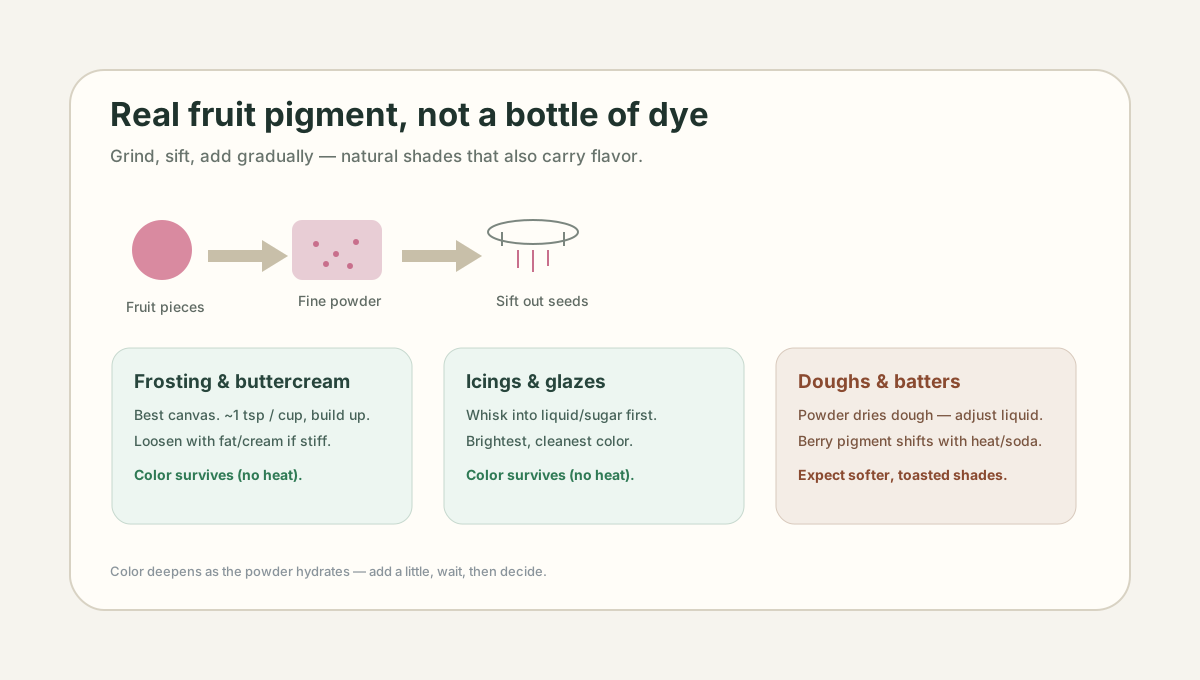
To use freeze-dried fruit as coloring, grind it to a fine powder, sift out seeds and lumps, and stir the dry powder into your frosting, dough, or icing a little at a time until the color builds. Expect natural, slightly muted shades rather than neon, and expect the powder to absorb moisture, so adjust fat or liquid if the texture tightens.
That is the whole method. The rest is knowing how different fruits and applications behave.
Why freeze-dried fruit works as a colorant
Freeze-drying removes almost all the water while leaving the fruit's pigment, flavor, and structure largely intact. What is left is a lightweight, porous solid that is essentially concentrated fruit. Grind it and you get a powder that carries real color per gram.
Two properties matter for coloring. First, the pigment is genuine fruit pigment, so the color reads natural — a strawberry pink, a blueberry violet, a mango gold — rather than the flat saturation of synthetic dye. Second, the powder is very hygroscopic. Because freeze-dried fruit is dry and porous, it grabs moisture eagerly, which is both useful (it disperses into wet mixtures) and a hazard (too much dries things out).
Step one: make a clean powder
Start by grinding the pieces to a fine powder in a spice grinder, blender, or clean coffee grinder. A finer grind means smoother color and no gritty specks.
Then sift. Many fruits leave seeds or fibrous bits — raspberry and strawberry seeds especially — that you do not want in a smooth icing. Pass the powder through a fine sieve and regrind or discard what stays behind. For most uses, sifted powder is the difference between speckled and smooth.
Coloring frosting and buttercream
Buttercream is the ideal home for fruit powder because it is a no-bake, fat-rich base that shows color well and keeps the flavor.
Add the sifted powder dry, a little at a time. A rough starting point is about a teaspoon per cup of frosting, then build up. Berries color strongly, so you will need less; milder fruits like banana or mango need more to shift the shade.
Watch the texture. The powder absorbs moisture from the buttercream, so heavier coloring can make it stiff and matte. If that happens, loosen it with a small amount of softened butter, cream, or milk until it pipes smoothly again. Let the frosting rest a few minutes after mixing — the color usually deepens as the powder fully hydrates, so it is easy to overshoot if you judge the shade instantly.
Fruit powder keeps developing color for a few minutes after you mix it in. Add a little, wait, then decide. This prevents the common mistake of dumping in too much, stiffening the frosting, and ending up with a dense, over-flavored result you cannot easily reverse.
Coloring icings and glazes
Royal icing and simple sugar glazes take fruit powder well and stay bright because they are not heated. Whisk the sifted powder into the sugar or liquid portion before combining, so it disperses evenly instead of clumping.
Because these icings are thinner, the moisture math is gentler than with buttercream, but the powder can still thicken a glaze slightly. Adjust with a few drops of liquid to keep it pourable. Berry powders give the cleanest, most vivid results here — this is where natural fruit color looks its best.
Coloring doughs and batters
Doughs are trickier for two reasons: moisture and heat.
On moisture, adding several tablespoons of thirsty powder to a dough can dry it out and change the crumb. Compensate by reducing another dry ingredient slightly or adding a touch of liquid or fat, and treat the powder as part of the recipe rather than a free addition.
On heat, this is where natural color meets its limits. Many bright fruit pigments — especially the anthocyanins in berries — are sensitive to heat and to pH. In a hot oven, or alongside an alkaline ingredient like baking soda, those pigments can dull, brown, or shift toward gray-blue. That is chemistry, not a defect. Expect baked results to look softer and more toasted than the raw dough did. If you want a vivid baked color, lean on the frosting or icing on top rather than the dough itself.
Which fruits give which colors
A rough guide for planning:
- Strawberry, raspberry, cherry: strong pinks to deep red; excellent in no-bake uses, less reliable when baked.
- Blueberry, blackberry: violets and purples; beautiful in icing, prone to shifting with heat and baking soda.
- Mango, pineapple, banana: warm yellows and golds; milder color, so use more, and generally more heat-tolerant than berries.
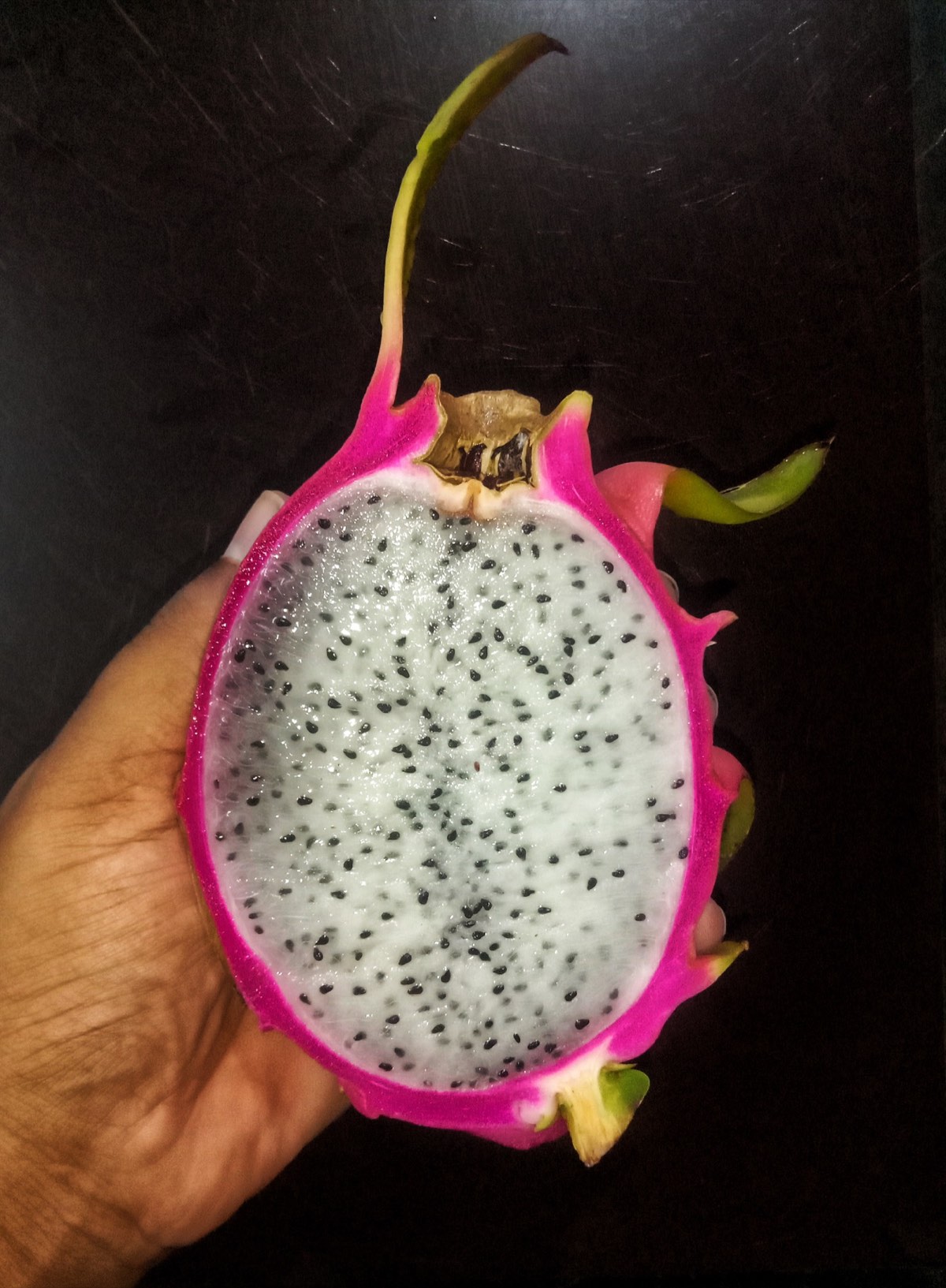
- Dragon fruit: vivid magenta from the red-fleshed type, but heat-sensitive, so best used cold.
Match the fruit to the job: berries for the boldest cold colors, tropical fruits for warm tones and better baking behavior.
Practical cautions
A few things to keep in mind. Fruit powder always brings flavor along with color, so a heavily colored frosting will taste distinctly of that fruit — usually a bonus, occasionally a clash. Store any leftover powder in a sealed, airtight container away from humidity, because it cakes quickly once exposed to air. And keep expectations realistic: this is natural, muted color, which is exactly its appeal for people avoiding synthetic dyes, but it will not match a neon bottle.
Bottom line
Freeze-dried fruit makes an excellent natural colorant if you treat it as a concentrated, thirsty pigment rather than a liquid dye. Grind it fine, sift it, add it gradually, and adjust moisture as you go. Save your brightest colors for no-bake frostings and icings where the pigment survives, use warmer tropical fruits when heat is involved, and enjoy the built-in flavor that comes with real fruit color.
Frequently Asked Questions
How do I turn freeze-dried fruit into food coloring?
Grind the pieces to a fine powder in a blender or spice grinder, then sift out any seeds or lumps. Add the sifted powder to your frosting, dough, or icing gradually until you reach the shade you want. The powder colors and lightly flavors at the same time.
Will the colors be as bright as store-bought dye?
Usually not. Freeze-dried fruit provides real pigment, so colors read as natural and slightly muted — soft pinks, berry purples, warm oranges — rather than the intense, saturated tones of synthetic dyes. Berries give the strongest color per gram.
Does adding fruit powder change the texture?
It can. Freeze-dried fruit powder is very absorbent, so large amounts can stiffen buttercream or dry out dough. Add it gradually and, if needed, loosen frosting with a little extra fat or liquid, or slightly reduce dry ingredients in a dough.
Do the colors survive baking?
It varies by fruit. Some pigments dull, brown, or shift with oven heat and with alkaline ingredients like baking soda. Bright, true colors survive best in no-bake applications such as buttercream, royal icing, and glazes. For baked goods, expect softer, toasted-looking shades.
How much powder should I use?
Start with about a teaspoon per cup of frosting and build from there; berries need less, milder fruits need more. Because color deepens as the powder hydrates, wait a few minutes before deciding whether to add more.
Primary sources & further reading
- Freeze-Drying of Plant-Based Foods Foods / PubMed Central Referenced for the concentrated pigment and hygroscopic, porous nature of freeze-dried fruit that makes it both colorful and moisture-absorbing.
- Anthocyanins as Natural Food Colorants Molecules / PubMed Central Referenced for the sensitivity of berry pigments (anthocyanins) to heat and pH, which explains color shifts in baking and with alkaline ingredients.
- Water Activity in Foods: Fundamentals and Applications USDA Agricultural Research Service Referenced for the moisture-absorbing behavior of low-water-activity powders and its effect on mixtures.
External links open in a new tab. We do not receive compensation from any organization listed; sources are referenced because they are primary, current, and publicly verifiable.