- Freeze-dried fruit rehydrates in the same hot water that cooks an instant noodle or congee cup, so it needs no separate prep.
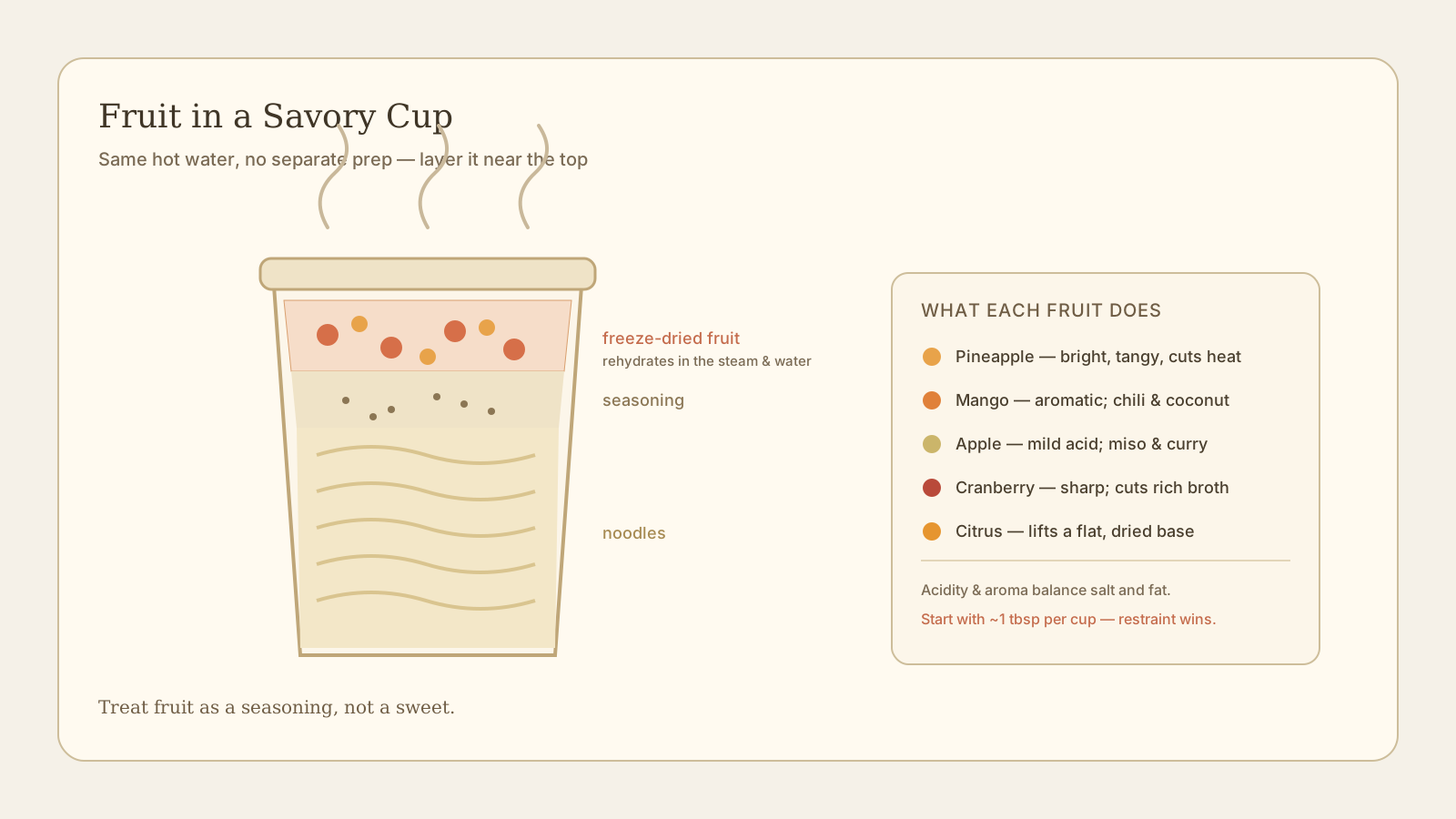
- Tart and aromatic fruits — pineapple, mango, apple, cranberry, citrus — do more for a savory bowl than sweet berries, because acidity and aroma balance salt and fat.
- Add fruit toward the end or with the hot water so it softens without turning to mush, and use small pieces or a light crush for even distribution.
- Start with a small amount; a little fruit reads as brightness and depth, while too much tips the bowl toward dessert.
Freeze-dried fruit has a fixed reputation: yogurt bowls, oatmeal, smoothies, trail mix. All sweet, all breakfast, all obvious. But the property that makes it good in those places — near-instant rehydration in water — is exactly what a savory instant meal needs, and almost nobody uses it there.
An instant noodle cup, a congee pot, a couscous or grain cup: each is really just dried components waiting for hot water. Freeze-dried fruit slots into that system with no extra effort, and in the right amount it does something dried vegetables cannot.
Why fruit belongs in a savory bowl
The instinct that fruit is "sweet" and noodles are "savory" misses how flavor balance actually works. A good savory bowl is not only salty and rich; it is usually balanced by something acidic and aromatic. Think of the lime wedge on a bowl of pho, the tamarind in a sour soup, the pineapple in a spicy stir-fry. Acidity cuts through salt and fat, and aroma adds a top note that flat dried seasoning lacks.
Freeze-dried fruit delivers both. Because all the water has been removed, the acidity and aroma are concentrated, so a small amount reads clearly even against a strong broth. Tart fruits in particular behave less like dessert and more like a seasoning.
Which fruits actually help
Not every fruit earns its place in a savory cup. The ones that do tend to be acidic, aromatic, or both:
- Pineapple — bright, tangy, and at home in spicy and Southeast Asian flavor profiles.
- Mango — sweet but aromatic; works with chili, lime, and coconut-leaning broths.
- Apple — mild acidity and a clean aroma that suits curry, miso, and pork-style seasonings.
- Cranberry — sharp and tart, good against rich or fatty broths.
- Citrus segments — orange or mandarin add lift the way a squeeze of juice would.
Fruits to use sparingly or skip: delicate berries like raspberry tend to dissolve into color and sweetness rather than holding as a note, and very sweet, low-acid fruit like banana rarely improves a savory bowl. The rule of thumb is that if the fruit's main contribution is sweetness alone, it fights the dish; if it brings acidity or aroma, it helps.
How to add it without making mush
Freeze-dried fruit rehydrates fast, which is a strength and a risk. Add it at the wrong time and it can go from crisp to disintegrated. A few practical habits keep it in the sweet spot:
- Add with the hot water, not before a long simmer. In a stovetop congee or noodle pot, stir the fruit in near the end so it softens without breaking apart. In a pour-and-steep cup, layer it near the top with the seasoning packet contents.
- Size the pieces to the bowl. Whole freeze-dried slices can be too large and rehydrate unevenly. A light crush, or buying diced pieces, spreads the fruit through the noodles so every few bites carry a little.
- Let it steep with the lid on. The same three-to-five-minute covered steep that finishes the noodles rehydrates the fruit. Uncover, stir, and taste before adding anything else.
A pinch of freeze-dried fruit powder — pineapple, mango, or citrus — stirred into the broth acts almost like a souring agent, adding tang without visible pieces. It is an easy way to get the acidity benefit in a bowl where you do not want chunks of fruit floating on top.
A few combinations to start with
These are starting points, not rules. Adjust to the seasoning base you have:
- Spicy chili noodle cup + crushed freeze-dried pineapple: the tang lifts the heat and adds a sweet-sour edge.
- Miso or soy noodle bowl + diced freeze-dried apple: mild acidity rounds out the salt.
- Coconut-curry noodle cup + freeze-dried mango: aroma reinforces the tropical base.
- Savory oat or congee cup + freeze-dried cranberry: tartness cuts a rich, starchy bowl.
- Grain or couscous cup + freeze-dried citrus segments: brightens an otherwise flat dried-grain base.
Start with about a tablespoon of pieces per serving and adjust upward only if the bowl reads flat. It is easier to add more next time than to rescue a broth that has tipped sweet.
Why this works for meal prep and travel
Beyond flavor, the format is convenient in exactly the situations instant meals are built for. Freeze-dried fruit is shelf-stable, light, and does not need refrigeration, so it packs alongside noodle cups for travel, office drawers, dorm shelves, or a camp kit without adding fuss. There is no chopping, no spoilage, and no separate cooking step. You are adding a spoonful of dry fruit to a cup that already relies on dry components and hot water.
That same practicality is why it suits batch meal prep: pre-portion fruit into small bags or into the top of jarred noodle or grain cups, and the flavor upgrade is built in and waiting.
Bottom line
Freeze-dried fruit escapes the breakfast bowl the moment you treat it as a seasoning rather than a sweet. In an instant noodle cup, congee, or savory grain meal, tart and aromatic fruits like pineapple, mango, apple, cranberry, and citrus add the acidity and aroma that balance salt and fat — and they rehydrate on the same hot-water timeline as the meal itself.
Add a small amount with the hot water, keep the pieces bowl-sized, and taste before you add more. Used lightly, fruit reads as brightness and depth; used heavily, it tips toward dessert. The skill is entirely in the restraint.
Frequently Asked Questions
Does freeze-dried fruit need to be cooked separately for a noodle cup?
No. That is the main advantage. Freeze-dried fruit rehydrates in hot water within a few minutes, on the same timeline as an instant noodle or congee cup. You add it dry, pour the hot water over everything, cover, and let it steep along with the noodles and seasoning.
Which fruits work in savory bowls and which do not?
Acidic and aromatic fruits do the most work: pineapple, mango, apple, cranberry, and citrus segments add brightness that cuts salt and fat. Sweet, delicate berries can work as an accent but tend to dissolve into color and sweetness rather than holding as a distinct note. Very sweet, low-acid fruit like banana rarely helps a savory bowl.
How much should I add?
Start small — roughly a tablespoon of pieces per cup — and adjust. Freeze-dried fruit is intense because all the water is gone, so a little delivers noticeable acidity and aroma. Too much shifts the balance toward sweet and can make the broth cloying.
When in the process should the fruit go in?
Add it with the hot water rather than at the very start of any stovetop simmer, so it softens without disintegrating. In a pour-and-steep cup, layer it near the top with the seasoning so it rehydrates in the steam and water rather than sitting compressed at the bottom.
Are these combinations traditional?
Some are: sweet-tart fruit alongside savory and spicy food appears across many cuisines, from pineapple in Southeast Asian dishes to sour fruit in hot-and-sour profiles. Using freeze-dried fruit is a convenience shortcut to that balance, not a claim that any specific pairing is authentic to a particular tradition.