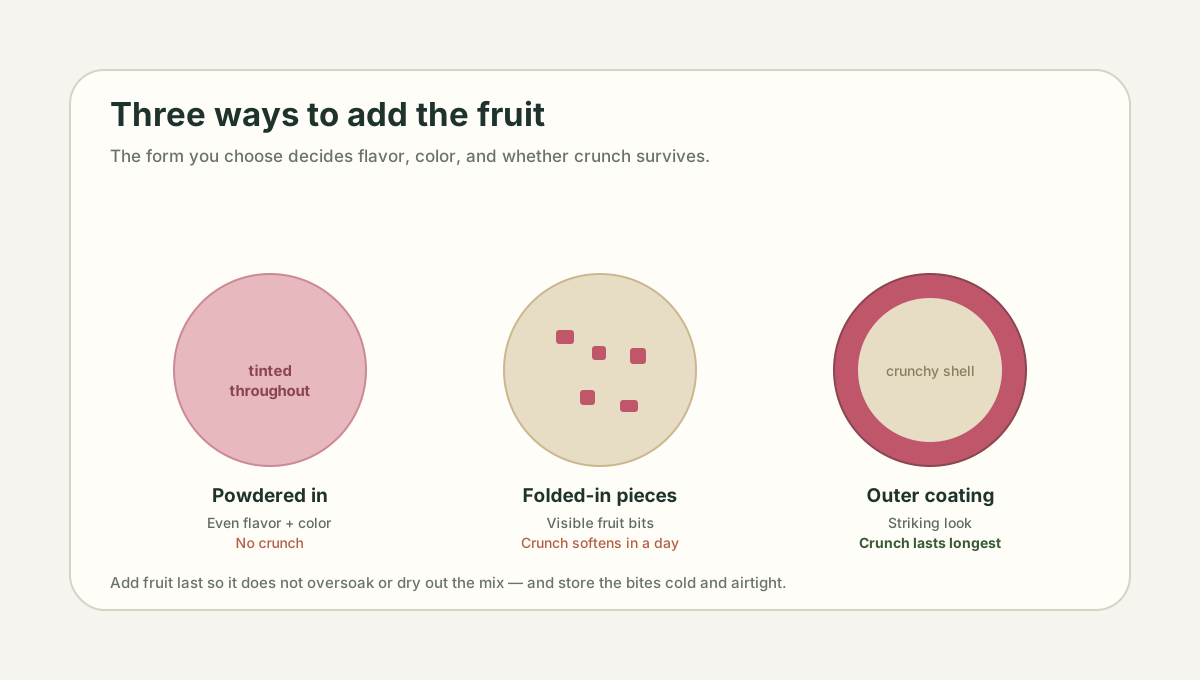
- Crush freeze-dried fruit to powder when you want flavor and color throughout the mix; keep it in pieces when you want visible bits and pockets of crunch.
- Because freeze-dried fruit is dry, it soaks up moisture from dates, nut butter, and syrup, so add it last and expect any exposed crunch to soften within a day.
- Fold larger pieces in at the very end and roll gently to keep them from shattering into dust.
- For lasting texture, use freeze-dried fruit as an outside coating rather than mixing it in, and store the balls cold and airtight.
No-bake energy balls are a forgiving recipe with one recurring problem: the fruit. Add fresh berries and the mix turns to paste. Add chewy dried fruit and the flavor muddies into generic sweetness. Freeze-dried fruit solves both, because it brings concentrated, recognizable fruit flavor and vivid color while staying bone dry. But using it well is not just tossing it in. The form you use it in, and when you add it, decide whether you get bright flavor throughout, visible fruit bits, or a genuine crunch that survives to the next day.
The direct answer
Use freeze-dried fruit in energy balls in one of three deliberate ways: crushed to powder for even flavor and color through the whole mix, kept in pieces and folded in at the end for visible fruit and pockets of crunch, or pressed onto the outside as a coating when you want the crunch to last. Because the fruit is dry and porous, anything mixed into the wet interior will soften within a day, so texture and timing are the two things to plan around.
Why freeze-dried fruit behaves differently in the bowl
Freeze-drying leaves fruit with an open, porous structure and very little moisture, which is exactly why it snaps and why it tastes so concentrated. That same dryness makes it thirsty. Placed against moist ingredients, dates, nut butter, honey, maple syrup, it draws their moisture in. FDA's water-activity guidance describes the general rule at work here: dry, low-water-activity foods pull moisture from higher-moisture ingredients they sit next to.
For energy balls this cuts two ways. The good side is that freeze-dried fruit adds flavor and color without adding wetness, so your mix stays rollable. The catch is that the crunch is temporary once the fruit is buried in the mix. Understanding that trade lets you choose your approach on purpose instead of being disappointed by it.
Three ways to use it, and what each gives you
Powdered through the mix
Crush the freeze-dried fruit to a powder, in a bag with a rolling pin or a quick pulse in a grinder, and work it into the base along with your dry ingredients. The powder disperses completely, so every bite carries the fruit flavor and the color tints the whole ball. Raspberries and strawberries turn a plain oat-and-date mix pink; mango warms it gold. This is the route for consistent flavor rather than texture, since powder dissolves into the binder and leaves no crunch behind.
Folded in as pieces
Keep the fruit in small pieces and fold them in at the very end, after the mix is already bound. You get visible flecks of fruit and short-lived pockets of crunch. Two cautions: fold gently, because pieces shatter into dust if you overwork them, and add them last, because the longer they sit in the wet mix the faster they soften.
Pressed on as a coating
Keep the crunchy fruit on the outside. Roll finished balls in crushed freeze-dried fruit so the pieces only touch the surface, not the wet interior. A coating stays crisp far longer than anything folded in, and it looks striking.
Coating is the only method that reliably preserves crunch, because the fruit is not surrounded by moisture on all sides. It also doubles as decoration. The downside is that a coating still softens eventually, especially at room temperature, so it rewards cold, airtight storage.
Timing and binding: add fruit last
Freeze-dried fruit absorbs moisture and contributes no binding of its own, so it can tip a mix from "just right" to "too dry to roll." The fix is order of operations. Get the base to a texture that already holds together, then add the fruit. If the mix crumbles afterward, work in a little more nut butter or a teaspoon of syrup or water until it rolls cleanly. Adding the fruit near the end also means it spends the least possible time soaking before you shape and chill the balls.
Matching the fruit to the job
Not every fruit does every job equally:
- Strawberries and raspberries crush to powder easily and bring tartness that cuts the sweetness of dates and nut butter. Great powdered into the base or as a bright coating.
- Cherries and blackberries give deep color and a fuller, less sharp tartness.
- Bananas and mangoes read sweeter and milder, good when you want fruit flavor without acidity; banana pieces also hold their shape well when folded in whole.
- Pineapple adds a sharp tropical note but is quite acidic, so use it as an accent rather than the main fruit.
A common, reliable combination is a tart fruit powdered into the mix for all-over flavor plus a coating of the same fruit for looks and a bit of surface crunch.
Storage: cold, airtight, and soon
Because the fruit keeps trying to draw moisture, finished balls are happiest cold and sealed. Refrigerate them in an airtight container, and if you made a crunchy coating, know that it is at its best in the first day or two. Freezing is an option for longer keeping, though the coating softens once thawed. If lasting crunch matters for a particular occasion, coat the balls close to when you plan to serve them rather than days ahead.
The practical takeaway
Freeze-dried fruit is the cleanest way to get real fruit flavor into no-bake energy balls without the sogginess of fresh or the heaviness of dried, as long as you use it deliberately. Powder it for even flavor and color, fold pieces in at the end for visible fruit and brief crunch, or coat the outside when you want the crunch to last. Add it late so it does not dry out or oversoak the mix, match tart fruits like strawberry and raspberry against sweet dates and nut butter, and store the finished bites cold and airtight. Plan around the fruit's thirst rather than fighting it, and it earns its place in the recipe.
Frequently Asked Questions
Should I powder the freeze-dried fruit or leave it in pieces?
Powder it when you want even flavor and color through the whole ball, since powder disperses and dissolves into the binder. Leave it in pieces when you want visible fruit and little pockets of crunch. Many people use both: some powdered into the base and a few pieces folded in at the end.
Why does the crunch disappear after a day?
Freeze-dried fruit is porous and dry, so it pulls in moisture from the wet ingredients around it, dates, nut butter, honey, or maple syrup. Any fruit fully surrounded by the mix will soften as it absorbs that moisture. It still tastes good; it just is not crunchy anymore.
How do I keep some crunch in the finished bites?
Keep the fruit on the outside. Crush freeze-dried fruit and roll the finished balls in it as a coating, so the crunchy pieces are only touching the surface rather than sitting in the wet interior. Storing the balls cold and airtight slows the softening further.
Will freeze-dried fruit make the mix too dry to hold together?
It can, because it absorbs moisture and adds no binding of its own. If the mix crumbles after you add it, work in a little more nut butter or a teaspoon of syrup or water until it rolls cleanly again. Add the fruit toward the end so you can judge the final texture.
Which fruits work best?
Strawberries, raspberries, and cherries give strong color and tartness that balances sweet dates and nut butter. Bananas and mangoes read sweeter and milder. Raspberries and strawberries crush to powder easily; firmer pieces like banana chips hold their shape better when folded in whole.
Primary sources & further reading
- Freeze-Drying of Plant-Based Foods Foods / PubMed Central Referenced for the porous, low-moisture structure of freeze-dried fruit that makes it readily reabsorb moisture from its surroundings.
- Water Activity and Food Stability U.S. Food & Drug Administration Referenced for the general principle that dry, low-water-activity foods draw moisture from higher-moisture ingredients they are mixed with.
External links open in a new tab. We do not receive compensation from any organization listed; sources are referenced because they are primary, current, and publicly verifiable.