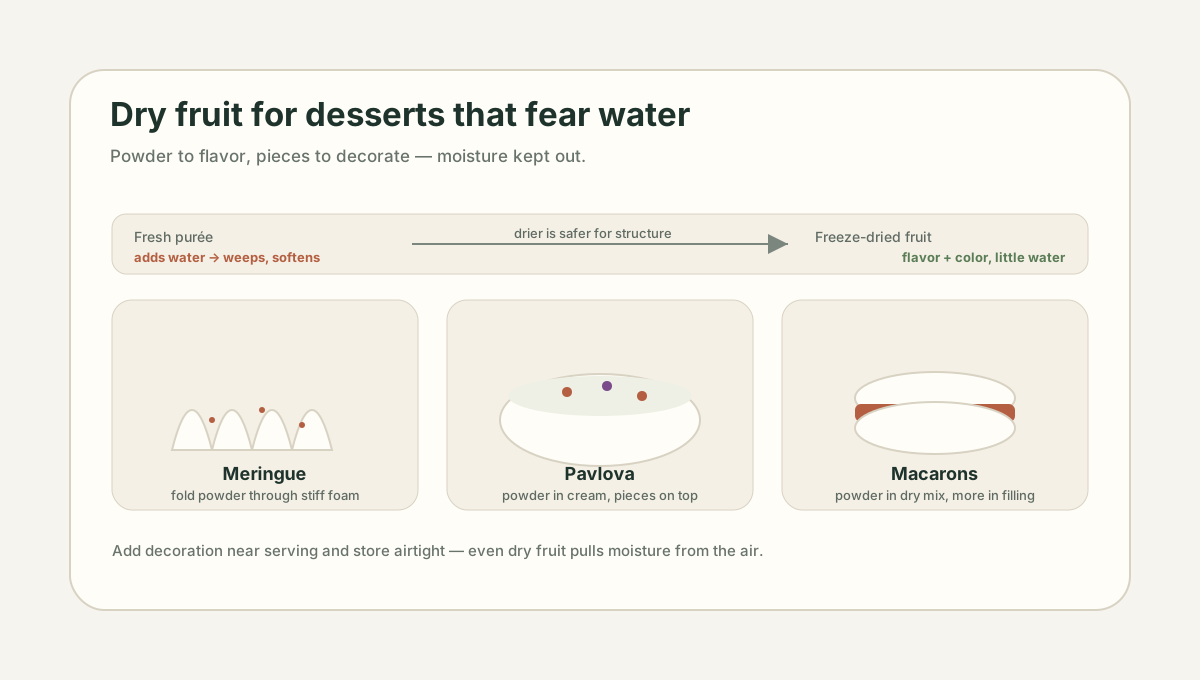
- Meringue, pavlova, and macarons depend on dryness for structure, so freeze-dried fruit is a better flavoring than fresh purée, which adds water that softens or weeps.
- Use freeze-dried fruit as a fine powder for folding into batter or shells, and as small pieces for surface decoration that stays crisp.
- Add powder in small amounts and keep humidity low; even dry fruit will draw moisture from the air and from the meringue over time.
- For macarons, treat fruit powder as part of the dry ingredients and adjust gently, since the almond-to-sugar balance is what makes shells work.
Meringue desserts have a single non-negotiable rule: keep water out. A crisp pavlova shell, a clean macaron foot, a meringue kiss that shatters cleanly all depend on a structure built from whipped egg white and sugar that has been dried, not dampened. The moment you introduce fresh fruit or a purée, you fight that rule, and the fruit usually wins by softening and weeping into the foam.
This is exactly the problem freeze-dried fruit was made to solve. With the water removed, it carries concentrated flavor and bright color into the dessert without the moisture that would undermine it. Used thoughtfully, it lets you put real raspberry, strawberry, or passion fruit into a meringue and keep the snap.
The direct answer
Use freeze-dried fruit in meringue, pavlova, and macarons as a dry flavoring and decoration: grind it to a fine powder to fold into batter, shells, or fillings, and use small pieces to decorate surfaces. Because these desserts fail when they pick up moisture, dry fruit is the right tool where fresh fruit is the wrong one. Keep additions modest and the kitchen dry, and you get fruit flavor without sacrificing structure.
Why fresh fruit fights these desserts
Whipped egg white sets into a stable foam when the sugar dissolves and the structure dries, whether through a long low bake for pavlova and meringue or through resting and baking for macaron shells. Water is the enemy of that set. A spoon of fresh purée folded into meringue adds free moisture that thins the foam, encourages weeping (those sugary beads that form on baked meringue), and can leave the interior gummy instead of marshmallowy or crisp.
Freeze-dried fruit sidesteps all of this. It is fruit with the water taken out, so it brings the taste and pigment while leaving the moisture balance largely intact. That single difference is why it belongs in this category of dessert.
Powder for flavor, pieces for decoration
Think of freeze-dried fruit in two forms, each with a job:
- Fine powder distributes flavor and color evenly. Grind pieces in a clean dry grinder or crush them and sift out any seeds or coarse bits. Powder folds into meringue, into macaron shell mixes, and into the whipped cream or buttercream that fills these desserts.
- Small pieces and shards are for the surface. Scattered on a pavlova or pressed onto a macaron, they add a pop of texture and a visual cue to the flavor, and they stay crisp because they are dry.
For fillings, powder is especially useful: it flavors whipped cream or buttercream intensely without the liquid that a fresh-fruit filling would shed into the shell.
Even freeze-dried fruit is hygroscopic — it pulls moisture from the air. Add surface decoration close to serving, and store finished meringues airtight, or the crisp pieces will soften over time.
Working it into meringue and pavlova
For meringue kisses and pavlova, the gentlest approach is to fold a little fruit powder through the finished, stiff meringue rather than beating it in early. A light fold streaks color through without knocking out too much air or introducing graininess. Keep the amount small; a tablespoon or two of powder flavors a batch noticeably, and overloading can weigh down the foam or dull the texture.
The low, slow bake that pavlova and meringue need also protects the fruit. Because the oven stays gentle, the powder's color tends to hold rather than scorch. If you find colors dulling, a slightly lower temperature usually helps both the meringue's whiteness and the fruit's brightness.
After baking, a pavlova is often finished with whipped cream. This is a natural place for fruit powder: fold it into the cream for an even tint and flavor, then top with a few dry fruit pieces for contrast. Adding the pieces just before serving keeps them crisp against the soft cream.
Working it into macarons
Macarons are less forgiving because the shell depends on a precise balance of almond flour, powdered sugar, and meringue. Treat freeze-dried fruit powder as part of the dry ingredients and add it modestly. A small spoonful sifted in with the almond flour and sugar can flavor and tint the shells, but a heavy hand changes the dry-ingredient ratio and can affect how the shells spread, set, and form their feet.
If you want stronger fruit character without risking the shells, put more of the fruit into the filling. A fruit-powder buttercream or ganache carries bold flavor while the shells stay structurally simple. Many bakers tint shells lightly and let the filling do the heavy lifting on taste.
Keeping the crisp after you add fruit
Moisture management does not end at the oven. A few habits protect the result:
- Work in a low-humidity kitchen when you can; damp days are hard on all meringue work.
- Store finished meringues and macaron shells airtight, away from humid air.
- Add dry fruit decoration as near to serving as practical.
- Keep spare fruit powder sealed, since an open jar will cake as it absorbs moisture.
These are the same instincts that make any meringue project succeed; freeze-dried fruit simply fits inside them instead of working against them.
The practical takeaway
Meringue, pavlova, and macarons reward dryness, and freeze-dried fruit is dry fruit, which makes it the right way to add real fruit flavor and color where fresh fruit would weep and soften. Use a fine powder to flavor and tint batter, shells, and fillings, and small crisp pieces to decorate surfaces near serving time. Keep additions modest, especially in macaron shells where ratios matter, and manage humidity from mixing through storage. Done that way, you get the brightness of fruit and keep the clean, crisp structure these desserts are prized for.
Frequently Asked Questions
Why use freeze-dried fruit instead of fresh in meringues?
Because meringue, pavlova, and macarons rely on being dry to hold their structure. Fresh fruit and purées add water that softens the foam, causes weeping, and can collapse the crisp shell. Freeze-dried fruit delivers concentrated flavor and color with very little moisture.
Should I use powder or pieces?
Both have a place. Grind freeze-dried fruit to a fine powder for folding into batter, shells, or whipped cream so it distributes evenly. Use small pieces or shards for decoration on top, where they add texture and stay crisp until serving.
Will the color survive baking?
Freeze-dried fruit powders hold vivid color well and a low, slow meringue bake is gentle, so tones usually stay bright. Very dark or prolonged baking can dull some colors, so a lower temperature helps both structure and appearance.
How much fruit powder can I add to macarons?
Keep additions modest and treat the powder as part of the dry mix. Macaron shells depend on the balance of almond flour and sugar; adding a lot of fruit powder can throw off that balance and affect how the shells form. Small amounts flavor without destabilizing.
How do I keep the dessert crisp after adding fruit?
Work in a low-humidity kitchen, add fruit decoration as close to serving as practical, and store finished meringues in an airtight container with the fruit kept dry. Even freeze-dried fruit will slowly pull moisture from humid air and from the meringue itself.