- Freeze-drying inactivates almost nothing biologically. Polyphenol oxidase, peroxidase and other native fruit enzymes are still present in the finished piece, just immobilised by the absence of liquid water.
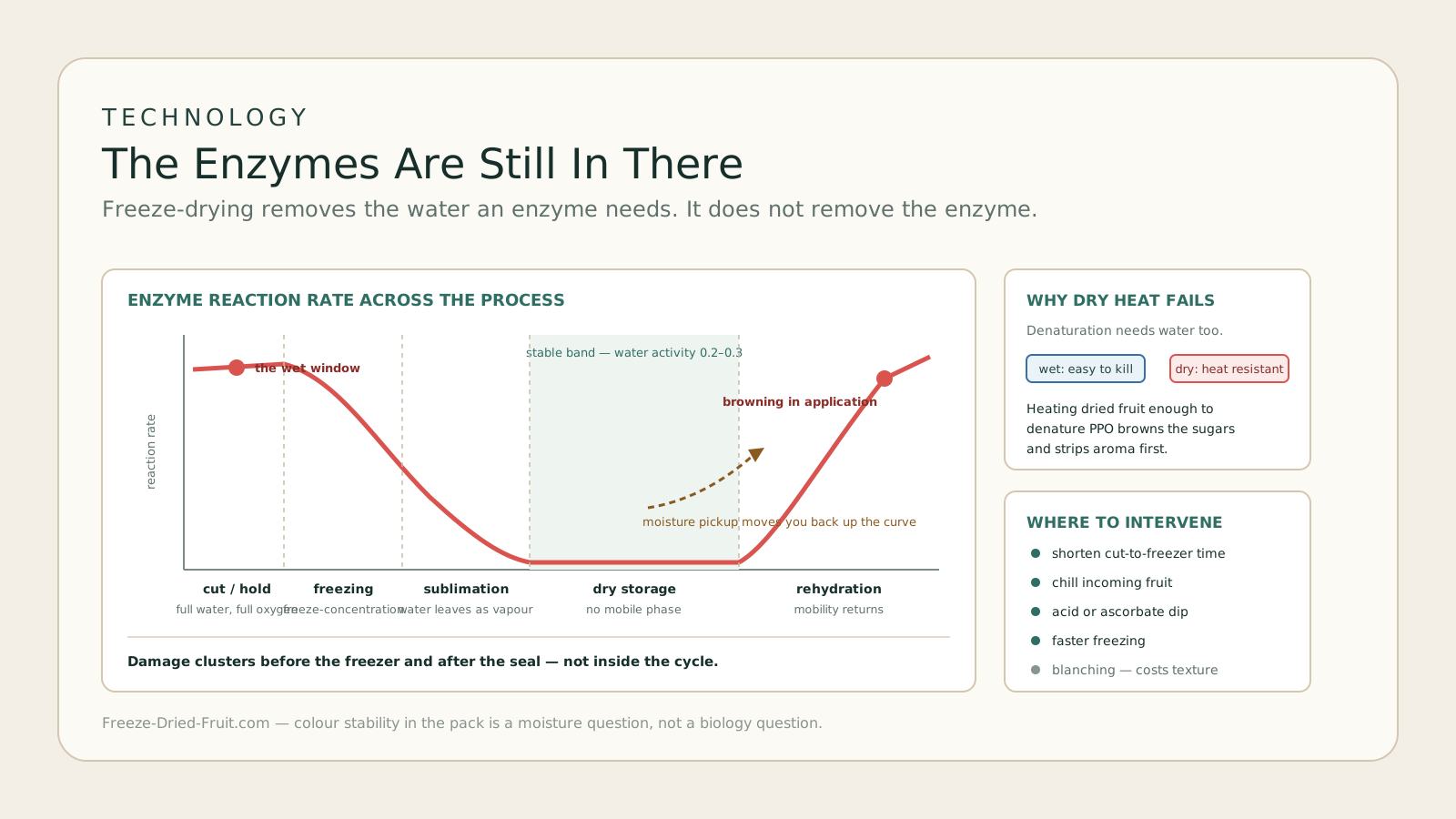
- Enzyme catalysis needs mobile water. Below roughly 0.2–0.3 water activity, rates collapse — which is why dry freeze-dried fruit holds colour, and why moisture pickup restarts the clock.
- Most enzymatic damage in freeze-dried fruit happens before the dryer, in the wet window between cutting and freezing, or after the pack is opened.
- Because enzymes are far more heat-resistant at low moisture, you cannot fix a browning problem by heating dried product. The intervention has to sit upstream, usually as an acid or ascorbate dip.
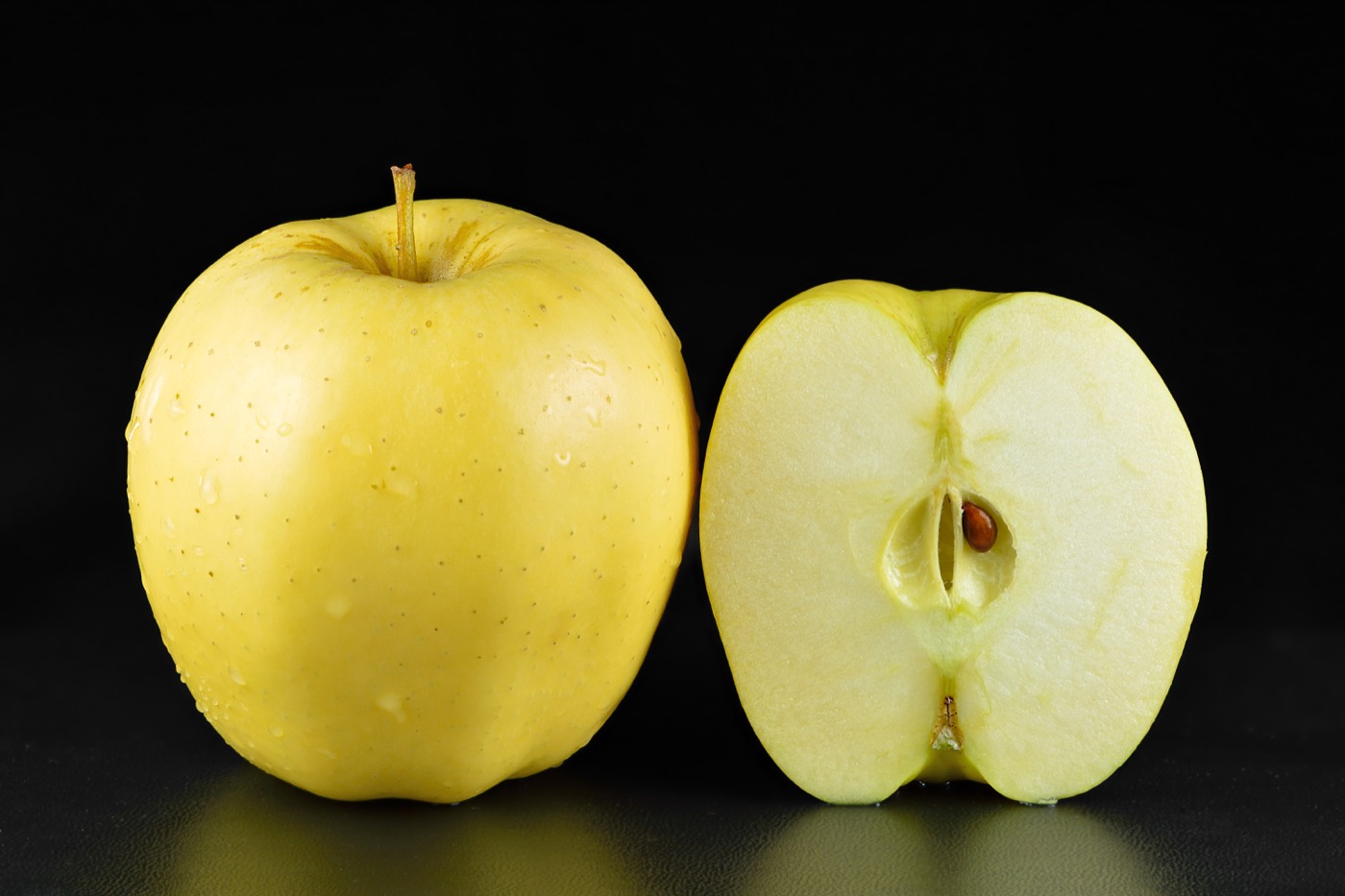
Cut an apple and leave it on the bench. Within a few minutes the cut face goes tan, then brown. That is polyphenol oxidase — an enzyme that was always in the fruit, kept apart from its substrates by intact cell structure, released the moment a knife broke the compartments.
Now freeze-dry that apple. The finished piece can hold a pale, near-fresh colour for a year. It is tempting to conclude the process destroyed the enzyme. It did not. The enzyme is still in there, in roughly the state it arrived in, waiting for water.
The direct answer
Freeze-drying has no kill step. The whole point of the process is that the product never gets hot enough or wet enough at the same time to cook. Shelf temperatures are modest, product temperature is held below the collapse point, and the water leaves as vapour from ice rather than as liquid. That is exactly the set of conditions under which proteins survive — which is why freeze-drying is the preferred way to preserve enzymes, cultures and vaccines in the first place.
So the native fruit enzymes come through: polyphenol oxidase (PPO) and peroxidase (POD), which drive browning; lipoxygenase, which generates off-notes from fatty acids; pectin methylesterase, which acts on cell-wall pectins. The finished product is not enzymatically sterile. It is enzymatically parked.
What holds them there is the absence of liquid water. Enzyme catalysis is a solution-phase event: the substrate has to diffuse to the active site, and in a matrix at 0.15–0.25 water activity there is essentially no phase for it to diffuse through. The classic food stability map puts the broad minimum for enzymatic reactions, non-enzymatic browning and lipid oxidation together in the region around 0.2–0.3 water activity, which is not a coincidence — it is the same underlying scarcity of mobile water acting on several mechanisms at once.
"Enzymes survived" is not a defect finding. Every unblanched freeze-dried fruit on the market carries residual enzyme activity. What matters is whether the product is held in the moisture range where that activity stays irrelevant, and whether anything in the supply chain lets it out of that range.
Where enzymatic damage actually happens
If the dry piece is safe, the damage has to occur somewhere else. In practice there are four windows.
The wet window before freezing. This is the big one. From the moment fruit is peeled, cored, sliced or diced, PPO is in contact with phenolic substrates and atmospheric oxygen at ambient temperature and full water activity. This is the only stage in the whole process where the enzyme has everything it wants. A line that takes forty minutes from cut to freezer has given the reaction forty minutes to run; a line that takes eight has not. Much of the colour difference between two suppliers of the same cultivar is decided here, before either dryer is switched on.
Freezing itself. Freezing does not stop enzyme activity so much as slow it and change its geography. Ice formation concentrates solutes — including enzymes and substrates — into a shrinking unfrozen phase, so the remaining liquid gets more crowded even as it gets colder. Meanwhile ice crystals puncture cell walls and membranes, dismantling the compartmentation that kept enzyme and substrate apart in the intact fruit. Work on freeze-dried plant material notes that this disruption can raise measurable enzyme activity on thawing precisely because everything has been mixed together. Slow freezing gives large crystals, more disruption and more time in the freeze-concentrated regime; fast freezing gives less of both.
Moisture pickup in the finished product. A pouch with a marginal seal, a warehouse without humidity control, a bulk tote opened for sampling in a packing room at 60% relative humidity — each of these moves water back into a hygroscopic matrix. Enzymes do not need much. Well before the product feels soft, before it looks wet, the reaction rates have started climbing off the floor of the stability curve.
Rehydration in use. Adding water to freeze-dried fruit restores exactly what the enzyme was missing. In a warm, near-neutral application — a batter, a sauce base, a porridge held on a steam table — enzymatic browning can express itself in minutes. This is one of the more common surprises in application testing: the fruit looked perfect dry and looked wrong twenty minutes into service.
Why you cannot heat your way out of it afterwards
The instinctive fix is a thermal step on the dried product. It does not work, for a reason that is genuinely counterintuitive.
Enzyme denaturation is a hydration-dependent process. Water participates in unfolding the protein; without it, the folded structure is far more resistant. Studies tracking PPO and POD inactivation across a range of water activities during mango drying found that the thermal resistance of both enzymes shifts substantially as moisture falls, with the enzymes becoming harder to kill in the drier state and their relative order of stability changing along the way. In practical terms, the temperature and time you would need to denature PPO at 0.2 water activity are enough to caramelise sugars, brown the product non-enzymatically and drive off aroma.
This is why the intervention, if you need one, has to happen while the fruit is still wet.
The intervention menu, and its costs
Blanching is the standard answer in vegetable processing and it does work: heat the tissue enough to denature PPO and POD before drying, and the enzymes are gone for good. Work on fruit tissue shows the expected pattern — blanching drops residual PPO and POD activity, and pigment retention tracks with it.
The problem is that blanching is nearly the opposite of what freeze-drying is for. It cooks cell walls, softens the structure that produces crunch, leaches soluble solids and pigments into the blanch water, and pushes texture toward the chewy, cooked profile buyers pay a premium to avoid. Most freeze-dried fruit is therefore deliberately not blanched. If a supplier tells you their product is blanched, that is a texture decision as much as a colour one and should be tasted before it is specified.
Acid and antioxidant dips are the usual compromise. Citric acid lowers pH away from the PPO optimum, slowing the enzyme without denaturing it. Ascorbic acid works differently — it reduces the quinone intermediates back before they can polymerise into brown pigment, so it buys time proportional to the dose rather than stopping the reaction. Both leave label consequences, and both are covered in more depth in our pieces on pretreatment dips and on what ascorbic acid means on a label.
Speed and temperature control are the underrated ones. Chilling incoming fruit, shortening the cut-to-freezer interval, and keeping cut product under a nitrogen or CO₂ blanket all reduce the reaction extent without adding an ingredient. They are also the hardest for a buyer to audit remotely, which is why line observation during a supplier visit is worth more than another certificate.
What to ask, and what not to ask
Do not ask for a peroxidase-negative result. Residual peroxidase is a blanching-adequacy indicator: it tells you whether a blanch was sufficient. On unblanched fruit it will read positive by design, and a supplier who provides a negative result has either blanched the product or is testing something other than what you think.
More useful questions:
- What is the typical elapsed time from cut to frozen, and how is it recorded?
- Is cut product held under a modified atmosphere or under air?
- Is a dip used, at what concentration, and does it appear on the ingredient statement?
- What was the incoming fruit temperature at cutting?
- For colour, is there a measured value — an L*a*b* reading or a graded standard — rather than a word like "natural"?
And for your own side of the fence: hold the finished product at a water activity comfortably inside the stable band, protect it with real barrier film rather than a resealable zipper alone, and test rehydration in the application you actually sell rather than in a beaker.
The short version
Freeze-drying preserves enzymes rather well. That is a feature in pharmaceutical drying and an inherited condition in fruit. It means colour stability in the pack is a moisture story, not a biology story — and it means the browning problems that do appear are almost always traceable either upstream of the freezer or downstream of the seal, not to the cycle in between.
Frequently Asked Questions
Does freeze-drying kill enzymes?
No. Freeze-drying is a low-temperature process with no dedicated thermal step, so native fruit enzymes such as polyphenol oxidase and peroxidase generally survive the cycle. They stop acting because the water they need has been removed, not because they have been destroyed.
If the enzymes are still there, why doesn't the fruit brown in the bag?
Enzyme-catalysed reactions need mobile water to bring enzyme and substrate together. In a properly dried, properly packed piece sitting near 0.2 water activity, that mobility is largely gone and the reaction rate falls to something very slow. Raise the moisture and the rate rises with it.
Should I ask a supplier for a peroxidase-negative result?
For freeze-dried fruit, usually not. A residual peroxidase test is a blanching-adequacy indicator borrowed from vegetable processing. Most freeze-dried fruit is deliberately not blanched, so the test will read positive and tells you nothing about whether the lot is good.
Can enzymes be inactivated after drying?
Not practically. Thermal inactivation of these enzymes is strongly water-activity dependent — they become markedly more heat-stable as moisture falls, so heating dry product enough to denature them would cook the colour and flavour first.
Does this affect rehydrated fruit?
It can. Adding water restores the mobility the enzymes were missing. Freeze-dried fruit rehydrated into a warm, neutral-pH application can show browning within minutes, which is one reason rehydration behaviour should be checked in the actual application rather than in plain water.
Primary sources & further reading
- Heat Inactivation of Polyphenol Oxidase and Peroxidase as a Function of Water Activity: A Case Study of Mango Drying ResearchGate Referenced for the finding that thermal inactivation of PPO and POD depends strongly on water activity, with relative thermostability shifting as moisture falls.
- Polysaccharides as Carriers of Polyphenols: Comparison of Freeze-Drying and Spray-Drying as Encapsulation Techniques PMC / Molecules Referenced for the point that ice-crystal cell disruption during freezing can raise measurable enzyme activity on thawing by removing compartmentation.
- Inactivation of polyphenol oxidase and peroxidase activity in mangosteen pericarp via blanching International Journal of Food Science and Technology Referenced for the relationship between blanching, residual PPO/POD activity, and pigment retention in fruit tissue.
- How Water Activity Affects Enzymatic Reactions in Foods Agriculture.Institute Referenced for the general stability-map relationship between water activity and enzymatic reaction rate in dried foods.
External links open in a new tab. We do not receive compensation from any organization listed; sources are referenced because they are primary, current, and publicly verifiable.