- Pesticide tolerances are usually set for the raw fruit, while freeze-drying removes water and can concentrate residues in the finished piece, so the basis of the number matters as much as the number.
- Different markets use different limits, so a spec may reference EPA tolerances, Codex maximum residue levels, EU limits, or a customer's own list, and they do not always agree.
- A strong spec names the standard, the analytical method, the reporting limit, and how 'not detected' is defined, not just a list of passing results.
- A multi-residue screen with reasonable scope and a stated limit of quantification tells you more than a short list of single pesticides marked 'compliant.'
A pesticide residue line on a freeze-dried fruit spec sheet usually looks reassuringly simple: a compound name, a limit, and a result that comes in under it. The problem is that the single most important fact is often missing from the page. A residue number means almost nothing until you know what it was measured against, and freeze-dried fruit is exactly the case where that basis matters most.
The direct answer
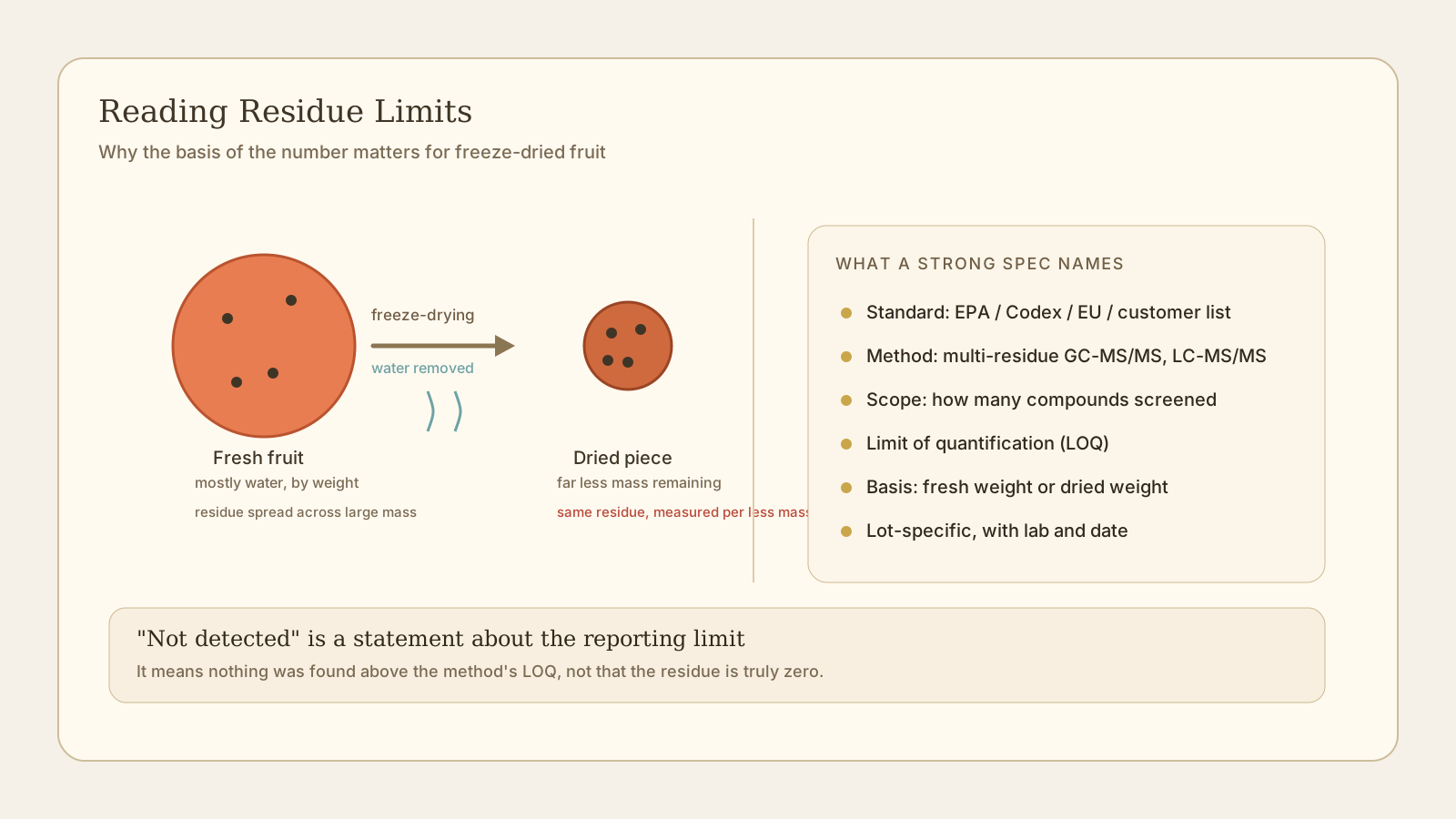
Freeze-drying removes water, not pesticide residue. A piece of freeze-dried fruit can be a tenth or less of the weight of the fresh fruit it came from, because most of that fresh weight was water. Whatever residue was present travels into the finished piece, now spread across far less mass.
That means a residue expressed per kilogram of dried product can read higher than the same residue expressed per kilogram of fresh fruit, even though nothing was added. The chemistry did not change. The denominator did.
So the first question to ask of any residue limit on a freeze-dried fruit spec is not "is it under the limit," but "under which limit, and measured on which basis."
Why the basis is the whole story
Most pesticide tolerances are written for the raw agricultural commodity, the fresh fruit as harvested. Regulators recognize that processing can concentrate residues, and frameworks like the U.S. EPA's address residues in processed foods rather than assuming they vanish.
For freeze-dried fruit this creates two ways to read the same lot:
- Fresh-weight basis: the residue is reported as it would appear on the fresh fruit before drying.
- Dried-weight basis: the residue is reported as found in the finished dried product.
These can be very different numbers for the same fruit. A spec that lists a result without saying which basis it used has left out the context that makes the number interpretable. A careful spec states it plainly.
A higher residue figure on dried fruit does not automatically mean the fruit was sprayed more heavily. It can simply reflect that water was removed and the residue is now measured against less mass. The judgment is whether the result still sits within the applicable limit on the correct basis, not whether the dried number looks bigger than a fresh number.
Which standard applies
There is no single global pesticide limit. The relevant one depends on where the product is sold:
- United States: EPA tolerances codified in 40 CFR Part 180, which list allowable residues by pesticide and commodity and address processed foods.
- International / Codex: maximum residue levels (MRLs) published by Codex Alimentarius, often used as a reference in cross-border trade.
- European Union and other markets: their own MRLs, which can be stricter and sometimes set to a default low limit for pesticides not specifically approved.
- Customer-specific lists: many large buyers maintain their own residue panels that go beyond the legal minimum.
These standards do not always agree. A pesticide permitted on a crop in one country may not be registered for it in another, so both the limit and the list of compounds that matter can shift with the destination. A spec sheet that simply says "meets MRL" without naming the standard is ambiguous, because there is more than one MRL.
What a strong residue spec actually contains
A residue result is only as trustworthy as the testing behind it. A spec worth relying on usually names:
- The standard used (EPA, Codex, EU, or a named customer list).
- The analytical method, typically a multi-residue screen by GC-MS/MS and LC-MS/MS.
- The scope, meaning how many compounds the screen actually covers.
- The limit of quantification (LOQ), the lowest level the method can reliably measure.
- The basis, fresh or dried weight.
- How "not detected" is defined, which is really a statement about the LOQ.
The phrase "not detected" is the one most often misread. It does not mean zero. It means the lab did not find the residue above its reporting limit. If that limit is set high, a result can look clean while a more sensitive method would have found something. A meaningful "not detected" comes with a stated LOQ low enough to be reassuring.
How to read a multi-residue screen
Most modern testing is done as a multi-residue panel rather than one pesticide at a time. That is generally good news, because it casts a wide net. But scope still matters:
- A screen covering several hundred compounds is more reassuring than one covering a few dozen, all else equal.
- Some relevant residues need dedicated single-residue methods and will not appear in a standard panel. Glyphosate is the classic example, often requiring its own test.
- A panel can only flag what it looks for. A short panel that reports everything "not detected" is weaker evidence than a broad panel with a low LOQ.
So a long list of passes is not automatically strong. The questions are how wide the net was, how fine the mesh was, and against which limit the results were judged.
Red flags on a residue spec
A few patterns should prompt more questions:
- A residue limit with no named standard.
- Results with no stated LOQ or reporting limit.
- No indication of whether the basis is fresh or dried weight.
- A very short list of compounds presented as a full screen.
- A certificate that is generic to the supplier rather than tied to the specific lot.
- "Compliant" stated as a conclusion with no underlying numbers to check.
None of these prove a problem. Each means the spec is telling you less than it appears to, and for a concentrated product like freeze-dried fruit, the missing detail is usually the one that matters.
What buyers should ask for
The useful requests are specific:
- Which standard were residues judged against, and for which destination market?
- Are results expressed on a fresh-weight or dried-weight basis?
- What method was used, and how many compounds did the screen cover?
- What is the limit of quantification, and how is "not detected" defined?
- Is the result tied to this lot, with a date and lab named?
These questions turn a tidy pass/fail line into something you can actually evaluate. For freeze-dried fruit in particular, they close the gap created by water removal, which is the one thing a fresh-fruit tolerance number does not account for on its own.
Bottom line
Pesticide residue limits on a freeze-dried fruit spec sheet are only as informative as their context. Freeze-drying concentrates residues by removing water, so the basis of the measurement, the standard it is judged against, the method's scope, and the reporting limit all shape what a result really means.
A strong spec names all of those. A weak one shows a clean-looking number and hopes you will not ask what it was measured against. Knowing which questions to ask is what separates a certificate that reassures from one that only appears to.
This is a technical and regulatory topic; specific limits and approved methods change over time and by market, so confirm current requirements for your destination before relying on any single figure.
Frequently Asked Questions
Does freeze-drying remove pesticide residues?
Generally no, not reliably. Freeze-drying removes water, not the residues themselves. Because the finished piece weighs far less than the fresh fruit it came from, a residue measured per kilogram of dried product can read higher than the same residue measured on the fresh fruit. The basis of the measurement is essential context.
Which standard should a spec sheet reference?
It depends on where the product is sold. U.S.-bound product is commonly checked against EPA tolerances in 40 CFR Part 180. Internationally traded product may reference Codex maximum residue levels or the destination market's limits, such as the EU's. A good spec states which one it used.
What does 'not detected' actually mean?
It means the lab did not find the residue above its reporting limit, not that the residue is truly zero. The meaning depends entirely on how low that reporting limit, or limit of quantification, was set. A high reporting limit can make a result look clean when a more sensitive method would have found something.
Why do limits differ between countries?
Maximum residue levels are set by each regulatory body based on its own approved pesticide uses and risk assessments. A pesticide allowed on a crop in one country may not be registered for it in another, so the limits, and sometimes the entire list of relevant compounds, differ by market.
What should a buyer ask for beyond a pass/fail line?
Ask for the standard used, the analytical method, the list of compounds screened, the limit of quantification, and whether results are expressed on the fresh or dried basis. Those details determine whether a clean-looking certificate is actually reassuring.
Primary sources & further reading
- 40 CFR Part 180 - Tolerances and Exemptions for Pesticide Chemical Residues in Food Electronic Code of Federal Regulations U.S. EPA pesticide residue tolerances for food commodities, including the framework that addresses residues in processed foods.
- Setting Tolerances for Pesticide Residues in Foods U.S. Environmental Protection Agency EPA explanation of how tolerances are established, including handling of processed and concentrated commodities.
- Codex Pesticide Residues in Food and Feed FAO/WHO Codex Alimentarius International maximum residue level (MRL) database commonly referenced in cross-border trade specifications.
External links open in a new tab. We do not receive compensation from any organization listed; sources are referenced because they are primary, current, and publicly verifiable.