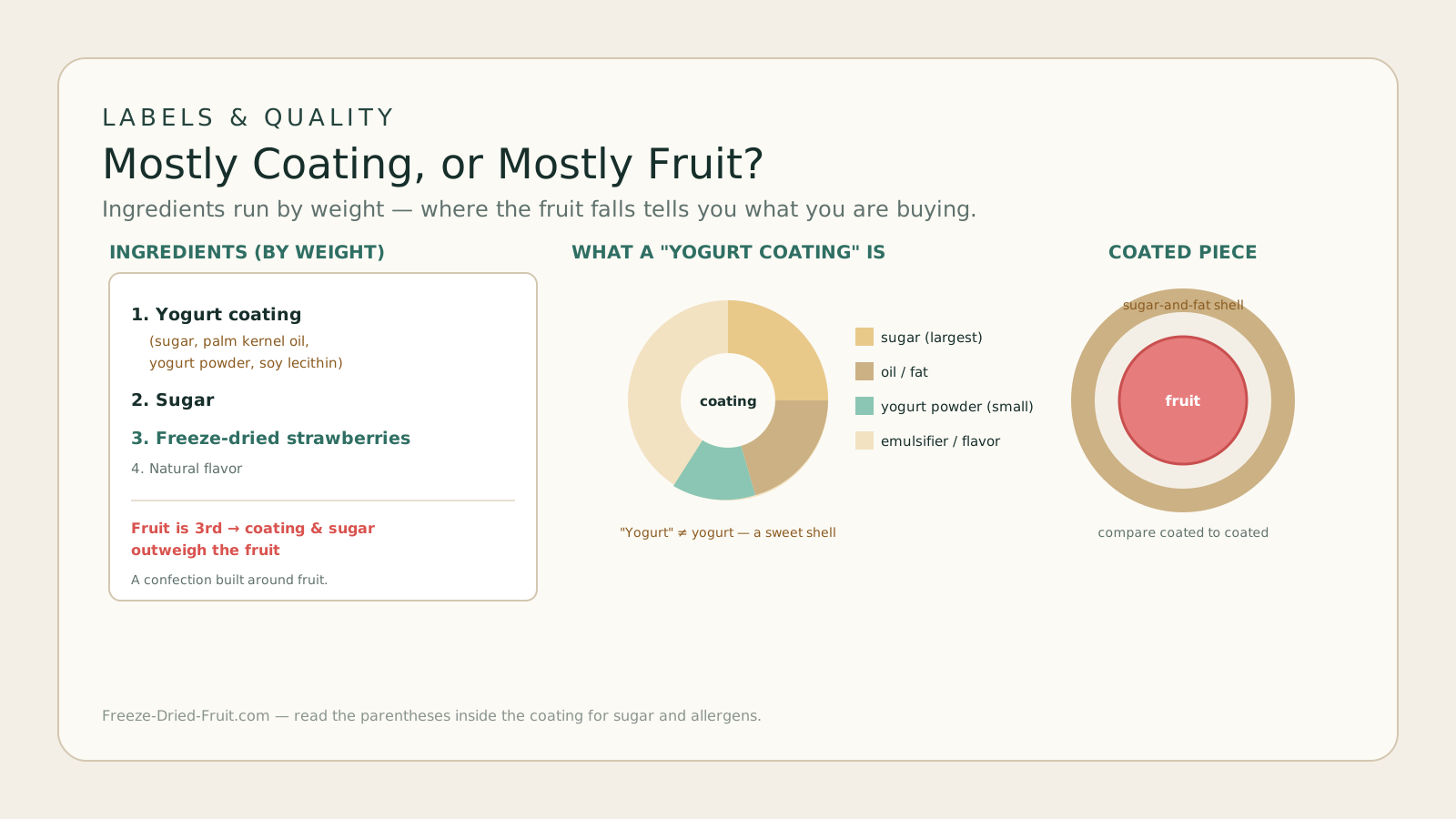
- Ingredients are listed by weight in descending order, so if sugar or a coating base appears before the fruit, the pack is mostly coating and sweetener with fruit as a minority component — regardless of how the front of the pack reads.
- A 'yogurt coating' is rarely just yogurt: it is typically a sugar-and-oil confection with a small amount of yogurt powder, so the word 'yogurt' on the front does not mean the product delivers what plain yogurt would.
- Coated and glazed pieces change the whole comparison — added sugars rise, the fruit percentage falls, and moisture behavior differs from plain fruit — so compare them against other coated products, not against plain freeze-dried fruit, and check the fruit's position in the list.
"Yogurt-coated" and "chocolate-glazed" are among the most appealing phrases on a freeze-dried fruit shelf, and among the most misleading if you read only the front of the pack. The words suggest fruit with a light, wholesome finish. Often the reality is closer to a small confection with some fruit inside. The ingredient statement settles which one you are holding — but only if you read it the way it is actually organized, in descending order of weight and with attention to what a "coating" is really made of.
The direct answer
Ingredients are listed by weight from most to least, so the fastest read of a coated freeze-dried fruit is simply where the fruit falls in the list. If sugar or a coating base comes before the fruit, the product is mostly coating and sweetener with fruit as a minority. If the fruit is listed first, the balance leans toward fruit. And a "yogurt coating" is almost never just yogurt — it is typically a sugar-and-oil confection carrying a little yogurt powder, often with its own sub-list in parentheses. Read that sub-list, check the added sugars line, and compare coated products against other coated products rather than against plain freeze-dried fruit.
Order is the whole story
The single most useful rule for a coated or glazed product is that the ingredient list is ranked by weight. The first ingredient is the biggest component; the last is the smallest. On a plain freeze-dried fruit, the fruit is usually first and often the only thing. On a coated product, the picture changes fast. When "sugar," "yogurt coating," or a chocolate base appears ahead of the fruit, the coating outweighs the fruit — you are buying a confection built around fruit, not fruit with a thin finish. When the fruit still leads and the coating ingredients trail behind, more of the weight is genuine fruit.
The front-of-pack name does not change with this order. "Yogurt-covered strawberries" can describe a piece that is mostly strawberry with a thin dusting, or a piece that is mostly sweet coating around a small strawberry center. The ingredient order tells you which, and the marketing name does not.
What "yogurt coating" actually is
The word "yogurt" carries a health halo that the coating usually does not earn. A typical yogurt coating is a confectionery coating: mostly sugar and a fat or oil, with a modest amount of yogurt powder added for flavor and to justify the name. It is a sweet shell that happens to taste faintly of yogurt, not a serving of yogurt in any nutritional sense.
Because the coating is itself a compound ingredient, it often appears with its own parenthetical sub-list — something like yogurt coating (sugar, palm kernel oil, yogurt powder, soy lecithin). Reading that sub-list is the moment the product becomes clear. Sugar commonly leads it; the yogurt powder is often near the end. The same logic applies to chocolate and "candy" style glazes, which are similarly sugar-and-fat forward.
The headline ingredient name — "yogurt coating," "chocolate coating," "confectionery glaze" — can hide what it is built from. The sub-ingredients in parentheses are where the sugar, the oils, and the allergens (milk and soy are common) actually appear. If you are watching added sugar or avoiding an allergen, read the parenthetical list inside the coating, not just the coating's name.
The sugar and fruit-percentage shift
Coatings and glazes add sugar and fat, which pushes two numbers in the same direction: added sugars go up and the fruit percentage goes down compared with plain freeze-dried fruit of the same variety. Most of a coated product's sweetness and calories live in the shell. That is not a reason to avoid coated fruit — it is a treat and reasonable to enjoy as one — but it does mean you should read it as a treat. Check the added sugars line on the Nutrition Facts panel, and where a fruit percentage or QUID-style figure is declared, use it. A piece that is half coating by weight is a genuinely different purchase from a plain freeze-dried piece of the same fruit.
Compare like with like
Because a coated product is a confection and plain freeze-dried fruit is essentially just fruit, comparing them directly is unfair to the coated product and unhelpful to you. Head-to-head on price per gram, sugar, or fruit content, the coated piece loses every measure — and that comparison misses what it is for. The useful comparison is coated against coated: one yogurt-covered fruit versus another, judged on how much real fruit each contains, how much added sugar it carries, and what its coating is actually made of. Keep plain-fruit decisions in one column and treat decisions in another.
Storage is not automatically the same
A coating changes the surface of the piece and the way moisture moves through it, so a coated product does not necessarily keep like bare freeze-dried fruit — which is extremely moisture-sensitive on its own. Some coatings offer a little surface protection; others add fats with their own storage considerations. The safe approach for a shopper is not to assume, but to follow the storage and best-by guidance printed on the specific pack, and to keep coated pieces sealed and dry as you would any freeze-dried product. Read the label's own instructions rather than applying a plain-fruit rule of thumb, and you will treat the coated product for what the ingredient statement shows it to be.
Frequently Asked Questions
What does the order of ingredients tell me on a coated freeze-dried fruit?
Ingredients are listed in descending order by weight, so the first item is the largest component and the last is the smallest. On a coated or glazed product, this order is the quickest read of what you are really buying. If sugar, a yogurt coating, or a chocolate base appears before the fruit, the coating and sweetener outweigh the fruit — the piece is a confection with fruit inside, not fruit with a light finish. If the fruit is listed first and the coating ingredients follow, the balance tilts toward fruit. The front of the pack can say 'yogurt-covered strawberries' either way, so the ingredient order, not the marketing name, is what settles how much fruit is actually in the bag.
Is a 'yogurt coating' the same as yogurt?
Usually not. A typical yogurt coating is a confectionery coating built mostly from sugar and a fat or oil, with a relatively small amount of yogurt powder added for flavor and the name. It behaves like a sweet shell, not like a spoon of yogurt, and it does not deliver what plain yogurt would. When you see 'yogurt coating' on the ingredient list, look at what it is made of — it is often itself a compound ingredient with its own sub-list in parentheses, and sugar commonly leads that sub-list. Reading it that way keeps the word 'yogurt' from doing more work in your head than it does in the product.
How do coatings change the added sugar and fruit percentage?
Coatings and glazes add sugar and fat, so a coated product almost always carries more added sugar and a lower fruit percentage than plain freeze-dried fruit of the same fruit. The coating is where most of the sweetness and calories come from. That is not automatically a problem — a coated fruit is a treat and can be enjoyed as one — but it does mean the nutrition and value math is different. Check the added sugars line on the Nutrition Facts panel and, where available, any declared fruit percentage or QUID figure. A piece that is half coating by weight is a different purchase from a plain freeze-dried piece, even if both are called the same fruit.
What sub-ingredients commonly show up inside a coating?
Inside a yogurt or chocolate-type coating you will often see, in parentheses, some combination of sugar, a vegetable oil or fat, milk or yogurt powder, an emulsifier such as soy lecithin, and flavor. Glazes and shine coatings may add ingredients that give a glossy finish or help pieces resist sticking. These sub-ingredients matter for two reasons: they tell you the coating is a sugar-and-fat confection rather than a dairy food, and they carry allergens — milk and soy are common. If you are avoiding an allergen or added sugar, the parenthetical sub-list inside the coating is exactly where to look, because the headline ingredient name can hide them.
Why shouldn't I compare a coated product to plain freeze-dried fruit?
Because they are different categories. Plain freeze-dried fruit is fruit with the water removed and typically nothing added; a coated or glazed product is a confection built around fruit. Comparing their price per gram, sugar content, or fruit percentage head-to-head makes the coated product look worse on every axis and misses the point — it is meant to be a sweet snack. The fair comparison is coated-to-coated: one yogurt-covered fruit against another, judged on how much real fruit each contains, how much added sugar, and what the coating is actually made of. Judge plain fruit against plain fruit, and treats against treats.
Do coatings affect how a freeze-dried fruit keeps?
They can. A coating changes the surface of the piece and the way moisture moves in and out, so a coated product does not behave exactly like bare freeze-dried fruit, which is extremely moisture-sensitive. Some coatings can offer a degree of surface protection, while others introduce fats that have their own storage considerations. The practical point for a shopper is not to assume a coated piece keeps the same way as plain fruit after opening — follow the storage and best-by guidance on the specific pack, and keep coated pieces sealed and dry like any other freeze-dried product. The label's storage instructions, not a general rule, are the right reference.