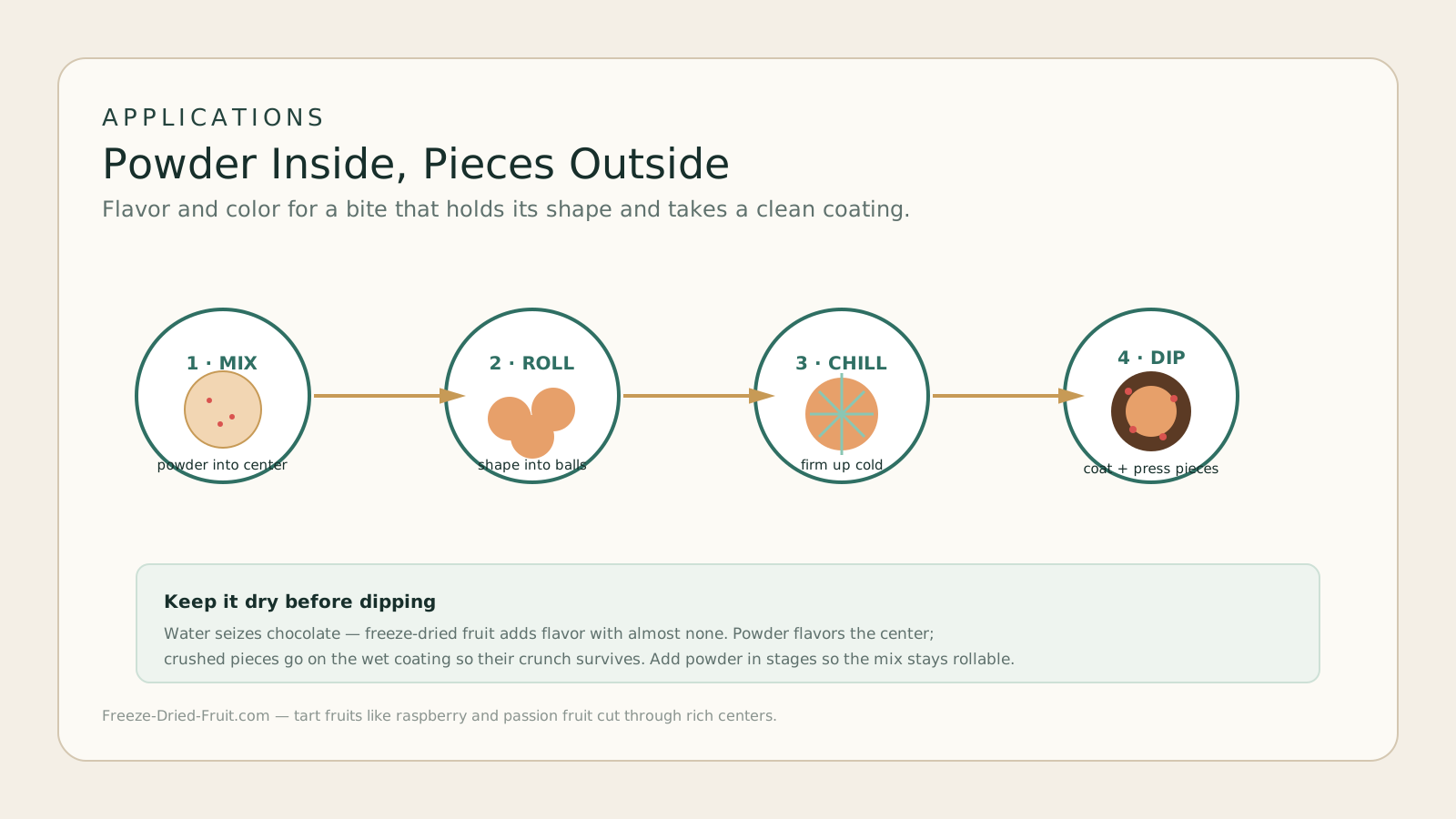
- Freeze-dried fruit powder is the right tool for the interior of cake pops, truffles, and bites: it adds concentrated flavor and color while adding almost no moisture, so the mix still rolls, firms, and holds a round shape.
- Keep water away from anything that will be dipped in melted chocolate — even a little moisture from fresh fruit can seize a coating — so use dry powder in the center and add crushed pieces on the outside after dipping, not inside a wet mix.
- Match the fruit to the base: tart powders like raspberry or passion fruit cut through rich chocolate and cream-cheese centers, while adding powder in stages and tasting keeps the flavor balanced without over-drying the mix.
Cake pops, truffles, and no-bake dessert bites all share three traits: they are small, they are dense, and they are usually dipped or rolled in a coating. Those same traits make them one of the friendliest formats for freeze-dried fruit. The center has to hold a shape and stay dry enough to take a coating, which rules out the watery fresh fruit or purée that would loosen the mix and threaten the chocolate. Freeze-dried fruit gives you the flavor and color without the water — exactly what these bites need.
The direct answer
Use finely ground freeze-dried fruit powder in the center of cake pops, truffles, and bites. It adds concentrated flavor and vivid color while adding almost no moisture, so the mix still rolls, firms, and holds a round shape. Keep water away from anything you plan to dip, because even a little moisture can seize melted chocolate — so put dry powder inside and press crushed pieces onto the outside after dipping, never wet fruit into the mix. Add the powder a little at a time and taste as you go, since it is absorbent and a large dose can dry the center out.
Why this format loves freeze-dried fruit
A cake pop or truffle center is a balancing act. It must be soft enough to shape into a smooth ball but firm enough to hold that ball while it is chilled and dipped. That leaves almost no room for added liquid. Fresh fruit and purée are mostly water, so using enough to taste the fruit softens the center and makes it slump. Freeze-dried fruit removes the conflict: the water is already gone, so powder carries real flavor and strong color into a center that stays dry and rollable.
The coating step reinforces the point. Chocolate and confectionery coatings need a dry surface to set cleanly, and a center flavored with dry powder gives them one. The whole format — dense, small, dipped — is almost purpose-built for a fruit ingredient that brings taste without moisture.
Powder inside, pieces outside
The cleanest way to think about texture is by location. Inside the center, use powder. Grind freeze-dried fruit fine and work it into the base — the cake-and-frosting mix for cake pops, or the ganache or cream-cheese mix for truffles — a little at a time. Powder disperses evenly and flavors the whole bite, and because it adds no meaningful water, the mix stays workable.
Outside, use pieces. If you want visible fruit and crunch, press or sprinkle crushed freeze-dried pieces onto the coating right after dipping, while the chocolate is still wet so they stick. That keeps the crisp texture where moisture can't soften it. Folding pieces into the moist center instead will leave you with soft specks within a day, which is fine if that is the look you want, but it is not where the crunch survives.
Melted chocolate seizes when it meets water — it turns thick, grainy, and unusable. That is the real reason fresh fruit is a poor fit for anything dipped. Freeze-dried fruit avoids it because it brings flavor with essentially no moisture. Keep the powder inside dry and add crisp pieces to the outside after the coating goes on, and the chocolate sets the way it should.
Don't over-dry the center
Freeze-dried powder is absorbent, so the one thing to watch is adding too much and stiffening the mix. Build the flavor in stages: add some powder, taste, and add more until it lands. If the center does turn too firm or dry, bring it back with a little more of the wet element the recipe already uses — more melted chocolate or a touch more frosting — rather than water, which would undo the whole advantage. You are aiming for a mix that still rolls into a smooth ball and holds together, now tasting clearly of the fruit.
Matching fruit to base
Cake-pop and truffle centers are rich and sweet, so tart, intense fruits earn their place by cutting through. Raspberry, strawberry, passion fruit, and cherry all balance chocolate and cream-cheese bases and show strong color against a pale center or a dark coating. Milder fruits like banana or mango work but need a larger dose to register against the richness. A good instinct is contrast: bright berry against dark chocolate, tangy passion fruit against a sweet white-chocolate truffle. Pick the fruit that plays against the base, build the amount by taste, and you get a bite that is fruit-forward without losing the structure.
Storing them
Store the bites the way the base recipe demands, because that is what governs safety and texture — many truffle and cake-pop centers contain dairy and belong in an airtight container in the fridge. The freeze-dried fruit does not change those rules; it only flavors the center. The exception is any crisp fruit on the outside, which will gradually soften near a moist, chilled center. For maximum crunch, enjoy fruit-coated bites within a day or two, or keep decorative pieces separate and press them on close to serving. Follow the underlying recipe's storage and timing for the bites themselves, and freeze-dried fruit will give you a small dessert that tastes emphatically of the fruit, holds its shape, and takes a clean coating.
Frequently Asked Questions
Why does freeze-dried fruit work so well in cake pops and truffles specifically?
These formats are small, dense, and usually coated, and all three qualities favor freeze-dried fruit over fresh. The center has to be firm enough to roll into a ball and hold that shape while it is dipped, which means you cannot add much liquid. Fresh fruit or purée would soften the mix and make it hard to shape. Freeze-dried fruit is the fruit with the water removed, so a powder delivers strong flavor and color into the center while keeping it dry and rollable. On top of that, the coating step demands a dry surface — chocolate hates moisture — and a dry, powder-flavored center plays nicely with dipping. The format is almost designed for freeze-dried fruit.
How do I add freeze-dried fruit to the center without drying it out?
Grind the freeze-dried fruit to a fine powder and work it into the base — the cake-and-frosting mix for cake pops, or the chocolate-and-cream ganache or cream-cheese mix for truffles — a little at a time, tasting as you go. Because the powder is absorbent, a large dose can stiffen or dry the mix, so add gradually until the flavor lands rather than dumping it in. If the mix does get too firm, the fix is to bring it back with a touch more of the wet element already in the recipe (more melted chocolate or frosting), not water. The goal is a mix that still rolls smoothly and holds together, now carrying real fruit flavor.
Can I put freeze-dried fruit pieces inside the mix, or only powder?
Powder is the reliable choice for the interior because it disperses evenly and flavors the whole bite. You can fold in small crushed pieces for texture, but expect them to soften as they sit against the moist center — they will read as soft fruit specks rather than crisp bits within a day or so. If you want crunch and visible fruit, the better place is the outside: press or sprinkle crushed freeze-dried pieces onto the coating right after dipping, while the chocolate is still wet, so they stick. That keeps the crisp texture where moisture can't reach it and gives the bite a fruit-flecked finish.
Why can't I use fresh fruit if I'm going to dip these in chocolate?
Because moisture and melted chocolate do not mix. Even a small amount of water introduced by fresh fruit can cause melted chocolate to seize — turn thick, grainy, and unusable — either in the coating bowl or by making the center weep moisture into the shell. Freeze-dried fruit sidesteps the problem entirely: it brings fruit flavor with essentially no water, so the center stays dry and the coating sets cleanly. This is the core reason freeze-dried fruit is the fruit format of choice for anything dipped. Keep every fruit element dry — powder inside, crisp pieces pressed onto the outside after dipping — and the chocolate behaves.
Which fruits work best, and how do they pair with the base?
Tart, intense fruits are the most useful here because cake-pop and truffle centers are rich and sweet, and a sharp fruit cuts through. Raspberry, strawberry, passion fruit, and cherry all balance chocolate and cream-cheese bases well, and their strong color reads clearly in a pale center or on a coating. Milder fruits like banana or mango work too but need a larger dose to register against the richness. A practical approach is to pick a fruit that contrasts the base — bright berry against dark chocolate, tangy passion fruit against a sweet white-chocolate truffle — and to build the amount up by taste so the fruit is present without overwhelming the structure.
How should I store fruit cake pops and truffles, and how long do they keep?
Store them the way the base recipe requires, since that is what governs safety and texture — many truffle and cake-pop centers contain dairy and are kept chilled in an airtight container. The freeze-dried fruit does not change those storage rules; it just flavors the center. What does change is any crisp fruit on the outside: crushed pieces pressed into the coating will gradually soften as they sit near a moist, chilled center and pick up humidity, so those are best enjoyed within a day or two for maximum crunch. If you are making ahead, keep decorative fruit pieces separate and apply them close to serving, and always follow the storage and timing guidance of the underlying recipe for the bites themselves.