- Any clean, dry grinder turns crisp freeze-dried fruit into powder in seconds; a sieve sorts fine powder from leftover bits.
- Moisture is the enemy: the powder is hygroscopic, so dry tools, low humidity, and an airtight container with a desiccant keep it from caking.
- Add the powder late in wet recipes and use it where its concentrated color and tart-sweet flavor are an asset, like drinks, frostings, and rims.
Freeze-dried fruit has one trick that whole pieces cannot match: it grinds into a fine, intensely flavored powder that stirs into almost anything. The process is genuinely a one-minute job. The skill is in keeping that powder loose afterward, because the same dryness that makes freeze-dried fruit grind so cleanly also makes the powder grab moisture from the air the moment you turn your back.
The direct answer
To make freeze-dried fruit powder at home, drop crisp pieces into a clean, dry grinder, pulse until fine, then sieve out any stubborn bits and regrind them. The whole thing takes seconds. The part that determines success is everything around the grinding: dry tools, a dry room, and an airtight container with a desiccant so the powder does not cake before you use it.
Treat it as a moisture-management task with a grinding step in the middle, and it works every time.
What you need
Nothing specialized:
- crisp, fully dry freeze-dried fruit (single fruit or a blend)
- a clean, completely dry grinder: spice grinder, bullet blender, full blender, or a mortar and pestle for small batches
- a fine-mesh sieve
- an airtight jar or container
- a food-safe desiccant packet if you have one
The single most important detail is that every surface is dry. A damp blender jar or a humid kitchen will start softening the powder immediately.
Step by step
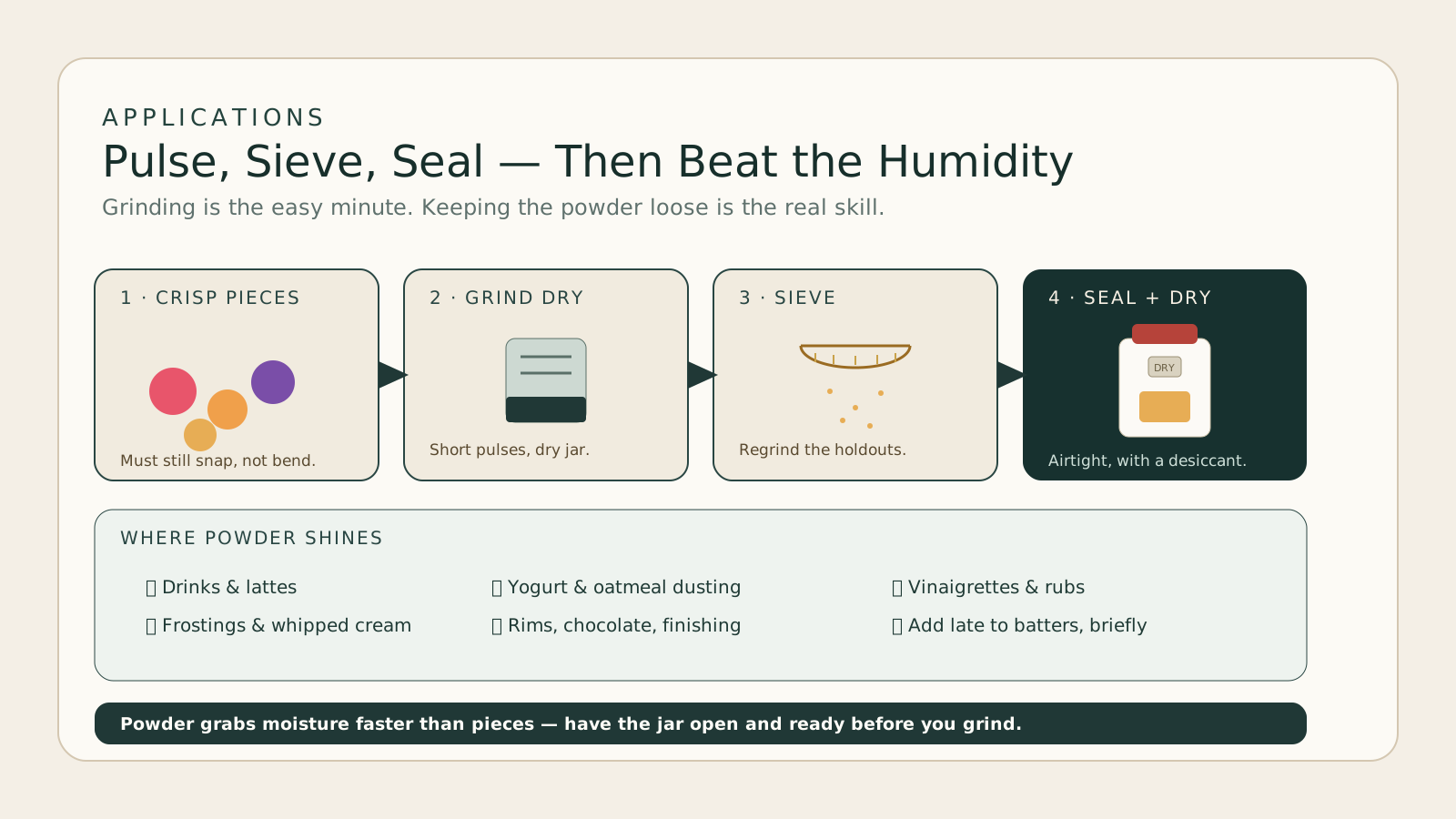
- Start with crisp fruit. If the pieces have gone even slightly leathery, the powder will be gummy and clump. Use fruit that still snaps.
- Grind in short pulses. Pulse rather than run continuously. Short bursts keep the pieces bouncing into the blades and give a more even grind without heating the powder.
- Sieve. Tip the powder through a fine sieve. The fine powder falls through; the leftover flecks stay behind.
- Regrind the holdouts. Return the coarse bits to the grinder and pulse again. A couple of rounds gets almost everything to a fine powder.
- Seal it immediately. Move the powder into an airtight container the moment it is ground. Do not leave it open on the counter while you finish other steps.
Grinding multiplies the surface area exposed to air, so powder picks up humidity far faster than whole pieces. The window between grinding and sealing is where most home powder goes sticky. Have the jar open and ready before you start.
Why the powder cakes, and how to slow it down
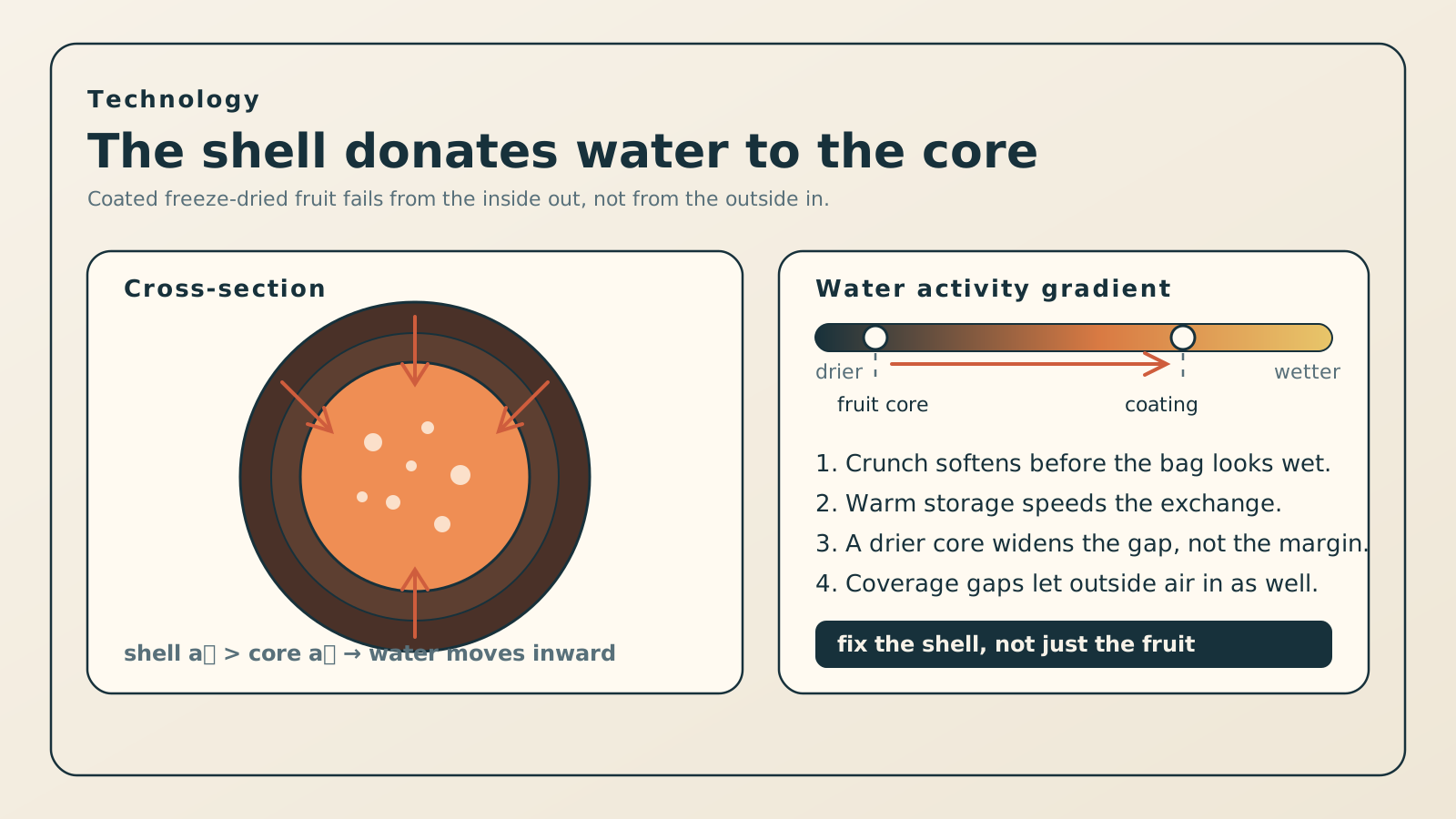
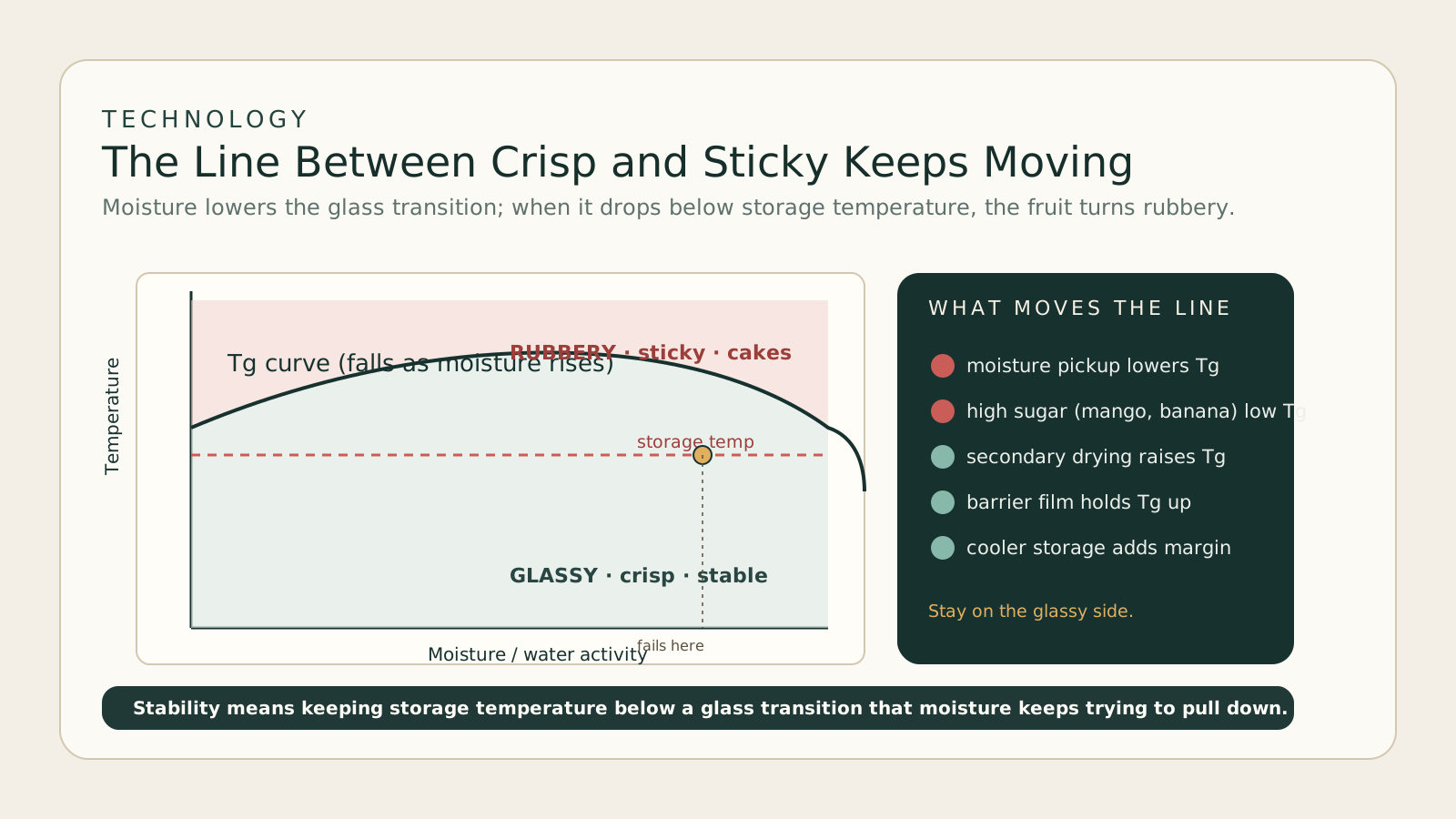
Freeze-dried fruit is dry and porous, which is exactly why it pulls in moisture so readily. When you grind it, you expose a huge amount of new surface, and that surface is hungry for water vapor. That is the whole reason a powder can clump in minutes when a whole piece might take a day.
You cannot stop this entirely, but you can slow it down:
- grind on a dry day or in the driest part of your kitchen, away from a steaming kettle or sink
- keep tools and jars fully dry
- store the powder airtight, ideally with a desiccant packet
- keep the container closed except when you are actually scooping
- make smaller batches more often rather than one big jar that sits open repeatedly
If the powder does clump, a brief regrind usually loosens it, as long as it has not actually absorbed enough moisture to go pasty.
Where the powder shines
Powder is the most flexible form of freeze-dried fruit because it disperses. A few good uses:
- Drinks. Stir into lattes, milkshakes, lemonade, sparkling water, or smoothies for color and tart-sweet flavor without seeds or chunks.
- Frostings and creams. Beat it into buttercream, whipped cream, or cream cheese frosting, where it adds natural color and concentrated flavor without thinning the texture.
- Yogurt and oatmeal. Dust it over the top, or stir it in for an even fruit flavor throughout.
- Rims and finishing. Use it like a flavored sugar on a glass rim, over chocolate, or as a dusting on doughnuts and marshmallows.
- Seasoning. A tart fruit powder can brighten a vinaigrette, a dry rub, or a sweet-and-sour finish on roasted vegetables.
The common thread is that powder is best where its concentrated flavor and color are the point, and where you are not cooking it so long that the brightness fades.
A note on baking
You can fold fruit powder into batters, but be realistic about what heat does. Long mixing and oven time soften both the color and the sharp, tart top notes. For the most vivid results, lean on the uncooked applications, or add the powder late and briefly to a batter, and accept that baked-in fruit reads as gentle rather than intense. When you want a punch of flavor, finish with the powder after baking instead of relying on it surviving the oven.
Bottom line
Making freeze-dried fruit powder is easy: pulse, sieve, regrind, done. The real work is keeping it dry, because the powder picks up humidity far faster than the pieces it came from. Grind in a dry kitchen, seal it immediately with a desiccant, and reach for it where concentrated fruit flavor and color earn their keep, in drinks, creams, rims, and finishing dustings, more than in long bakes.
Frequently Asked Questions
What kind of grinder works best?
A clean, completely dry spice or coffee grinder, a small bullet-style blender, or a full blender all work. Smaller grinders give the finest, most even powder because the pieces stay near the blades. A mortar and pestle works too for small amounts, though the powder is coarser. The non-negotiable part is that everything is bone dry before the fruit goes in.
Why does my fruit powder turn into clumps so quickly?
Because freeze-dried fruit powder pulls moisture from the air faster than whole pieces do. The grinding exposes far more surface area, so the same humidity that softens a piece overnight can cake a powder in minutes. Working in a dry kitchen, using dry tools, and sealing the powder immediately with a desiccant slows this down a lot.
Do I need to add sugar or anything to the powder?
No. Plain freeze-dried fruit grinds into pure fruit powder with nothing added. Some people blend in a little powdered sugar or a free-flow agent to keep it loose, but that changes it from pure fruit to a mix. If you want a true single-ingredient powder, grind the fruit alone and manage moisture with storage instead.
Can I bake with the powder, or will the color and flavor disappear?
You can bake with it, but heat and long mixing can dull the color and soften the bright, tart notes. The most reliable results come from using it where it is not fully cooked away: in frostings, glazes, whipped cream, fillings, or folded into a batter late and briefly. When you do bake it in, expect the flavor to read as gentle fruit rather than the sharp punch you taste straight from the jar.
Primary sources & further reading
- National Center for Home Food Preservation University of Georgia / NCHFP Referenced for general guidance that dried fruit products are moisture-sensitive and should be stored sealed and dry to maintain quality.
External links open in a new tab. We do not receive compensation from any organization listed; sources are referenced because they are primary, current, and publicly verifiable.