- Freeze-dried fruit adds concentrated flavor and color to curds, custards, and pastry cream without introducing the water that fresh purée does, so the set stays firm — but it must be a fine powder, fully dissolved or bloomed, or it leaves grit.
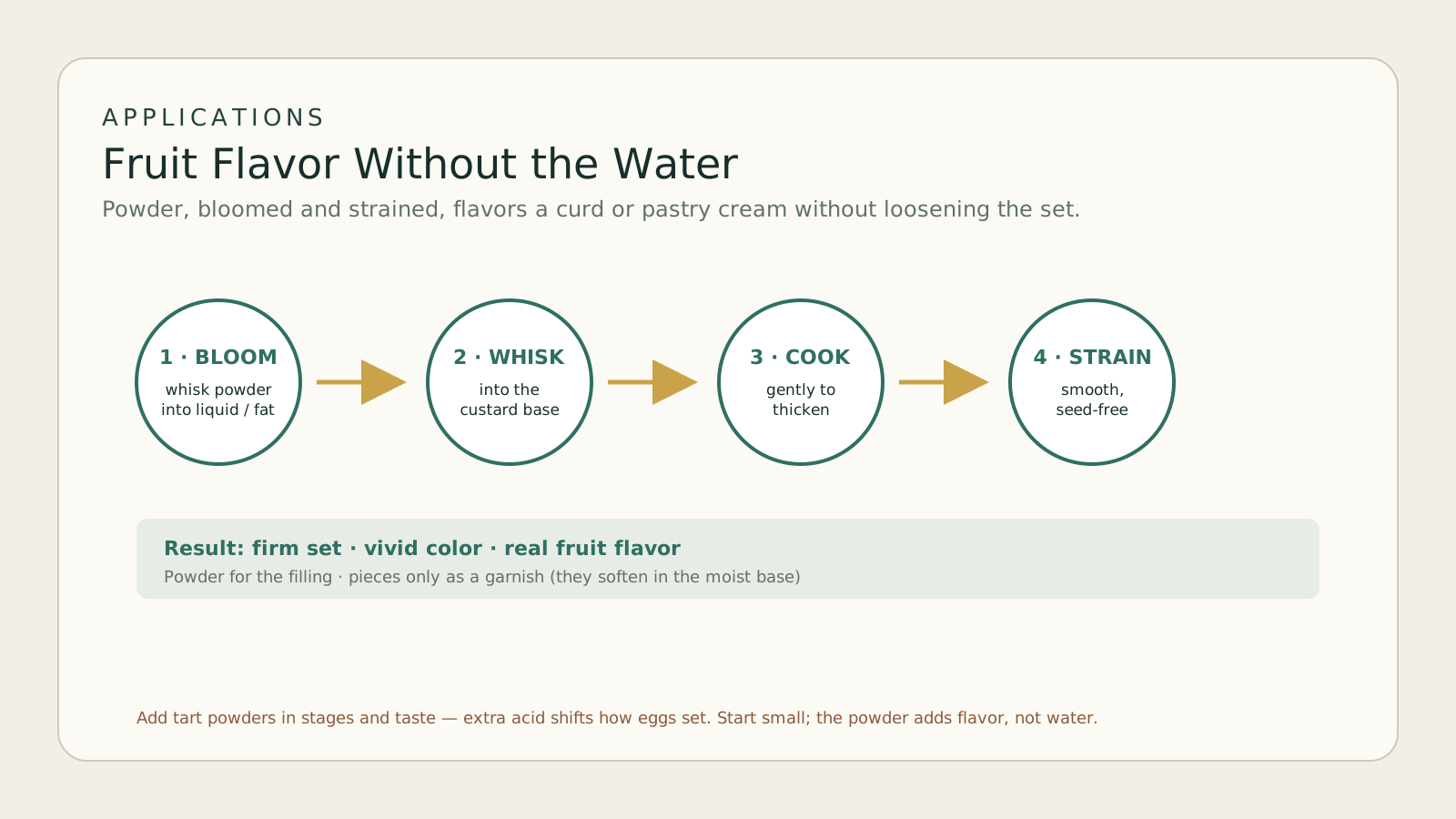
- Add tart, high-acid fruit powders (like berry, passion fruit, or citrus) with care in curds and custards, since extra acid can affect how eggs set and how much acid you need to balance; taste and adjust rather than dumping a large amount in at once.
- Whisk the powder into a liquid or fat before it hits the hot base — bloom it in the milk, juice, or melted butter — so it hydrates evenly and disperses, then cook and strain as usual for a smooth, fruit-forward filling.
A fruit curd or a pastry cream lives or dies on two things: a clean set and real fruit flavor. Those two goals usually fight each other, because the obvious way to get fruit flavor — stirring in fresh purée — floods the filling with water and loosens the very set you are trying to protect. Freeze-dried fruit resolves the conflict. It is the fruit with the water taken out, so a spoonful of powder carries concentrated flavor and color into a custard without thinning it. The whole technique comes down to adding it in a form and at a moment that keep the filling smooth.
The direct answer
Grind freeze-dried fruit to a fine powder, hydrate it in a liquid or fat before it meets the hot base, then cook and strain the filling as you normally would. Blooming the powder in the milk for pastry cream, the juice or butter for a curd, or a little water lets it disperse evenly instead of clumping. Because the powder adds almost no water, you can push the fruit flavor up without softening the set — the main risks are grit from powder that was too coarse or not fully hydrated, and, with tart fruits, an acid load that shifts how the eggs behave.
Why powder beats purée here
Fresh purée is mostly water, and every spoonful you add to reach a strong fruit taste also dilutes the fat, the eggs, and the structure holding the filling together. You end up choosing between flavor and firmness. Freeze-dried powder removes that trade-off: the water is already gone, so the flavor and color arrive without the liquid. That is exactly what a curd meant to hold its shape in a tart shell, or a pastry cream that has to pipe cleanly, needs.
The color advantage is real too. A gentle custard cook preserves the vivid pigment of a freeze-dried raspberry or passion fruit better than a long hot reduction of fresh fruit would. You are not simmering away water and dulling the fruit; you are folding in fruit that is already concentrated.
Getting it smooth
The one thing powder can do that purée cannot is leave grit, and that is entirely avoidable. Start by making the powder genuinely fine — blitz the freeze-dried pieces and sieve out any stubborn bits or seeds. Then bloom it. Whisk the powder into a warm or room-temperature liquid or into the melted butter and give it a moment to absorb before it hits the hot base. Powder dropped straight into a hot pot clumps; powder that has already hydrated disperses.
Finish the way you would any custard: cook it to the right thickness, then pass it through a fine strainer. Straining catches stray seeds and any lumps that survived, and it is the difference between a filling that feels professionally smooth and one that feels sandy on the tongue.
Egg-set fillings respond to acidity, and freeze-dried berries, passion fruit, and citrus concentrate it. A modest amount mostly brightens the flavor, but a big dose of a very tart powder shifts the balance and can affect the texture of the set. Add tart powders in stages, taste as you go, and rebalance the sugar and any lemon you would normally include rather than dumping a large amount in at once.
How much, and when
There is no universal quantity, because fruits differ wildly in intensity and recipes differ in volume. The dependable method is to start with a couple of tablespoons of powder in the base, taste it warm, and build up until the flavor and color land where you want them. Passion fruit and raspberry go a long way; banana and mango need more to register. Since the powder contributes so little liquid, adding more deepens flavor rather than loosening the filling — though a very large amount of an absorbent powder can thicken the base, so be ready to shorten the cook if it stiffens.
If you are adapting a recipe you trust, treat the fruit powder as an addition to tune rather than a one-for-one swap for an ingredient. Fold it in as part of the base, not at the end, so it cooks into the filling evenly.
Pieces are a garnish, not a filling
It is tempting to fold crushed freeze-dried pieces into the custard for texture, but moisture will reach them and they will soften within a short time, reading as soft fruit rather than crisp bits. If you want crunch to survive to the plate, keep pieces separate — scatter them over a finished tart or between layers just before serving. Inside the filling, powder is the right tool; on top, pieces are. Used that way, freeze-dried fruit gives you a curd, custard, or pastry cream that tastes emphatically of the fruit, holds its set, and keeps its color — the combination that fresh purée rarely manages at once.
Frequently Asked Questions
Why use freeze-dried fruit instead of fresh purée in a custard?
Fresh fruit purée is mostly water, and water is the enemy of a firm set. Adding enough purée to taste the fruit often thins the custard, dilutes its richness, and can wash out the color. Freeze-dried fruit is the fruit with the water removed, so a powder delivers concentrated flavor and vivid color while adding almost no liquid. That lets you push the fruit character up without loosening the filling — a real advantage in curds and pastry creams that need to hold a shape. The trade-off is that you must hydrate the powder properly so it does not stay gritty.
How do I keep the powder from making the filling grainy?
Grit comes from powder that never fully hydrated or from pieces that were too coarse. Start with a fine powder — blitz freeze-dried pieces and sieve out any bits. Then bloom it: whisk it into a room-temperature or warm liquid or fat (the milk for pastry cream, the juice or a little water for a curd, or the melted butter) and let it sit a moment to absorb before it meets the hot base. Cooking and then passing the finished filling through a fine strainer catches any stray seeds or lumps and leaves it smooth.
Does the acid in berry or citrus powders affect the set?
It can. Egg-thickened fillings are sensitive to acid — it influences how the proteins coagulate and how the finished curd or custard behaves — and freeze-dried tart fruits concentrate that acidity. A modest amount usually just brightens the flavor, but a large addition of a very tart powder changes the balance and can affect texture. The practical approach is to add it in stages, taste, and adjust the other elements (sugar, and any lemon you would normally add) rather than front-loading a big dose. If you are adapting a trusted recipe, treat the fruit powder as an addition to tune, not a free substitution.
How much freeze-dried fruit should I add?
There is no single number because it depends on the fruit's intensity and the recipe volume, but the reliable method is to start small and build. Add a couple of tablespoons of powder to the base, taste once it is warm, and increase gradually until the flavor and color are where you want them. Very intense fruits like passion fruit or raspberry go a long way; milder ones like banana or mango need more. Because the powder adds so little liquid, adding more mostly deepens flavor rather than loosening the set — though a very large amount of an absorbent powder can thicken the base, so adjust cooking time if it stiffens.
Can I fold in freeze-dried pieces for texture too?
You can, but do it at the end and expect them to soften. Whole or crushed freeze-dried pieces stirred into a warm, moist filling will absorb liquid and lose their crunch fairly quickly, so they read as soft fruit inclusions rather than crisp bits. If you want crunch to survive, keep pieces separate and add them just before serving — scattered on top of a tart or between layers — rather than folding them into the custard where moisture will reach them. Powder is the tool for flavoring the filling itself; pieces are a garnish.
Will the color hold up when cooked?
Freeze-dried fruit powders bring strong natural color, and gentle custard cooking generally preserves it better than a long, hot reduction of fresh purée would. That said, some pigments dull with prolonged heat and with time, and pairing a red or purple fruit with a yellow egg base shifts the final shade. Add the powder so it is well dispersed, avoid overcooking, and judge the color in the finished, cooled filling rather than the hot pot. If you need a specific vivid shade, a slightly larger dose of powder compensates for the softening that heat and the egg base cause.