- Freeze-dried fruit works in nut and seed butters where fresh fruit fails, because it carries flavor and color with almost no moisture — so it does not turn a shelf-stable-ish spread into something that spoils fast.
- Blend it in as a powder near the end, after the nuts have released their oil; start with a small amount, because freeze-dried fruit is concentrated and its natural sugar and fiber can thicken the butter and make it drier.
- Keep water out at every step — dry equipment, dry storage — since any added moisture both shortens keeping time and can make the fruit clump; refrigerate the finished butter and use it within a couple of weeks.
Homemade nut and seed butters are one of the simplest things you can make: blend nuts long enough and they turn to silk. The temptation is to flavor them with fruit — strawberry almond butter, raspberry tahini, blueberry cashew — and the obvious way, fresh fruit or a spoon of jam, is exactly the way that ruins them. Water is what shortens a nut butter's life and thins its texture, and fresh fruit and jam are mostly water. Freeze-dried fruit solves the problem by bringing the flavor and color without the moisture, which makes it close to the ideal fruit for the job.
The direct answer
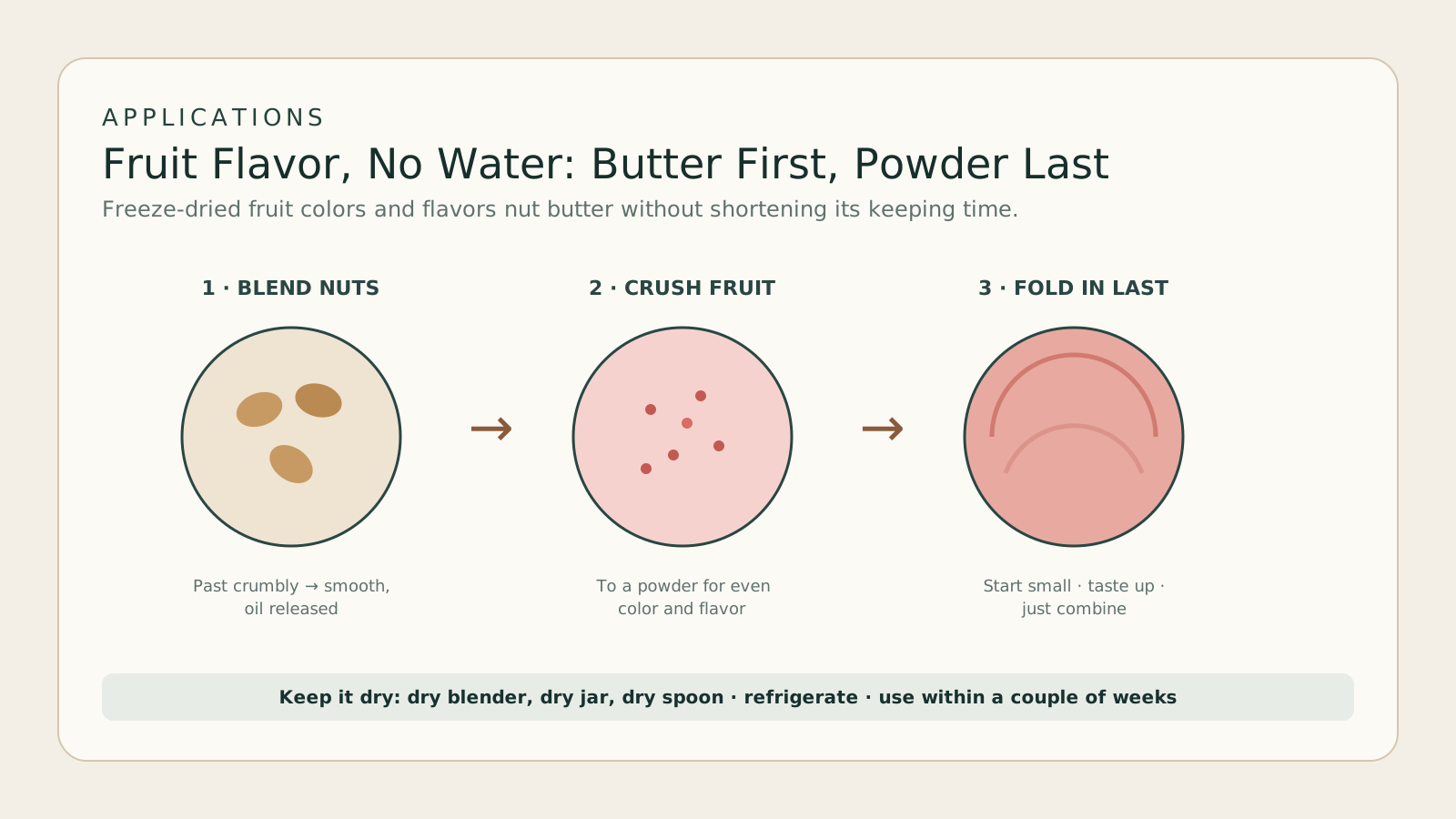
Blend your nuts or seeds to a smooth butter first, then fold in freeze-dried fruit as a powder near the end, starting with a small amount and tasting up. Because freeze-dried fruit is almost entirely dry, it flavors and colors the butter without adding the water that would cut its shelf life or make it separate and weep. Keep everything dry — dry blender, dry jar, dry spoon — refrigerate the finished butter, and use it within a couple of weeks.
Why dryness is the whole point
A nut or seed butter is a fat system. It is oil and solids with essentially no water, and that dryness is a big part of why an unopened commercial jar keeps at room temperature. The moment you introduce water — from fresh fruit, from jam, from a wet spoon — you change the equation: you shorten how long the butter stays good and you invite separation, where a watery layer sits over the oil.
Freeze-dried fruit sidesteps all of that. The water has already been removed, so what you are adding is concentrated fruit flavor, pigment, natural sugar, and fiber, with only a trace of moisture. That is why it succeeds where fresh berries and jam fail. You get a genuinely fruit-flavored spread that behaves like a nut butter rather than a runny fruit-and-oil mixture.
How to blend it in
Start by making the butter itself. Blend or process your nuts or seeds — almonds, cashews, peanuts, sunflower seeds, sesame for tahini — patiently through the crumbly stage until they release their oil and turn to a smooth paste. This is the part that takes time and cannot be rushed; the fruit comes after.
Once you have a smooth butter, add the fruit. Crush or blend freeze-dried strawberries, raspberries, blueberries, or mango to a powder, add a small amount, and blend just enough to work it through evenly. Powder is the right form for a spread because it disperses fully and colors the whole batch, so every bit of toast gets fruit rather than the occasional lump. If you want little bursts of texture, you can fold small pieces in at the very end, but know they will gradually soften as they draw oil and traces of moisture from the butter.
Freeze-dried fruit's sugar and fiber thicken a butter. Add it before the nuts have released their oil and you make the mixture stiff and dry too early, forcing the machine to labor. Get the butter smooth first, then fold the fruit in — the mix stays workable and you keep control of the final texture.
Start small — it is more concentrated than it looks
The most common mistake is treating freeze-dried fruit like fresh fruit and adding a lot. It is concentrated: a modest spoonful of powder per cup of finished butter delivers real flavor and strong color. Beyond that, its natural sugar and fiber start to thicken the spread and pull it toward dry and pasty, and once it is stiff there is no easy way to loosen it back to silky without adding oil.
So build up rather than dump in. Add a little, blend, taste, and add more until the fruit reads clearly. This also lets you tune the pairing — a brighter, tart fruit like raspberry cuts the richness of cashew or peanut, while mango leans sweet and mellow against almond or sesame. Climbing to the flavor you want protects both the taste and the texture.
Keeping it good
Because freeze-dried fruit adds so little water, a fruit-flavored homemade butter keeps about as well as a plain one — which is to say, not as long as a commercial jar. Homemade nut and seed butters have no preservatives, separate naturally, and go stale faster, and the fruit you have added is one more component that can pick up humidity if you give it the chance.
The rules are simple and worth following. Use dry equipment and a clean, dry, sealed jar; never dip a wet or used spoon back into the batch. Refrigerate the finished butter, which slows both staling and any moisture mischief, and plan to use it within a couple of weeks. Give it a stir if the oil rises. And trust your senses: if the butter ever smells sharp or off, or looks or tastes wrong, throw it out rather than risk it. Handled this way, freeze-dried fruit turns a plain jar of nut butter into strawberry-almond or raspberry-tahini without trading away the dryness that made the butter good in the first place.
Frequently Asked Questions
Why use freeze-dried fruit instead of fresh or jam?
Because water is the enemy of a nut or seed butter's keeping quality, and both fresh fruit and jam add a lot of it. Stirring fresh berries or jam into a jar of nut butter introduces moisture that can shorten shelf life and, with jam, a load of added sugar. Freeze-dried fruit brings the same fruit flavor and vivid color with almost no water, so it flavors the butter without turning it into a fast-spoiling, watery mix. That is the whole reason it suits this job.
Powder or pieces — how should I add it?
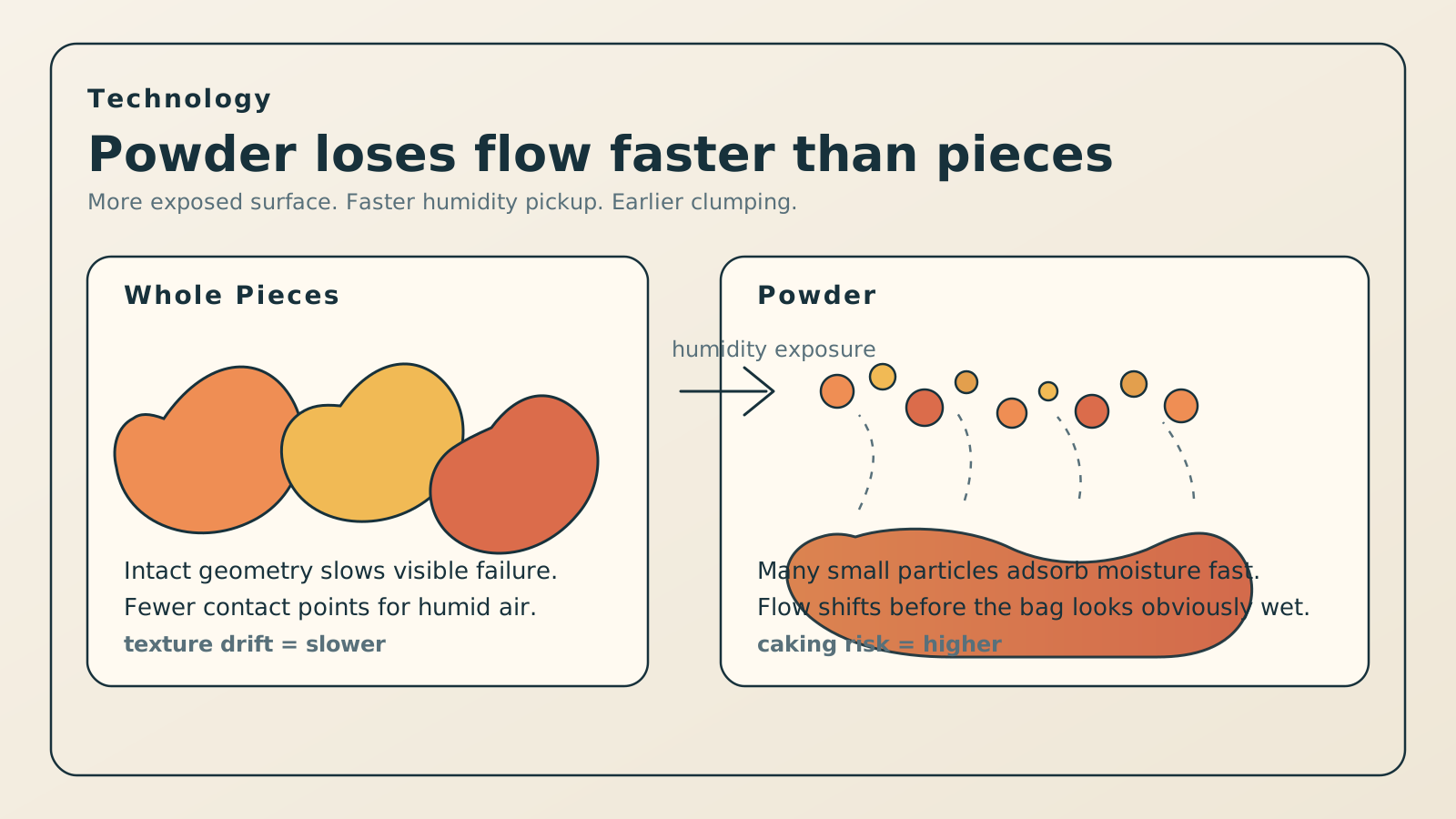
Powder for flavor that runs all the way through, pieces for texture. Crushing or blending freeze-dried fruit to a powder lets it disperse evenly and color the whole batch, which is what most people want in a spread. If you like little bursts of fruit, you can fold in small pieces at the very end, but they will soften over time as they slowly pick up moisture and oil from the butter. For a smooth, even result, go with powder.
When in the process do I add it?
Near the end. Making nut or seed butter is mostly about blending the nuts long enough that they pass the crumbly stage and release their oil into a smooth paste. Add the fruit powder once you are there, then blend just enough to combine. Adding fruit too early does not ruin anything, but it can thicken the mix before the nuts have loosened, making the machine work harder and the butter drier than you intended.
How much fruit should I use?
Start small — a modest spoonful of powder per cup of finished butter — then taste and build up. Freeze-dried fruit is concentrated, so a little delivers a lot of flavor and color, and its natural sugar and fiber also thicken the butter and pull it toward dry. If you overdo it, the spread stiffens and can turn pasty. You can always add more; you cannot easily take it back out, so climb up to the flavor you want rather than dumping it all in at once.
Does adding fruit change how long the butter keeps?
As long as you keep water out, freeze-dried fruit adds very little moisture, so it does not dramatically shorten keeping quality the way fresh fruit would. That said, homemade nut and seed butters have no preservatives and separate and go stale faster than commercial jars, and any fruit you add is one more thing that can pick up humidity. Store the butter in a clean, dry, sealed jar, refrigerate it, and use it within a couple of weeks. If you ever see or smell anything off, discard it.