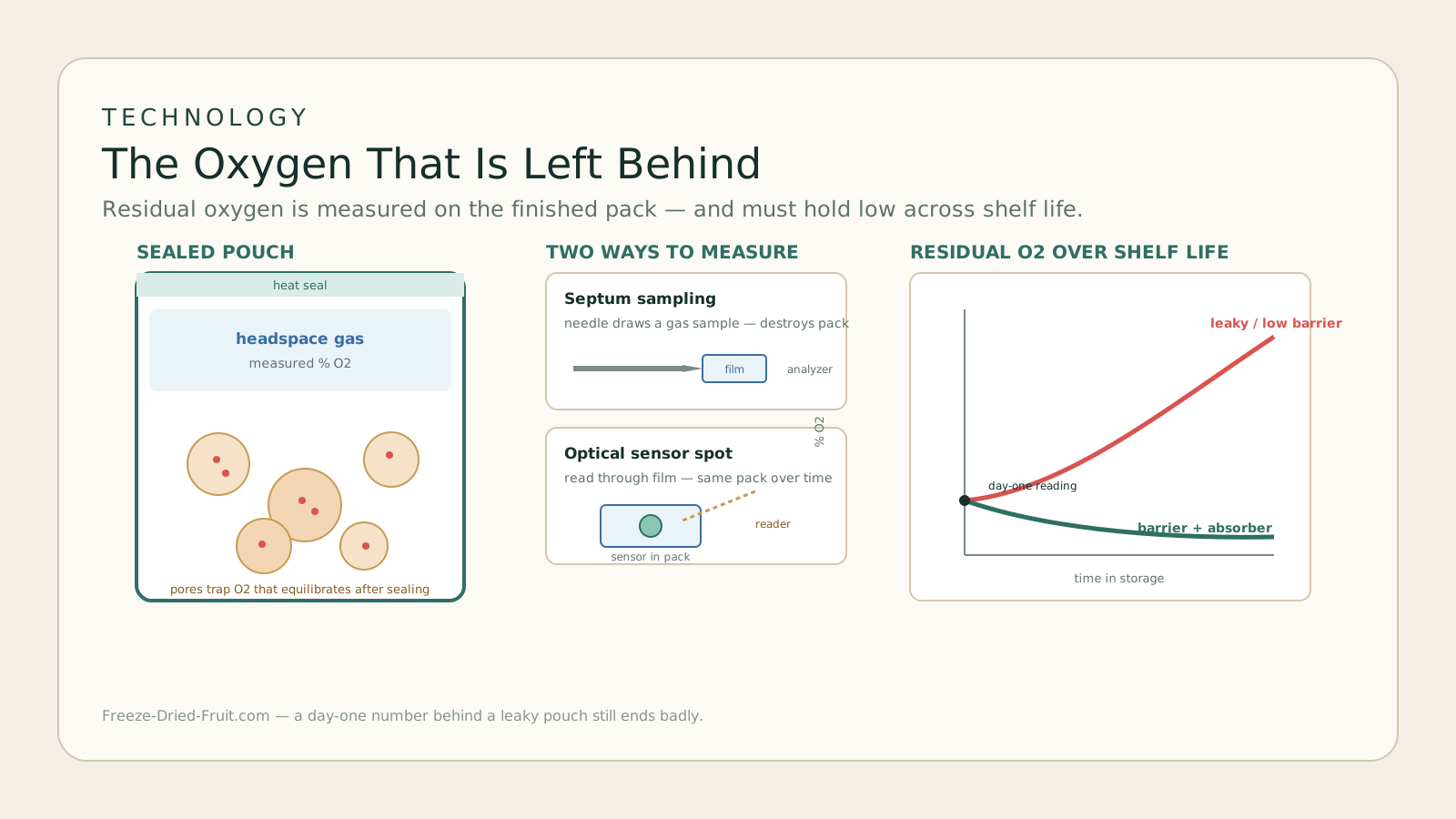
- Residual oxygen — the percentage of oxygen left in the headspace and pores after flushing and sealing — is the number that governs oxidative color loss and aroma fade, not whether a pack was 'nitrogen flushed' at all.
- It is measured on finished packs with a headspace oxygen analyzer, either by drawing a small gas sample through a septum or with a non-destructive optical sensor read through the film, and the reading only means something alongside a known seal and a stable storage history.
- Getting residual oxygen low and keeping it there depends on flush efficiency, absorber sizing, product porosity, and — most easily overlooked — the barrier film holding out fresh oxygen over shelf life, so a good day-one number can still climb if the pouch leaks or the film is weak.
Packaging copy loves the phrase "nitrogen flushed," and for freeze-dried fruit it points at a real concern: this is a porous, high-surface-area product that oxidizes readily, losing color and aroma when exposed to oxygen. But the phrase describes an intention, not a result. What actually protects the fruit is the oxygen left inside the pack after it is flushed and sealed — the residual oxygen. That is a number you measure, and the whole practice of oxygen control comes down to getting it low and keeping it there.
The direct answer
Residual oxygen is the oxygen remaining in a sealed pack's headspace and product pores, usually reported as a percentage of the headspace gas. It is measured on finished packs with a headspace oxygen analyzer — either by drawing a small gas sample through a septum, which destroys the pack, or with a non-destructive optical sensor read through the film, which lets the same pack be tracked over time. A single reading at packing is not enough: because oxygen permeates the film and can leak through seals, the value that matters is the one at the end of shelf life under real storage. Controlling it well means combining an effective flush or absorber with a barrier film and seal that hold oxygen out over the pack's whole life.
Why the flush is only half the story
Flushing displaces most of the air in a pouch with nitrogen, but "most" is doing a lot of work. A short flush cycle, a fast line, a product that traps air in its pores, or a seal that pulls in a bit of atmosphere all leave oxygen behind. Two packs can both be honestly described as nitrogen flushed and hold very different amounts of oxygen. The only way to know which is which is to measure the finished pack.
For freeze-dried fruit the stakes are higher than for a denser food. The same open pore structure that gives the fruit its light crunch also gives oxygen an enormous surface to attack, so relatively small amounts of residual oxygen can still drive visible color fade and a flattening of aroma over time. Measuring residual oxygen turns a vague assurance into a controllable specification.
How it is measured
There are two established methods, and they answer slightly different questions.
The destructive approach uses a headspace analyzer with a fine needle that punctures a self-sealing septum applied to the pack. The instrument draws a small gas sample and reports the oxygen percentage, after which the pack is discarded. It is fast and well suited to line checks where you sample a few packs per run.
The non-destructive approach places a tiny oxygen-sensitive sensor spot inside the pack before sealing. An optical reader then measures the oxygen through the film without opening anything, so the same pack can be read again and again across its shelf life. That makes optical sensing the natural choice for shelf-life studies, where you want to follow one unit over weeks or months rather than destroy a fresh pack at every time point.
Whichever method you use, a residual oxygen number only means something in context. You need to know the pack was properly sealed — a leaking pouch is measuring the room, not the packaging — and you need to know its storage history, because heat and humidity change what is happening inside.
An oxygen absorber keeps scavenging after the pack is sealed, so residual oxygen can keep dropping for a while before it settles. A reading taken immediately after sealing may be higher than the level the pack eventually reaches. When an absorber is in play, let it work and measure after it has had time to act — and confirm the absorber still has capacity, rather than assuming a low number will hold on its own.
Why day-one numbers are not enough
A sealed pack is not a perfectly closed box. Oxygen slowly permeates through the film at a rate set by the film's oxygen transmission rate, and it can enter faster through a weak or channeled seal. If that ingress outpaces any absorber capacity, headspace oxygen climbs over shelf life even when the packing-day reading looked excellent. This is the single most common way a well-intended pack still fails: a strong start behind a leaky or low-barrier pouch.
It is why residual oxygen should be measured at packing and again across storage, and why barrier film choice and seal integrity belong in the same conversation as the flush. A great flush into a poor barrier buys you a good first week and a disappointing final month.
What porosity and product form change
Freeze-dried fruit's porosity works against a clean flush. The pores hold air that a surface sweep of nitrogen does not always reach, and that trapped oxygen can slowly equilibrate into the headspace after sealing, nudging the measured value upward. Denser pieces, powders, and different fill styles all carry in different amounts of air and respond differently to flushing. A light, fluffy whole-piece product and the same fruit milled to powder do not behave identically, so residual oxygen should be validated on the actual form and fill you ship, not on a convenient stand-in.
Setting a target you can defend
There is no universal residual oxygen figure to copy. The right target depends on how oxidation-prone the fruit is, how much color and aroma you must protect, how long the shelf life is, and whether an absorber is present. Lower is generally better for sensitive fruit, and flushing alone usually cannot reach the very low levels an absorber inside a strong barrier can. The dependable way to set a spec is to run your own product: measure residual oxygen at packing and across storage, watch how color and aroma actually change, and pick the level that keeps the fruit acceptable to the end of its life. That number — grounded in your fruit, your film, and your shelf life — is worth writing down. A borrowed one is just another intention.
Frequently Asked Questions
What is 'residual oxygen' and why does it matter more than nitrogen flushing?
Residual oxygen is the oxygen that remains inside a pack after it has been flushed and sealed — usually expressed as a percentage of the headspace gas, sometimes also as an absolute amount. It matters because oxidation is driven by the oxygen the fruit is actually exposed to, not by the intention behind the packaging. A pouch can be labeled nitrogen flushed and still hold several percent oxygen if the flush was brief, the product trapped air in its pores, or the seal drew in a little atmosphere. Measuring residual oxygen tells you what the fruit is really sitting in; 'nitrogen flushed' only tells you a step was attempted. For freeze-dried fruit, whose porous, high-surface-area structure oxidizes readily, that difference shows up as faded color and dulled aroma.
How is residual oxygen actually measured?
Two common approaches. The destructive method uses a headspace analyzer that pushes a fine needle through a self-sealing septum on the pack, draws a small gas sample, and reports the oxygen percentage; the pack is then discarded. The non-destructive method places a tiny oxygen-sensitive sensor spot inside the pack before sealing and reads it through the film with an optical instrument, so the same pack can be checked repeatedly over its shelf life. Optical sensing is well suited to shelf-life studies because it tracks the same unit over time; needle sampling is quick for line checks. Either way the reading is only meaningful if you also know the pack was properly sealed and how it has been stored, since a leak or a warm, humid history changes what you are measuring.
What residual oxygen target is realistic for freeze-dried fruit?
There is no single universal figure, because the right target depends on the fruit's sensitivity, the color and aroma you need to protect, the intended shelf life, and whether an absorber is present. As a general principle, lower is better for oxidation-prone fruit, and packs relying on flushing alone typically cannot reach the very low levels that an oxygen absorber inside a good barrier can achieve. Rather than chasing a number copied from elsewhere, set a target by running your own product, measuring residual oxygen at packing and again across storage, and correlating those readings with the color and aroma changes you observe. The target that keeps your specific fruit acceptable to end of life is the one worth writing into a spec.
Why does residual oxygen sometimes rise over shelf life even after a good flush?
Because the pack is not a perfectly closed box. Oxygen permeates slowly through the film — governed by the film's oxygen transmission rate — and can leak faster through a weak or channeled seal. If the ingress outpaces whatever absorber capacity is present, headspace oxygen climbs over weeks or months even though day-one numbers looked good. This is why a single measurement at packing is not enough: the value that protects the fruit is the one at the end of shelf life, under real storage. It is also why barrier film choice and seal integrity matter as much as the flush itself — a strong start behind a leaky pouch still ends badly.
Do oxygen absorbers change how you measure and interpret the result?
Yes. An absorber keeps scavenging oxygen after sealing, so residual oxygen can keep falling for a period after packing before settling. That means an immediate post-seal reading may be higher than the level the pack settles at once the absorber has worked, so timing your measurement matters when an absorber is present. It also means the absorber must be sized for both the oxygen sealed in and the oxygen that will permeate in over shelf life; an undersized absorber can be overwhelmed late in life and let oxygen rise. When interpreting a low reading with an absorber, confirm the absorber still has capacity rather than assuming the low number will hold on its own.
Does product porosity affect residual oxygen?
It does. Freeze-dried fruit is highly porous, and those pores hold air that a surface flush does not always sweep out. Trapped oxygen inside pieces can slowly equilibrate into the headspace after sealing, nudging the measured value up. Denser pieces, powders, and the way the pack is filled all change how much air is carried in and how easily flush gas displaces it. This is one reason bench flushing of a light, fluffy product can behave differently from the same fruit ground to powder, and why residual oxygen should be validated on the actual product form and fill you ship, not a proxy.