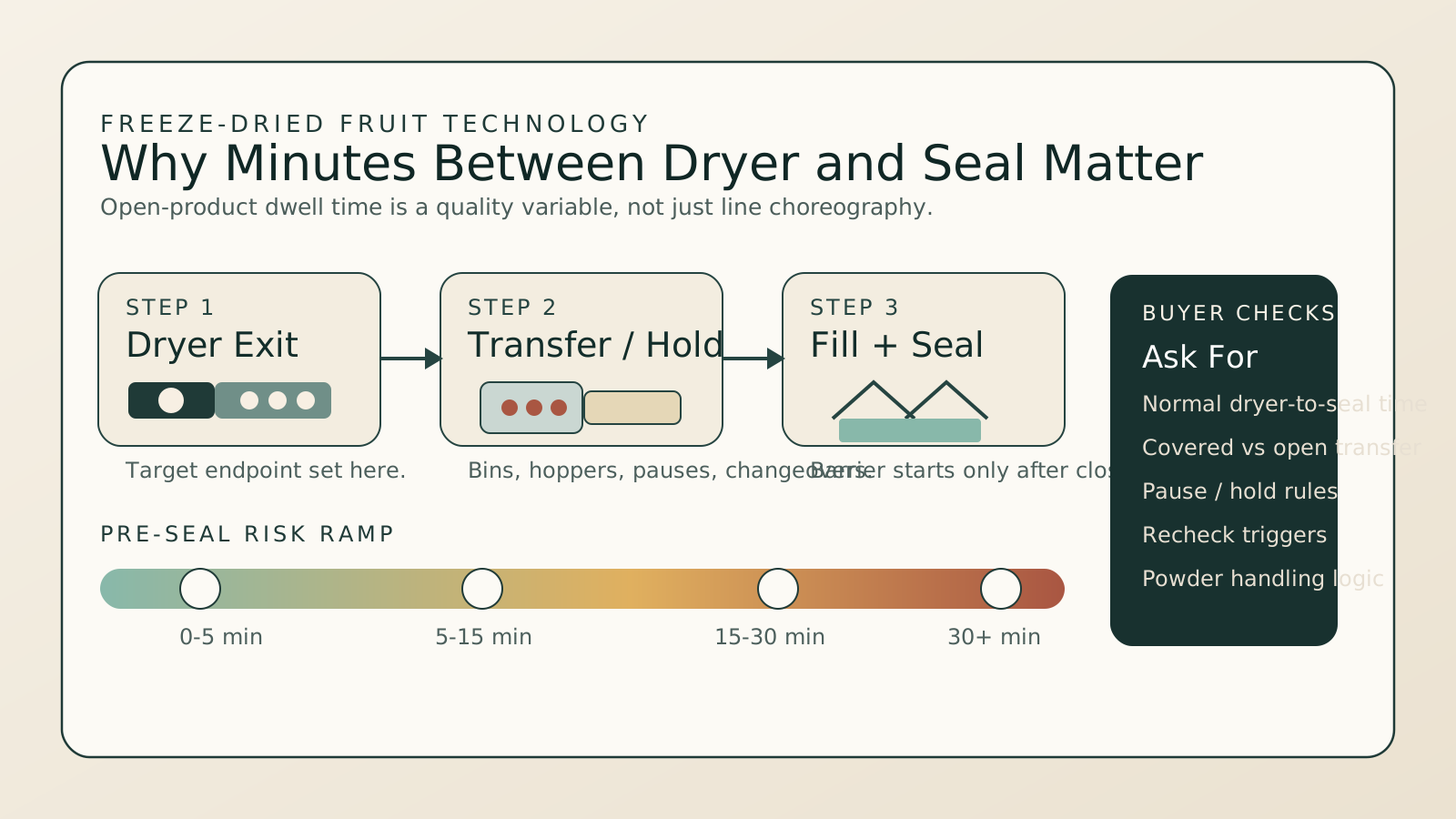
- Open-product dwell time is a separate control point from packaging-room humidity and from the pouch spec itself.
- Freeze-dried fruit is hygroscopic enough that hopper delays, line stoppages, and long staging windows can narrow the texture margin before sealing.
- Serious operators define time limits, pause rules, and recheck points instead of treating transfer time as informal line behavior.
- Buyers should ask how long finished fruit stays exposed between dryer discharge, filling, and final seal.
Freeze-dried fruit can leave the chamber in good shape and still lose part of its quality margin before the pouch is ever sealed.
That is the operational blind spot behind a lot of confusing complaints. The film may be respectable. The seal may test well. The fruit may still open slightly flatter than the approved sample because too much time passed between dryer discharge and final closure.
The direct answer
Minutes between dryer discharge and sealing matter because freeze-dried fruit is hygroscopic. When finished fruit sits exposed in a room, hopper, bin, or paused filling line, it starts moving toward the humidity conditions around it. The longer that exposure lasts, the more likely the product is to give up some of its crisp safety margin before the pouch begins protecting it.
In practical terms, dwell time is part of the moisture-control chain.
Dwell time is not just another way to say room humidity
The site already has reason to care about packaging-room humidity. This is the next layer down.
Humidity tells you what kind of air the fruit sees. Dwell time tells you how long it sees that air. Both matter, but they answer different questions:
- room humidity asks whether the environment is suitable
- dwell time asks whether the line behavior is disciplined
A supplier can have a decent room and still create drift through:
- long bin staging after unloading
- hoppers left waiting during changeover
- partially filled pouches sitting before final seal
- repeated micro-stoppages that stretch exposure far past the intended window
That is why "our room is controlled" is not a complete answer.
The short exposure windows that add up
Many freeze-dried fruit lines do not fail through one dramatic one-hour delay. They fail through a string of smaller windows that nobody treats as a specification:
- unloading product from the dryer
- moving it into intermediate bins
- staging before the filler is ready
- topping up hoppers during production
- clearing jams or reseating film
- handling rework or partial lots
Individually, each step may look harmless. Together, they can become the difference between a clean, glassy crunch and a pouch that feels slightly tired on opening.
FDA's water-activity guidance explains the science beneath that drift. Food and surrounding air move toward equilibrium. Freeze-dried fruit starts from a very dry state, so it does not need a dramatic environmental insult to start changing.
Which formats are least forgiving
Some products give operators a little more time than others. Some do not.
The most sensitive formats are usually:
- fruit powders
- crumble and fines
- thin slices
- small berry fragments
- high-surface-area blends
The reason is simple. More exposed surface means more opportunity for moisture exchange during handling.
Larger or denser pieces may hold up better for a short time, but "better" should not be confused with "safe without control." Whole pieces can still drift, especially if they are already near the high end of the allowed moisture range.
What disciplined operations usually define
Strong operators rarely manage this step with vague habits. They normally define:
- a target maximum time from dryer discharge to seal
- whether intermediate bins must be covered
- what happens during line pauses
- whether exposed product can continue normally or must be rechecked
- who has authority to hold a lot when the line runs outside the intended window
That structure matters because dwell time is easy to ignore when the product still looks fine. Freeze-dried fruit often stays visually attractive while texture margin is already slipping.
If a team can state the pouch WVTR but cannot state the normal dryer-to-seal window, the packaging review is incomplete.
Why the pouch cannot rescue this step later
This is the most important practical misunderstanding.
A barrier pouch protects the condition that actually gets sealed inside. It does not recreate the condition the fruit had earlier in the shift. If the pieces already absorbed enough moisture to dull the snap, the pouch can only slow additional decline.
That is why some post-launch complaints are so frustrating:
- the material specification looked right
- the seal check looked right
- the shelf-life target looked reasonable
Yet the commercial pouch still did not eat like the approved reference.
Sometimes the missing variable is not the laminate. It is the time the fruit spent exposed before that laminate ever became relevant.
What buyers should ask suppliers
Useful questions are operational and specific:
- What is the normal elapsed time from dryer discharge to final seal?
- Is product staged in open bins, closed bins, or covered hoppers?
- What is the pause rule if the line stops?
- When exposure runs long, is the lot rechecked for moisture or water activity?
- Are powders and fine blends packed under tighter time discipline than large pieces?
These questions reveal whether the supplier treats freeze-dried fruit as a brittle, low-moisture product or just another dry snack.
What this means for operators
For operators, the main lesson is that transfer time should be treated as a controlled parameter, not background movement between more important steps.
That usually means:
- defining the intended window
- documenting what happens when the window is exceeded
- making sure quality checks can catch drift before release
The team does not need a theatrical control system. It needs a real one.
Bottom line
Minutes between dryer discharge and sealing matter because freeze-dried fruit keeps interacting with the surrounding air until the pouch is closed. Long open-product dwell time narrows the texture margin that the package is supposed to protect.
For buyers and operators, the practical question is not only whether the room is controlled. It is whether the line controls how long finished fruit stays exposed before the seal is made.
Frequently Asked Questions
Why do minutes between dryer discharge and sealing matter?
Because freeze-dried fruit is dry, porous, and quick to exchange moisture with room air. Even when the room is reasonably controlled, long open-product dwell times can let the fruit absorb enough moisture to soften the texture margin before the pouch is sealed.
Is this the same issue as packaging-room humidity?
Related, but not identical. Humidity describes the environment. Dwell time describes how long the fruit is exposed to that environment. A moderate room can still create quality drift if product waits too long in bins, hoppers, or partially filled pouches.
Which products are most sensitive to dwell time?
Powders, crumble, thin slices, and small berry fragments are usually the least forgiving because they have high surface area and little structural protection. Larger pieces can tolerate a bit more handling time, but they are not immune.
Can a high-barrier pouch undo pre-seal exposure?
No. A strong pouch can slow future moisture pickup, but it cannot fully restore crunch that was already lost before sealing.
What should buyers ask suppliers about this step?
Ask for the normal time from dryer discharge to final seal, what happens during line stoppages, whether fruit sits in open bins or covered hoppers, and when moisture or water activity is rechecked if exposure runs long.
Primary sources & further reading
- 21 CFR 117.20 - Plant and Grounds Electronic Code of Federal Regulations Referenced for FDA current good manufacturing practice expectations around plant construction, condensate control, and protecting food and food-packaging materials from contamination.
- 21 CFR 117.80 - Processes and Controls Electronic Code of Federal Regulations Referenced for FDA's requirement that manufacturing, packing, and holding use quality-control operations and conditions that minimize contamination and deterioration.
- Water Activity (aw) in Foods U.S. Food & Drug Administration Referenced for FDA's explanation of equilibrium relative humidity and why low-moisture foods exchange moisture with surrounding air.
- FRUITS, FREEZE DRIED (A-A-20365) U.S. Department of Agriculture Agricultural Marketing Service Referenced for USDA's commercial framework treating freeze-dried fruit moisture as a controlled specification rather than a casual visual check.
External links open in a new tab. We do not receive compensation from any organization listed; sources are referenced because they are primary, current, and publicly verifiable.