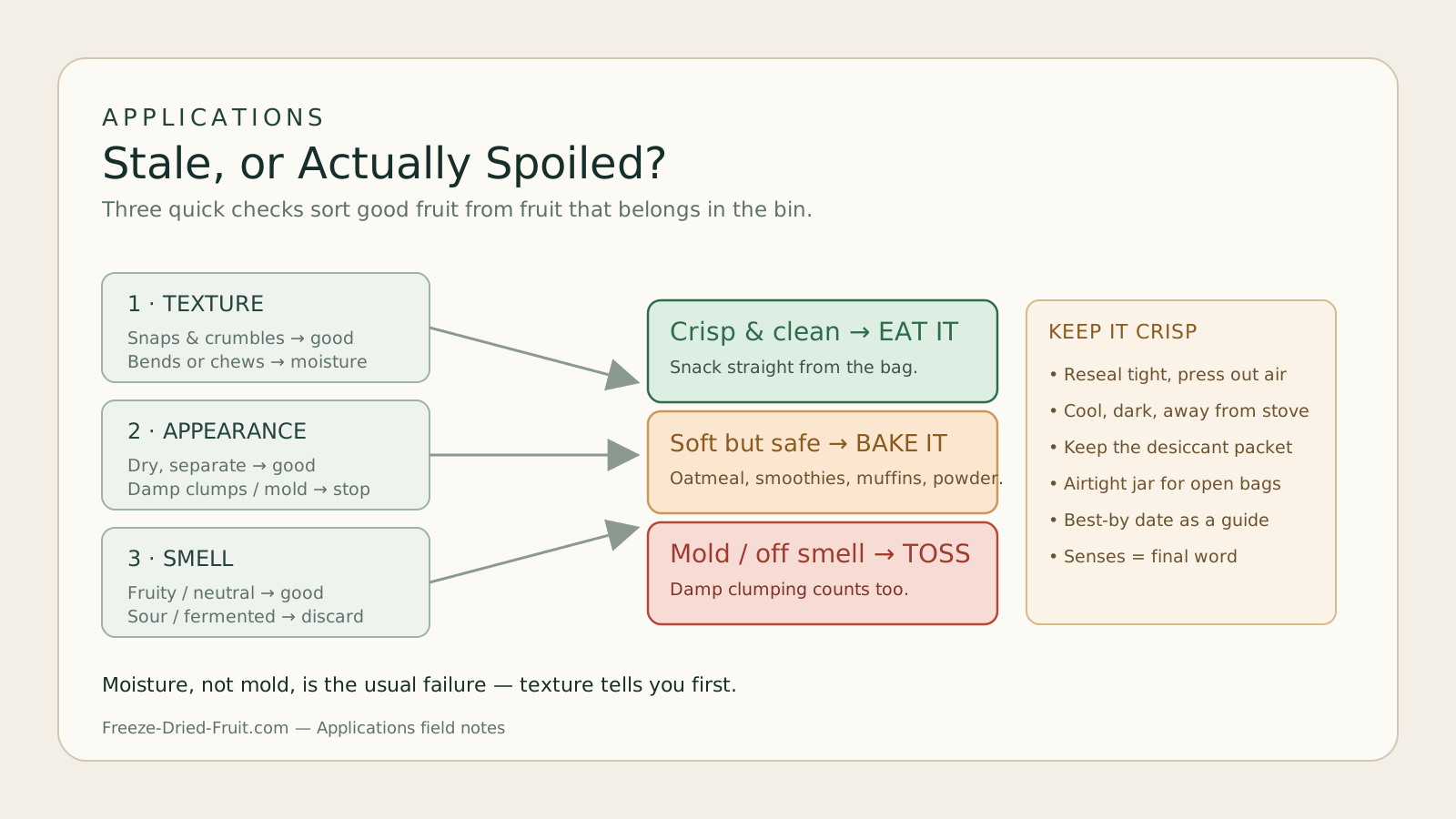
- The most common change is texture: freeze-dried fruit that has absorbed moisture turns from crisp and light to bendy, chewy, or hard, well before anything is unsafe.
- Soft or stale-but-dry fruit is usually a quality issue, not a safety one; it is still fine to bake into things where crunch does not matter.
- Throw it out if you see any mold, smell anything sour, fermented, or off, or find clumping and visible moisture inside the bag — those point to real water intrusion.
- Storage drives all of this: reseal tightly, keep it cool and dark, and minimize air exposure to keep crunch as long as possible.
Freeze-dried fruit does not usually rot the way a forgotten strawberry in the fridge does. That is the whole point of freeze-drying: with almost all the water removed, there is little for microbes to grow on. So the question "has this gone bad?" usually has a different, gentler answer than you expect.
The real enemy is moisture from the air. A bag left open or stored somewhere humid slowly pulls water back into the fruit, and the crisp, melt-in-your-mouth texture goes with it. Knowing the difference between "just soft" and "actually spoiled" saves you from tossing perfectly usable fruit — and tells you the rare times you genuinely should.
The direct answer
There are two different things happening, and they are worth keeping separate.
Staleness is a quality change. The fruit has absorbed a little moisture and lost its crunch, turning bendy, chewy, or hard. It is still safe. It just is not at its best.
Spoilage is a safety change. Enough moisture has gotten in that mold or fermentation becomes possible. This is uncommon with well-sealed freeze-dried fruit, but when it happens, the fruit should go straight in the bin.
Most of the time you are dealing with the first, not the second. The checks below tell you which.
Check 1: texture
Texture is the fastest and most reliable tell. Good freeze-dried fruit is light, rigid, and shatters or crushes cleanly. It should snap, not bend.
If a piece flexes instead of breaking, feels leathery, or has gone unexpectedly hard and dense, it has taken on moisture. That is stale, not dangerous. The fruit is fine to eat; it simply will not deliver the signature crunch.
Take one piece and try to fold it. A crisp, fresh piece snaps or crumbles. A stale piece bends like a fruit-leather strip. Bending means moisture — a quality flag, not a safety one.
Check 2: appearance
Look at the fruit and the inside of the bag. Fresh freeze-dried fruit has bright, characteristic color and separate, dry pieces.
Mild fading is normal over time, especially with light exposure, and is not a safety problem. What you are hunting for is anything that signals real water intrusion: pieces stuck together in damp clumps, a slick or tacky surface, condensation or moisture beads inside the bag, or — the clear stop sign — any fuzzy or discolored spots that look like mold. Light, dry clumping alone is just staleness. Damp clumping is different.
Check 3: smell
Give it a sniff. Freeze-dried fruit should smell like a concentrated version of the fruit, or like almost nothing.
Trust your nose here. Any sour, fermented, alcoholic, musty, or otherwise "off" smell means moisture has been in there long enough for something to happen, and the fruit should be discarded. A faint loss of aroma, on the other hand, is just age and is not a safety issue.
Putting the checks together
Run all three and the decision usually makes itself.
If it is crisp, normal-colored, and smells right, it is good — eat it as is. If it is soft or stale but the color and smell are normal with no mold, it is a quality issue: still fine, just not crunchy. And if you see mold, smell anything off, or find damp clumping and visible moisture, throw it out. When two or three signals disagree, let smell and mold be the deciders — those are the safety signals, while texture is mostly about quality.
What to do with stale-but-safe fruit
Soft freeze-dried fruit is not a loss. The texture that failed for snacking does not matter in most cooking. Crumble it into oatmeal, overnight oats, or yogurt, where it will soften anyway. Blend it into smoothies. Fold it into muffin, pancake, or cookie batter. Grind it to powder for flavoring drinks, frostings, or sugars.
What generally does not work is trying to re-crisp it at home. Once the fruit has reabsorbed moisture, a home oven or dehydrator will not restore true freeze-dried crunch and can scorch the fruit's sugars. Redirect it to a recipe instead.
How to keep it from getting stale
All of this traces back to storage. Air and humidity are what degrade freeze-dried fruit, so limiting both keeps it good far longer.
Reseal tightly after every use — press out excess air and close the zipper fully, or move the fruit to an airtight container. Keep it cool and dark, away from the stove, sunny counters, and humid spots. If the fruit came with a desiccant packet, keep it in the container. And follow the best-by date on the package as a guide, using the texture, look, and smell checks as the final word. Do that, and most of the time the only question you will ever face is how fast you eat it, not whether it has gone off.
Bottom line
Freeze-dried fruit almost always fails by going soft, not by spoiling. Use three quick checks — texture, appearance, smell — to sort it: crisp and normal means eat it; soft but clean-smelling means use it in baking or smoothies; mold, an off smell, or damp clumping means toss it. Store it sealed, cool, and dry, and staleness stays rare and spoilage rarer still.
Frequently Asked Questions
Does freeze-dried fruit actually go bad?
It can, but slowly and usually differently from fresh fruit. Kept dry and sealed it stays good for a long time. The common failure is picking up moisture from the air, which makes it soft or chewy. Real spoilage — mold or fermentation — only happens once meaningful moisture gets in.
Is soft or chewy freeze-dried fruit safe to eat?
If it is only soft or stale but still smells normal and shows no mold, it is generally a quality problem rather than a safety one. It just is not crisp anymore. If there is any mold, off smell, or visible moisture and clumping, throw it out instead.
Can I re-crisp freeze-dried fruit that went soft?
Not really at home. Because the fruit has reabsorbed moisture, a home oven or dehydrator will not restore the original freeze-dried crunch and can scorch the sugars. It is better to use soft fruit in baking, oatmeal, or smoothies where texture does not matter.
How long does freeze-dried fruit last after opening?
It depends heavily on storage, but an opened bag kept tightly resealed, cool, and dry often stays good for weeks to a few months. Exposure to humid air shortens that a lot. Follow the best-by date on the package and use your senses as the final check.
Why did my freeze-dried fruit clump together?
Clumping means it absorbed moisture, usually from an unsealed bag or a humid kitchen. Light clumping with no off smell is a quality issue. Heavy clumping with a damp feel or any sour smell means moisture has gotten in and the fruit should be discarded.
Primary sources & further reading
- Water Activity and Food Safety U.S. Food and Drug Administration Referenced for how low water activity limits microbial growth and why dry foods resist spoilage until moisture is reintroduced.
- Freeze Drying / Lyophilization Information U.S. Food and Drug Administration Referenced for the principle that freeze-dried foods are shelf-stable when kept dry and protected from moisture.
External links open in a new tab. We do not receive compensation from any organization listed; sources are referenced because they are primary, current, and publicly verifiable.