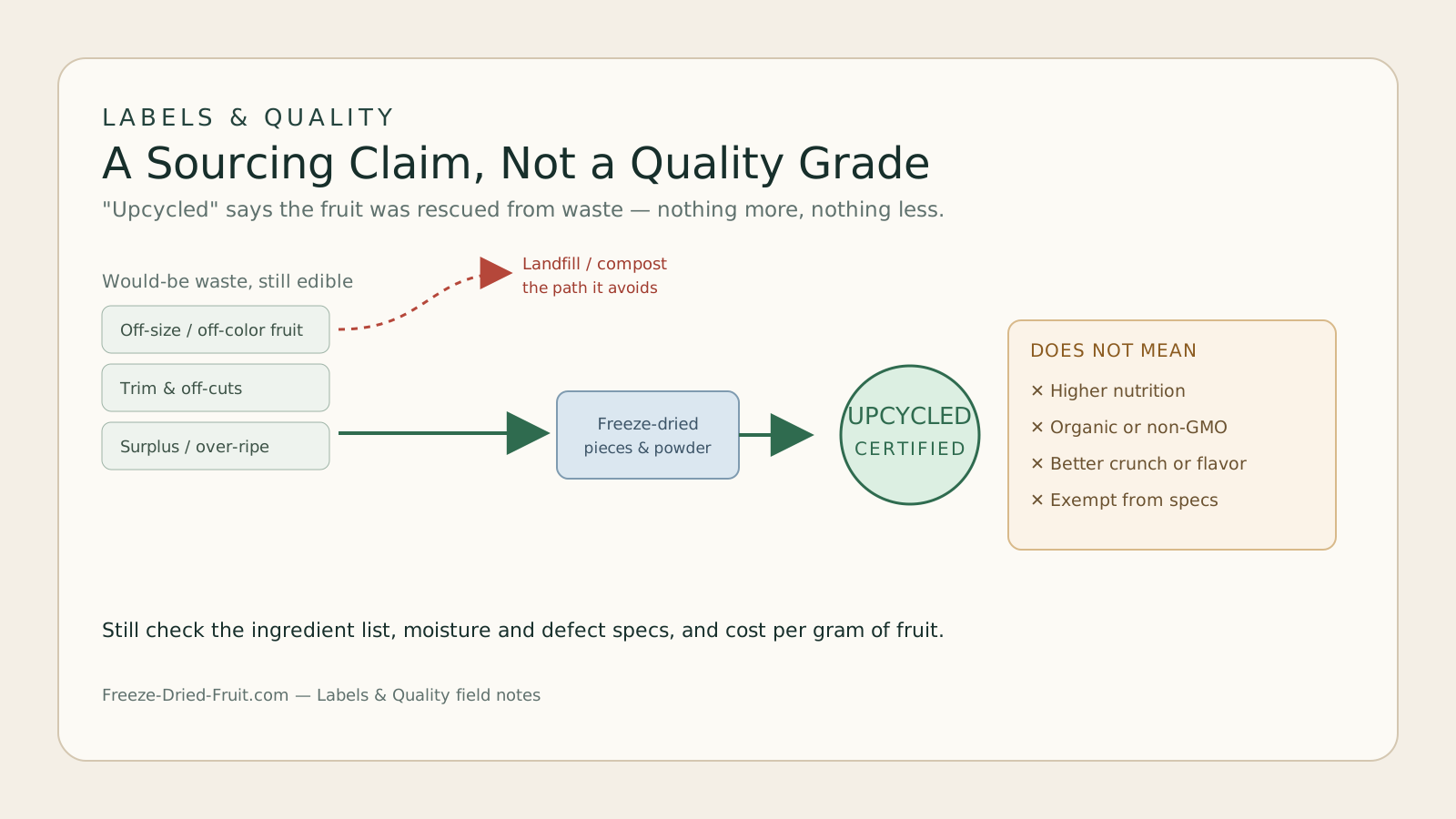
- Upcycled Certified is a third-party certification indicating an ingredient uses surplus or byproduct material that would otherwise not have gone to human consumption.
- It is a sourcing and food-waste claim, not a statement about nutrition, safety, organic status, or sensory quality.
- For freeze-dried fruit this often means imperfect, off-spec, or surplus fruit, or byproducts like trim and off-cuts, redirected into powders, pieces, or blends.
- Read it alongside the ingredient list and spec sheet: an upcycled ingredient still has to meet the same quality, moisture, and food-safety requirements as any other.
A newer badge has been turning up on fruit powders, snack blends, and crisps: Upcycled Certified. It sounds virtuous, and it is a real, third-party mark. But like most label claims, it answers one specific question and stays silent on the rest.
The question it answers is about where the raw material came from — specifically, whether it was rescued from a waste stream. It does not tell you the fruit is more nutritious, cleaner, higher quality, or organic. Reading it as a general "better" stamp is the mistake to avoid.
The direct answer
Upcycled Certified is a certification, run by the Upcycled Food Association, indicating that an ingredient or product uses material that would otherwise not have gone to human consumption — surplus, off-spec, or byproduct food redirected into the food supply. The program verifies that the upcycled content is genuine and traceable through the supply chain.
In plain terms: the mark says "this used food that was headed for waste." It is a sourcing and food-waste claim. It is not a claim about nutrition, safety, sensory quality, or farming method.
What it looks like for freeze-dried fruit
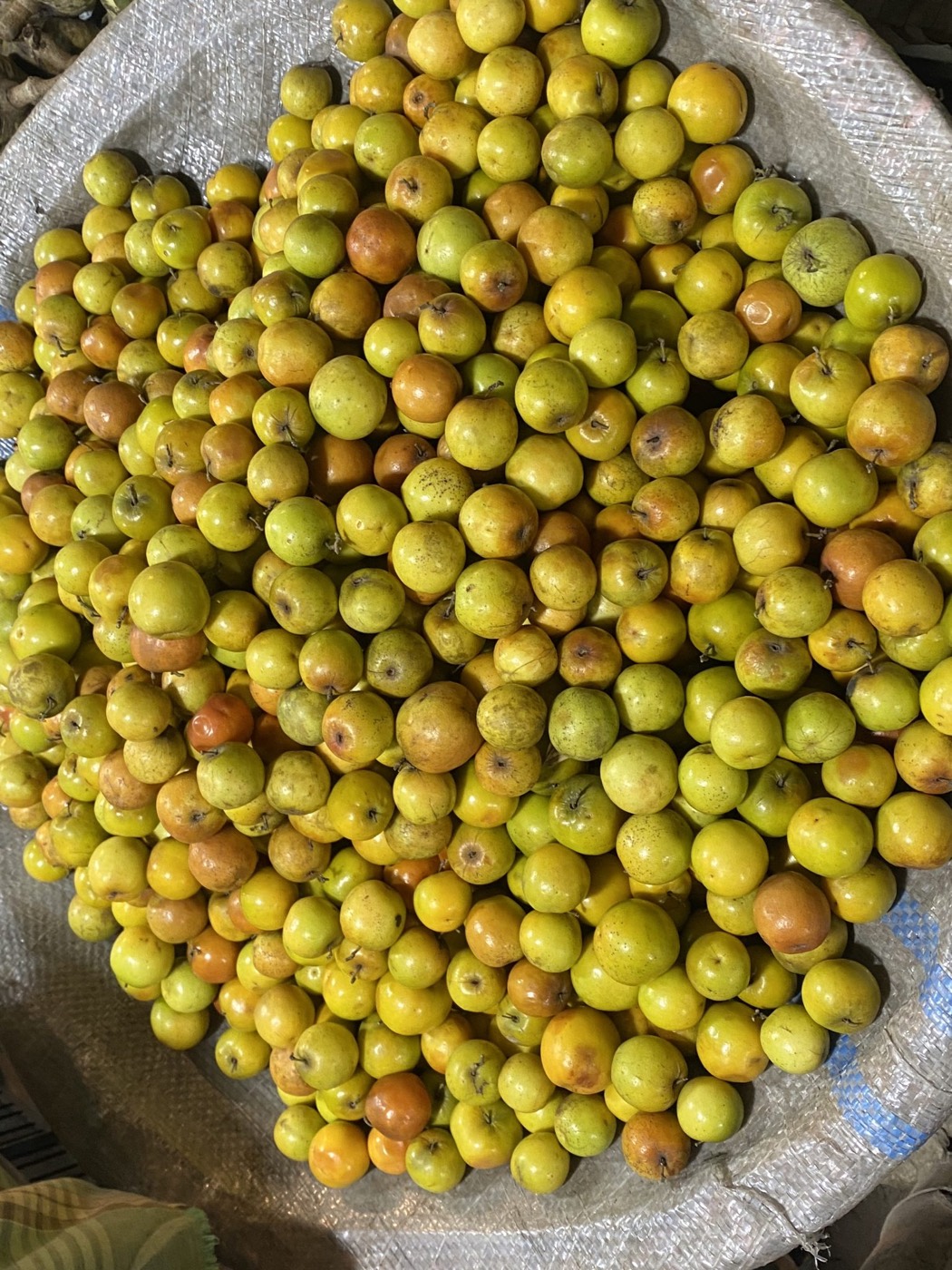
Fruit generates a lot of perfectly edible material that never reaches fresh retail. Pieces that are the wrong size, shape, or color. Fruit that ripens too fast for the fresh supply chain. Trim and off-cuts from processing lines that cut, core, or slice fruit for other products. Surplus from a bumper crop that outruns demand.
Most of that is a poor fit for a fresh display but a fine fit for freeze-drying, where the fruit is going to be sliced, diced, or ground anyway. Cosmetic imperfection largely stops mattering once fruit becomes a crisp or a powder. Diverting that material into freeze-dried pieces and powders is exactly the kind of thing the upcycled mark is designed to recognize.
Upcycled does not mean spoiled, rejected-for-safety, or scraped from the floor. It means edible material that the fresh supply chain passed over. Food-safety and quality requirements still apply in full.
What the mark does not tell you
This is where careful reading matters. The upcycled claim is narrow, and several things people assume it covers are actually separate.
It says nothing about nutrition. An upcycled fruit powder is not automatically higher or lower in any nutrient than a conventional one.
It says nothing about organic or non-GMO status. Those are distinct certifications with their own rules. An upcycled ingredient may also be organic, or it may not; you have to look for those marks separately.
And it says nothing about sensory quality — color, aroma, crunch, or flavor intensity. Those depend on the fruit, the process, and handling, exactly as they do for any other freeze-dried fruit.
How to read it in practice
Treat the upcycled mark as one useful fact among several, and pair it with the parts of the label that actually describe the product.
Start with the ingredient list. Upcycled or not, "just fruit" is different from a sweetened or carrier-blended product, and the ingredient order still tells you what is really in the bag.
Then look at the spec sheet if you are buying at any scale. Moisture and water activity limits, defect and foreign-material limits, microbiological limits, and particle-size specs apply to upcycled fruit the same as to any other. A credible supplier will hold an upcycled ingredient to the same standards it holds everything else. If the upcycled story is used to wave away missing specs, that is a red flag about the supplier, not a feature of upcycling.
Finally, price it honestly. Upcycled raw material is sometimes cheaper, but certification, handling, and demand can offset that. Compare on cost per gram of actual fruit and on spec, not on the assumption that "upcycled" means "discount."
Why the claim exists at all
The point of the certification is to make food-waste reduction visible and verifiable. Roughly a third of food produced globally is lost or wasted, and a lot of that is edible material that simply did not fit a market channel. An independent mark lets a brand say "we used rescued material" without buyers having to take the claim on faith, and lets buyers who care about waste reward that choice.
For freeze-dried fruit specifically, it is a natural fit: the format tolerates cosmetic imperfection, so surplus and off-spec fruit can become a genuinely good ingredient rather than compost. That is a real environmental story. It is just a different story from nutrition, quality, or purity — and the label is only claiming the one it says.
Bottom line
An Upcycled Certified mark on freeze-dried fruit verifies one thing: the ingredient uses surplus or byproduct material that would otherwise have gone to waste. It is a sourcing and food-waste claim, not a promise about nutrition, organic status, or sensory quality. The fruit still has to earn its place on the same spec sheet as everything else. Read the ingredient list, check the specs, and price on cost per gram of fruit — then treat the upcycled badge as a credible bonus for buyers who value waste reduction, not as a shortcut for judging quality.
Frequently Asked Questions
What does Upcycled Certified actually verify?
It verifies that an ingredient or product uses material that would otherwise have gone to waste — surplus, off-spec, or byproduct food redirected into human food. The certification, run by the Upcycled Food Association, checks that the upcycled content is real and traceable through the supply chain.
Does upcycled mean lower quality freeze-dried fruit?
Not by definition. Upcycled fruit is often cosmetically imperfect or surplus rather than defective. It still must meet the same food-safety and quality specs as any other ingredient. Judge quality from the spec sheet and the finished product, not from the upcycled label alone.
Is upcycled the same as organic or non-GMO?
No. Those are separate claims with separate rules. An upcycled ingredient may or may not also be organic or non-GMO. If those matter to you, look for their own certifications on the label rather than assuming upcycled covers them.
Why would freeze-dried fruit be upcycled?
Fruit that is the wrong size, shape, or ripeness for fresh retail is often perfectly good for drying and grinding. Trim, off-cuts, and surplus from other processing can be freeze-dried into pieces or powder, which turns would-be waste into a usable ingredient.
Does upcycled fruit cost less?
Sometimes, because the raw material may be cheaper than premium fresh fruit, but not always. Certification, handling, and demand can offset that. Price the finished ingredient on its spec and cost per gram of fruit, not on the assumption that upcycled is automatically cheaper.
Primary sources & further reading
- Upcycled Certified Upcycled Food Association Referenced for the definition and scope of the Upcycled Certified program and what the mark verifies.
- Upcycled Foods Definition Upcycled Food Association Referenced for the working definition of upcycled foods as using ingredients that otherwise would not have gone to human consumption.
External links open in a new tab. We do not receive compensation from any organization listed; sources are referenced because they are primary, current, and publicly verifiable.