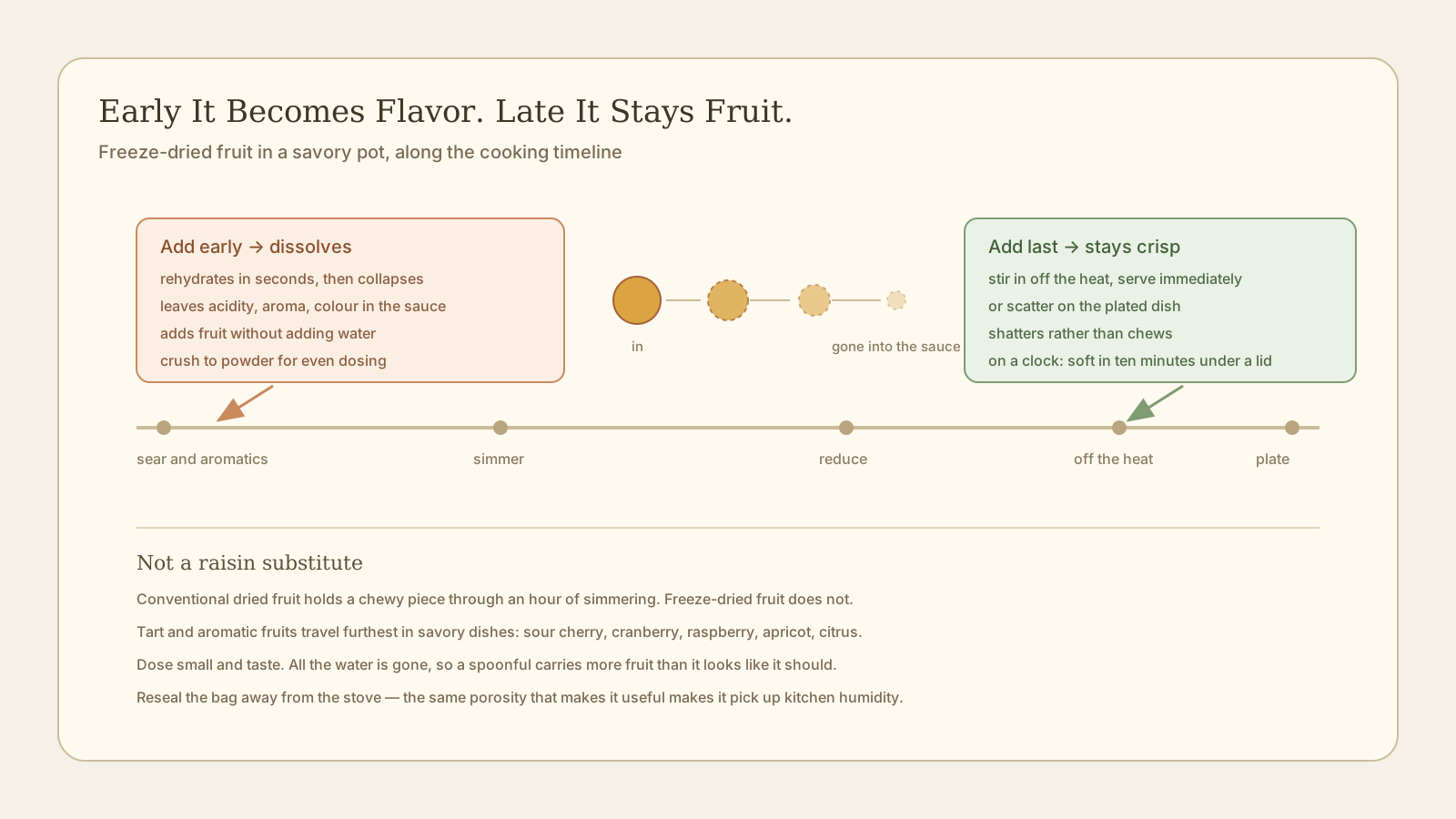
- Freeze-dried fruit rehydrates in seconds and has no residual chew, so adding it early in a long braise makes it disappear into the sauce rather than remain as fruit.
- That dissolving behavior is useful: it is the fastest way to add fruit acidity and aroma to a pan sauce, a grain pilaf, or a finished stew without waiting for reduction.
- For pieces you can still see and bite, add freeze-dried fruit in the last minute off the heat, or scatter it on top at the table.
- Powdered freeze-dried fruit works as a seasoning: it brings tartness without the water that fresh fruit or juice adds to a pan.
Fruit in savory food is not an experiment. Lamb with apricots, duck with cherries, pork with prunes, and rice pilafs studded with barberries are all older than most of the cuisines that claim them. The role fruit plays in these dishes is specific: it contributes acidity, aroma, and a sweet counterweight to fat and salt.
Freeze-dried fruit can do that job. But it does not behave like the dried fruit those dishes were built around, and using it as a drop-in substitute produces a disappointing result.
The direct answer
Conventional dried fruit is partially dehydrated. It still holds some moisture, its cell walls have collapsed into a dense chewy mass, and it can sit in a simmering pot for an hour, slowly softening while staying recognizably a piece of fruit.
Freeze-dried fruit is the opposite. It is nearly all the way dry, and its structure is an open, rigid network of pores. Dropped into liquid, it rehydrates in seconds and then, without the dense chew of a raisin to hold it together, it collapses into the sauce.
So the rule is simple. Early in the cook, freeze-dried fruit becomes flavor. Late in the cook, it stays fruit.
Both are useful. You just have to decide which one you want.
Using it as flavor: add it early
This is the underrated application, and it solves a real problem in home cooking: how do you get fruit character into a sauce without adding water?
Fresh fruit and fruit juice both bring liquid, which means a longer reduction and a diluted pan. Freeze-dried fruit brings the fruit and none of the water. Added to a braise or a pan sauce, it dissolves and leaves behind acidity, aroma, and a little color.
Where this works well:
- Pan sauces. After searing pork or duck, deglaze, then whisk in a spoonful of crushed freeze-dried cherry, raspberry, or cranberry. It integrates almost immediately.
- Braises. Add to the pot with the aromatics. Over an hour it will be entirely gone as a visible ingredient and entirely present as a flavor.
- Tomato-based stews. A small amount of freeze-dried mango or apricot rounds out acidity in a way that sugar cannot, because it brings aroma with the sweetness.
- Chili and spice-heavy dishes. Tart fruit cuts through chili heat and the flatness that long-cooked dried spices can develop.
Crushed to a powder, freeze-dried fruit disperses evenly and lets you dose by taste. Whole pieces added early will dissolve anyway, so crushing them first just gives you more control over where the flavor goes.
Using it as texture: add it last
If you want fruit you can see and bite, the fruit has to meet the dish at the very end.
- Off the heat. Stir into a finished pilaf or grain bowl right before serving, then serve immediately. The residual steam will soften the pieces slightly, which is often what you want — halfway between crisp and tender.
- As a garnish. Scatter over the plated dish. This keeps full crunch and gives you a contrast that conventional dried fruit cannot: a piece that shatters rather than chews.
- In cold applications. Grain salads, slaws, and dressed lentils. With no heat and limited moisture, freeze-dried pieces hold their structure for a while, though they will soften as they sit in dressing.
The tradeoff is timing. Freeze-dried fruit added as a garnish is on a clock. Ten minutes on a warm plate under a lid and it will have gone soft.
Which fruits actually work
Savory cooking rewards acidity and aroma more than sweetness.
- Sour cherry and cranberry. The most reliably savory-compatible. Both work with rich red meat, poultry, and grains.
- Raspberry. Sharp and aromatic. Excellent in pan sauces for duck and pork.
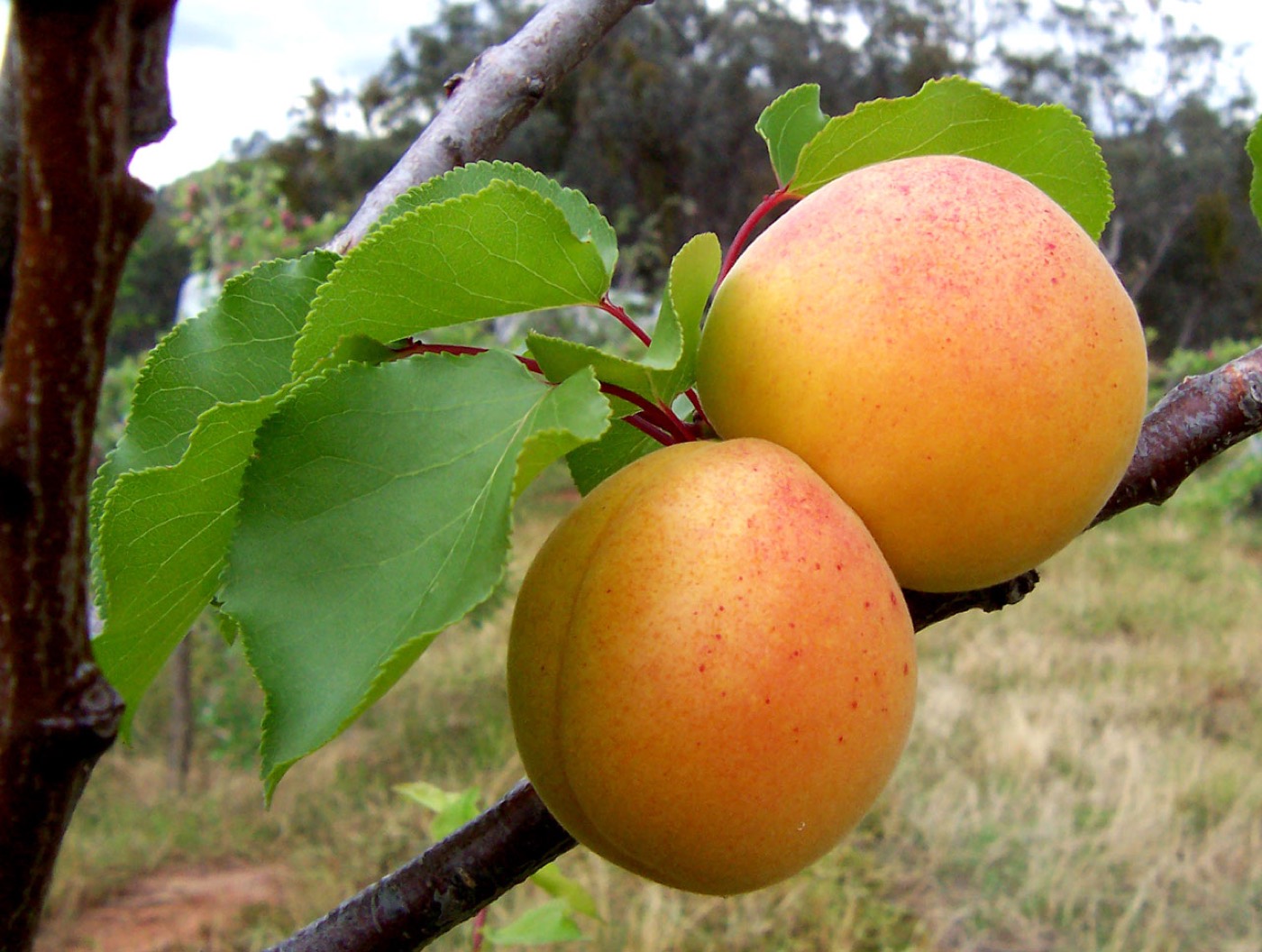
- Apricot. The classic partner for lamb and for North African and Central Asian braises. Freeze-dried apricot dissolves faster than dried apricot, so use it for the sauce and add dried apricot separately if you want the pieces.
- Citrus. Freeze-dried orange or lemon adds brightness without the water of juice.
- Mango and pineapple. Good in dishes that already lean tropical or acidic. Sweet enough that a heavy hand pushes the dish toward chutney.
Very sweet, low-acid fruits — banana, ripe pear — are difficult in savory cooking. They read as dessert almost immediately.
Practical dosing
Freeze-dried fruit is concentrated. All the water is gone, so a given weight represents a much larger weight of fresh fruit than your eye expects. The failure mode is going in too hard on the first attempt and making dinner taste like a compote.
A workable approach:
- Start with roughly a tablespoon of crushed fruit for a pot serving four.
- Add it, let it dissolve, taste.
- Adjust upward in small increments.
- Rebalance salt and acid at the end, because fruit sweetness will change how both read.
Storage note
Once the bag is open, the same porosity that makes this ingredient useful makes it vulnerable. Freeze-dried fruit picks up kitchen humidity quickly, and a bag left half-open near a stove will go soft and tacky. Reseal it, keep it away from the range, and if you are working with powder, keep the container closed between uses.
The takeaway
Do not treat freeze-dried fruit as a raisin. Treat it as two ingredients that happen to come from the same bag: a fast-dissolving fruit concentrate when it goes in early, and a crisp, shattering garnish when it goes on at the end. Once you decide which one you want, the timing takes care of itself.
Frequently Asked Questions
Can I substitute freeze-dried fruit for raisins or dried apricots in a stew?
Not one for one. Conventional dried fruit is partially dehydrated and stays chewy through a long cook. Freeze-dried fruit is fully dry and highly porous, so it takes up liquid almost immediately and then breaks down. Use it as a flavor and acidity source rather than as a textural piece.
When should freeze-dried fruit go into the pot?
If you want fruit flavor in the sauce, add it early or mid-cook and let it dissolve. If you want visible fruit, add it in the last thirty seconds off the heat, or as a garnish after plating.
Which fruits work best in savory cooking?
Tart and aromatic fruits carry furthest: sour cherry, cranberry, raspberry, apricot, and citrus. Mango and pineapple work in dishes that already lean sweet and acidic. Very sweet fruits can push a dish toward dessert quickly.
Does freeze-dried fruit thicken a sauce?
Slightly. The fruit solids and their natural pectin contribute a little body when they break down, but it is not a substitute for a reduction or a starch. Treat any thickening as a bonus, not a technique.
How much should I use?
Start small. Freeze-dried fruit is concentrated by weight because the water is gone, so a tablespoon of powder carries far more fruit than it looks like it should. Add, taste, and adjust rather than committing at the start.