- Freeze-dried fruit rehydrates and dissolves fast in warm liquid, so you can make bright, aromatic syrups without long stovetop reduction that dulls color and flavor.
- Powdering the fruit first gives the smoothest, most concentrated result; leaving pieces whole gives a lighter infusion you strain off.
- You control sweetness independently by choosing your sugar ratio — the fruit brings flavor and color, the syrup base brings body and shelf stability.
- Homemade fruit syrups are perishable unless high in sugar; refrigerate, keep them clean, and treat low-sugar versions as fresh, short-life products.
Fruit syrup is one of those things people assume requires a pot of simmering berries and an afternoon. It doesn't. Freeze-dried fruit is essentially fresh fruit with the water removed and the color and aroma largely preserved, which makes it close to an ideal starting material for syrups and drink concentrates — concentrated flavor you rehydrate on your own terms.
The result is a bright, pourable syrup for sodas, cocktails, lemonades, iced tea, coffee drinks, and desserts, made in minutes rather than hours, without cooking the life out of the fruit.
Why freeze-dried fruit works so well here
A good syrup is really just flavor and color carried in a sweet, slightly viscous liquid. The hard part with fresh fruit is extraction: you simmer to break down cells and release juice, and that heat costs you aroma and darkens the color. Freeze-dried fruit skips most of that problem.
Its cell structure is already collapsed and porous, so it gives up its flavor and pigment almost instantly in warm liquid. The water is gone, so what you are adding is concentrated. And because you barely have to heat it, the fresh top notes that long simmering destroys mostly survive. You get intensity and brightness at the same time, which is difficult to achieve cooking down fresh fruit.
The two basic methods
There are two ways to build a syrup, and the choice comes down to how much body and color you want.
Powder method (concentrated, full-bodied)
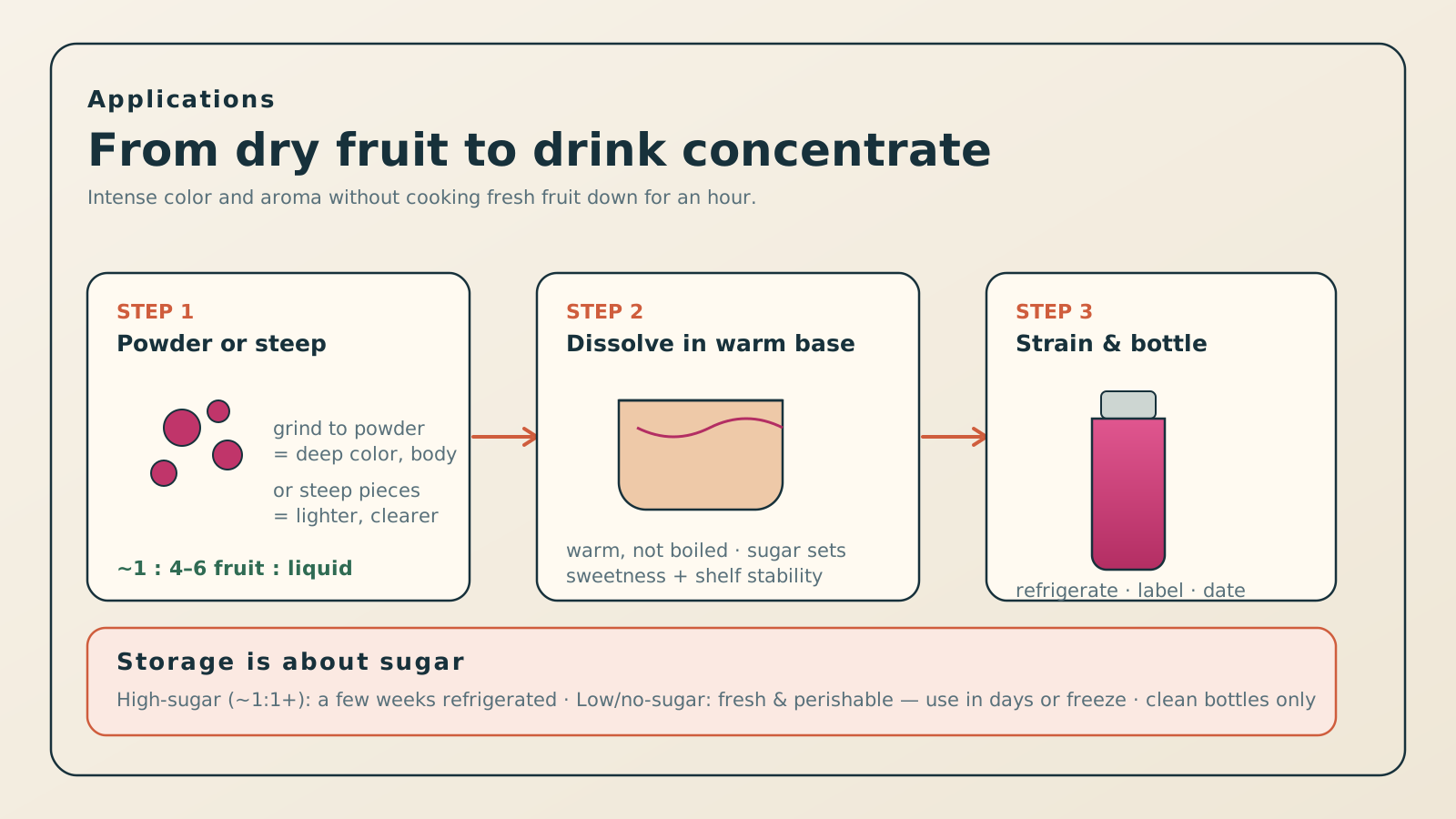
Grind the freeze-dried fruit to a powder first — a blender, spice grinder, or mortar and pestle all work. Powder dissolves and disperses completely, giving the deepest color and the most concentrated flavor. Whisk it into your warm syrup base until smooth. If you want clarity, strain through a fine sieve or cloth to remove seed fragments and fine solids; if you like a fuller, slightly cloudy syrup, leave them in.
This is the method for strong drink concentrates, vivid colors, and anything where you want the fruit fully incorporated.
Infusion method (lighter, cleaner)
Leave the fruit in pieces, steep them in the warm base for several minutes to rehydrate and release flavor, then strain the pieces out. You lose some intensity and color compared with powdering, but you get a cleaner, lighter syrup with less sediment. This suits delicate applications where you want fruit flavor without heavy body.
Freeze-dried fruit is potent, and intensity varies a lot by fruit — strawberry and raspberry are bold, banana and mango are softer. Start with a concentrated batch, taste, and dilute down. Loosening a syrup with water or more base is easy; rescuing a weak, watery one means starting over.
Building the base and controlling sweetness
The reason to separate the fruit from the sweetener is control. The fruit brings flavor, aroma, and color; the base brings sweetness, body, and — importantly — shelf stability.
A simple syrup base is sugar dissolved in warm (not necessarily boiling) water. The sugar-to-water ratio is your main lever:
- Higher sugar (around 1:1 or richer) gives a thicker syrup that keeps longer, because the high sugar concentration lowers water activity and slows spoilage.
- Lower sugar or juice-sweetened gives a lighter, fresher-tasting syrup that is more perishable and should be treated as a fresh product.
Warm the base just enough to dissolve the sugar and help the fruit rehydrate. You do not need a hard boil, and avoiding one protects the fruit's color and aroma. Stir in the powder or steep the pieces, taste, and adjust.
You can also brighten most fruit syrups with a small amount of acid — a squeeze of lemon or a pinch of citric acid — which sharpens flavor and helps the color pop, especially with berries.
Turning syrup into drinks
Once you have a concentrate, the applications are wide:
- Sodas and spritzers: a spoonful in sparkling water, adjusted to taste.
- Lemonades and iced tea: stir in to sweeten and flavor at once.
- Cocktails and mocktails: use as the sweet-and-fruit component in shaken or built drinks.
- Coffee and lattes: a small amount of strawberry or banana syrup flavors hot or iced milk drinks.
- Desserts: drizzle over pancakes, yogurt, ice cream, or cake, or fold into whipped cream.
Because it is a concentrate, a little goes a long way — start with less and build up.
Safety and storage — the part not to skip
Homemade fruit syrup is food, and its shelf life depends almost entirely on sugar.
A high-sugar syrup is reasonably stable and will keep for a few weeks in a clean, sealed bottle in the refrigerator, because the sugar ties up available water. A low-sugar or sugar-free concentrate has no such protection — it is a fresh, perishable product and should be refrigerated and used within a few days, or frozen in portions for longer storage.
Basic discipline matters:
- Use clean, sanitized bottles and utensils; introduced contamination is the usual cause of a batch going off.
- Refrigerate everything, and label it with the date.
- Make small batches you will actually use, especially for low-sugar versions.
- If a syrup smells fermented, looks fizzy when it shouldn't, or grows anything, discard it.
None of this is difficult, and it is the trade-off for a syrup that tastes like real fruit rather than flavoring. Freeze-dried fruit gives you the intensity and color of a long-cooked syrup in a fraction of the time — you just have to store the result like the fresh food it is.
Frequently Asked Questions
Why use freeze-dried fruit instead of fresh for syrup?
Freeze-dried fruit is concentrated flavor and color with the water already removed, so you get intensity without long simmering. It also skips seasonality and washing-and-prepping fresh fruit, dissolves quickly, and keeps more of the fresh aroma because you are not cooking it down for a long time.
Should I powder the fruit or use whole pieces?
Powdering gives the most concentrated, fully incorporated syrup and the deepest color, though you may want to strain fine solids for clarity. Whole pieces make a gentler infusion that you steep and strain off, leaving a cleaner, lighter syrup with less body.
How long does a homemade fruit syrup last?
It depends heavily on sugar content. A high-sugar syrup (roughly equal parts or more sugar to liquid) keeps for a few weeks refrigerated because sugar lowers water activity. Low-sugar or juice-sweetened versions are perishable and should be treated like fresh food — refrigerated and used within a few days.
Can I make a sugar-free concentrate?
You can make a low- or no-sugar fruit concentrate, but understand it is a fresh, perishable product with no preservative effect from sugar. Keep it refrigerated, make small batches, and use it quickly. For longer storage, freeze it in portions.
What ratio of freeze-dried fruit to liquid should I start with?
A practical starting point is about 1 part freeze-dried fruit by weight to 4–6 parts liquid, adjusting to taste. Because intensity varies by fruit, start on the stronger side, taste, and dilute — it is easier to loosen a concentrate than to rescue a weak one.