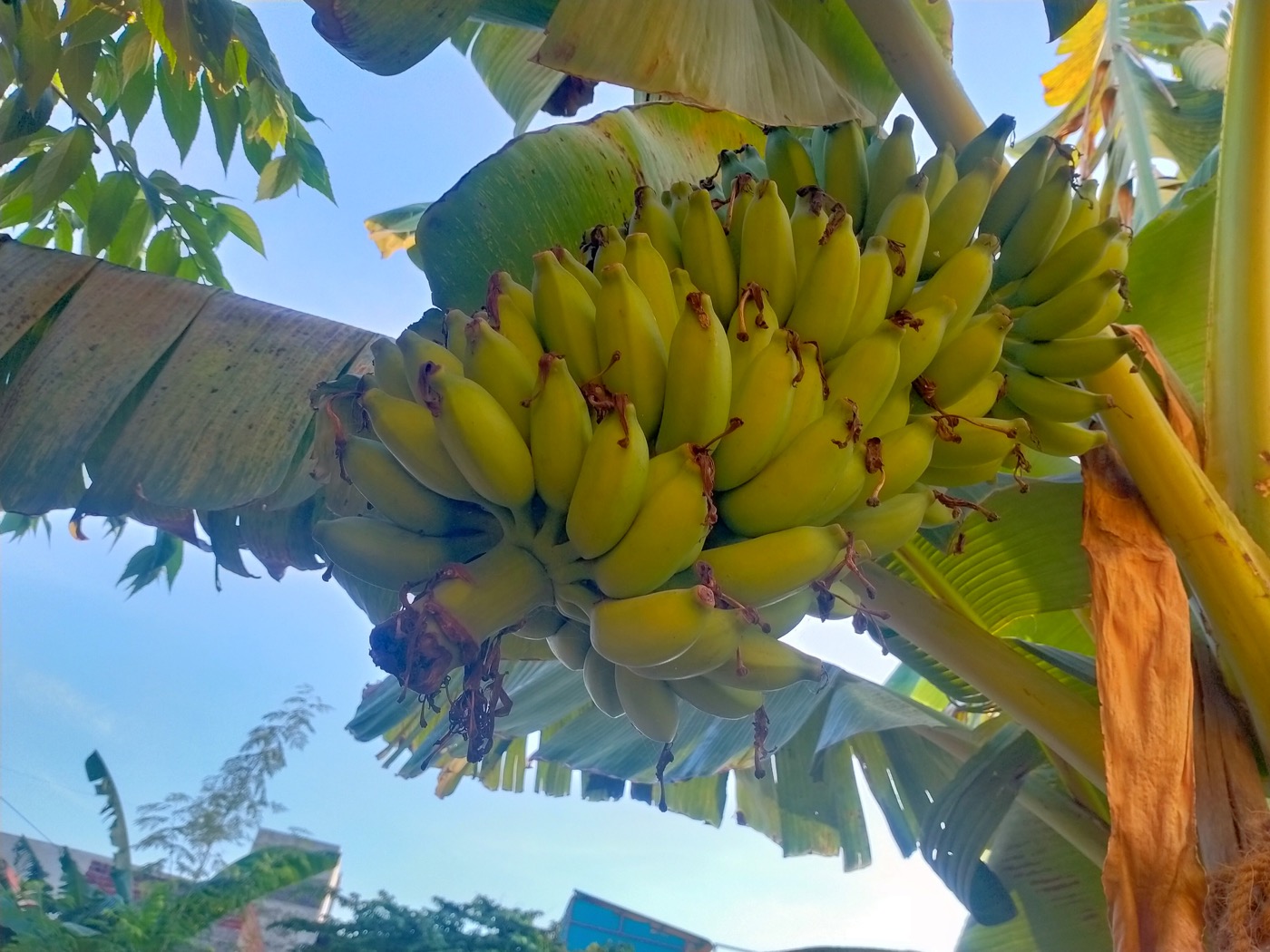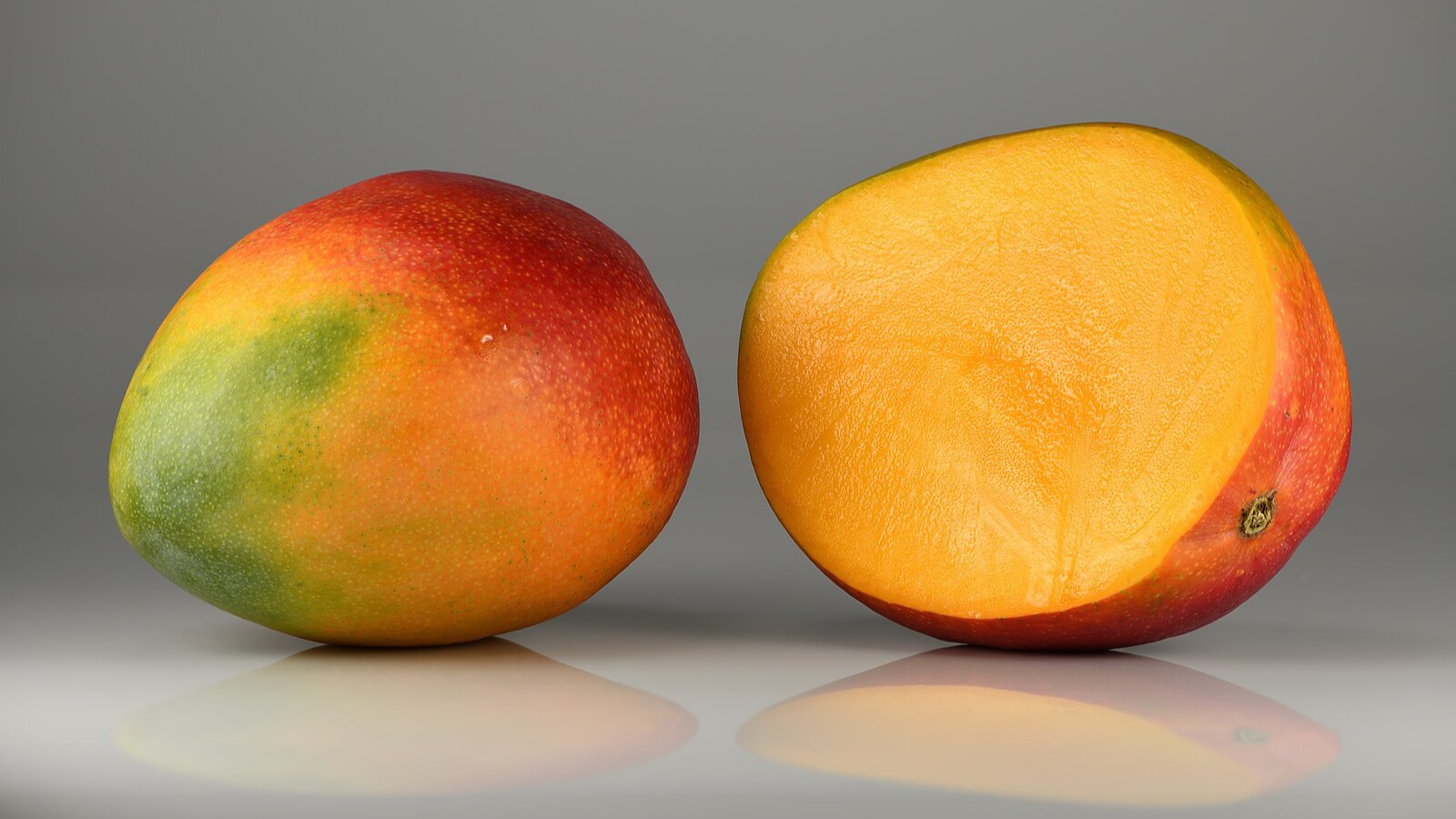
- Sugar lowers the temperature at which a fruit's frozen and concentrated matrix loses rigidity, so high-sugar fruits must be dried colder and slower to avoid collapse and stickiness.
- The limiting property is the glass transition and collapse behavior of the sugar-rich solids, not the fruit's water content on its own.
- Running a high-sugar fruit too warm or too fast tends to produce shrunken, sticky, or browned pieces rather than the open, crisp structure the process is meant to deliver.
- Buyers comparing suppliers on high-sugar fruit should expect longer cycles and tighter process control, and treat unusually cheap or fast offers with caution.
A ripe mango seems like the perfect candidate for freeze-drying. It is colorful, intensely flavored, and people already love it as a snack. So it surprises a lot of buyers to learn that mango, banana, and very ripe pineapple are among the more difficult fruits to freeze-dry well, while a tart berry that seems more delicate is often easier.
The reason comes down to one thing: sugar. The same sweetness that makes these fruits appealing is what limits how the process can be run. Understanding why explains a lot about why high-sugar fruit costs more, dries slower, and goes wrong more easily when a supplier rushes it.
The direct answer
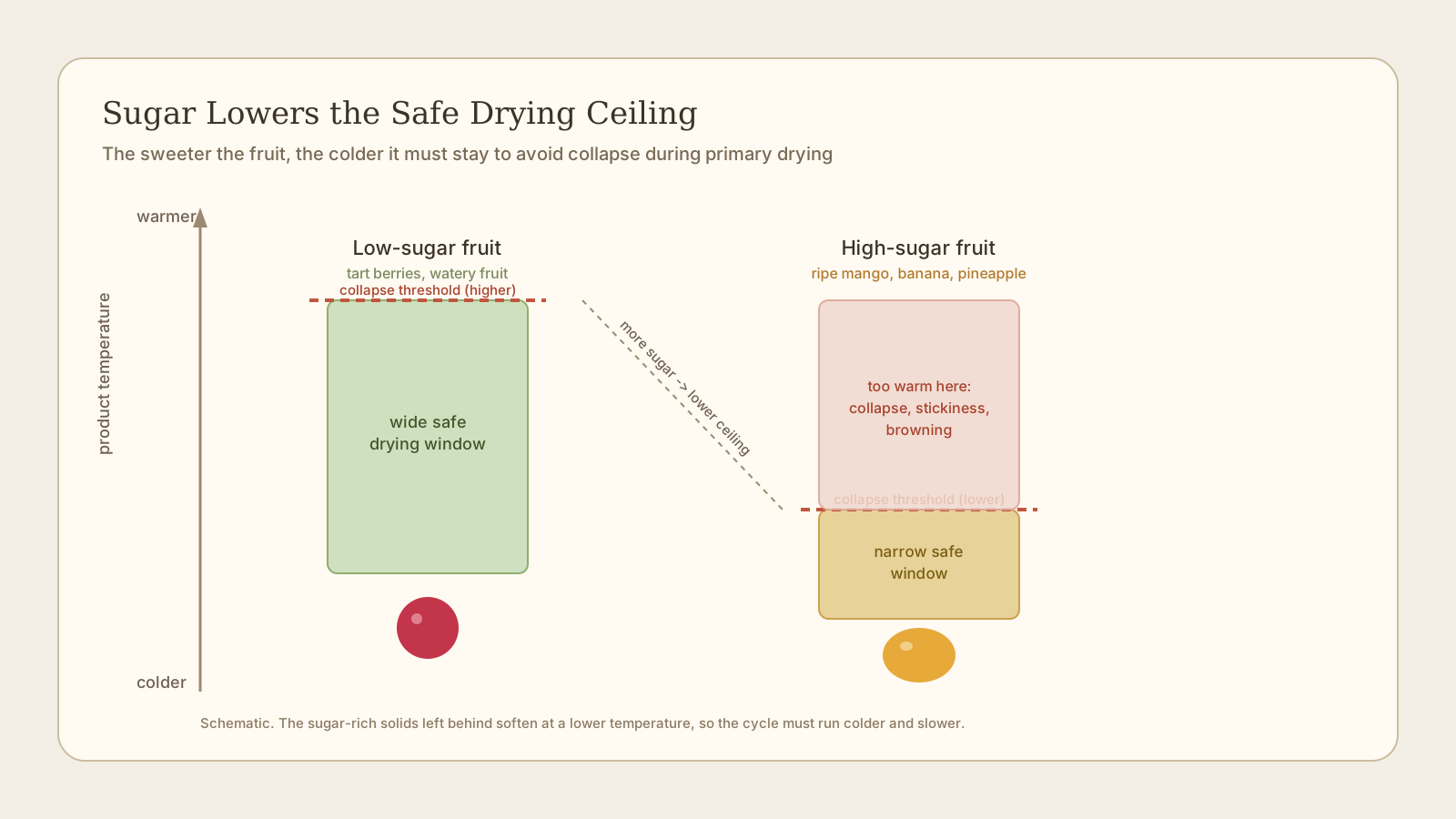
Sugar lowers the temperature a fruit can tolerate during freeze-drying. As ice is removed, the sugars and other dissolved solids left behind form a concentrated matrix around the empty pores. The more sugar in that matrix, the lower the temperature at which it stops behaving like a rigid solid and starts behaving like a soft, sticky one.
During primary drying, the product has to stay below that softening point, or the delicate structure left behind by the departing ice begins to slump. A high-sugar fruit reaches that limit at a colder temperature than a low-sugar fruit, so it has to be dried colder and therefore slower. That is the whole difficulty in a sentence: more sugar means a lower ceiling on product temperature, and a lower ceiling means a longer, less forgiving cycle.
Why the leftover solids set the limit
It is tempting to think water content is the main driver, since freeze-drying is about removing water. Water content does matter, because it sets how much ice there is to sublime. But it is not what makes high-sugar fruit hard.
What makes it hard is the behavior of the solids that stay behind. Early in drying, ice sublimes away and leaves a scaffold of fruit solids holding the shape of the piece. That scaffold is mostly sugar in a sweet fruit. Sugars have a property where, at low enough temperatures, they sit in a rigid, glass-like state, and as they warm they pass through a transition into a soft, rubbery, mobile state. In that softer state the scaffold can no longer hold its open structure, and the pores collapse.
The temperature of that transition depends heavily on which sugars are present and how concentrated they are. Fruit sugars like fructose and glucose transition at relatively low temperatures, so a fruit loaded with them has a low ceiling. This is why two fruits with similar water content can behave completely differently: the sweeter one carries a softer, lower-temperature scaffold.
The difficulty of freeze-drying a fruit is set less by how much water it holds and more by how the sugar-rich solids behave as they warm. Sugar lowers the safe temperature ceiling, and that ceiling is what governs cycle design.
What collapse actually looks like
When a high-sugar fruit is pushed past its limit, the failure is visible. Instead of light, porous pieces with a clean snap, the product comes out shrunken, dense, or glassy. The surface can feel tacky because the softened sugar matrix has flowed and closed off the open structure that would normally keep the piece dry to the touch.
Collapse also tends to bring other problems with it. A denser, less porous piece rehydrates differently and can look darker. Sugar-rich surfaces that get warm are also more prone to browning reactions, so an overdriven cycle can cost color as well as texture. The piece may still hit a dry endpoint on paper, yet miss everything that makes freeze-dried fruit worth buying.
For more on the texture side of this, see how pre-freezing and structure shape the result.
Why ripeness makes the same fruit harder
Sugar content is not fixed for a given fruit. It rises with ripeness. A mango picked and processed riper carries more sugar than a less ripe one, which means the riper lot has a lower temperature ceiling and behaves like a harder case.
This is one reason high-sugar fruit shows lot-to-lot variation that catches buyers off guard. A supplier who dialed in a cycle on one batch can run into collapse or stickiness on a sweeter incoming lot if the process is not adjusted. It also creates a real tension: riper fruit often tastes better, but it is harder to dry cleanly, so the supplier has to balance flavor against processability rather than simply chasing the sweetest raw material.
How processors handle it
None of this means high-sugar fruit cannot be freeze-dried well. It is done at scale every day. It just requires respecting the lower ceiling rather than fighting it.
In practice that means a colder, slower primary drying step that keeps product temperature safely below the collapse point, careful pre-freezing to build a good ice structure to start from, and reliable endpoint checks so the cycle is neither cut short nor pushed warm to save time. Some operations also adjust piece size and loading to keep drying even, since a high-sugar fruit punishes hot spots more than a forgiving one does.
The trade-off is time and energy. A high-sugar fruit ties up the dryer longer and uses more of the cycle's expensive cold-and-vacuum phase, which is a real part of why these SKUs cost more.
What this means for buyers
For a buyer, the practical signal is to expect high-sugar fruits to behave differently from tart, watery ones, and to be skeptical when they do not seem to.
A mango or banana offered at the same speed and price as an easy berry, with no mention of the longer cycle these fruits need, is worth a closer look. Sticky surfaces, unusually dense or shrunken pieces, and inconsistent texture from lot to lot can all be downstream signs that the sugar ceiling was not respected. Asking a supplier how they handle ripeness variation and cycle control on sweet fruit tends to separate operators who understand the material from those who treat every fruit the same.
Bottom line
High-sugar fruits are hard to freeze-dry because their sugar lowers the temperature the product can tolerate while its ice is being removed. The concentrated, sugar-rich scaffold left behind softens at a low temperature, so the cycle has to stay colder and slower to avoid collapse, stickiness, and browning.
That difficulty is manageable with the right process, but it is real, and it shows up as longer cycles, higher cost, and more lot-to-lot care. When evaluating sweet fruit like mango, banana, and ripe pineapple, treat the extra time and control as the price of doing it right, not as a place to cut corners.
Frequently Asked Questions
Why does sugar make a fruit harder to freeze-dry?
As ice sublimes, the sugars and other solids left behind form a concentrated matrix. The more sugar that matrix holds, the lower the temperature at which it softens from a rigid, glassy state toward a sticky, mobile one. Because the fruit has to stay below that softening point to keep its structure during primary drying, a high-sugar fruit has to be dried colder, which makes the cycle slower and less forgiving.
Is it the water content or the sugar that matters most?
Both matter, but for difficulty it is mainly the sugar. Water content sets how much ice there is to remove. The sugar concentration sets how warm the product can get while that ice is being removed without the structure collapsing. A juicy low-sugar fruit can often be dried warmer than a denser, very sweet one.
What goes wrong if a high-sugar fruit is dried too warm?
The concentrated matrix softens, and the open pore structure that should hold its shape begins to slump. The result can be shrunken or glassy pieces, a sticky surface, loss of the clean snap, and in some cases browning. The piece may still be dry, but it no longer has the light, crisp character freeze-drying is supposed to give.
Which common fruits are the high-sugar, harder cases?
Very ripe mango, banana, pineapple, and similar sweet, dense fruits sit at the harder end. Tart, watery fruits like many berries are generally more forgiving. Ripeness matters too: the same fruit picked riper carries more sugar and behaves like a harder case than a less ripe lot.
Can processors still freeze-dry high-sugar fruit well?
Yes, routinely. It just requires accepting a colder, slower, more controlled cycle, careful pre-freezing, and good endpoint checks. The cost is time and energy, not feasibility. The mistake is treating a high-sugar fruit like an easy one and pushing the cycle to save time.
Primary sources & further reading
- Glass transition temperature and its relevance in food processing Annual Review of Food Science and Technology / PubMed Central Referenced for the role of glass transition temperature in sugar-rich foods and its relationship to collapse and stickiness during drying.
- Freeze-drying of food: principle, process and quality ScienceDirect Topics Referenced for the general principle that product temperature must stay below the collapse temperature during primary drying.
- Water Activity (aw) in Foods U.S. Food & Drug Administration Referenced for the distinction between how much water is present and how that water and the surrounding solids behave.
External links open in a new tab. We do not receive compensation from any organization listed; sources are referenced because they are primary, current, and publicly verifiable.