- Freeze-dried fruit feels crisp when the dried pore network and cell-wall skeleton stay open enough to fracture cleanly under bite pressure.
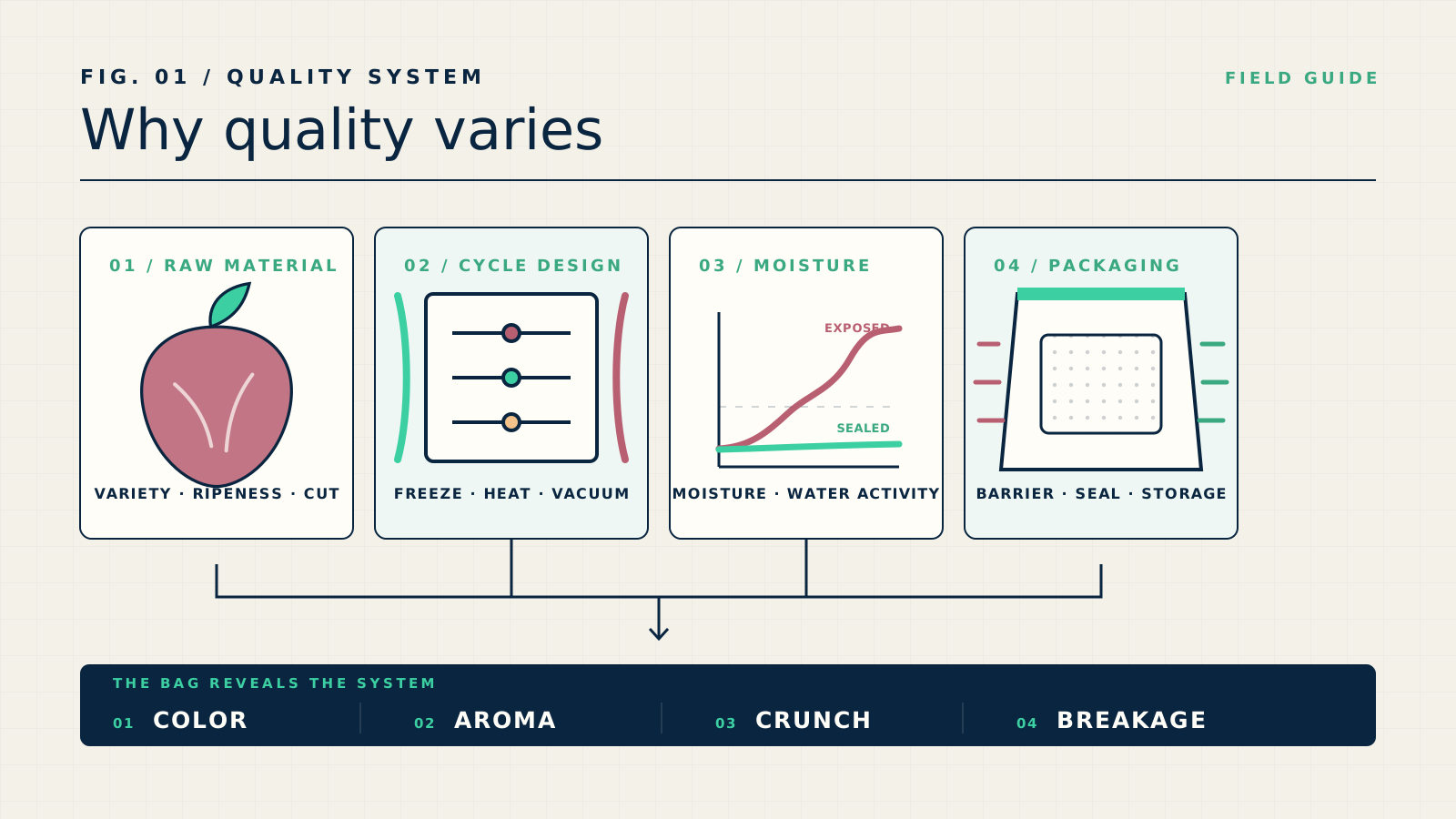
- Freezing history, fruit chemistry, and piece geometry all affect that structure before the bag is ever sealed.
- High-sugar and low-fiber fruits often have a narrower window between pleasantly crisp and sticky or leathery.
- Once the structure starts taking on moisture, crunch usually disappears faster than the fruit's appearance suggests.
Crunch is the texture people pay freeze-dried-fruit prices for.
That texture is easy to describe and harder to build. A piece has to feel dry, light, porous, and brittle enough to snap cleanly. If any part of the fruit's structure collapses too early, the eating experience moves from crisp to chewy, sticky, dusty, or oddly hard.
The direct answer
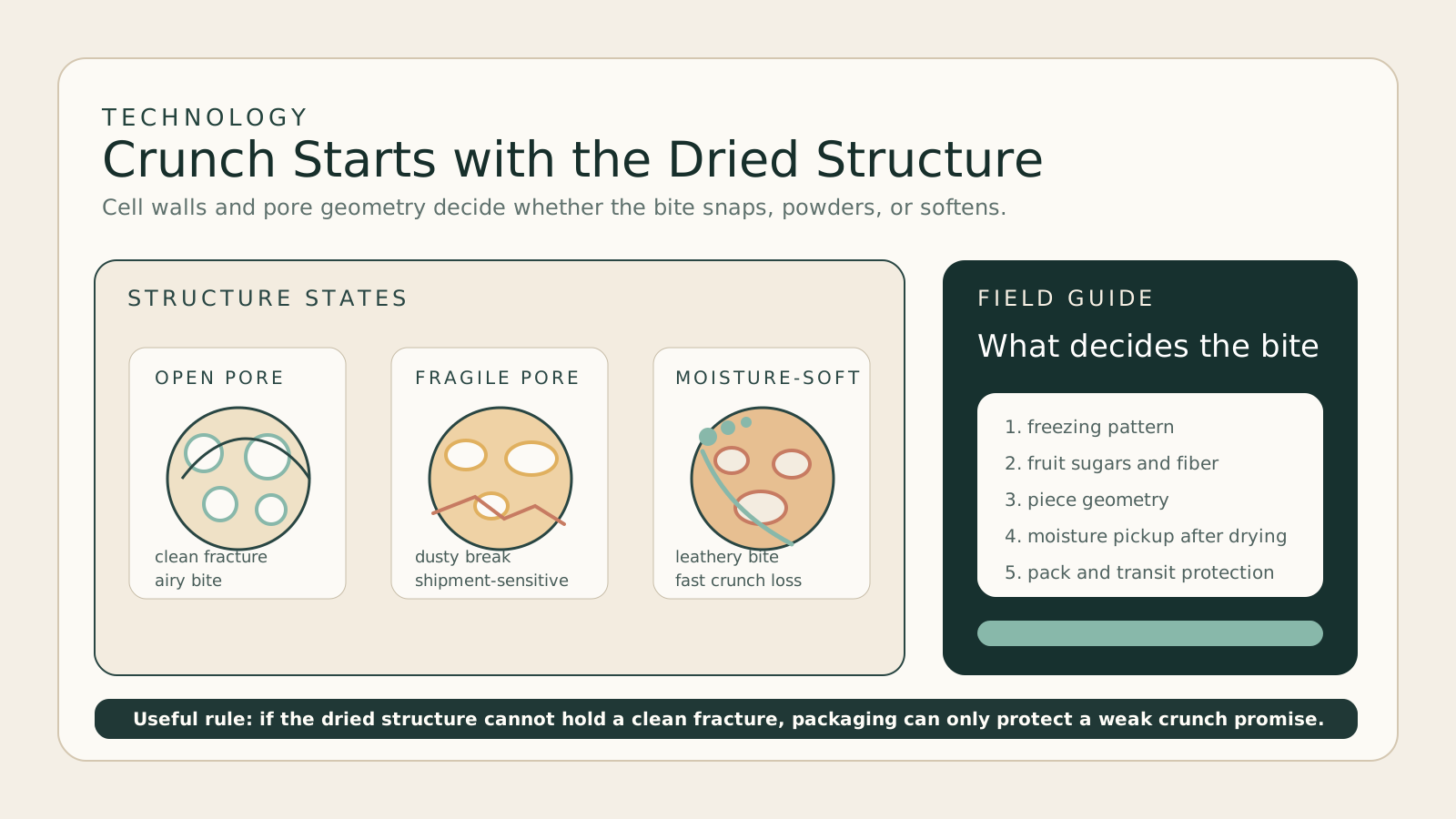
Cell structure shapes freeze-dried fruit crunch because the final bite depends on the dried pore network left behind after ice sublimates. Stronger cell-wall scaffolding, controlled pore formation, and lower moisture pickup support a clean fracture. Weak or partially collapsed structure leads to leathery bite, dusting, or fast softening even when the fruit still looks visually acceptable.
In practice, crunch is not only a moisture target. It is the mechanical result of how the fruit tissue handled freezing, drying, and storage.
Why the pore network matters
Freeze-drying removes ice from a frozen fruit piece under vacuum. The spaces once occupied by that ice become pores. Those pores are what make freeze-dried fruit feel light and easy to bite through.
When the structure holds:
- the piece fractures quickly
- the bite feels airy rather than dense
- aroma releases fast because the interior is open
When the structure does not hold:
- the piece bends or compresses before breaking
- the texture feels leathery or stale
- the fruit may shatter into fines instead of a clean snap
That is why crunch is really a structure-and-fracture question, not just a dryness question.
Freezing decides more than teams expect
The visible drying step gets most of the attention, but the structure is being set earlier than that. Freezing conditions help decide the size and distribution of ice crystals, and those crystals influence the pore network that remains after sublimation.
If the frozen fruit enters drying with a more stable and consistent internal pattern, the dried piece has a better chance of forming predictable pores. If the frozen structure is already badly damaged or uneven, the finished texture becomes harder to control.
This is one reason the same fruit can behave differently across suppliers:
- different raw-fruit maturity
- different cut thickness
- different freezing rate or hold history
- different tissue chemistry
The dryer reveals those differences. It does not erase them.
Fruit chemistry changes the crunch window
Not every fruit is built for the same kind of crispness.
High-sugar fruits usually have a narrower operating window because the solids left behind after drying are more vulnerable to stickiness or softening as moisture returns. Fruits with stronger insoluble structure can sometimes hold a cleaner fracture for longer. The balance between sugars, acids, pectin, fiber, and cell-wall material changes how the piece behaves under bite pressure and during storage.
That is why a freeze-dried apple cube, a strawberry slice, and a mango chunk can all be equally "dry" on paper and still feel very different:
- apple often feels open and brittle
- strawberry can feel crisp but fragile
- mango can feel dense, glassy, or quick to soften if the structure is marginal
Those are not just flavor differences. They are structural differences.
Why some fruit turns dusty instead of pleasantly crisp
A crunchy piece still needs enough internal integrity to break into edible fragments rather than powder.
When the pore network becomes too fragile, or when the dried walls are thin relative to the piece geometry, the fruit may fail in a more violent way:
- corners chip easily
- transport creates fines
- the mouthfeel turns powdery instead of crisp
That is why premium crunch is not the driest possible state. It is the state where the structure is open enough to break cleanly but strong enough to survive packing and shipping.
Moisture pickup attacks structure before it looks dramatic
One of the most useful lessons from structure-focused research is that the eating experience can shift before the bag looks obviously wet. As freeze-dried tissue absorbs moisture, the structure starts relaxing. The fracture changes, the pores lose their advantage, and the fruit may feel soft or sticky before the eye sees a major difference.
This is why operators often hear a complaint like:
"The fruit still looked fine, but it was not crunchy anymore."
That complaint is structurally plausible. The product may not be visibly collapsed, yet the internal network may already have crossed the point where it breaks cleanly.
Moisture pickup therefore acts like a structural tax on the original crunch promise.
What buyers and operators should ask
If crunch is central to the product, the best questions are not only about residual moisture. Ask about the broader structure system:
- What fruit format is being dried: slice, dice, half, chunk, powder?
- How tightly is cut thickness controlled?
- Does the fruit routinely arrive from the same maturity window?
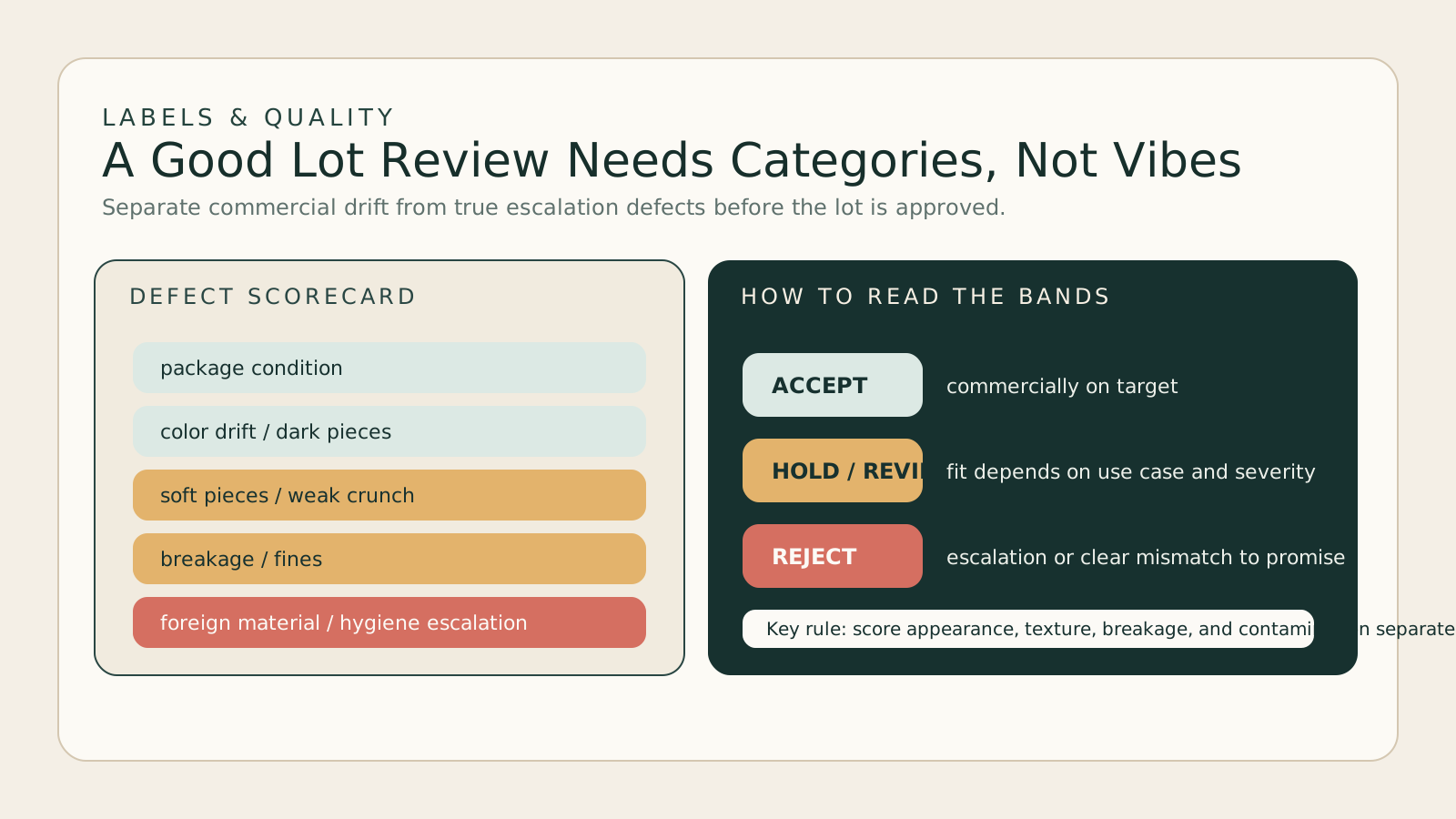
- What breakage level is normal after packing and shipment?
- How does the supplier protect the structure after drying?
A supplier who can only discuss the final moisture number is giving an incomplete answer. A supplier who can connect raw fruit, freezing, structure, breakage, and packaging is much more likely to understand why the crunch survives or disappears.
Bottom line
Freeze-dried fruit crunch depends on the dried structure left behind when ice leaves the fruit. Cell walls, pore size, sugar level, freezing history, and moisture pickup all shape that structure.
That is why crunch should be treated as a structural outcome, not a single-number dryness claim. The bag may protect the result, but the tissue architecture decides whether there was a strong result to protect in the first place.
Frequently Asked Questions
Why is some freeze-dried fruit crunchier than other freeze-dried fruit?
Because different fruits build different pore networks and cell-wall strength during freezing and drying. The driest sample is not always the crunchiest one if the structure is weak, sugary, or already partly collapsed.
Does crunch only depend on moisture content?
No. Moisture matters, but the fruit's microstructure matters too. Two pieces at similar moisture can bite differently if one has stronger cell walls or a more open porous network.
Why do sugary fruits lose crunch so quickly?
High-sugar systems generally have a smaller margin before they begin to soften, collapse, or feel sticky as they absorb moisture from air.
Can packaging fix weak cell structure?
Packaging can protect a good structure from humidity, but it cannot fully rescue a structure that was already damaged by weak freezing, poor cut control, or overhandled raw fruit.
What practical sign suggests structure trouble in the finished bag?
Pieces that look intact but bite leathery, shatter into dusty fines, or soften unevenly often point to a structure issue rather than a simple flavor problem.
Primary sources & further reading
- Texture of Freeze-Dried Intact and Restructured Fruits: Formation Mechanisms and Control Technologies Trends in Food Science & Technology Referenced for the review's explanation that fruit texture after freeze-drying is governed by carbohydrate behavior, tissue morphology, and the way different structures respond during freezing and drying.
- Cell Wall Polysaccharides and Mono-/Disaccharides as Chemical Determinants for the Texture and Hygroscopicity of Freeze-Dried Fruit and Vegetable Cubes Food Chemistry Referenced for the paper's correlation between composition, microstructure, texture, and hygroscopicity across freeze-dried fruit and vegetable cubes.
- Structure Related Changes During Moistening of Freeze Dried Apple Tissue Journal of Food Engineering Referenced for the way moisture uptake changes structure, consistency, and collapse behavior in freeze-dried apple tissue.
External links open in a new tab. We do not receive compensation from any organization listed; sources are referenced because they are primary, current, and publicly verifiable.