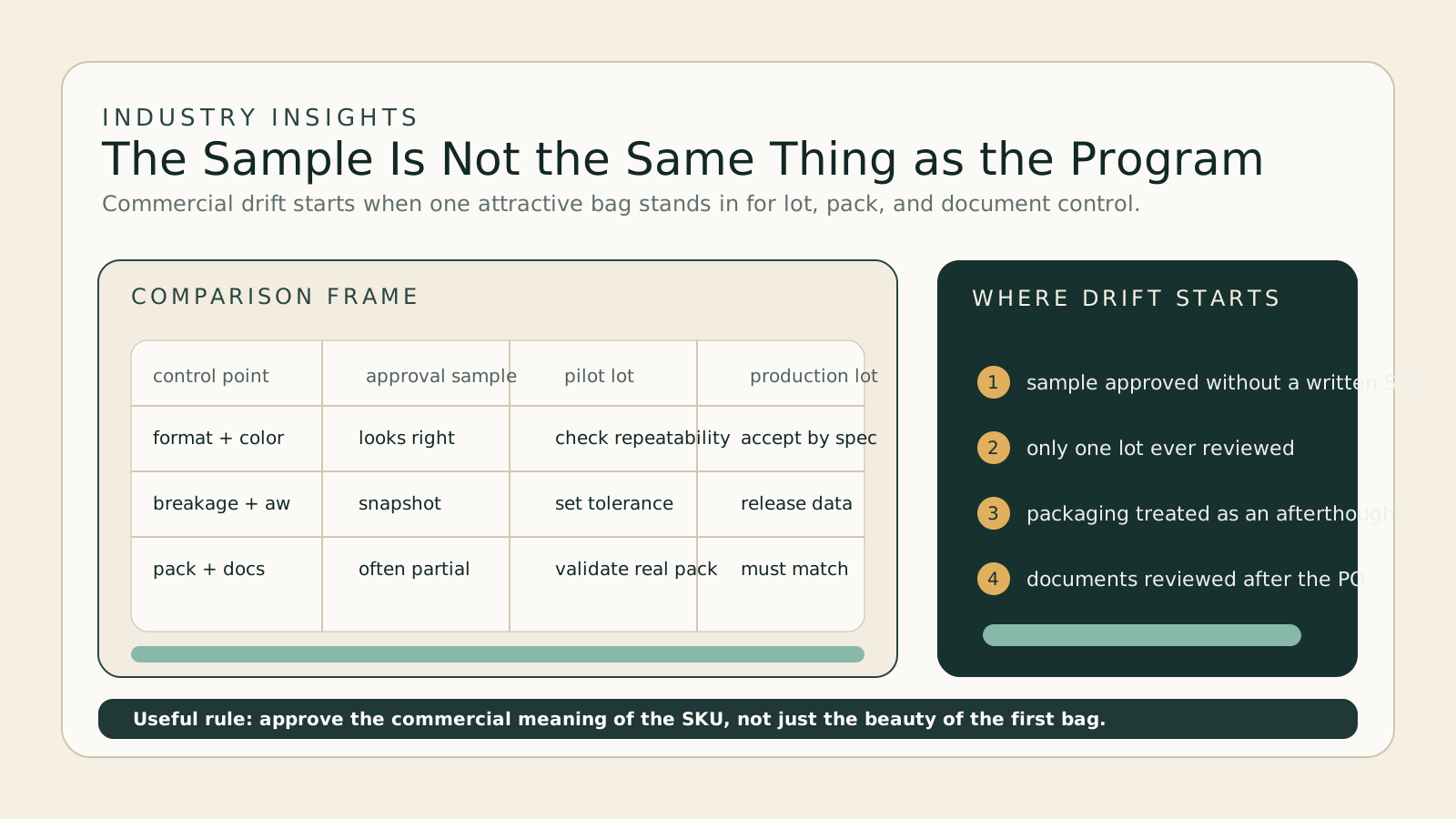
- Approval samples drift from production lots when the buyer approves the idea of the fruit instead of the full commercial definition of the SKU.
- Lot-to-lot variation in raw material, cut control, breakage, moisture behavior, and packaging can all widen the gap between the sample and the shipped product.
- The strongest approvals compare multiple lots against a written specification and real packaging, not just against memory.
- This article's workflow is editorial operating guidance built from FDA supplier-evaluation expectations, USDA product-description discipline, and standard manufacturing-control principles.
Approval samples are supposed to reduce risk.
In freeze-dried fruit, they often create a false sense of certainty instead. The sample tastes bright, the pieces look intact, the pouch seems acceptable, and the team quietly assumes the later shipment will mean the same thing.
That assumption is where the drift starts.
The direct answer
Approval samples drift from production lots when the sample is approved as a visual and sensory impression rather than as a fully defined commercial standard. In freeze-dried fruit, lot-to-lot changes in raw material, cut geometry, breakage, moisture behavior, packaging, and transit handling can all widen the gap unless the buyer tests repeatability against a written specification.
One good sample can show possibility. It does not prove routine execution.
The sample is usually cleaner than the system
A sample often travels through a narrower and more favorable path than a routine shipment.
For example, the sample may be:
- selected from the strongest pieces in the run
- packed in a small pouch rather than the commercial case format
- shipped quickly with minimal handling
- reviewed before long storage exposure
- judged without full documentation or transit history
None of that is automatically deceptive. It simply means the sample can reflect capability more than normal output.
The practical error is treating that capability snapshot as if it already equals the daily commercial lot.
Why the written specification matters more than memory
The moment a buyer says "match the approved sample," the buyer has created room for argument unless the sample's important traits are already written down.
The useful commercial definition should cover more than taste:
- fruit identity and format
- piece size or cut window
- broken-piece tolerance
- target moisture or water activity
- color and aroma expectations
- packaging structure
- coding and release documents
USDA's freeze-dried-fruit description is helpful here because it reinforces the discipline of separating product characteristics, defects, and acceptance language. That is exactly what keeps the sample from becoming a vague reference object.
Raw fruit variability does not disappear because the sample was good
Freeze-dried fruit inherits variability from the fruit itself. Even when the process is controlled, the supplier is still working with agricultural raw material that shifts by:
- harvest window
- maturity
- soluble solids
- size and trim yield
- seed or peel burden
- color intensity
That means the approval sample may represent one strong intake condition while the later shipment reflects a more ordinary one. If the buyer did not define what level of shift is still acceptable, the lot arrives as a surprise instead of as a controlled comparison.
This is one reason premium programs review more than one lot before calling the product truly approved.
Packaging and shipping create a second layer of drift
A freeze-dried fruit sample can look excellent before the real packaging system and real transport stress begin doing their work.
Common drift points include:
- more powder at the bottom of the bag
- softer texture after longer storage or humid transit
- different headspace or fill density
- different pouch barrier than the sample format implied
- carton or pallet handling that increases breakage
That is why a commercial approval should include the actual pack system whenever possible. Fruit approval without packaging approval is only partial approval.
Documents are part of the product
Many teams isolate the sensory sample from the release packet. That is a mistake.
If the program depends on supplier consistency, the commercial lot should arrive with documents that confirm the same product logic every time:
- specification sheet
- certificate of analysis
- lot coding and traceability
- certificate scope where relevant
- packaging details where relevant
The sample may win trust. The paperwork is what lets the trust scale.
FDA's supplier-evaluation framework is useful here because it centers documented performance and approval logic, not only first impressions.
What stronger approval looks like
A better freeze-dried-fruit approval process does four things:
- It locks the SKU definition before the relationship grows.
- It compares more than one lot.
- It includes the real package and transit path.
- It defines what kind of drift triggers rejection or requalification.
Those habits make the eventual disagreement narrower and more factual. Instead of arguing whether the lot "feels different," the buyer can point to specific drift in breakage, size, moisture behavior, or packaging performance.
Bottom line
Approval samples drift from production lots when the sample stands in for a system that was never fully defined. Freeze-dried fruit is too variable, fragile, and packaging-dependent for that shortcut.
Approve the commercial meaning of the SKU, not only the beauty of the first bag. That is the difference between a promising sample and a repeatable supply program.
Frequently Asked Questions
Why do freeze-dried fruit approval samples often look better than real production lots?
Because the sample is often hand-selected, lightly handled, or taken from a controlled run that does not fully represent routine commercial variability in raw fruit, breakage, packaging, and shipping.
What is the biggest reason sample approval fails?
The buyer approves a strong sample without locking the commercial SKU definition in writing. Once the shipment arrives, everyone is arguing from memory instead of from an agreed specification.
Is one good sample enough to approve a supplier?
Usually no. One good sample can show capability, but it does not prove repeatability across lots, seasons, packaging runs, and transport.
What should a buyer compare between the sample and the production lot?
Format, piece size, breakage, moisture or water activity, color, aroma, packaging structure, coding, documents, and how the fruit holds up after transit.
Does this problem only affect imports?
No. Imported supply can add more transit variables, but domestic programs drift too when the sample, the written spec, and the released lot are not kept aligned.
Primary sources & further reading
- Firm/Supplier Evaluation Resources for FSMA Rules U.S. Food & Drug Administration Referenced for FDA's explanation that supplier approval should consider performance, compliance history, and documented evaluation factors rather than a single positive impression.
- FSMA Final Rule on Foreign Supplier Verification Programs (FSVP) for Importers of Food for Humans and Animals U.S. Food & Drug Administration Referenced for FDA's framework that importers must evaluate supplier risk and supplier performance before approving and relying on a source.
- FRUITS, FREEZE DRIED (A-A-20365) U.S. Department of Agriculture Agricultural Marketing Service Referenced for the value of a written product description that separates characteristics, defects, workmanship, and verification criteria.
- 21 CFR 117.80 - Processes and Controls Electronic Code of Federal Regulations Referenced for the requirement that manufacturing controls be adequate to ensure the food is suitable and has the quality it is represented to possess.
External links open in a new tab. We do not receive compensation from any organization listed; sources are referenced because they are primary, current, and publicly verifiable.