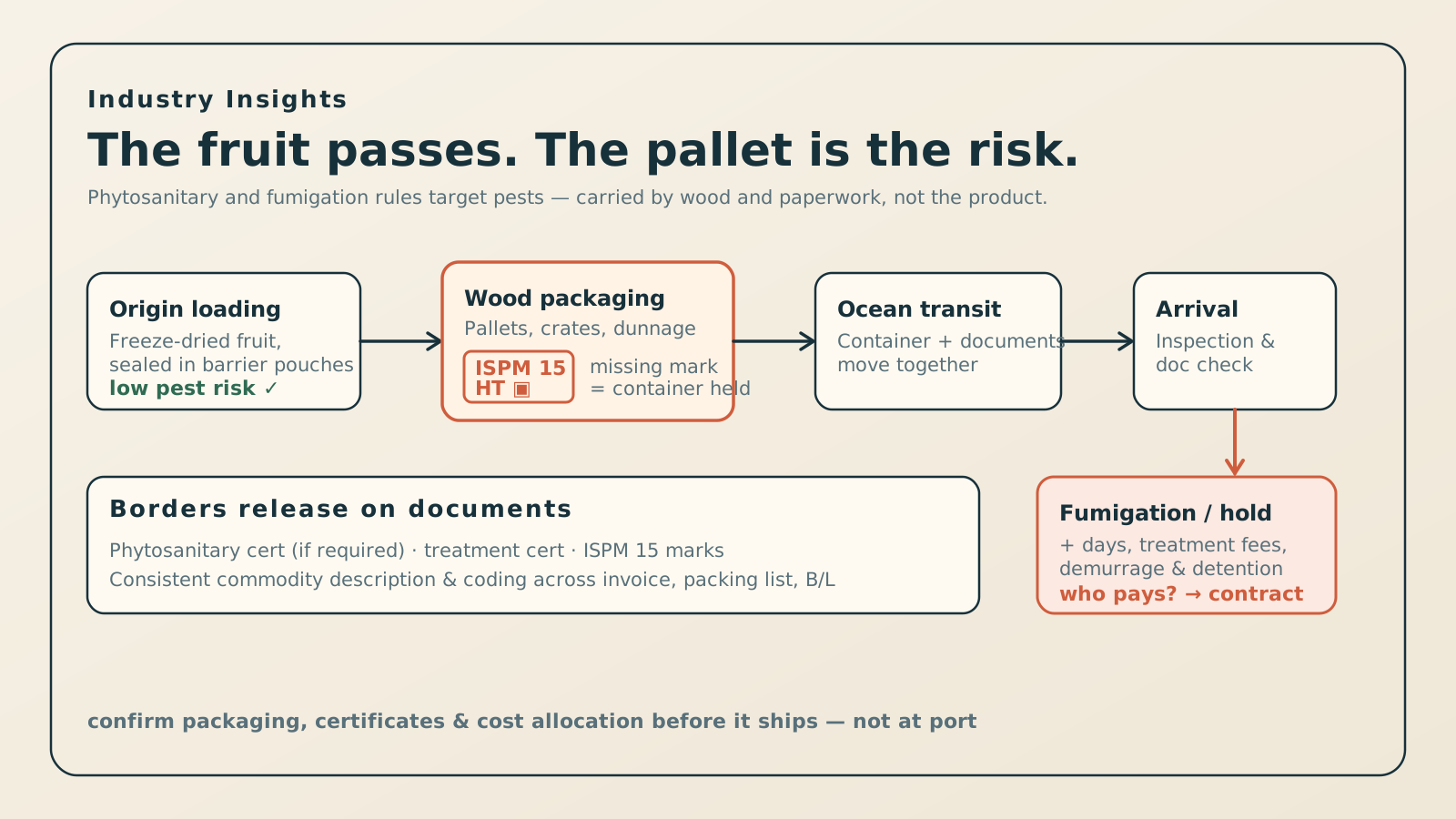
- Fumigation and phytosanitary controls are aimed at pests, not at the fruit's food safety, so a processed product like freeze-dried fruit is usually low-risk on its own — but its wood packaging and container can still be regulated.
- Wood pallets and dunnage must meet ISPM 15 heat-treatment or fumigation marking; a missing or invalid stamp is one of the most common avoidable causes of holds.
- Some origins and lanes carry a real risk of on-arrival fumigation or re-treatment, which can damage packaging, delay release, and add unplanned cost that someone in the contract has to absorb.
- Buyers should confirm packaging compliance, treatment certificates, and who pays for any ordered fumigation before the container ships, not after it is held at port.
Freeze-dried fruit sits in an odd regulatory position. It is a processed, low-moisture, shelf-stable food, so most of the pest and plant-health concerns that shape fresh produce imports do not apply to the fruit itself. Yet importers still see containers held for fumigation, phytosanitary paperwork, and wood-packaging violations — and the cost lands on whoever did not plan for it.
The confusion comes from mixing up two different things a border cares about: the food, and everything the food traveled on and in. Understanding which rules attach to which part is how buyers avoid surprise holds.
The direct answer
Phytosanitary and fumigation rules exist to stop live pests — insects, larvae, fungi, plant material — from moving across borders. For freeze-dried fruit, the finished product is a poor host: it is dry, processed, and inhospitable to the pests these rules target. So the fruit rarely drives the requirement.
What drives it is the packaging and the container. Wooden pallets, crates, and dunnage are classic pest carriers and are regulated worldwide. The container itself can be selected for inspection or treatment based on origin, commodity coding, or random targeting. And the paperwork — treatment stamps, certificates, declarations — is what a border officer actually checks before releasing the box.
Wood packaging is the usual trigger
The single most common phytosanitary issue for processed-food importers has nothing to do with the food. It is the pallet.
International rules under ISPM 15 require that solid-wood packaging material used in trade — pallets, crates, blocking, and dunnage — be treated to kill pests, either by heat treatment or fumigation, and marked with a recognized stamp showing the treatment and the producer. A pallet without a valid mark, or with a damaged or illegible one, can get a whole container held, and in some jurisdictions ordered for re-export or destruction of the packaging.
This is avoidable, and it is squarely a sourcing detail:
- Specify that all wood packaging must be ISPM 15 compliant and legibly marked.
- Prefer heat-treated (the mark reads "HT") wood, or ask about plastic or presswood pallets that fall outside the rule entirely.
- Have the supplier photograph the stamped pallets during loading, so a dispute has evidence.
It is entirely possible to import a perfectly compliant, well-documented lot of freeze-dried fruit and still lose a week at port because the pallets under it were not stamped. When buyers say "we got held for phytosanitary," this is usually what happened.
When the container itself gets fumigated
Separate from wood-packaging rules, some containers are fumigated — either at origin as a condition of export, or on arrival by the importing country's authority. For a processed food this is less about the product and more about lane risk, targeting, and occasionally the discovery of live pests during inspection.
On-arrival fumigation matters to a freeze-dried fruit buyer for three reasons:
- Time. A fumigation-and-aeration cycle adds days, sometimes more when berths and treatment slots are congested, on top of any exam queue.
- Cost. Treatment fees, extra handling, storage, demurrage, and detention accumulate while the box waits.
- Product and packaging exposure. Fumigants are designed to permeate. Even though the fruit is sealed in barrier pouches, buyers reasonably want to understand exposure, aeration, and whether any treatment could affect outer packaging or labeling. This is worth raising with the supplier and the customs broker rather than assuming.
Certificates and declarations do the talking
Borders release containers on documents, not on intentions. For freeze-dried fruit the relevant paperwork usually includes some mix of:
- A phytosanitary certificate when the destination requires one for the commodity and origin. Many processed products are exempt, but not all lanes and not all countries — this must be confirmed per destination, not assumed.
- Treatment certificates for any fumigation performed at origin, showing fumigant, dose, duration, and temperature.
- ISPM 15 evidence implicit in the pallet marks, plus any packing declaration a buyer requests.
- Standard import documents (commercial invoice, packing list, bill of lading) whose commodity description and coding should match the product, since a mismatch can itself trigger a closer look.
The practical failure mode is not usually a missing rule — it is a missing or inconsistent document. A certificate that does not match the container number, a declaration that names the wrong treatment, or a commodity description that reads like fresh produce can all convert a routine clearance into a hold.
Who pays — and why it belongs in the contract
Fumigation and phytosanitary costs are exactly the kind of unplanned charge that turns a good price into a bad landed cost. Whether the buyer or supplier absorbs an ordered fumigation, a re-treatment for a bad pallet, or the demurrage while a container waits usually comes down to the Incoterm and what the contract says.
Under origin-side terms the buyer often carries arrival-country treatment and the charges that follow; under delivered terms more of it may sit with the seller. Neither is automatic. The clean approach is to name it explicitly:
- State that wood packaging must be ISPM 15 compliant, and that the cost and consequences of non-compliant packaging fall on the supplier.
- Agree who orders and pays for any origin fumigation, and get the treatment certificate before shipment.
- Decide, in advance, who bears destination fumigation, storage, and demurrage if the authority orders treatment or an exam.
A short buyer checklist
Before a freeze-dried fruit container ships, confirm:
- Packaging: ISPM 15 heat-treated wood with legible marks, or a non-wood alternative, documented with photos.
- Destination requirements: whether a phytosanitary certificate is needed for this commodity and origin, verified with the customs broker for the specific country.
- Origin treatment: whether any fumigation was performed, with a matching treatment certificate on file.
- Documents: commercial invoice, packing list, and bill of lading with a consistent, accurate commodity description and coding.
- Cost allocation: contract language naming who pays for packaging failures and for any ordered fumigation, storage, and demurrage.
None of this changes the fruit in the pouch. It changes whether the container clears in days or sits at port while charges climb. For a product whose margins already depend on tight landed-cost control, the pallet stamp and the paperwork are not clerical afterthoughts — they are part of the buy.
Frequently Asked Questions
Does freeze-dried fruit itself need to be fumigated?
Rarely for its own sake. Freeze-dried fruit is dry, processed, and a poor host for the pests these rules target, so the product seldom drives a treatment requirement. Fumigation is usually triggered by lane risk, targeting, non-compliant wood packaging, or live pests found during inspection — not by the fruit.
Why did my freeze-dried fruit container get held for phytosanitary reasons?
The most common cause is wood packaging. Pallets, crates, and dunnage must meet ISPM 15 heat-treatment or fumigation marking. A missing, damaged, or illegible stamp can hold the whole container even when the fruit and its documents are fine.
Do I need a phytosanitary certificate to import freeze-dried fruit?
It depends on the destination country and the commodity. Many processed products are exempt, but not all lanes are. Confirm the specific requirement with your customs broker for each destination rather than assuming exemption.
Could fumigation affect the fruit inside sealed pouches?
The fruit is sealed in barrier packaging, but fumigants are designed to permeate, so buyers reasonably want to understand exposure, aeration time, and any effect on outer packaging. Raise it with the supplier and broker rather than assuming there is no impact.
Who pays for fumigation and demurrage if a container is held?
It depends on the Incoterm and the contract. Origin-side terms often leave arrival-country treatment and related charges with the buyer; delivered terms shift more to the seller. Nothing is automatic — name who pays for packaging failures and ordered fumigation explicitly in the contract.