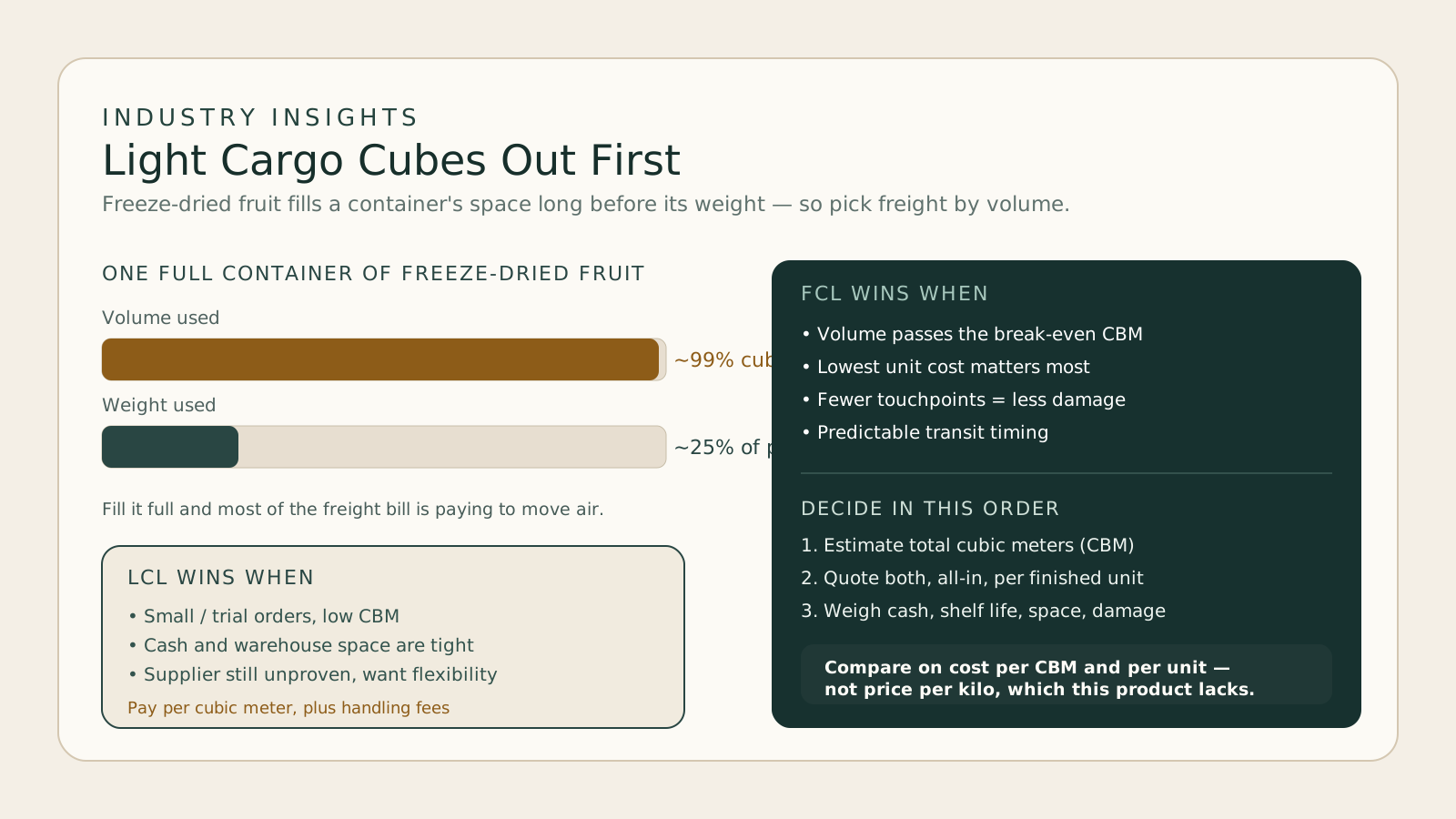
- Freeze-dried fruit is low-density, so a full container reaches its volume limit ('cubes out') well before its weight limit — the buyer pays for air.
- LCL (less-than-container-load) can be the cheaper and smarter choice for smaller or trial orders, but it adds per-shipment handling fees and more touchpoints.
- The break-even between LCL and FCL is a volume question first; only after estimating cubic meters does price per unit become comparable.
- Cash flow, shelf-life runway, and warehouse space often matter more than the headline freight rate when choosing between the two.
Most freight advice for importers boils down to one line: fill a full container and your cost per unit drops. For dense goods, that is usually right. For freeze-dried fruit, it is only half the story.
Freeze-dried fruit is one of the lightest, bulkiest foods you can ship. The water is gone, so what remains is mostly structure and air. That single property flips the usual container math and makes the less-than-container option worth a serious look, especially for newer brands and smaller lots.
The direct answer
For freeze-dried fruit, the choice between LCL and FCL is decided by volume, not weight. Because the product is so light, a full container hits its cubic capacity long before its weight capacity — it "cubes out." That means past a certain order size you are paying full-container price to ship a lot of empty space.
LCL, where your cargo shares a container and you pay for the room you actually use, can be the cheaper and lower-commitment choice for smaller volumes. The job is to find where the two lines cross for your specific order.
Why freeze-dried fruit changes the math
A standard 40-foot container has both a weight limit and a volume limit. Which one you hit first depends entirely on what you are shipping.
Ship canned goods or bottled liquids and you hit the weight limit with the container half full. Ship freeze-dried fruit and you hit the volume limit — every cubic meter is packed with cartons that weigh almost nothing. The container is stuffed full but nowhere near its payload capacity.
That is the trap in "always go full container." When you fill an FCL with freeze-dried fruit, a large share of what you are paying to move is air held in shape by packaging. The per-kilo freight cost looks terrible because kilos are exactly what this product does not have.
The practical unit for freeze-dried fruit freight is the cubic meter (CBM), not the kilo. When you compare quotes, convert everything to cost per CBM and per finished unit. A rate that looks cheap per kilo can be expensive per unit once you remember how little each carton weighs.
Where LCL wins
LCL shines when your volume is well below a full container and when flexibility is worth more than the lowest possible unit rate.
It fits smaller and trial orders. If you need a few pallets to test a market, launch a private label, or bridge to your next production run, paying for a whole container makes no sense. LCL lets you move exactly the volume you need.
It frees up cash and warehouse space. A full container of freeze-dried fruit is a large quantity of a shelf-stable but slowly-selling product. Buying smaller, more frequent LCL shipments keeps capital from sitting in inventory and keeps your storage footprint manageable.
It shortens your commitment to a supplier or SKU. Early in a relationship, before you are sure a supplier's production lots hold their spec, LCL lets you scale gradually instead of betting a full container on an unproven vendor.
Where FCL still wins
None of that makes LCL the default. FCL keeps clear advantages once your volume grows.
The obvious one is unit cost at scale: past the break-even volume, spreading a single container's cost across more units beats paying LCL's per-CBM rate plus fixed handling fees. LCL carries de-consolidation and handling charges at both origin and destination that do not shrink with careful packing.
FCL also means fewer touchpoints. Your cargo is loaded once, sealed, and opened at destination. LCL freight is consolidated with other shippers' goods and broken apart again, adding handling steps — a real consideration for a product as crush-sensitive as freeze-dried fruit. And FCL is generally more predictable on timing, since LCL waits on consolidation schedules and can move slower.
How to actually decide
The comparison only works in one order. Start with volume, then price, then the softer factors.
First, estimate your cubic meters. Take your carton dimensions and count, and work out total CBM. This is the number that determines everything else.
Second, get both quotes on the same basis. Ask for the LCL rate per CBM including all origin and destination handling and de-consolidation fees, and the all-in FCL rate for the container size you would use. Convert both to cost per finished unit.
Third, weigh the non-freight factors, which often decide it:
- Cash flow: can you afford a full container's worth of product sitting in stock?
- Shelf-life runway: freeze-dried fruit is shelf-stable, but a full container you sell slowly still ages on the shelf. Match order size to real sell-through.
- Warehouse space: bulky, light cartons eat storage fast.
- Damage tolerance: if you go LCL, budget for sturdier packaging and palletization to survive the extra handling.
For many small and mid-sized buyers, the honest answer is that LCL is right until sales volume and confidence in the supplier both grow enough to justify committing to full containers.
The takeaway
Freeze-dried fruit fills space before it fills weight, so the reflex to always book a full container can mean paying premium freight to move air. LCL is a legitimate, often cheaper option for smaller or early orders — as long as you compare on cubic meters and all-in fees, and let cash flow, shelf-life runway, and handling risk weigh in alongside the headline rate.
Frequently Asked Questions
What is the difference between LCL and FCL?
FCL (full container load) means you book an entire container for your goods. LCL (less-than-container-load) means your cargo shares a container with other shippers' goods and you pay for the space you use, usually by cubic meter or weight, whichever is greater.
Why does freeze-dried fruit 'cube out'?
Because it is very light for its volume. A 40-foot container can legally carry a large payload by weight, but freeze-dried fruit in cartons fills all the available space long before it approaches that weight limit. You end up paying to ship mostly empty volume, which is the container's cube limit, not its weight limit.
Is LCL always cheaper for small orders?
Not always. LCL is priced per cubic meter with minimums and adds fixed handling and de-consolidation fees at both ends. For very small volumes it usually wins; as volume grows there is a break-even point where filling a full container becomes cheaper per unit even with empty space.
Does LCL create more risk for freeze-dried fruit?
It adds touchpoints. LCL cargo is consolidated and de-consolidated with other shippers' freight, which means more handling and a slightly higher chance of physical damage or delay. For fragile, crush-sensitive freeze-dried fruit, packaging and palletization matter more on LCL.
Primary sources & further reading
- Importing Human Foods U.S. Food and Drug Administration Referenced for the import-process context that applies regardless of whether freeze-dried fruit ships LCL or FCL.
- Foreign Supplier Verification Programs (FSVP) for Importers U.S. Food and Drug Administration Referenced for the importer responsibilities that do not change with freight mode when sourcing freeze-dried fruit.
External links open in a new tab. We do not receive compensation from any organization listed; sources are referenced because they are primary, current, and publicly verifiable.