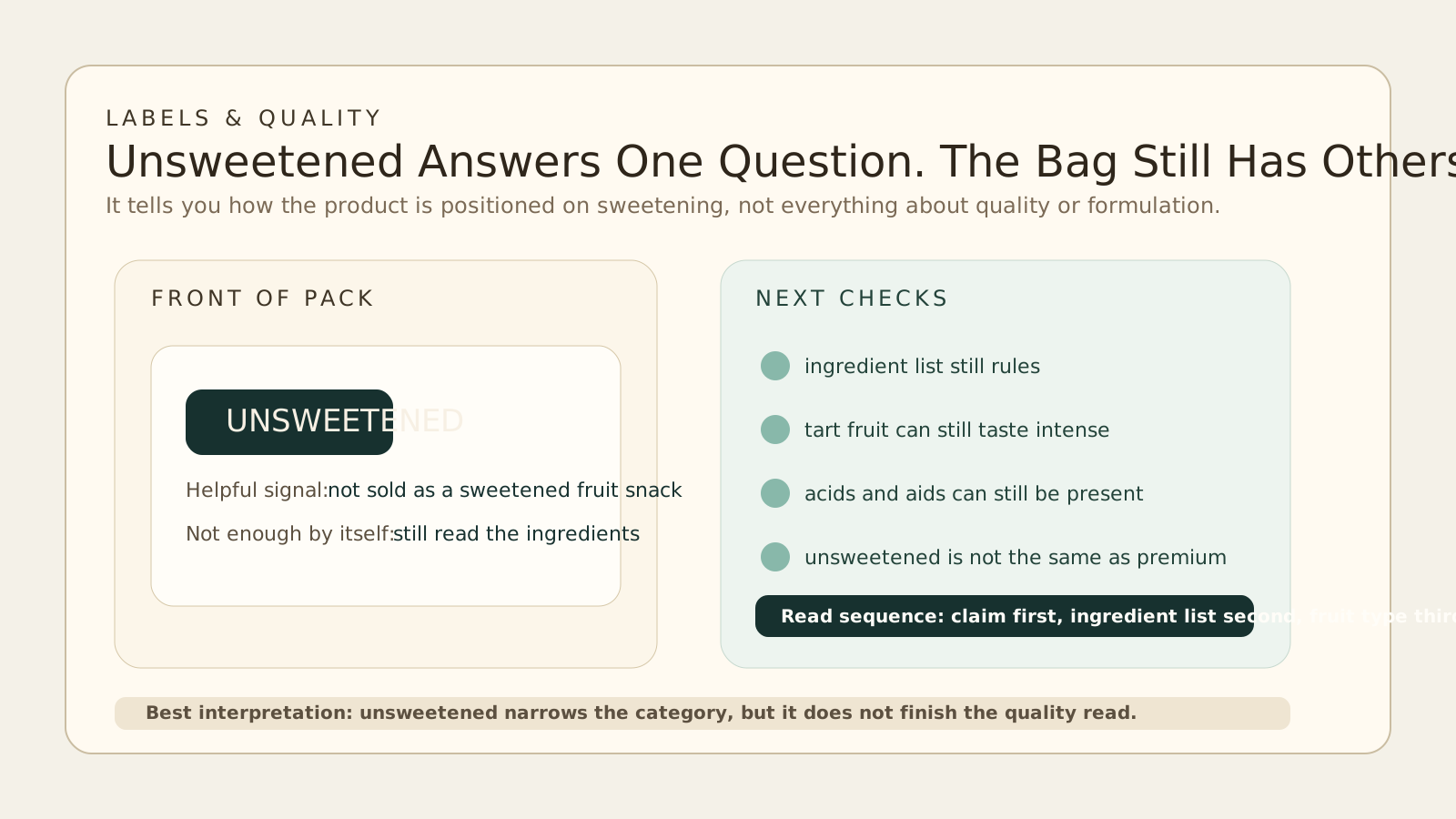
- An 'unsweetened' claim points shoppers away from added sweetening, but it is not the same as a full quality verdict.
- Unsweetened does not automatically mean 100% fruit, premium fruit, or the same eating experience across different fruits.
- Naturally tart fruits can be accurately sold as unsweetened and still taste much sharper than sweetened shoppers expect.
- The ingredient list still matters because acids, anti-browning aids, flavors, or other formulation choices can change what the bag is.
An unsweetened freeze-dried fruit label usually aims to answer one shopper fear quickly: this bag is not supposed to be a candy-like fruit crisp built on added sweetening.
That is useful. It is not the whole buying answer.
The direct answer
On freeze-dried fruit, "unsweetened" generally tells the reader that the product is being sold without added sweetening ingredients. The claim helps separate plain or less-formulated fruit from sweetened snack formats, but it does not automatically prove the bag is 100% fruit, premium quality, or right for every palate.
The claim narrows the question. It does not finish it.
What the claim helps you rule out
The fastest value of "unsweetened" is comparative.
It helps the shopper or buyer move away from products that may include:
- added sugar
- syrups
- certain sweetening juice concentrates
- other formulation choices aimed at making the fruit taste sweeter than it naturally does
That matters in freeze-dried fruit because shelf neighbors can look similar while being very different products. A plain freeze-dried strawberry, a sweetened crisp, and a juice-sweetened tart fruit blend may all live in the same visual category.
The unsweetened claim tells you the bag wants to be read closer to the plain-fruit end of that range.
What the claim does not prove
This is where shoppers often flatten the meaning too much.
Unsweetened does not automatically prove:
- the fruit is 100% fruit
- the fruit was premium at intake
- the bag contains no other processing aids
- the flavor will be mild or easygoing
- the product is the best value on the shelf
For example, a bag can be unsweetened and still be:
- naturally very tart
- visually faded
- heavy in breakage
- built from a fruit that was never especially flavorful
The claim speaks to sweetening. It does not solve every quality question around the bag.
Why tart fruits make the claim more important
Unsweetened matters most when the fruit itself is naturally sharp.
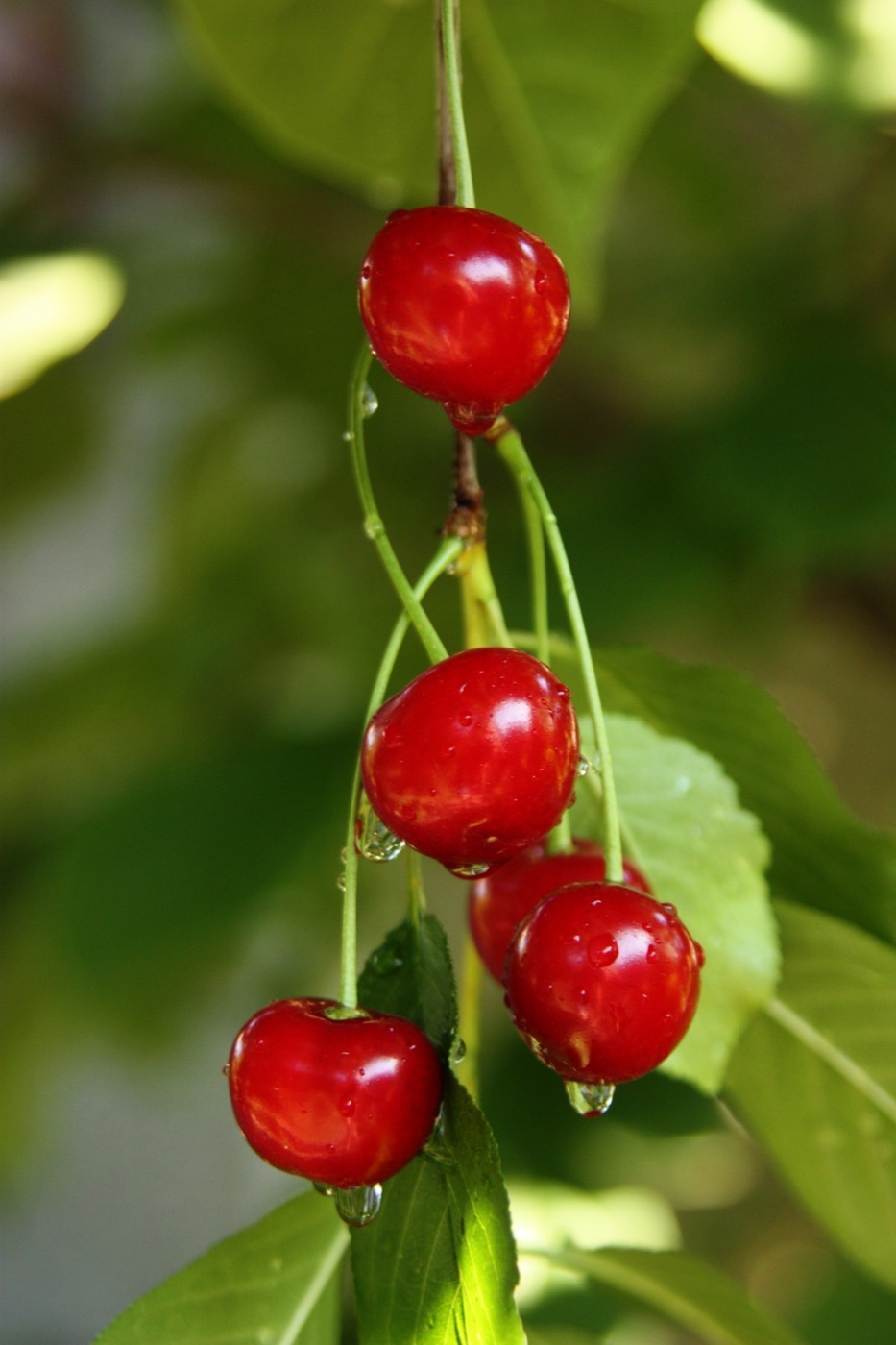
Cranberry is the obvious example, but it is not the only one. Sour cherry, certain citrus formats, gooseberry-type products, and some pomegranate formats can all read much more intense when freeze-dried and left plain.
That is not a labeling failure. It is a product-design reality.
Freeze-drying concentrates the fruit that was already there. If the fruit starts tart, unsweetened freeze-drying usually makes that tartness more visible, not less. That is why "unsweetened" is a useful claim for honesty, but not always a promise of mass-market snackability.
Why the ingredient list still matters
Even after a shopper sees "unsweetened," the ingredient list still does real work.
The bag may still include ingredients used for reasons other than sweetening, such as:
- ascorbic acid
- citric acid
- flavoring components
- processing or flow aids in powder-heavy products
Those ingredients do not automatically make the product bad. They do change what kind of product it is.
This is the same reading discipline the rest of the site's label coverage keeps repeating: front-of-pack language sets the direction, but the ingredient list defines the actual formulation.
Unsweetened versus the broader plain-fruit question
One reason the claim causes confusion is that shoppers often use it as shorthand for several different desires at once:
- no added sugar
- plain fruit only
- cleaner taste
- fewer ingredients
- less processed positioning
Sometimes those desires line up. Sometimes they do not.
An unsweetened bag may still differ materially from a strict plain-fruit bag. That is why the cleanest comparison is:
- front-of-pack claim
- ingredient list
- added-sugars line where relevant
- fruit type and format
That sequence keeps the label from doing more work than it deserves.
What buyers and shoppers should ask next
After seeing "unsweetened," the practical next questions are:
- Is the ingredient list only fruit, or fruit plus other aids?
- Is this fruit naturally sweet, neutral, or tart?
- Is the product sold as a snack, an inclusion, or a topping?
- Does the bag still look strong on color, breakage, and texture?
Those questions turn the claim into a usable quality read instead of a mood word.
Bottom line
"Unsweetened" on a freeze-dried fruit label usually means the bag is not being sold as a sweetened fruit product. That is valuable, especially in a category where sweetened and plain products often sit close together.
But the claim is only one layer. To understand the bag fully, read the ingredient list, respect the fruit's natural acidity, and remember that unsweetened is a formulation clue, not a complete quality verdict.
Frequently Asked Questions
Does 'unsweetened' mean no sugar was added to the freeze-dried fruit?
That is the main practical signal. It tells the shopper the product was not positioned as a sweetened fruit snack with added sugar or other sweetening ingredients.
Is 'unsweetened' the same as '100% fruit'?
Not necessarily. A product can avoid added sweeteners and still include other non-sweetening ingredients such as anti-browning acids or other formulation aids. The ingredient list still settles the question.
Why can unsweetened freeze-dried cranberry taste so intense?
Because the claim says nothing about the fruit's natural acidity. Freeze-drying concentrates the fruit that was already there, so tart fruits can feel much sharper when they are sold plain and unsweetened.
Is 'unsweetened' the same as 'no sugar added'?
They are closely related in shopper logic, but the claims are not identical as reading habits. 'Unsweetened' tells you how the product is positioned; the full label still needs to be checked in context.
What should I read next after seeing 'unsweetened'?
Check the ingredient list, the added-sugars line on the Nutrition Facts panel where relevant, the fruit type, and whether the bag is plain fruit or a more engineered snack format.
Primary sources & further reading
- 21 CFR 101.60 — Nutrient Content Claims for the Calorie Content of Foods Electronic Code of Federal Regulations Referenced for the U.S. framework around sugar-related nutrient-content claims and the conditions commonly read alongside unsweetened-style positioning.
- Added Sugars on the New Nutrition Facts Label U.S. Food & Drug Administration Referenced for FDA's explanation that added sugars include sugars from syrups and certain concentrated fruit or vegetable juices used as sweeteners.
- Guidance for Industry: A Food Labeling Guide U.S. Food & Drug Administration Referenced for broader FDA label-reading guidance relevant to interpreting front-of-pack claims in context rather than as standalone proofs of quality.
External links open in a new tab. We do not receive compensation from any organization listed; sources are referenced because they are primary, current, and publicly verifiable.