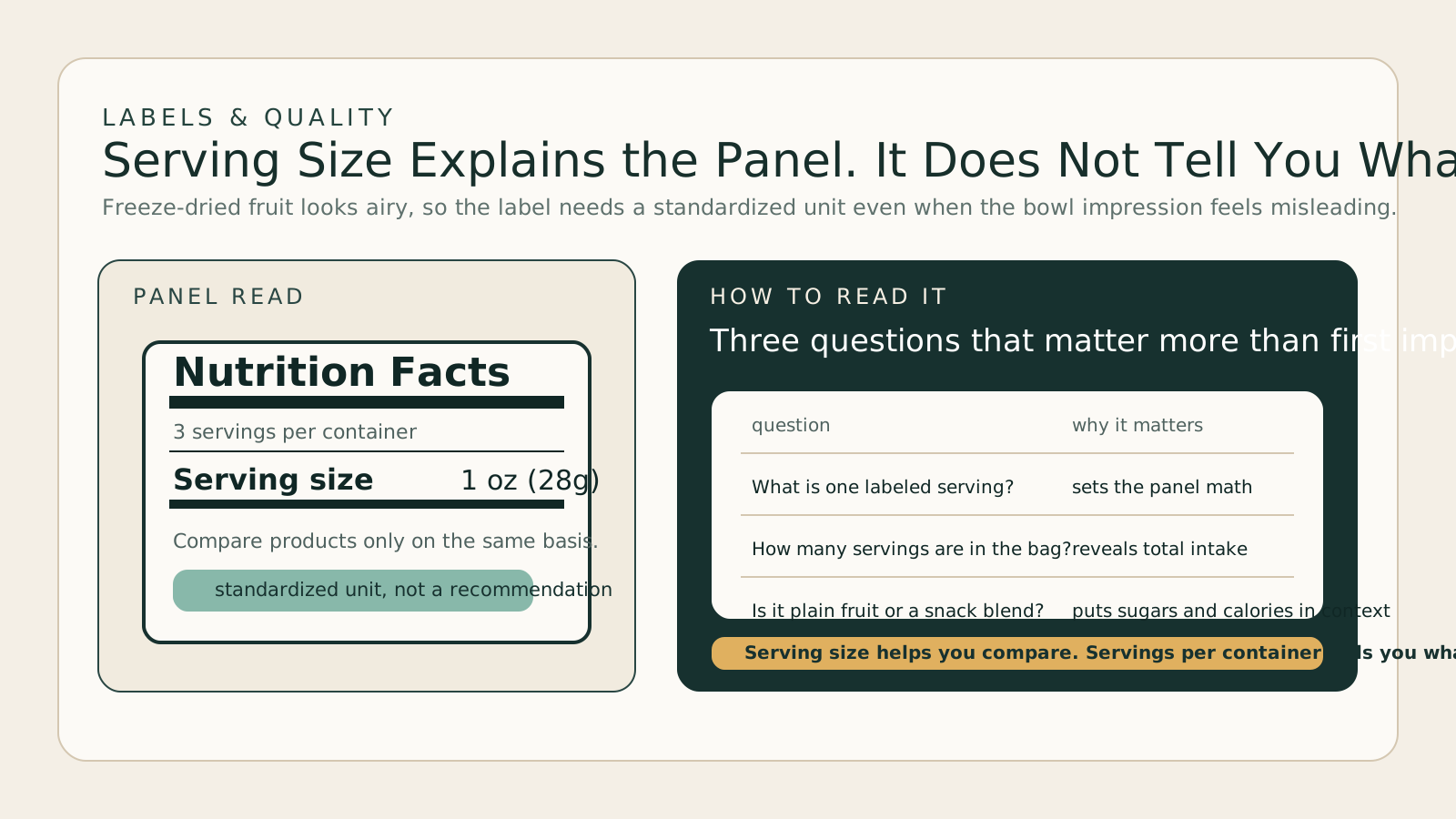
- Serving size on the Nutrition Facts label is a standardized reference amount, not a recommendation about how much you should eat.
- Freeze-dried fruit can look bulky and light at the same time, so labeled serving size often feels smaller than the bowl impression suggests.
- Servings per container matters as much as serving size because many pouches contain more than one labeled serving.
- The best comparison is serving size plus ingredients, sugars, and format, not calories or grams in isolation.
Serving size is one of the easiest parts of a freeze-dried fruit label to read and one of the easiest parts to misinterpret.
The category creates the perfect confusion: the product looks bulky, weighs very little, and concentrates a lot of fruit into a small dry portion.
The direct answer
Serving size on a freeze-dried fruit label is a standardized reference amount used for the Nutrition Facts panel. It is not a recommendation, and it is not a promise that most people actually stop there. Its job is to help you compare similar foods on a common footing.
That common footing matters even more in freeze-dried fruit because visual volume and dry weight do not line up intuitively.
Serving size is a comparison tool, not an instruction
FDA's label guidance is clear on the main point: serving size reflects the amount people typically consume for a food category, and it is not a recommendation for how much anyone should eat.
That means the label is not saying:
- this is the ideal portion
- this is the only sensible portion
- this is what you personally should eat
It is saying:
- this is the standardized unit used to present the nutrition numbers
That distinction gets lost quickly when shoppers read one neat line and assume it carries a dietary opinion.
Why freeze-dried fruit makes serving size feel strange
Freeze-dried fruit behaves differently from denser snacks because water is gone while the fruit solids remain.
So the serving can feel small in at least three ways:
- the gram weight looks light
- the visual amount may still seem decent
- the nutrition numbers can look concentrated relative to that light weight
This is why people often say a freeze-dried fruit serving "looks tiny" while also saying the calories or sugars "look high." Both reactions come from the same fact: the fruit is dry, airy, and concentrated.
Servings per container is doing half the work
A lot of label confusion comes from reading serving size and ignoring the line right above it.
Servings per container tells you whether the pouch is:
- a single serving
- more than one serving
- a borderline snack where many people will casually eat two servings without noticing
That matters for freeze-dried fruit because the bag often feels light enough to finish quickly. If the pouch contains multiple servings, the difference between "one serving" and "what I just ate" can be large.
For practical reading, these two lines belong together:
- serving size
- servings per container
Split them apart and the rest of the panel gets easier to misread.
Why comparison only works when serving sizes match
FDA's consumer guidance also makes a second useful point: compare foods only after confirming that the serving sizes are the same.
That matters in freeze-dried fruit because brands may differ on:
- the labeled portion
- whether the pouch is treated as one or multiple servings
- whether the product is plain fruit or a formulated snack blend
So a product can look lower in calories or sugars simply because the serving is smaller, not because the product itself is fundamentally lighter.
The fair comparison sequence is:
- check serving size
- check servings per container
- compare calories and sugars
- read ingredients
Without that order, the label can make unlike products look comparable.
Serving size does not answer the whole quality question
Serving size helps standardize the nutrition panel. It does not tell you everything about value or quality.
It does not tell you:
- whether the bag is mostly whole pieces or fines
- whether sugar or other ingredients were added
- whether the pouch will feel satisfying for the intended use
- whether the product is better for snacking, topping, or baking
That is why freeze-dried fruit labels are best read as a bundle of signals rather than a single number game.
For example:
- a plain-fruit product and a sweetened crisp may show different sugars for reasons that have nothing to do with fruit concentration alone
- a bowl topping can work well at a modest serving even if a hand-snack consumer expects more volume
The better question to ask
Instead of asking, "Is this serving size small?"
Ask:
- What is the serving size?
- How many are in the bag?
- Is the product plain fruit or a formulated snack?
- Am I comparing it with another product on the same serving basis?
That turns the line from a vague impression into a useful tool.
Serving size explains the panel. Servings per container explains the package. Ingredients explain what kind of product you are actually eating.
Bottom line
Serving size on freeze-dried fruit labels is a standardized comparison unit, not a recommendation and not a guarantee that the pouch matches your casual eating habit. In an airy, concentrated category, that distinction matters.
Read serving size together with servings per container, then compare calories, sugars, and ingredients on the same basis. That is what makes the Nutrition Facts panel actually useful.
Frequently Asked Questions
Is serving size on a freeze-dried fruit label a recommendation?
No. FDA explains that serving size reflects the amount people typically eat or drink for that category. It is a comparison tool, not an instruction.
Why does the serving size sometimes look tiny on freeze-dried fruit?
Because water has been removed, so a small dry weight can still represent a meaningful amount of fruit solids. The product looks airy but is nutritionally concentrated.
What does servings per container tell me?
It tells you how many labeled servings are in the package. That matters because eating half or all of a pouch can mean consuming two or more label servings, not one.
Can I compare two freeze-dried fruit products by calories alone?
Not accurately. FDA advises comparing foods only after checking that the serving size is the same. Different serving sizes can make calories and sugars look more different than the products really are.
What should I check along with serving size?
Check servings per container, ingredient list, Added Sugars when present, and whether the product is whole pieces, fragments, or a formulated snack blend.
Primary sources & further reading
- What's on the Nutrition Facts Label U.S. Food & Drug Administration Referenced for FDA's explanation that serving size reflects amounts typically consumed and is not a recommendation.
- How to Understand and Use the Nutrition Facts Label U.S. Food & Drug Administration Referenced for FDA's guidance on reading serving information and comparing products only when serving sizes are aligned.
- Food Serving Sizes Have a Reality Check U.S. Food & Drug Administration Referenced for FDA's explanation that serving-size standards are based on Reference Amounts Customarily Consumed rather than idealized portions.
- Guidance for Industry: Reference Amounts Customarily Consumed (List of Products for Each Product Category) U.S. Food & Drug Administration Referenced for the underlying RACC framework used to establish serving-size categories on packaged foods.
External links open in a new tab. We do not receive compensation from any organization listed; sources are referenced because they are primary, current, and publicly verifiable.