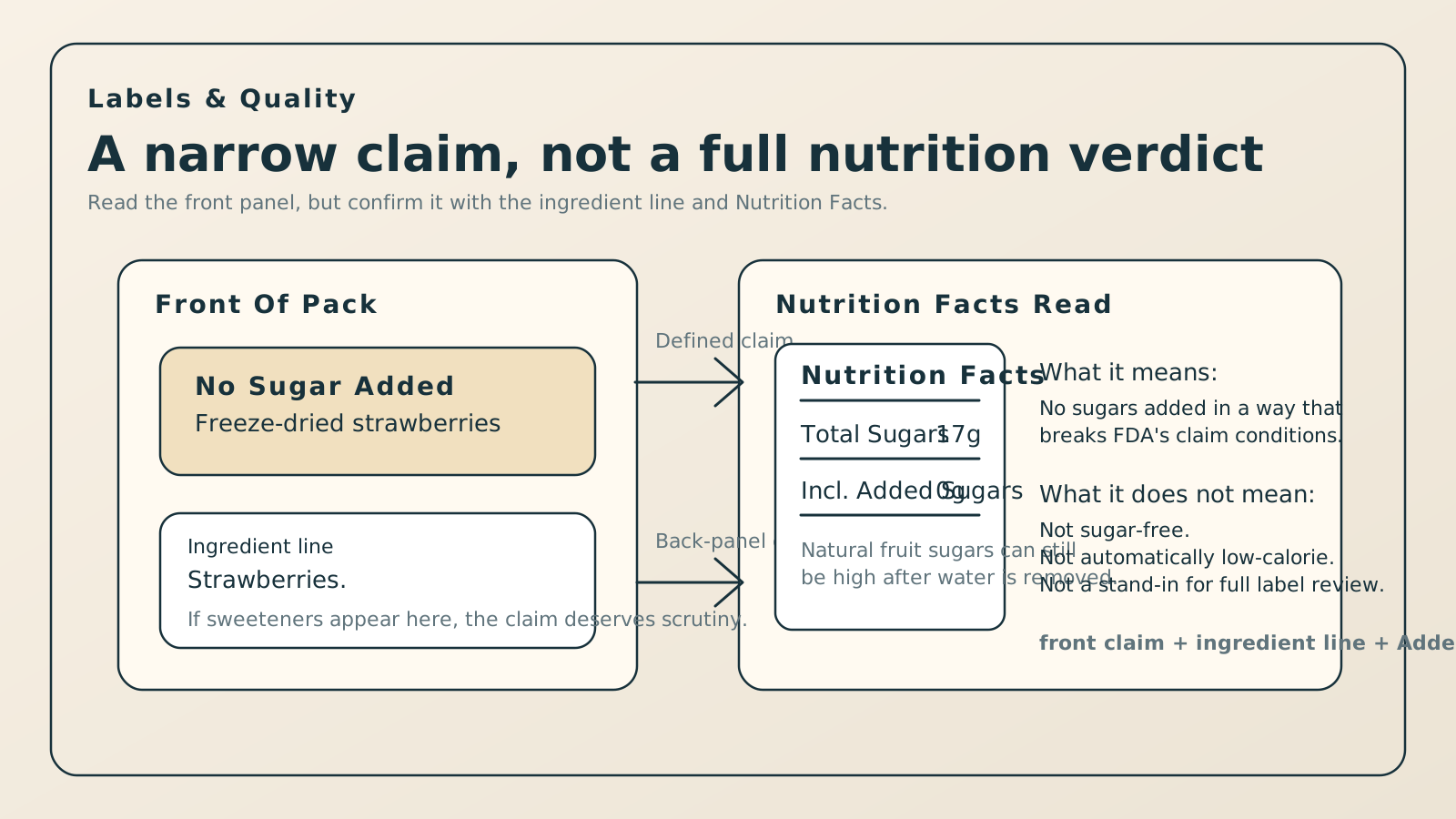
- In U.S. labeling, 'no sugar added' is not a vague marketing phrase; it comes with rule-based conditions.
- The claim does not mean the fruit contains no sugar. Freeze-dried fruit can still be naturally high in sugars because drying concentrates what the fruit already had.
- A clean ingredient list and the Nutrition Facts panel still matter, because 'no sugar added' says nothing by itself about total sugars, calories, or portion size.
- For freeze-dried fruit, the claim is most useful when it helps separate plain-fruit products from sweetened crisps, coatings, or fruit-plus-syrup formats.
Freeze-dried fruit sits in a part of the aisle where plain fruit, sweetened fruit crisps, fruit powders, and snack-like formulations can all look similar at first glance.
That is why "no sugar added" gets so much attention. It sounds like a shortcut. Used carefully, it can be one.
The direct answer
On a U.S. freeze-dried fruit label, "no sugar added" means the product was made without added sugars or sugar-substituting ingredients in a way that meets FDA's claim conditions. It does not mean the fruit contains no sugar, and it does not automatically mean the product is low in sugar, low calorie, or better for every use case.
It is mainly a formulation claim, not a full quality verdict.
What the claim does tell you
The claim is useful because it separates plain-fruit or plainly formulated products from products whose sweetness was built up with added sugars.
For freeze-dried fruit, that matters because many shelf neighbors are not the same product type. One bag may be just freeze-dried strawberries. Another may be fruit plus cane sugar, syrup, concentrate, coating, or flavor system.
When a "no sugar added" claim is legitimate, it tells you the sweetness profile is coming from the fruit itself rather than from a sweetener added during formulation.
That is meaningful. It just is not the whole story.
What the claim does not tell you
This is where shoppers and even some buyers overread it.
"No sugar added" does not mean:
- sugar-free
- low-sugar
- low-carb
- low-calorie
- unsweet on the palate
Freeze-dried fruit can still taste very sweet because drying removes water and concentrates the fruit's naturally occurring sugars. A naturally sweet banana, mango, or pineapple product can be legitimately labeled "no sugar added" and still read as dessert-like.
Why juice concentrates matter
FDA's rule is stricter than many shoppers realize. The claim can be disqualified when an ingredient such as concentrated fruit juice is used as a sugar source rather than simply appearing in its expected juice form. That matters in fruit snacks because concentrate can sound fruit-like while still functioning as an added sweetener.
For freeze-dried fruit, that means the ingredient line still has to do real work. If the front says "no sugar added," the back should make that believable.
Look carefully for:
- cane sugar
- syrup
- honey
- concentrated fruit juice used as sweetener
- flavored or coated add-ins that change the product type
The Nutrition Facts panel still matters
A common mistake is treating the front-panel claim as enough. It is not.
The Nutrition Facts panel can still show a meaningful amount of total sugars because those sugars naturally belong to the fruit. The key line to compare is Added Sugars. On a true no-sugar-added freeze-dried fruit product, that line should not be doing the work that the front-panel claim says it is not.
This is also where portion size matters. A concentrated fruit snack can have no added sugar and still deliver a sugar load that feels large for the serving someone actually eats.
Why FDA requires calorie context
FDA's rule also recognizes that consumers may hear "no sugar added" as a broader health halo. That is why extra calorie disclosure is required when the food is not low or reduced calorie.
The practical lesson is simple: the claim is narrow by design. It is not supposed to do the work of a complete nutrition assessment.
How to read the claim on freeze-dried fruit in the real world
The quickest disciplined read is:
- Check the ingredient list.
- Check the Added Sugars line on Nutrition Facts.
- Then decide whether the fruit itself fits your use.
That sequence helps because the claim only answers one question: was sugar added in a way that breaks the rule? It does not answer:
- whether the bag is mostly whole pieces or powdery fragments
- whether the fruit stays crisp after opening
- whether the product is good value
- whether the sweetness level suits your application
Where the claim is most useful
For freeze-dried fruit, "no sugar added" is most helpful when the shopper or buyer is comparing products that look similar but are not formulated the same way. It is especially useful in:
- children's snack comparisons
- private-label benchmarking
- ingredient screening for plain-fruit use
- shelf sets where sweetened and unsweetened products sit side by side
In those cases, the claim can save time. It still should not replace a full read.
Bottom line
"No sugar added" on a freeze-dried fruit label is a defined formulation claim, not a promise that the fruit contains no sugar or that the product is automatically light. The fruit may still be naturally sweet, concentrated, and calorie-dense for its size.
Read the claim as a filter. Then use the ingredient line and Nutrition Facts panel to decide what the bag actually is.
Frequently Asked Questions
Does 'no sugar added' mean freeze-dried fruit is sugar-free?
No. It only means sugars were not added in a way that would disqualify the claim. The fruit can still contain plenty of naturally occurring sugars.
Can a freeze-dried fruit product with juice concentrate claim 'no sugar added'?
Not if the concentrate is being used as a sugar ingredient. FDA's rule specifically lists concentrated fruit or vegetable juices as ingredients that can disqualify the claim when they function as added sugar.
Should the Nutrition Facts label still show sugars on a no-sugar-added product?
Yes. The Nutrition Facts panel can still show total sugars from the fruit itself, even when added sugars are zero.
Does 'no sugar added' mean low calorie?
No. FDA requires extra disclosure when a food with this claim is not low or reduced calorie, because consumers might otherwise overread the claim.
What is the quickest way to verify the claim on freeze-dried fruit?
Check the ingredient line first, then the Added Sugars line on the Nutrition Facts panel. That combination tells you much more than the front-panel claim alone.
Primary sources & further reading
- 21 CFR 101.60 — Nutrient Content Claims for the Calorie Content of Foods Electronic Code of Federal Regulations Referenced for the U.S. conditions governing 'no sugar added' claims, including the limits on added sugars, juice concentrates used as sweeteners, and the related calorie disclosure requirement.
- Added Sugars on the New Nutrition Facts Label U.S. Food & Drug Administration Referenced for FDA's explanation that added sugars include sugars from syrups and certain concentrated fruit or vegetable juices used beyond what would be expected from the same volume of 100 percent juice.
- Guidance for Industry: A Food Labeling Guide U.S. Food & Drug Administration Referenced for FDA's broader front-of-pack and label-reading guidance relevant to evaluating nutrient-content claims in context.
External links open in a new tab. We do not receive compensation from any organization listed; sources are referenced because they are primary, current, and publicly verifiable.