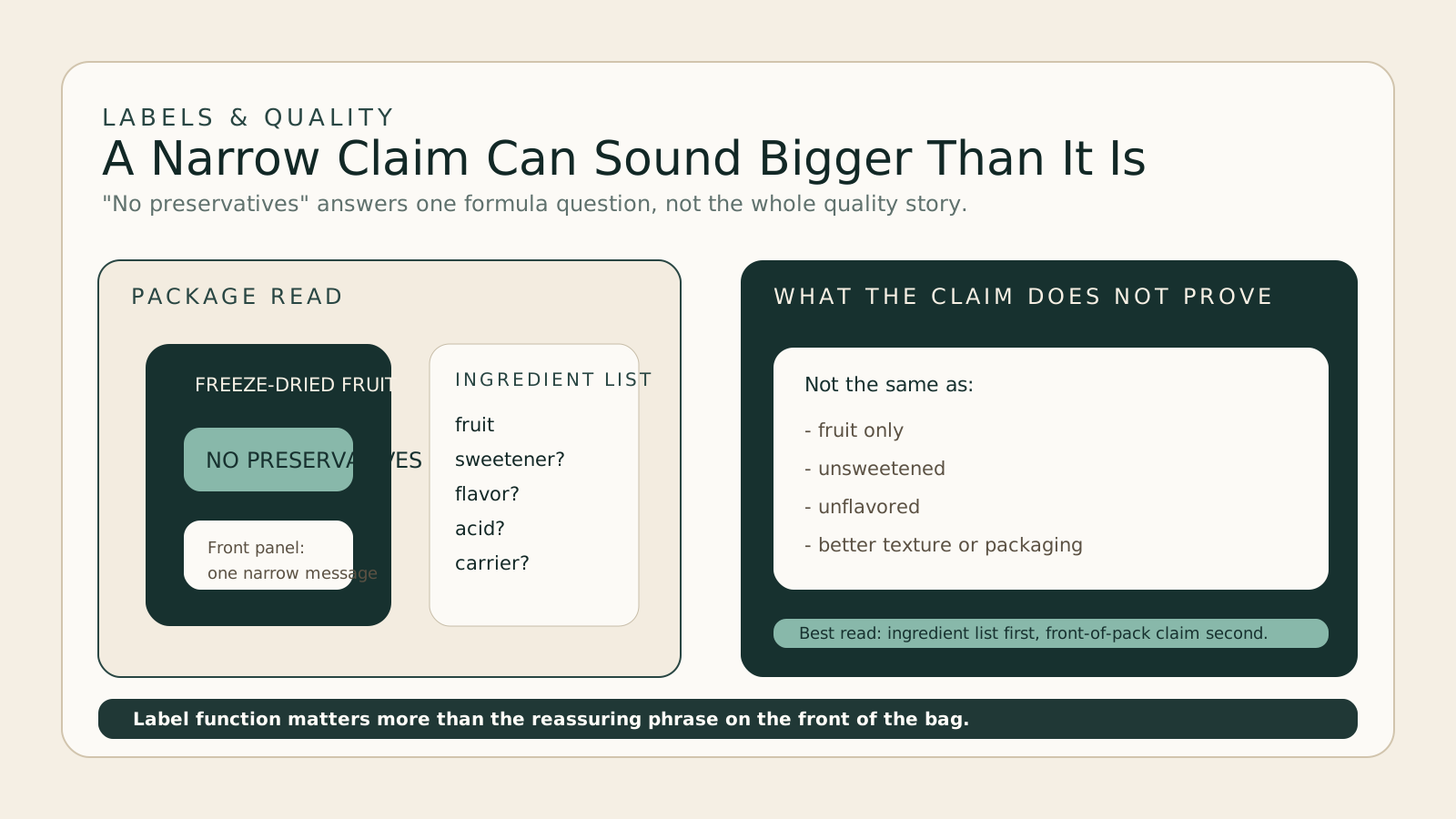
- A 'no preservatives' claim speaks to one part of the formula story, not to the full quality or simplicity of the product.
- Freeze-dried fruit can still contain sweeteners, flavors, acids, or processing aids even when preservatives are not part of the claim.
- Function matters: an ingredient's label meaning depends on why it was added, not just on whether the name sounds familiar or chemical.
- The best reading order is ingredient list first, then product context, then the front-of-pack claim.
"No preservatives" is one of those phrases that sounds bigger than it is.
On a freeze-dried fruit bag, it can be accurate, helpful, and still much narrower than the shopper assumes after a two-second glance.
The direct answer
On a freeze-dried fruit label, "no preservatives" means the product is not being presented as containing ingredients added for a preservative function. It does not automatically mean the bag contains only fruit, no sweeteners, no flavors, or no other added ingredients.
The practical read is simple: treat the claim as one narrow signal, then verify the formula in the ingredient list.
Why the phrase shows up so often on freeze-dried fruit
Freeze-dried fruit is a format that can remain shelf-stable through:
- removal of water
- low water activity
- protective packaging
- controlled storage
That means the product often does not need classic preservative systems in the way a wetter food might. A brand may therefore use "no preservatives" as a front-of-pack reassurance.
The problem is not that the phrase is necessarily wrong. The problem is that shoppers can mentally upgrade it into several broader ideas that the phrase never promised.
People often hear:
- plain fruit
- nothing added
- minimally processed
- nutritionally superior
Those are different claims.
Function matters more than the ingredient name alone
FDA's ingredient guidance is useful here because it emphasizes that ingredients play different roles in foods. The same familiar ingredient name can mean different things depending on why it was added.
That is especially important with freeze-dried fruit because ingredients such as acids, flavors, carriers, or sweeteners may appear for reasons other than preservation.
So the sharper question is not:
- Is this ingredient name long or chemical-sounding?
It is:
- What is this ingredient doing in the product?
That is the difference between label-reading theater and actual label interpretation.
"No preservatives" does not rule out other additions
A freeze-dried fruit product can still include:
- sugar
- fruit juice concentrate
- natural flavor
- citric acid
- ascorbic acid
- starches or carriers in powder systems
and still invite a preservatives question that needs to be answered more carefully than the front panel allows.
Some of those ingredients may be there for flavor balance, anti-browning support, powder flow, or formula design. Whether that is acceptable depends on the product the shopper wants. It does not automatically make the food deceptive. It does mean "no preservatives" is not the whole formula story.
Why freeze-dried fruit is especially easy to over-credit
Freeze-dried fruit already carries a "clean" halo because it looks like fruit, sounds technical, and often has short ingredient lines.
That makes shoppers more likely to overread a supportive front-panel phrase.
But the better comparison habit is still:
- ingredient list
- Nutrition Facts context
- front-of-pack claim
That order keeps the formula in charge instead of the marketing summary.
What a careful shopper or buyer should check
If the product says "no preservatives," look for:
- whether fruit is the only ingredient
- whether sweeteners are present
- whether flavors or carriers were added
- whether the claim is being used to distract from another part of the formula
For buyers and private-label teams, the same logic matters commercially. A clean front panel should not be allowed to substitute for a precise product definition.
A useful nuance about acids and anti-browning ingredients
This is where people often get tangled.
FDA's preservative-labeling policy focuses on the preservative function of the ingredient in the food. That means an ingredient's meaning is tied to role, not only to chemistry vocabulary.
For freeze-dried fruit, acids may be used to support flavor profile or color handling rather than to act as a classic preservative system in the way shoppers imagine. The front-of-pack claim therefore needs to be read with some humility. The ingredient list usually tells you more than the slogan does.
What the claim does not prove
"No preservatives" does not prove:
- the fruit is unsweetened
- the fruit is unflavored
- the bag is mostly whole pieces
- the product is better packed
- the texture will stay crisp longer after opening
Those are all separate quality questions.
In freeze-dried fruit, real quality still lives in:
- fruit identity
- aroma
- color
- breakage level
- packaging performance
- label honesty overall
A better one-minute reading routine
If you want a fast but disciplined read, do this:
- Check whether the ingredient list is just fruit or something broader.
- Notice whether the front-panel claim says "no preservatives" but leaves other additions unstated.
- Compare the claim to the kind of product it really is: snack fruit, sweetened crisp, powder blend, or flavored item.
That routine is better than assuming the phrase means maximum simplicity.
Bottom line
"No preservatives" on a freeze-dried fruit label can be accurate and still narrower than it sounds. It tells you the product is not being framed around preservative additions, but it does not by itself define the whole formula or the whole quality story.
Read the ingredient list first. Let the actual contents outrank the front-of-pack reassurance.
Frequently Asked Questions
Does 'no preservatives' mean the bag contains only fruit?
No. It may mean no preservative function is being claimed, but the product can still include sugar, flavors, acids, carriers, or other ingredients depending on the formula.
Can plain freeze-dried fruit legitimately say 'no preservatives'?
Often yes, because freeze-drying and protective packaging can preserve the product without added chemical preservatives. But the claim still should be read alongside the actual ingredient list.
Are citric acid or ascorbic acid always preservatives?
Not automatically. Their meaning depends on function. They may be used for flavor, color protection, or other roles, so the correct interpretation comes from the ingredient statement and how the product is presented.
Does 'no preservatives' mean the product is healthier or higher quality?
Not by itself. It tells you one narrow thing about the formula. Quality still depends on the fruit, the texture, the packaging, the amount of breakage, and whether the overall product matches what you want.
What should shoppers read before trusting the claim?
Read the ingredient list first, then the Nutrition Facts context, then compare the front-of-pack message with what the formula actually contains.
Primary sources & further reading
- Guidance for Industry: A Food Labeling Guide U.S. Food & Drug Administration Referenced for FDA's general framework on truthful food labeling and ingredient-list interpretation.
- Types of Food Ingredients U.S. Food & Drug Administration Referenced for FDA's explanation that ingredients can serve different functions such as flavoring, coloring, emulsifying, or preserving.
- CPG Sec 562.600 Preservatives; Use in Nonstandardized Foods; Label Declaration U.S. Food & Drug Administration Referenced for FDA's compliance-policy position that preservative labeling depends on the ingredient's preservative function in the food.
External links open in a new tab. We do not receive compensation from any organization listed; sources are referenced because they are primary, current, and publicly verifiable.