- FDA's compliance policy says a food that has been freeze dried may be designated as either 'dried' or 'freeze dried,' and FDA considers 'freeze dried' the more informative wording.
- The phrase helps describe the preservation method, but it does not guarantee the bag contains only fruit.
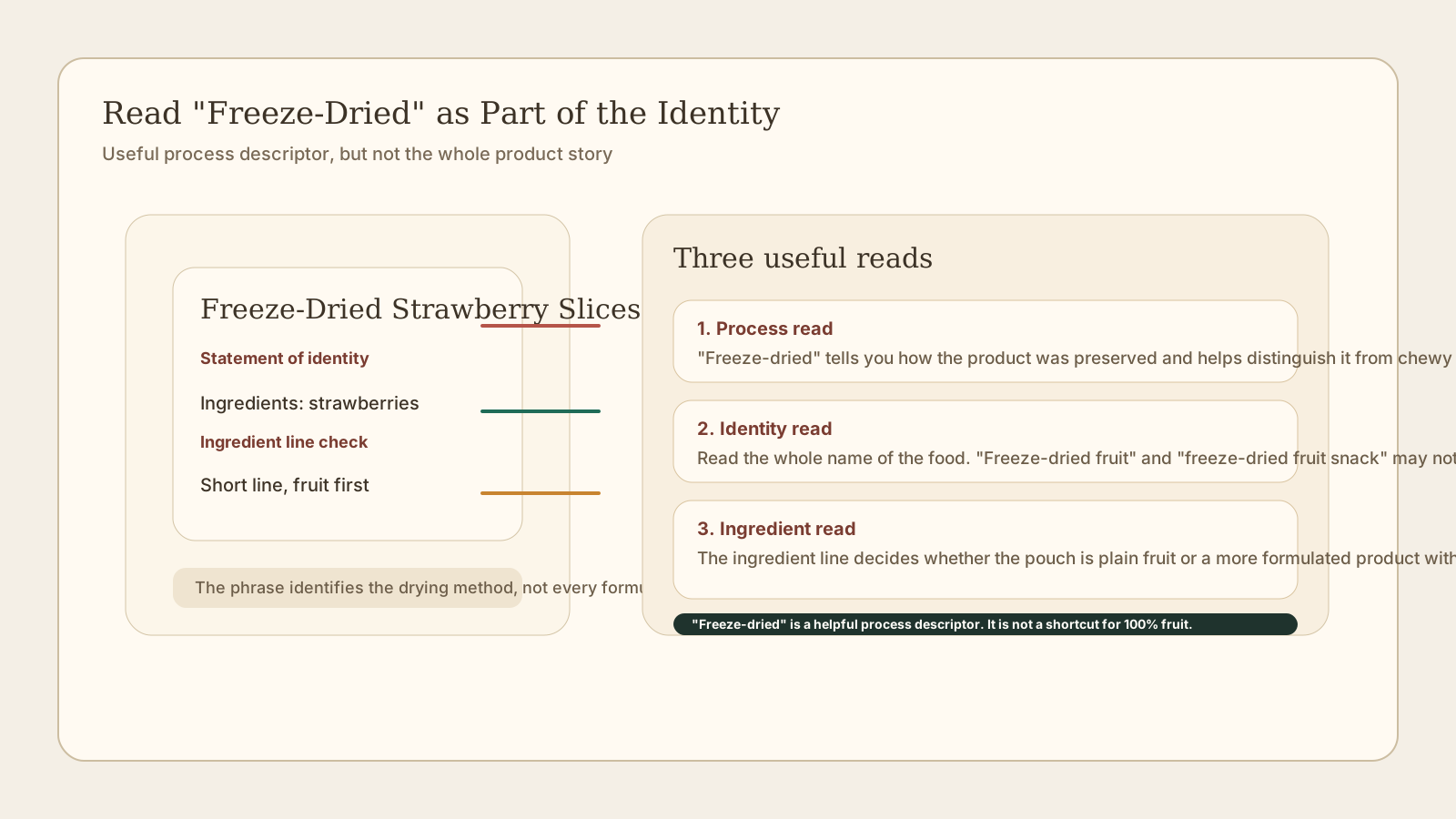
- To judge the actual product, read 'freeze-dried' together with the statement of identity and the ingredient list.
- A product can be accurately described as freeze-dried and still include added sugar, flavors, acids, carriers, or other ingredients that change what is in the bag.
The words on the front of a freeze-dried fruit pouch often do two jobs at once. They try to identify the product, and they try to sell it.
That is why readers can overestimate what one phrase means.
The direct answer
On a fruit label, "freeze-dried" usually tells you how the food was preserved. It is a processing descriptor inside the product's identity, not a full guarantee about what else is in the bag.
FDA's compliance policy says a food that has been freeze dried may be designated as either "dried" or "freeze dried," and FDA considers "freeze dried" the more informative choice. That makes the phrase useful. It also means the phrase is narrower than many shoppers assume.
It answers one question clearly: how the food was dried.
It does not answer every other question buyers care about.
What the phrase does well
"Freeze-dried" is useful because it distinguishes the product from:
- fresh fruit
- frozen fruit
- hot-air-dried fruit
- generic "fruit snack" language
That matters because the eating experience is different. Freeze-dried fruit is typically lighter, more porous, and more brittle than chewy conventional dried fruit. The label should help a buyer understand that difference before the bag is opened.
This is exactly the kind of identity work the statement of identity is supposed to do.
What the phrase does not prove
The phrase does not prove that the bag contains only fruit.
A product can be accurately described as freeze-dried while still containing:
- added sugar
- fruit juice concentrate
- acids for color or flavor control
- flavorings
- carriers or processing aids that belong on the ingredient line
That is why "freeze-dried" is only the first read. The second read is the ingredient statement.
FDA's ingredient guidance is useful here because it reminds buyers that ingredients are listed in descending order of predominance by weight. If the first ingredient is fruit and the rest of the line is short, you are usually looking at a plainer product. If the line is longer or starts with something else, the bag is telling a different story.
Why the full identity matters
The best reading is never one floating phrase. It is the full identity statement plus the ingredient line.
Compare the difference between these reads:
- freeze-dried strawberry slices
- freeze-dried sweetened strawberry crisps
- freeze-dried fruit blend
- strawberry-flavored freeze-dried snack
All of them may contain freeze-dried material. They are not the same product. The buyer who stops at the words "freeze-dried" may miss that distinction.
That is especially important when comparing price, because a heavier, sweeter, or more formulated product can look like stronger value until the ingredient line is read carefully.
Why this matters for quality judgment
Some buyers treat "freeze-dried" almost like a quality seal. That is too generous.
The method can preserve color, aroma, and structure well, but the label alone does not tell you:
- whether the raw fruit was strong
- whether the product is plain or sweetened
- whether anti-browning or flavoring inputs were used
- whether the bag is built for snacking, topping, or confectionery use
In other words, the phrase identifies the process more than it certifies the outcome.
The best consumer and buyer habit
The fastest accurate reading looks like this:
- Read the statement of identity.
- Note where "freeze-dried" sits inside that wording.
- Read the ingredient list.
- Compare the first ingredient and the total line length.
That sequence usually tells you more than the front-of-pack marketing copy.
It also reduces a common category mistake: comparing a 100% fruit product and a sweetened or flavored fruit crisp as if they were interchangeable.
Treat "freeze-dried" as a process descriptor first. Use the rest of the identity line and the ingredient list to decide what kind of product the bag actually is.
Bottom line
"Freeze-dried" on a fruit label is useful because it describes the preservation method, and FDA treats it as an informative way to identify the food. But it is not a shortcut for plain fruit, premium quality, or clean formulation by itself.
The honest read comes from the full identity statement plus the ingredient line. That is what tells you what is actually in the pouch.
Frequently Asked Questions
Does 'freeze-dried' on the label mean the product is 100% fruit?
No. It tells you the preservation method, not the full ingredient story. The ingredient list is what tells you whether the product is plain fruit or a more formulated snack.
Can a product be labeled 'dried' instead of 'freeze-dried'?
FDA's compliance policy says a food that has been freeze dried may be designated as either 'dried' or 'freeze dried,' though FDA considers 'freeze dried' more informative.
What should I read next after seeing 'freeze-dried'?
Read the rest of the statement of identity and then the ingredient list. That combination tells you whether you are buying plain fruit slices, sweetened fruit crisps, or another kind of product.
Does 'freeze-dried' mean the product cannot contain sugar or flavorings?
No. A product can still be freeze-dried after ingredients such as sugar, fruit juice concentrate, acids, or flavors are added in the formulation.
Why does the exact identity wording matter?
Because the statement of identity is supposed to describe the food clearly enough that buyers are not relying only on brand language or front-of-pack mood words.
Primary sources & further reading
- CPG Sec 562.450 Identity of Foods - Use of Terms Such as Fresh, Frozen, Dried, Canned, Etc. U.S. Food & Drug Administration Referenced for FDA's policy that freeze-dried foods may be designated as either dried or freeze dried, with freeze dried described as more informative.
- Food Labeling Guide U.S. Food & Drug Administration Referenced for FDA's discussion of the statement of identity as the name of the food and its placement on the principal display panel.
- Types of Food Ingredients U.S. Food & Drug Administration Referenced for FDA's reminder that ingredients are listed in descending order of predominance by weight.
External links open in a new tab. We do not receive compensation from any organization listed; sources are referenced because they are primary, current, and publicly verifiable.