- Citric acid is a naturally occurring acid that FDA affirms for use in food under current good manufacturing practice.
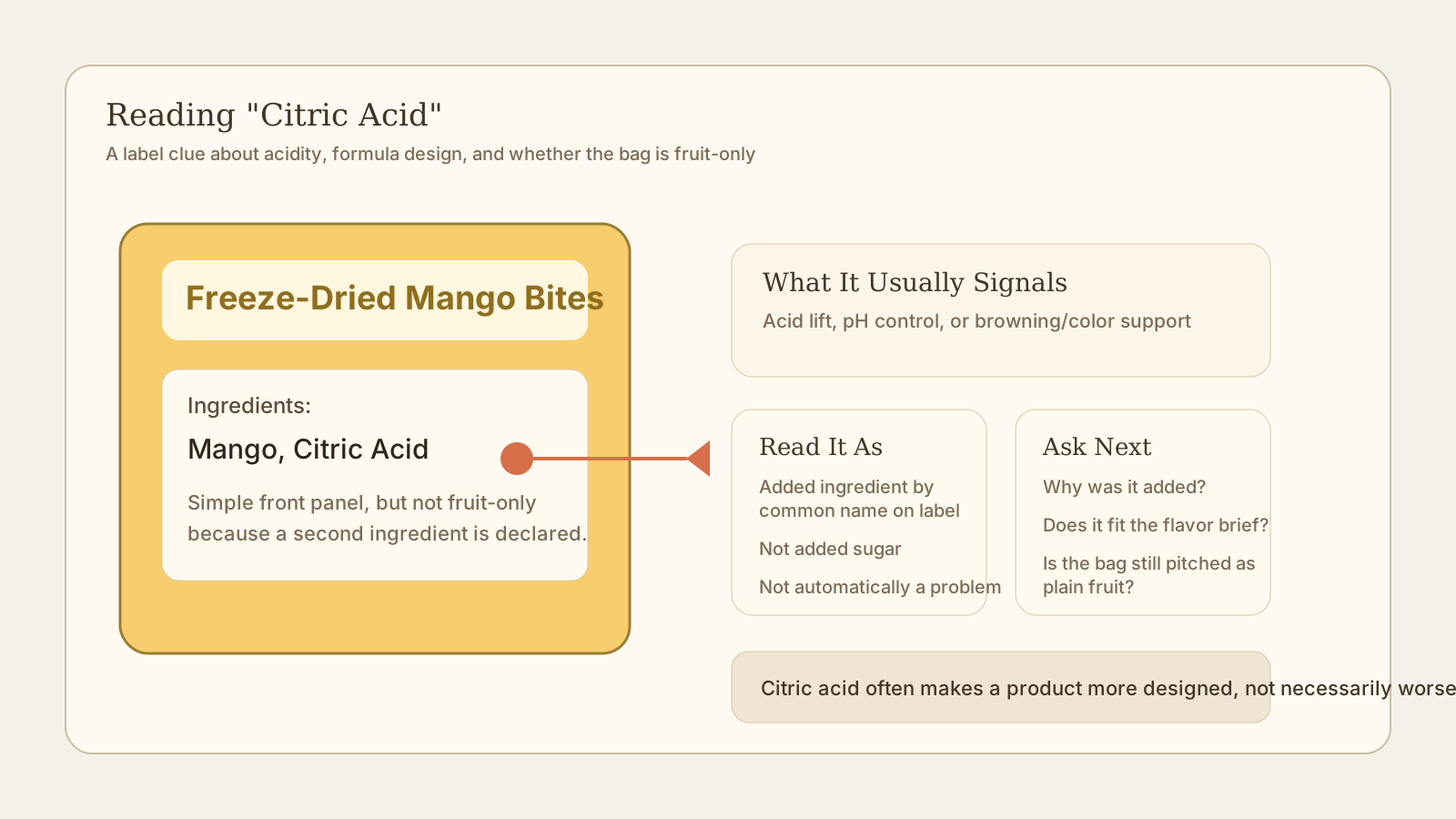
- If citric acid appears on the label, the product is not a plain fruit-only SKU even if the front of pack feels simple.
- In freeze-dried fruit, citric acid often points to tartness adjustment, pH control, or help with color and browning management rather than sweetness.
- Buyers should read citric acid as a formula signal: what job is it doing, and does that job fit the product promise?
Citric acid is one of those ingredient-line terms that many shoppers recognize without fully reading. It sounds familiar, fruit-adjacent, and harmless enough that it can slide past attention.
That is exactly why it deserves a more careful read on freeze-dried fruit. The question is usually not whether citric acid is allowed. The question is what job it is doing in that specific bag.
The direct answer
If citric acid appears on a freeze-dried fruit label, the product is not plain fruit-only. Citric acid is a common food ingredient used for acidity control and related formula functions, and in freeze-dried fruit it often points to tartness adjustment, pH control, or help with color and browning management.
It is best read as a formula signal, not as background noise.
What citric acid is
FDA's 21 CFR 184.1033 describes citric acid as a naturally occurring constituent of plant and animal tissues. The same regulation also affirms its use in food under current good manufacturing practice.
That matters because two statements can both be true:
- citric acid is naturally associated with fruit chemistry
- citric acid listed on the label is still an added ingredient in the finished product
So the label should not be read as if the ingredient line were saying "just fruit, nothing else."
Why it shows up in freeze-dried fruit
In practical product development, citric acid usually does one or more of a few jobs:
- sharpen perceived tartness
- support pH control
- help the product taste brighter
- support color or anti-browning strategies alongside other process choices
That does not mean every product uses it for the same reason. A tropical fruit snack may use it to add more acid lift. A pale fruit product may use it as part of a color-management approach. A formulated fruit crisp may use it as one piece of a broader flavor system.
The ingredient line alone tells you it is there. The broader formula and the eating experience tell you why.
What the label is telling you
FDA's ingredient-labeling rule in 21 CFR 101.4 requires ingredients to be listed by common or usual name in descending order of predominance by weight.
That makes citric acid commercially useful as a reading signal:
- if it appears, it was intentionally added
- where it appears in the list gives rough scale context
- it helps distinguish a plain fruit SKU from a more designed SKU
A simple front panel may still carry a more constructed formula once the ingredient list is read carefully.
Citric acid is not sugar, but it does change the eating experience
One common mistake is to read any added ingredient as if it were sweetener. Citric acid does not work that way.
It does not make the bag sweeter. It changes acidity.
That can still alter how the product is perceived because more acidity can make fruit feel:
- brighter
- sharper
- cleaner
- more vivid against sweetness
For some products, that is useful. For others, it makes the fruit feel less natural and more "engineered" than the buyer expected.
Why this matters in freeze-dried fruit specifically
Freeze-dried fruit concentrates flavor because water is removed. That means acid balance can read more strongly than some shoppers expect. A product that started with a light acid adjustment may feel noticeably punchier in the finished crisp format.
This is one reason citric acid deserves more attention in freeze-dried fruit than it might in a wetter product. Concentration changes perception.
It also explains why similar-looking bags can eat differently:
- one may be fruit only
- one may be fruit plus citric acid
- both may look clean from the front of pack
The ingredient line is what separates them.
When citric acid may be a reasonable choice
Citric acid is not automatically a red flag.
It may fit a product brief when the goal is:
- a brighter snack profile
- more consistent tartness across raw-material variability
- support for color-sensitive fruit systems
- a formulated topping or inclusion rather than a plain-fruit reference product
The point is not to moralize the ingredient. The point is to decide whether the ingredient matches the promise being made.
When it deserves closer scrutiny
Citric acid deserves more scrutiny when the marketing tone suggests:
- plain fruit
- minimal treatment
- fruit-only simplicity
- direct comparison with unsupplemented fruit bags
That does not make the product deceptive by definition. It does mean the ingredient line may be telling a more specific story than the front panel.
What buyers should ask
Useful buyer questions include:
- Is the citric acid there for tartness, color, or both?
- Is the SKU still positioned as plain fruit, or as a formulated fruit snack?
- Does the acid level fit the target customer?
- Does the ingredient change how the product should be compared against fruit-only offers?
Those questions turn the ingredient from a label footnote into a product-design clue.
Citric acid does not automatically make a freeze-dried fruit product bad. It does make it a different product from a fruit-only bag, and that difference should be read intentionally.
Bottom line
Citric acid on a freeze-dried fruit label usually means the product includes an added acidulant or pH-control ingredient rather than plain fruit alone. It may be there to brighten flavor, support formula control, or help manage browning and color.
The strongest read is not "safe or unsafe." It is "what job is this ingredient doing, and does that job fit the product I thought I was buying?"
Frequently Asked Questions
What does citric acid mean on a freeze-dried fruit label?
It usually means citric acid was added as part of the formula. In freeze-dried fruit products, that often relates to tartness adjustment, pH control, or support for color and browning management.
Is citric acid the same thing as added sugar?
No. Citric acid changes acidity, not sweetness. It can make fruit taste brighter or sharper, but it is not a sugar ingredient.
Does citric acid mean the product is heavily processed?
Not automatically. It does mean the product is no longer plain fruit-only, but the larger question is what role the ingredient is playing and whether that role is disclosed honestly.
Is citric acid naturally related to fruit?
Yes. FDA's citric acid regulation describes it as a naturally occurring constituent of plant and animal tissues, though the ingredient used in food is still an added ingredient when it appears on the label.
Should buyers avoid citric acid by default?
Not by default. The better question is whether the added acidity fits the intended flavor, label promise, and customer expectation for the product.
Primary sources & further reading
- 21 CFR 184.1033 - Citric Acid Electronic Code of Federal Regulations Referenced for FDA's description of citric acid as a naturally occurring constituent and for its affirmed GRAS status under current good manufacturing practice.
- 21 CFR 101.4 - Food; Designation of Ingredients Electronic Code of Federal Regulations Referenced for ingredient-list rules requiring ingredients to be declared by common or usual name in descending order of predominance by weight.
- Types of Food Ingredients U.S. Food & Drug Administration Referenced for FDA's examples of citric acid as both a preservative-related ingredient and a pH-control agent or acidulant.
External links open in a new tab. We do not receive compensation from any organization listed; sources are referenced because they are primary, current, and publicly verifiable.