- Best-by dating on shelf-stable foods is usually about peak quality rather than an automatic safety cutoff.
- For freeze-dried fruit, package integrity and storage conditions often matter more than the date line by itself.
- A bag can be within date and still disappoint if the barrier system or storage history was weak.
- Lot codes and pouch condition are often more useful than the printed date when a buyer is tracing complaints or screening stale stock.
Best-by dates look simple because they are printed like a verdict. One line, one date, one implied answer.
Freeze-dried fruit is not that simple.
The direct answer
On freeze-dried fruit, a best-by date usually marks the manufacturer's estimate of when the unopened product should still be at its best quality under normal storage. It is not the whole quality story, and it is usually not a simple safety cutoff. For a low-moisture, shelf-stable product, package condition, storage history, and the lot behind the bag often matter more than the date line alone.
Why the date matters differently on freeze-dried fruit
Freeze-dried fruit is unusual because it is very dry, very light, and very dependent on packaging.
That means quality can stay strong for a long time if the system works well. It also means quality can slide early if the system does not.
The printed date is therefore only one signal among several:
- how strong the barrier pouch is
- whether the seals stayed intact
- how the bag was stored in heat or humidity
- whether the product has already been opened
- how old the lot is relative to the intended use
A bag can be inside the best-by window and still feel tired. A bag can also be just outside the date and still be commercially usable for some applications.
Best-by is mainly a quality phrase
USDA and FDA both frame common date labeling as a quality tool, not a universal safety deadline. That matters because many shoppers and even some buyers read best-by dates as if they were regulatory expiration lines.
For freeze-dried fruit, the phrase is better understood as:
- a manufacturer quality estimate for unopened product
- assuming the package stayed intact
- assuming the storage conditions were reasonable
That is a narrower claim than people often imagine.
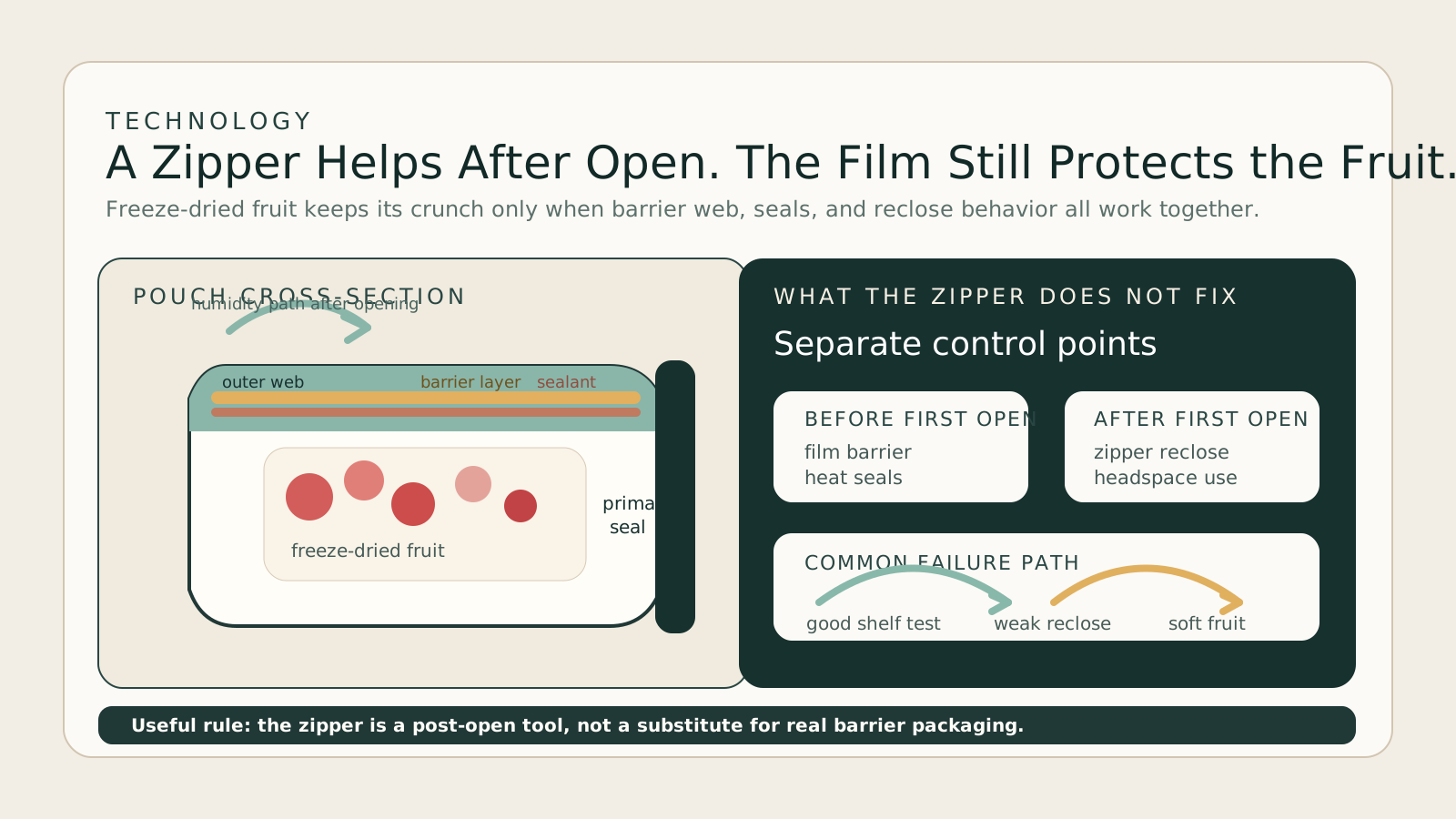
The date does not tell you whether the bag sat in a hot warehouse, whether a seal was stressed in transit, or whether the zipper line was slightly compromised. Those realities can age the eating experience faster than the calendar alone suggests.
Why within-date product can still disappoint
If a freeze-dried fruit pouch tastes flat or soft before the best-by date, the problem is usually not that the date was meaningless. The problem is that other quality variables aged faster than expected.
Common reasons include:
- weak barrier performance
- a stressed or imperfect seal
- storage in humid conditions
- prolonged heat exposure
- repeated handling damage in retail
- slow-moving stock with less quality margin left than the shopper expects
This is especially relevant for fruit with bright aroma or fragile pigments. Color and smell often flatten before a casual consumer would say the product has "gone bad." The bag is still readable, but it is no longer delivering what the buyer thought the date promised.
The package condition can matter more than the calendar
On shelf-stable low-moisture foods, the date line should be read together with the package itself.
Useful questions include:
- Is the pouch still tight and intact?
- Are seals clean and undisturbed?
- Is there any visible puffing, powder leakage, or zipper damage?
- Does the bag show signs of rough retail handling?
- Is the fruit clumped or visibly softened through any clear panel?
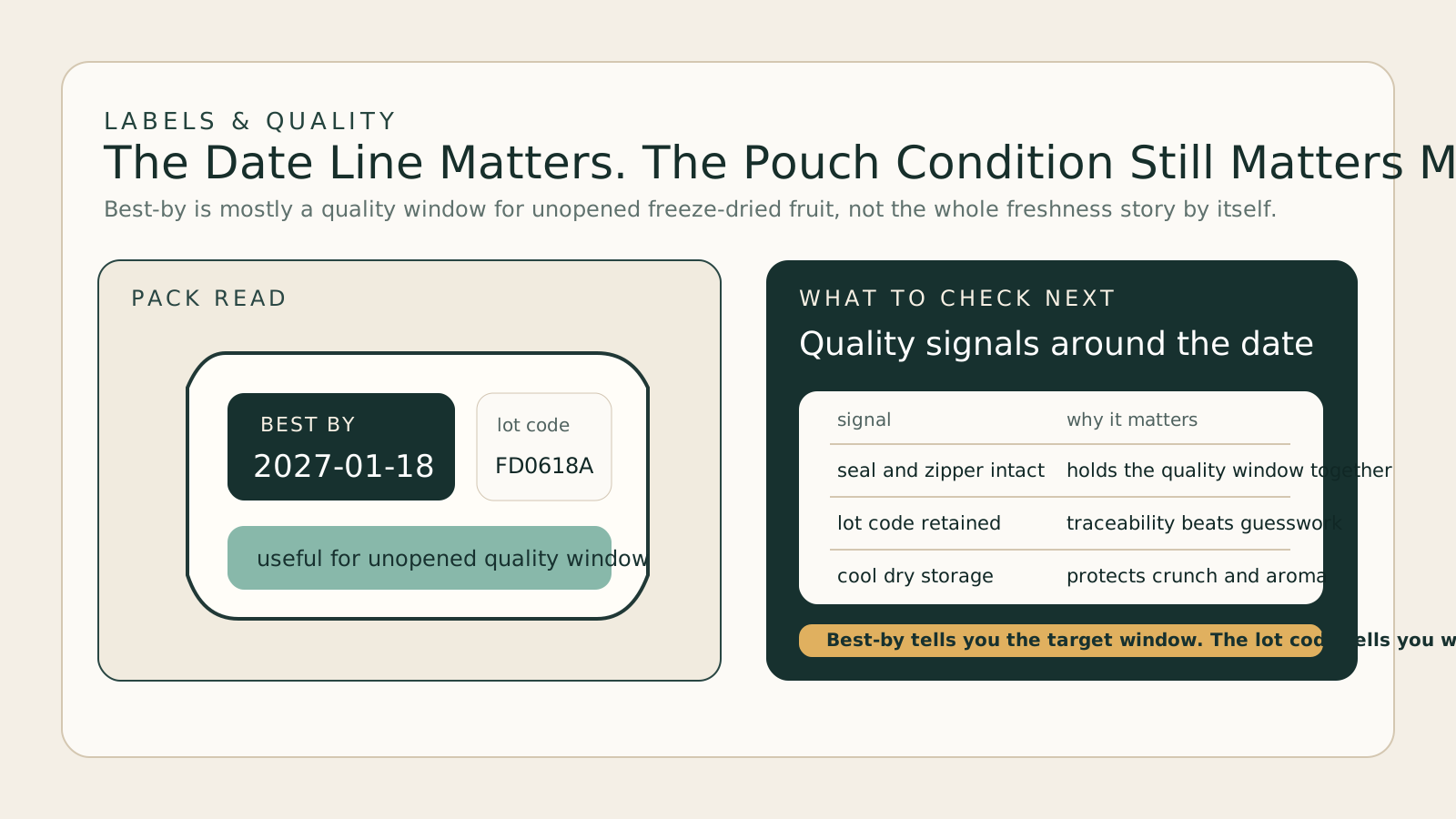
Those are practical quality signals. For freeze-dried fruit, they often predict the eating experience better than the date by itself.
If the package looks compromised, being six months away from the best-by date does not save it.
Why lot codes are often more useful than the printed date
The best-by date is consumer-friendly, but the lot code is usually what quality and traceability teams need when something goes wrong.
FDA's traceability language is a helpful reminder that lot identification connects a product back to a specific production history. Two bags can share the same best-by date and still belong to different production runs. One may be fine and the other may have a packaging or process issue tied to a particular lot.
That is why serious buyers track:
- product identity
- lot code
- production or ship window if available
- date code
- package format
The date tells you when the brand expects quality to hold. The lot tells you which exact run you are dealing with.
Opening the bag changes the meaning of the date
Once the pouch is opened, the original best-by date becomes much less predictive.
At that point, quality is driven more by:
- how fast the bag is consumed
- how well it is reclosed
- how humid the room is
- whether the fruit is transferred or left in the original pouch
An opened bag can lose crunch in days even when the printed date is months away. That is not a contradiction. It is a reminder that the date assumed an unopened pack.
How buyers should use best-by dates
For retail shoppers, the practical use of the best-by date is to judge quality margin. Closer dates are fine when the product will be used soon and the package looks strong. Longer-dated stock is safer when the bag may sit at home for a while.
For commercial buyers, the date is more useful when it is part of a broader stock review:
- compare remaining shelf life against actual demand
- inspect package condition, not just the date
- retain lot information for complaint handling
- rotate older stock first if quality remains sound
That approach is stronger than treating every near-date pouch as automatically bad or every far-date pouch as automatically good.
Bottom line
Best-by dates on freeze-dried fruit bags are mostly about expected quality in an unopened package, not a magic pass-fail line for safety or freshness. The real read comes from pairing the date with package integrity, storage history, and the lot behind the bag.
For freeze-dried fruit, the date matters. It just never matters alone.
Frequently Asked Questions
Does a best-by date on freeze-dried fruit mean the bag becomes unsafe after that day?
Usually no. On shelf-stable foods, best-by dating is generally a quality signal rather than an automatic safety deadline. The actual condition of the bag and how it was stored still matter.
Why can freeze-dried fruit taste stale before the best-by date?
Because packaging failure, weak barrier performance, heat exposure, or humidity pickup can reduce quality before the printed date window is reached.
Is a bag still worth buying close to its best-by date?
Sometimes, especially if the package is intact and the product is for near-term use. But buyers should expect less quality margin than they would from newer stock.
What matters more than the best-by date on a recall or complaint?
Usually the lot code, product identity, and package details. Those are the fields that help trace a specific production run.
Does opening the pouch change the value of the best-by date?
Yes. Once opened, the original date becomes much less predictive because home humidity, reclosing quality, and storage habits take over.
Primary sources & further reading
- Food Product Dating USDA Food Safety and Inspection Service Referenced for USDA's explanation that 'Best if Used By/Before' indicates peak flavor or quality rather than a purchase or safety date.
- How to Cut Food Waste and Maintain Food Safety U.S. Food & Drug Administration Referenced for FDA's support of 'Best if Used By' as the preferred quality phrase on food date labels.
- Shelf-Stable Food Safety USDA Food Safety and Inspection Service Referenced for USDA's explanation that dating on shelf-stable foods is generally about quality, not federal safety deadlines.
- Traceability Lot Code U.S. Food & Drug Administration Referenced for the role of lot identification in tracing product history beyond the consumer-facing date line.
External links open in a new tab. We do not receive compensation from any organization listed; sources are referenced because they are primary, current, and publicly verifiable.