- Ascorbic acid is generally recognized as safe by FDA when used under good manufacturing practice.
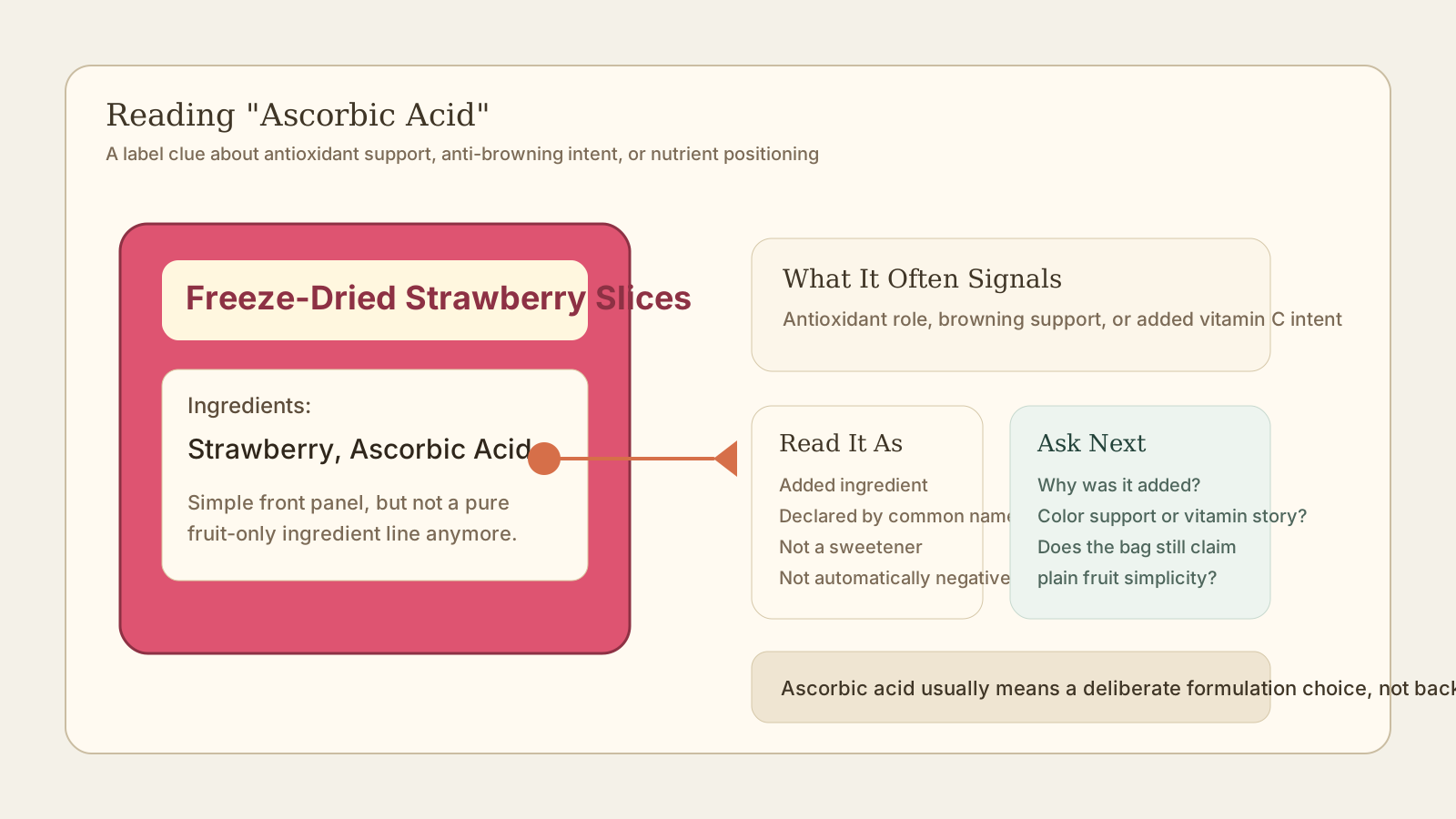
- If ascorbic acid appears on the ingredient line, the product is no longer a fruit-only SKU even when the front of pack feels simple.
- FDA lists ascorbic acid among ingredients that can be used as preservatives or antioxidants and also among nutrient additions.
- The key buying question is not whether ascorbic acid exists, but what job it is doing in that specific bag.
Ascorbic acid is familiar enough that many shoppers barely pause when they see it. That is understandable. It sounds scientific, but not especially alarming.
On freeze-dried fruit, though, it is still worth reading carefully because it changes what kind of product is in the bag.
The direct answer
If ascorbic acid appears on a freeze-dried fruit label, it means the ingredient was intentionally added and declared. In practice, that usually means the product is not a plain fruit-only SKU.
The most useful interpretation is functional: ascorbic acid may be there to help with antioxidant or anti-browning behavior, to support the nutrient profile, or to do both at once.
What ascorbic acid is, in label terms
FDA's regulation at 21 CFR 182.3013 lists ascorbic acid as generally recognized as safe when used in accordance with good manufacturing practice.
That tells you the ingredient is legally familiar in food use. It does not mean the bag should be read as if it contains only fruit.
Those two ideas can be true at the same time:
- ascorbic acid is a common, permitted food ingredient
- a product that lists it is different from a fruit-only product
That difference is the label-reading point.
Why it shows up on freeze-dried fruit
FDA's ingredient explainer lists ascorbic acid among ingredients used in preservative or antioxidant-type roles and also among nutrient additions. In freeze-dried fruit, that creates a few likely reasons it may appear:
- support against browning or color drift
- antioxidant support in the finished system
- added vitamin C positioning
- a broader formula choice in a more designed snack
The label tells you it is present. The surrounding product context helps explain why.
What the ingredient line is telling you
21 CFR 101.4 requires ingredients to be declared by common or usual name in descending order of predominance by weight.
That makes ascorbic acid a useful reading signal:
- if it appears, it was added intentionally
- where it appears helps suggest its relative amount
- its presence separates a fruit-only bag from a formulated bag
A front panel can still feel minimal while the ingredient line reveals a more constructed product.
Ascorbic acid is not a sweetness clue
One common reading mistake is to treat every unfamiliar ingredient as if it were hidden sugar or a broad sign of overprocessing.
Ascorbic acid is not a sweetener. It plays a different role.
That said, it can still change how a product should be compared. A freeze-dried strawberry slice with only strawberry is one product. A freeze-dried strawberry slice with strawberry plus ascorbic acid is another. The second product may be perfectly reasonable. It is simply not the same reference product.
Why this matters more in freeze-dried fruit than in some other products
Freeze-dried fruit is often sold on simplicity:
- one ingredient
- recognizable fruit
- clean label
- plain-fruit positioning
That makes any added ingredient more informative. In a complex snack mix, ascorbic acid may not be surprising. In a product that visually presents itself as just fruit, it matters more because it tells you a specific processing or formula decision was made.
For buyers and curious consumers, that is the real value of reading it.
Questions worth asking
When ascorbic acid appears, useful questions include:
- Is it there mainly for anti-browning or antioxidant support?
- Is the product still being positioned as plain fruit?
- Is vitamin C enhancement part of the commercial story?
- Would a fruit-only version look or perform differently?
Those questions do more work than a simple good/bad reaction.
Ascorbic acid does not automatically make a freeze-dried fruit product worse. It does tell you the bag is doing more than simply preserving raw fruit in dry form.
Bottom line
Ascorbic acid on a freeze-dried fruit label usually means the product includes an added ingredient for antioxidant support, anti-browning help, nutrient positioning, or some combination of those goals.
The strongest reading habit is simple: treat it as a product-design clue. The real question is not whether the ingredient is familiar. It is what function it serves in the bag you are comparing.
Frequently Asked Questions
What does ascorbic acid mean on a freeze-dried fruit label?
It means ascorbic acid was intentionally added and declared as an ingredient. In freeze-dried fruit, it often signals antioxidant or color-support intent, anti-browning support, or a vitamin C addition.
Is ascorbic acid just vitamin C?
Ascorbic acid is the chemical name associated with vitamin C, but on a food label the important question is its function in the product. It may be present for antioxidant support, nutrient fortification, or both.
Does ascorbic acid mean the bag is unhealthy?
No. The better interpretation is that the bag is not plain fruit-only. Whether that matters depends on the product promise and the buyer's expectations.
Is ascorbic acid the same as added sugar?
No. It is not a sweetener. It may change flavor perception slightly, but it serves a different role from sugar or syrup ingredients.
Should buyers reject ascorbic acid by default?
Not by default. Buyers should ask whether the ingredient is there to protect color, support anti-browning, shape the nutrient story, or standardize the finished eating experience.
Primary sources & further reading
- 21 CFR 182.3013 - Ascorbic Acid Electronic Code of Federal Regulations Referenced for FDA's GRAS status for ascorbic acid when used in accordance with good manufacturing practice.
- 21 CFR 101.4 - Food; Designation of Ingredients Electronic Code of Federal Regulations Referenced for ingredient-list rules requiring common or usual names in descending order of predominance by weight.
- Types of Food Ingredients U.S. Food & Drug Administration Referenced for FDA's examples of ascorbic acid as both an antioxidant-style preservative ingredient and a nutrient addition.
External links open in a new tab. We do not receive compensation from any organization listed; sources are referenced because they are primary, current, and publicly verifiable.