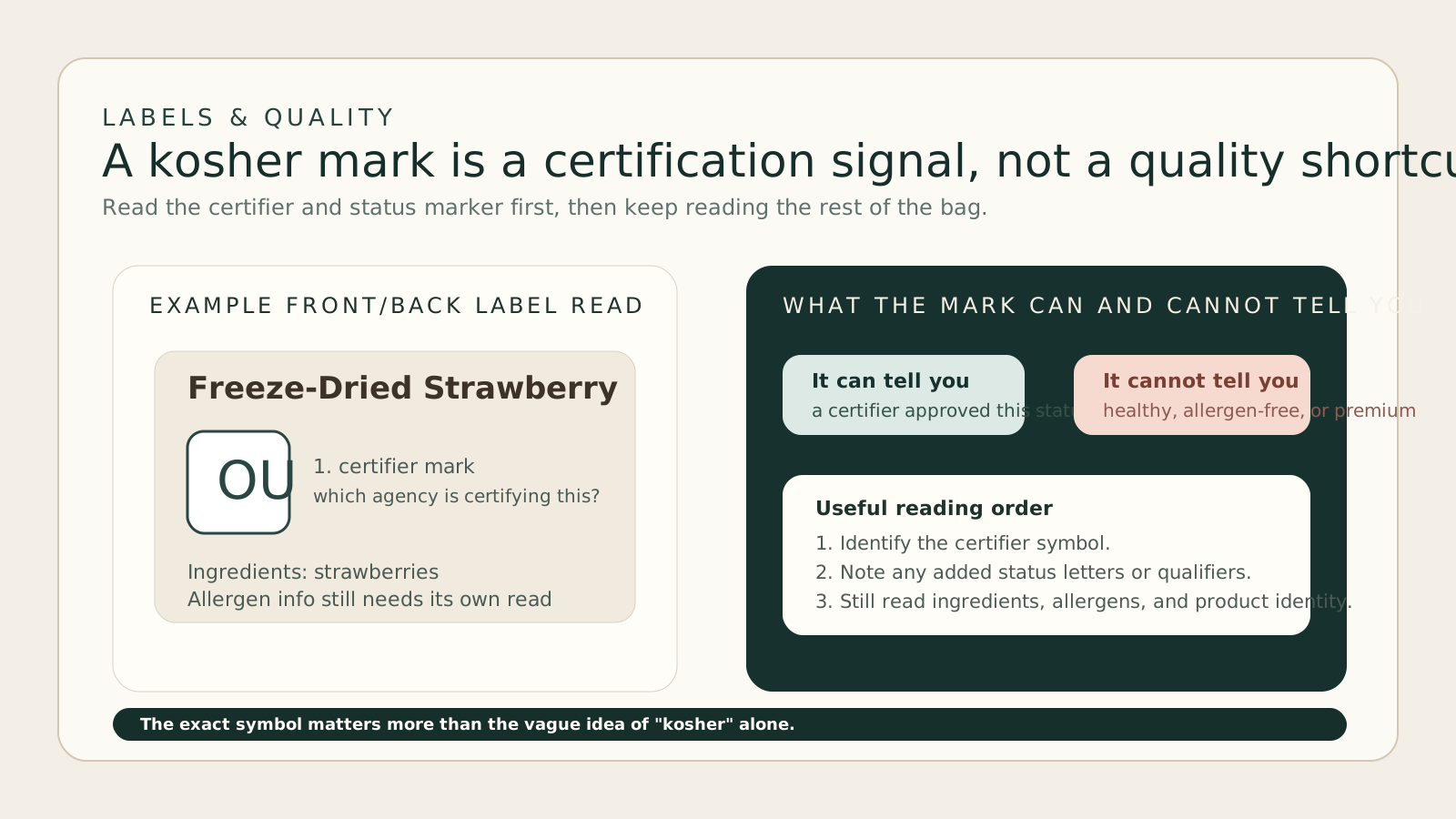
- A kosher symbol is a certification mark from a kosher agency, not a general health or quality grade.
- For freeze-dried fruit, the useful questions are which certifier issued the mark and whether the product is plain fruit, pareve, dairy, or otherwise specially designated.
- A kosher mark does not replace reading the ingredient list, allergen information, or product identity.
- Different symbols and suffixes can signal different statuses, so the exact mark matters more than the casual word `kosher` on its own.
A kosher symbol on a freeze-dried fruit bag often gets overread in two different ways.
Some people treat it like a quality halo. Others ignore it as if it were decorative.
Both habits miss the point.
The direct answer
On a freeze-dried fruit label, a kosher symbol means the product has been certified under a kosher program run by a specific agency. The mark identifies certification oversight and, depending on the symbol, may also communicate product status details such as pareve or dairy-related designation.
What it does not mean by itself:
- healthier
- cleaner-label
- higher fruit quality
- allergen-free
- more natural
It is a specific certification signal, not a general product grade.
Why the exact mark matters
The word kosher is not the most useful part of the read. The useful part is the exact symbol.
Certifiers such as OU and STAR-K publish guides because small differences in the mark can change what the symbol is communicating. A base symbol, a dairy indicator, or another qualifier is not just graphic variation. It can signal different product status under that certifier's system.
That matters for freeze-dried fruit because many products look ingredient-simple from the front panel but are not identical in formulation or processing reality. Plain fruit pieces, flavored fruit snacks, yogurt-coated inclusions, powdered blends, or carrier-based ingredients do not all raise the same certification questions.
What this means in the freeze-dried fruit aisle
For a plain fruit-only bag, a kosher mark often functions as a straightforward certification cue. But even in this category, the symbol should be read alongside the rest of the label.
Check:
- the ingredient list
- the product identity
- any allergen information
- whether the item is plain fruit or a more formulated snack
That is especially important because freeze-dried fruit products can branch into:
- sweetened crisps
- flavored pieces
- dairy-adjacent coatings
- fruit powders with carriers
- mixed snack systems
The simpler the product, the simpler the read usually becomes. The more formulated the product, the less the symbol can be interpreted without the rest of the panel.
Kosher is not the same as allergen or nutrition meaning
This is one of the most common reading mistakes.
A kosher symbol does not tell you whether the product contains a major allergen. It does not tell you whether sugar was added. It does not tell you whether the fruit is organic, unsweetened, or plain 100% fruit.
Those questions still belong to the standard label-reading workflow:
- identify the product clearly
- read the ingredients
- check allergen information when relevant
- then interpret the certification marks
That order helps keep the kosher symbol useful instead of symbolic in the vague sense.
Why buyers should care too
This is not only a consumer-reading topic.
For buyers, especially in private-label or multi-channel programs, a kosher mark introduces specification discipline. The relevant questions become:
- which certifier is approved
- which facility and product scope are covered
- which on-pack symbol is allowed
- whether reformulation would change the status
- whether supplier changes would require recertification or artwork change
That matters because the mark is not just marketing. It is part of the commercial specification once the product is sold that way.
A practical way to read the symbol
The fastest sound read is:
- identify the certifier
- note any added letters or qualifiers
- confirm the product itself still matches the dietary or buying need
If the product is a plain freeze-dried strawberry bag, the answer may be simple. If it is a flavored blend, coated bite, or private-label reformulation, the symbol becomes one part of a bigger specification check.
Certification systems are agency-specific in their details. When a symbol matters commercially or personally, the exact certifier's own guide is more reliable than casual shelf interpretation.
Bottom line
A kosher symbol on a freeze-dried fruit label means a certifier has approved the product under a kosher framework. It is a real label signal, but a narrow one.
Read it as certification information, not as a shortcut for nutrition, ingredient simplicity, or overall quality.
Frequently Asked Questions
Does a kosher symbol mean the product is healthier?
No. It means the product has been certified under a kosher program. It is not a nutrition score and not a shortcut for product quality.
Does plain freeze-dried fruit usually count as pareve?
Often yes, but shoppers should still check the exact symbol and the rest of the label. Flavor systems, carriers, shared processing, or other ingredients can change how the product is designated.
Is a kosher symbol the same thing as an allergen statement?
No. Kosher certification and allergen labeling answer different questions. You still need to read ingredients and allergen information separately.
Why do some kosher symbols have extra letters?
Those additions can signal category details such as dairy or other status notes under that certifier's system. The exact certifier's guide matters.
What should buyers verify on a private-label freeze-dried fruit project?
Confirm the certifier, the approved product and plant scope, the exact mark allowed on pack, and whether any ingredient or processing change would affect the kosher status.
Primary sources & further reading
- Guide to OU Kosher Symbols Orthodox Union Kosher Referenced for certifier explanations of common OU symbol variants such as pareve and dairy-related markings.
- Guide to Kosher Symbols STAR-K Kosher Certification Referenced for a second certifier's explanation that the exact symbol and qualifier determine the certification meaning.
External links open in a new tab. We do not receive compensation from any organization listed; sources are referenced because they are primary, current, and publicly verifiable.