- Bioengineered-food disclosure is governed by USDA's National Bioengineered Food Disclosure Standard, not by generic marketing language.
- The disclosure is not a warning about safety, quality, or nutrition.
- Most plain freeze-dried fruit bags will not trigger the same disclosure questions as mixed products that include listed fruits or additional ingredients.
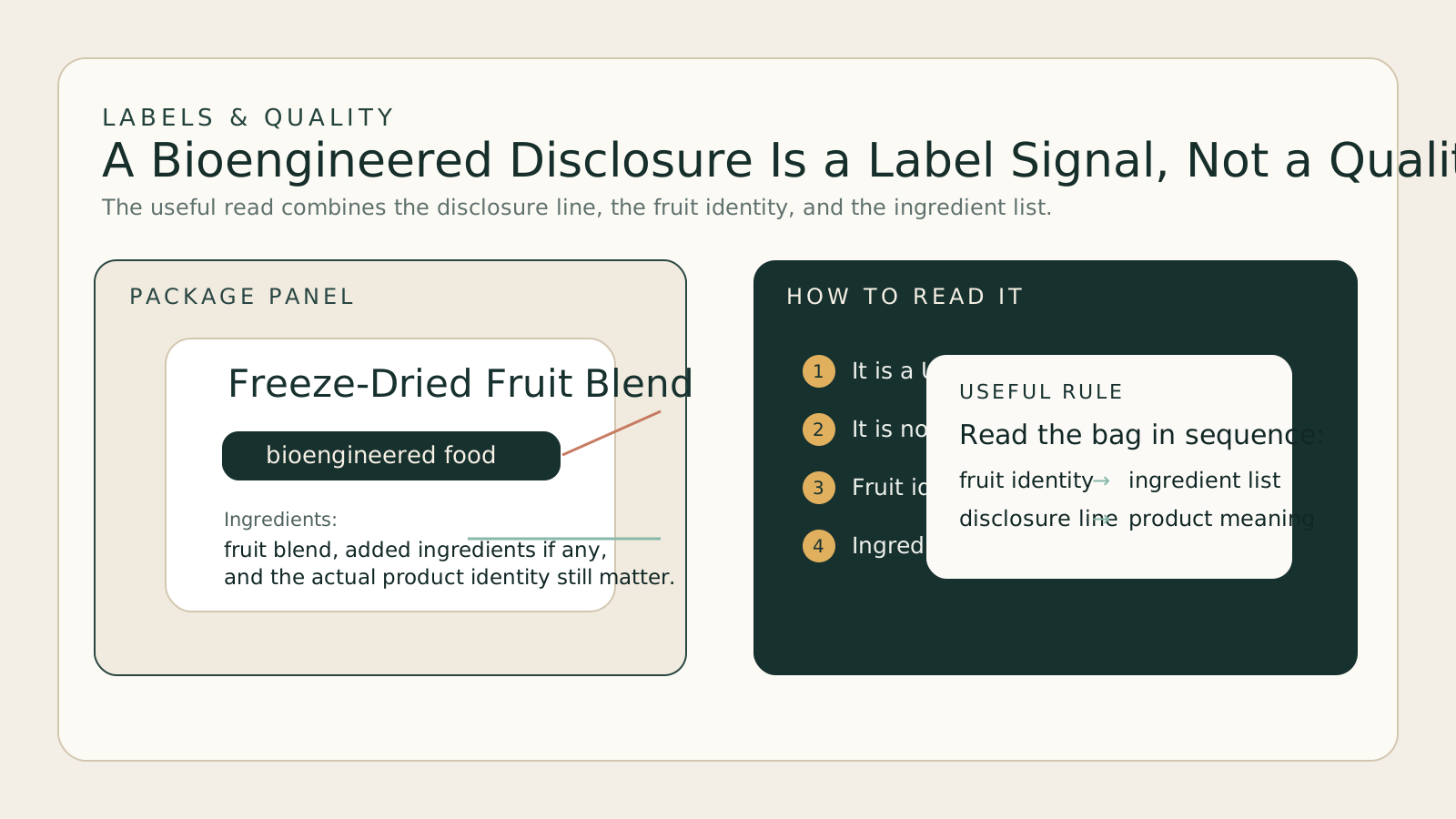
- The cleanest read combines the disclosure, the ingredient list, and the actual fruit or ingredient identity rather than treating the front-panel phrase as the whole story.
Bioengineered disclosure is one of those label elements that people often read with more emotion than precision.
That is understandable. The phrase sounds technical, and on a fruit product it can feel especially out of place because many shoppers expect fruit labels to be simpler than processed-food labels.
The direct answer
A bioengineered-food disclosure on a freeze-dried fruit label means the product falls within USDA's National Bioengineered Food Disclosure framework. It does not mean the bag is unsafe, lower quality, or nutritionally worse. It is a disclosure outcome, not a warning label.
For freeze-dried fruit, the practical read is to ask which fruit or ingredient triggered the issue and whether the bag is plain fruit or a more formulated product.
Start with what the disclosure does not mean
The biggest reading mistake is treating bioengineered disclosure like a hidden quality grade.
It is not telling you:
- that the fruit is stale
- that the product is less safe
- that the nutrition panel is worse
- that the bag is automatically more processed than every bag without the disclosure
USDA's consumer materials are explicit on the important point: the disclosure is not a statement that the food is safer or less safe than another version.
That matters because freeze-dried fruit buyers already juggle many real quality signals:
- ingredient simplicity
- added sugar status
- breakage
- color
- aroma
- moisture protection
Bioengineered disclosure is a different type of label information.
Why most freeze-dried fruit shoppers do not see it often
Many freeze-dried fruit products are still straightforward: strawberry, blueberry, banana, mango, pineapple, apple, or mixed fruit sold in simple dried form.
The disclosure question becomes more relevant when the product involves:
- a listed bioengineered food
- a particular fruit variety or ingredient situation on USDA's list
- added ingredients from sources that change the disclosure review
That means a plain conventional strawberry pouch and a more complex fruit snack blend are not equally likely to raise the same labeling question.
The fruit examples that matter most here
USDA's bioengineered-food list matters because it narrows the conversation from generic fear to specific product identity.
For freeze-dried fruit readers, the useful examples are not "fruit in general." They are the specific cases that USDA treats as relevant to disclosure review, such as certain:
- apple products
- papaya products
- pineapple products
That does not mean every apple, papaya, or pineapple bag automatically carries the disclosure. It means the buyer should pay attention to the actual fruit identity and sourcing claim instead of assuming the category works one way across every pouch.
Ingredient lists still do important work
A bioengineered disclosure line does not replace the ingredient list. It sits beside it.
That matters because freeze-dried fruit products can range from:
- plain fruit only
- fruit blends
- fruit with sweeteners or flavors
- fruit-plus-crunch snacks that behave more like formulated packaged foods
If the product is plain fruit, the disclosure question is usually relatively narrow. If the product includes other ingredients, the ingredient list becomes even more important because the label is now carrying two different kinds of information:
- what the product is made of
- whether the product falls within USDA's BE disclosure framework
Those are related, but they are not interchangeable.
The refined-ingredient nuance people often miss
USDA's consumer guidance also explains a distinction that matters in modern packaged food: some highly refined ingredients from bioengineered sources do not always trigger the same mandatory disclosure outcome. USDA instead allows certain voluntary "derived from bioengineering" language in cases that fit the rule.
For freeze-dried fruit readers, the practical lesson is not to overread one phrase. A bag without a mandatory BE disclosure is not automatically making a sweeping sourcing promise. A bag with a disclosure is not automatically making a quality confession.
The specific fruit or ingredient context still decides what the line means.
Read bioengineered disclosure as a regulatory label signal first, then use the ingredient list and product identity to understand the food in front of you.
How to read the bag pragmatically
The strongest sequence is:
- identify the fruit or blend
- read the ingredient list
- notice the disclosure language
- decide whether the product is plain fruit or a more formulated snack
That sequence keeps the disclosure in proportion. It prevents one technical phrase from doing more interpretive work than the rest of the label.
Bottom line
A bioengineered-food disclosure on a freeze-dried fruit label is a USDA disclosure outcome, not a safety warning and not a shortcut to quality. Most readers should treat it as one piece of regulated label information and then keep reading the bag.
On freeze-dried fruit, the real interpretive work still comes from product identity, ingredient simplicity, and whether the bag is plain fruit or something more formulated.
Frequently Asked Questions
Is a bioengineered-food disclosure the same as saying the food is unsafe?
No. The disclosure is not a health or safety warning. It is a labeling outcome under USDA's bioengineered-food disclosure rules.
Will most plain freeze-dried fruit bags carry this disclosure?
Usually not. Many freeze-dried fruit products are simple fruit-only bags that do not involve the listed bioengineered-fruit situations most likely to trigger the question.
Which freeze-dried fruit products are more likely to raise the issue?
Products involving certain listed fruits or products with additional ingredients from bioengineered sources are more likely to prompt a disclosure review than a plain bag of conventional strawberry or mango.
Does a highly refined ingredient from a bioengineered source always require the same disclosure?
Not always. USDA's framework distinguishes between foods that require disclosure and certain refined ingredients that may instead use voluntary 'derived from bioengineering' language.
Should shoppers stop at the disclosure line?
No. The stronger read still includes the ingredient list and the actual product identity. That tells you whether you are looking at plain fruit, a fruit blend, or a more formulated snack.
Primary sources & further reading
- National Bioengineered Food Disclosure Standard U.S. Department of Agriculture Agricultural Marketing Service Referenced for USDA's national disclosure framework governing when foods sold in the United States require bioengineered-food disclosure.
- List of Bioengineered Foods U.S. Department of Agriculture Agricultural Marketing Service Referenced for the current USDA list of foods relevant to disclosure review, including fruit examples such as certain apple, papaya, and pineapple products.
- BE Disclosure Consumer Fact Sheet U.S. Department of Agriculture Agricultural Marketing Service Referenced for USDA's plain-language explanation that BE disclosure is not a safety warning and for the distinction around certain highly refined ingredients and voluntary 'derived from bioengineering' language.
External links open in a new tab. We do not receive compensation from any organization listed; sources are referenced because they are primary, current, and publicly verifiable.