- Freeze-dried fruit flavors cultured dairy without adding liquid, so it won't thin your yogurt or slow labneh straining the way fresh or frozen fruit can.
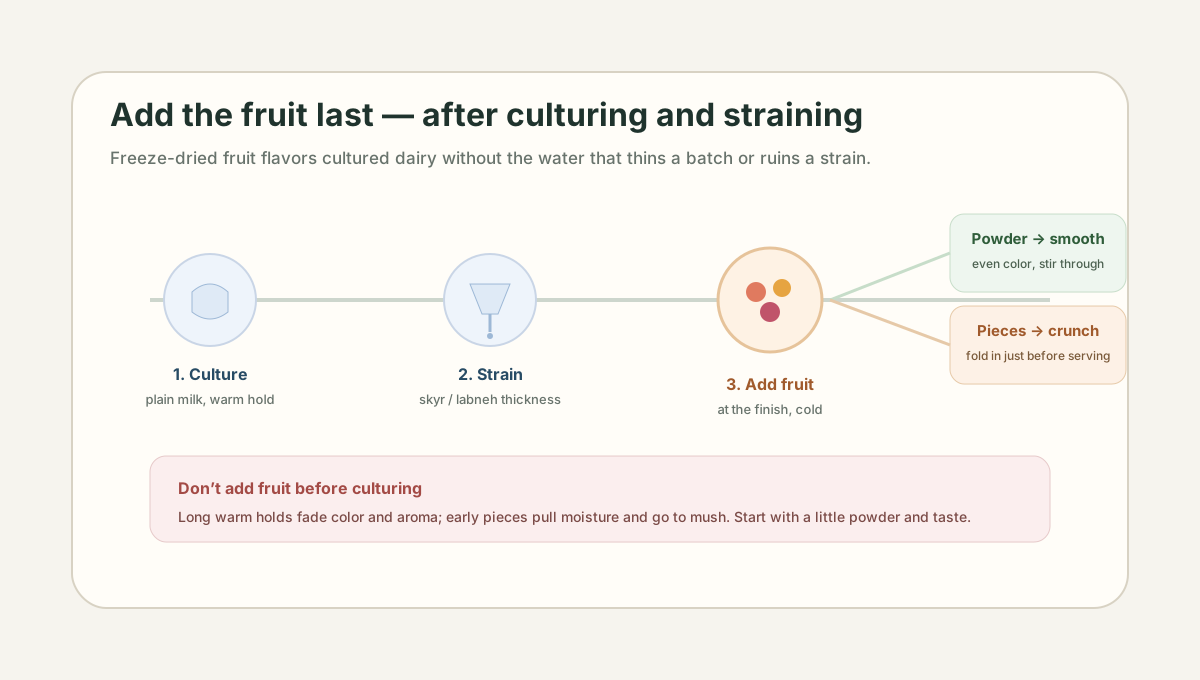
- Add it after culturing and straining, never before, because the fruit pulls moisture and because heat and long holds dull its flavor and color.
- For a smooth, evenly colored result, blitz the fruit to powder and stir it in; for texture, fold in pieces just before serving so they stay crisp.
- A little goes a long way: start with a small amount of powder, taste, and add more, since freeze-dried fruit is concentrated and can turn tart or grainy if overdone.
Homemade cultured dairy has one recurring frustration when you try to flavor it: fruit. Fresh berries bleed juice and thin a carefully strained batch; frozen fruit does the same as it thaws. You strain for hours to get thick skyr or labneh and then loosen it with the very thing you were trying to add. Freeze-dried fruit sidesteps that problem, because it brings flavor and color without the water. The whole game is knowing when to add it.
The direct answer
Add freeze-dried fruit at the end, after culturing and after any straining, not before. Culturing works best with plain milk, and straining works best on plain yogurt, so the fruit should join once the dairy is already where you want it. From there you have two choices: blitz the fruit to a powder and stir it through for a smooth, evenly colored result, or keep it as pieces and fold them in just before serving so they stay crisp. The one thing you almost never want to do is add fruit early, where heat, time, and moisture all work against it.
Why timing matters more than technique
Three things happen to freeze-dried fruit inside cultured dairy, and all three are governed by when you add it.
It pulls moisture. Freeze-dried fruit is hygroscopic; it wants water back. Sitting in yogurt, pieces slowly rehydrate and soften. Add them early and they turn to mush; add them at the end and they keep their bite for a while.
It fades with heat and time. During culturing, yogurt is held warm for hours. Fruit color and volatile aroma dull in that window, so fruit added before or during culturing gives you a paler, flatter flavor than fruit added cold at the end.
It concentrates flavor. Because the water is gone, freeze-dried fruit is intense. That is a gift for flavoring without dilution and a trap if you overdo it, because too much powder can push a mild yogurt into tart or chalky territory.
Add at the end and you turn all three properties into advantages: no dilution, bright color, concentrated flavor, controlled texture.
Yogurt: stir in powder or ripple in crumbs
For a batch of plain yogurt, let it set fully first. Then decide your texture.
For an even, flavored yogurt, blitz freeze-dried strawberries, mango, or raspberries to a fine powder in a spice grinder or blender and whisk it in a spoonful at a time, tasting as you go. The powder dissolves, tints the whole batch, and sweetens the perception of the yogurt without any added sugar.
For a fruit-on-the-bottom feel, fold coarse crumbs through at serving time so some pieces stay crisp and others begin to soften into jammy pockets. If you want a ripple rather than a uniform color, stir gently and stop early.
Begin with about a teaspoon or two of powder per single serving, taste, then add more. Freeze-dried fruit is concentrated, and it is far easier to build flavor up than to rescue a batch that has gone too tart or grainy.
Skyr: flavor without losing the thickness
Skyr is strained to be dense and high in protein, which is exactly the texture fresh fruit would undo. Strain the skyr to your preferred thickness first, then flavor it. Powder is the natural fit here because it keeps the smooth, spoon-standing body intact while adding color and fruit flavor. If you want texture, add pieces at the very end and eat promptly, before they draw moisture and soften. Because skyr is already tangy, taste as you add: a tart fruit like raspberry on top of tart skyr can get sharp fast, while mango or banana rounds it out.
Labneh: sweet or savory, added last
Labneh is yogurt strained until it is spreadable, almost cheese-like, and it goes both ways. On the sweet side, fold in freeze-dried strawberry or fig powder and a little honey for a spread that stays thick because you added no water. On the savory side, most people keep the labneh plain and use fruit as a garnish, scattering crisp pieces over the top with olive oil and herbs so the fruit stays crunchy against the creamy base.
Either way, the rule holds: strain first, flavor last. The reason labneh works so well with freeze-dried fruit is precisely that the fruit contributes essentially no moisture, so all that straining effort survives the flavoring step.
A few practical habits
Grind only what you need, since fruit powder picks up moisture from the air and clumps if it sits out. Keep pieces in a sealed container until the moment you fold them in. Match the fruit to the base: bright, tart berries cut through rich strained dairy, while mango, banana, and peach soften and sweeten a sharp culture. And if you are meal-prepping, store the plain cultured dairy and the fruit separately, combining them when you eat so the pieces never spend the week going soft.
Bottom line
Freeze-dried fruit is one of the cleanest ways to flavor homemade yogurt, skyr, and labneh because it adds concentrated fruit flavor and color without the water that thins a batch or ruins a strain. Culture and strain your dairy plain, then add the fruit at the end: powder stirred through for a smooth, even flavor, or pieces folded in at serving for crunch. Go light, taste as you build, and you get bright, fruit-forward cultured dairy that keeps exactly the texture you worked to create.
Frequently Asked Questions
Can I add freeze-dried fruit before culturing to save a step?
It is better not to. Culturing works best with plain milk, and fruit added early sits through hours of warmth, where its flavor and color fade and its sugars can feed the culture unevenly. Add fruit after the yogurt has set and, if you are making skyr or labneh, after straining.
Powder or pieces?
Both work, for different results. Blitzed to powder, the fruit disperses into a smooth, evenly colored yogurt. Left as pieces or coarse crumbs and folded in just before eating, it keeps some crunch. Pieces stirred in early will soften as they absorb moisture from the dairy.
Will the fruit make my labneh watery?
Not if you add it after straining. That is the main advantage over fresh fruit: freeze-dried fruit contributes almost no water, so it flavors labneh without loosening the thick texture you strained to get. Fold it in at the end.
How much should I use?
Start small and taste. Freeze-dried fruit is concentrated, so a couple of teaspoons of powder can flavor a single serving. Too much can make the yogurt tart, grainy, or dull-colored. It is easier to add more than to fix an overloaded batch.
Does the fruit rehydrate and go soft in the yogurt?
Pieces will slowly draw moisture from the dairy and soften over minutes to hours, which is fine if you like a jammy texture but not if you want crunch. For crunch, add pieces right before serving. Powder simply dissolves and flavors the whole batch.
Primary sources & further reading
- Yogurt: Making It at Home Oregon State University Extension Service Referenced for general home yogurt-making guidance on culturing plain milk and adding flavorings after fermentation.
- How to Make Yogurt at Home University of Georgia Extension Referenced for general guidance that fruit and sweeteners are best added after the yogurt has set rather than before culturing.
External links open in a new tab. We do not receive compensation from any organization listed; sources are referenced because they are primary, current, and publicly verifiable.