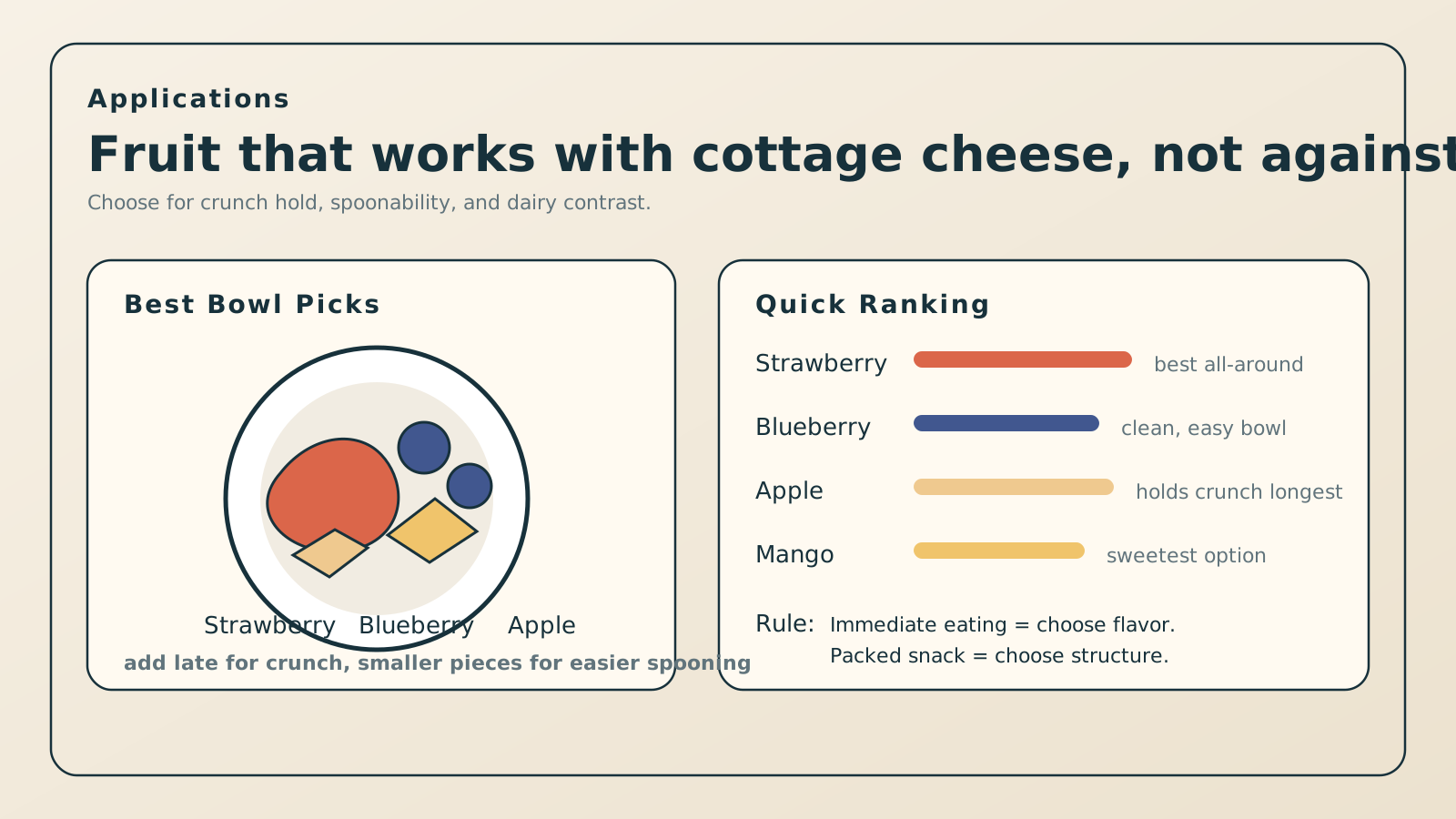
- Strawberry and blueberry are the easiest all-around choices for cottage cheese bowls because they look familiar, add color fast, and balance tangy dairy well.
- Apple keeps its identity and crunch better than many softer fruits, which makes it especially useful in meal-prep or slower-eaten snack bowls.
- Mango and banana can work, but they are sweetest and soften fastest, so they are best added right before eating.
- For high-protein snacks, smaller pieces and powders often perform better than dramatic whole fruit because they distribute flavor without turning the bowl awkward to eat.
Cottage cheese bowls are having the same moment yogurt bowls had earlier: more protein-focused, more meal-prep-friendly, and a little less dessert-coded.
That changes what the fruit needs to do.
The direct answer
The best freeze-dried fruit for cottage cheese bowls and high-protein snacks is usually strawberry, blueberry, apple, or mango. Strawberry is the safest all-around pick, blueberry is easy and clean, apple holds crunch well, and mango works best when you want a sweeter bowl. The right choice depends on how long the fruit will sit on the dairy and whether you want bright contrast, tartness, or dessert-like sweetness.
Timing matters almost as much as fruit choice. If the bowl sits, the ranking changes.
What makes fruit work in cottage cheese
Cottage cheese is different from yogurt in two important ways:
- it is lumpier and saltier
- it usually carries free moisture around the curds
That means the fruit has to do more than taste good in isolation. It needs to:
- balance the tang and salt
- stay pleasant against visible curds
- avoid turning leathery too fast
- be easy to scoop with a spoon
Big dramatic pieces are not always the winner here. Often the better format is small slices, dices, or a spoonable crumble.
The best all-around choices
Strawberry
Strawberry is the easiest recommendation because it looks right immediately. The red color pops against white dairy, the flavor is familiar, and the sweet-acid balance keeps the bowl from feeling flat.
It is especially good for:
- first-time cottage cheese bowls
- kid-friendly high-protein snacks
- bowls with honey, cinnamon, or granola
Blueberry
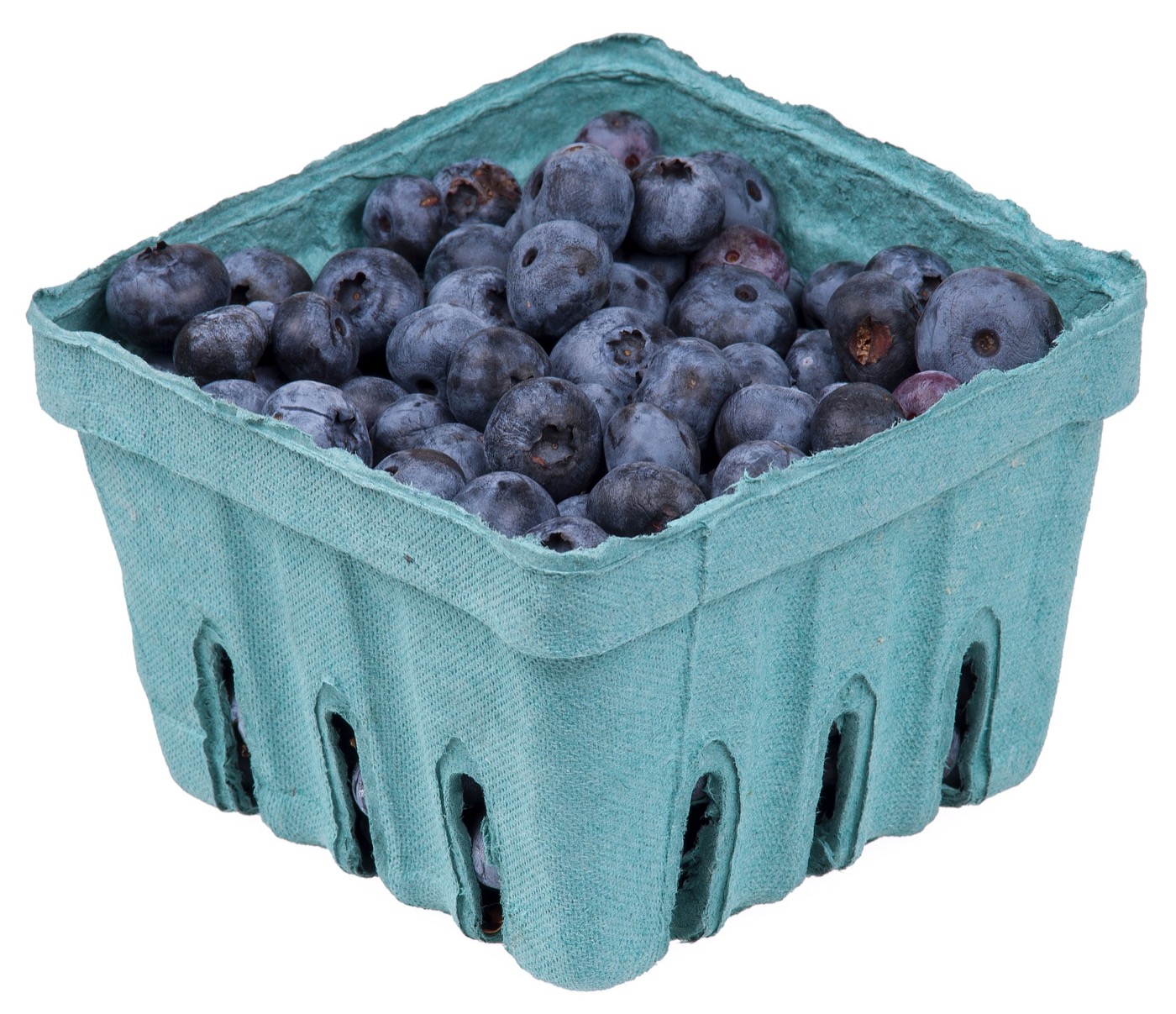
Blueberry is quieter than strawberry but very reliable. It gives a cleaner, less candy-like sweetness and usually reads as more breakfast-like than dessert-like. Smaller berries also portion neatly.
It works well when you want:
- a subtle fruit note
- easy spooning
- less visual mess than fragile raspberries
Apple
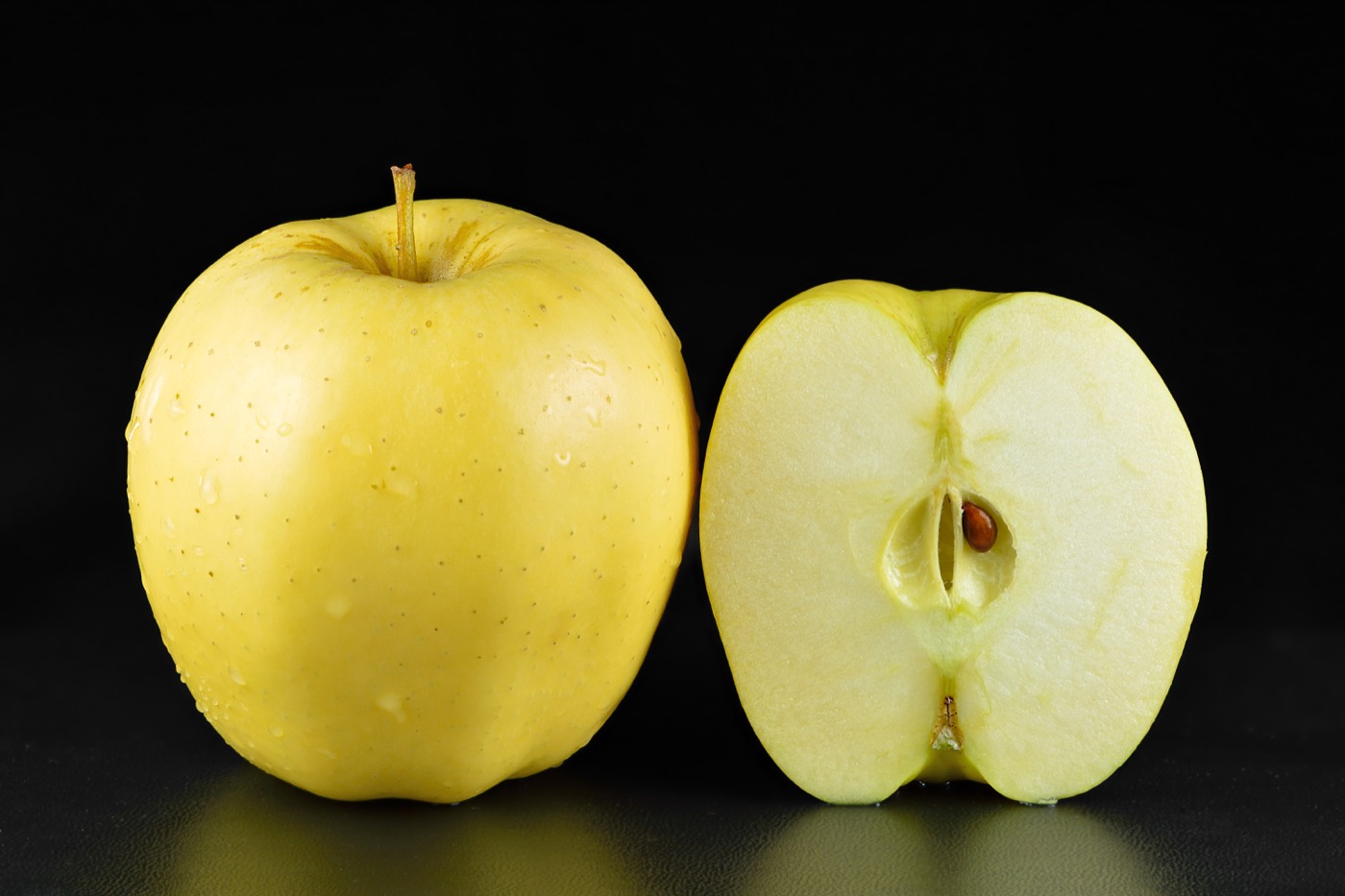
Apple is underused in this format. It holds shape well, keeps a clear crunch, and pairs naturally with cinnamon, nut butter, and higher-protein breakfast bowls.
If the bowl may sit for a few minutes, apple is often the safest pick. It tends to remain recognizable longer than many tropical fruits.
Mango
Mango makes the bowl sweeter and more indulgent. It is best for people who want a dessert-style high-protein snack rather than a tart breakfast bowl.
The caution is softness. Mango pieces usually perform best when added just before eating.
Fruits that work in smaller amounts
Some fruits are excellent accents rather than full-bowl defaults.
Raspberry
Raspberry adds the most tartness and the strongest aroma. It is great when the cottage cheese needs a sharper edge, but it can dominate the bowl if used too heavily.
Banana
Banana can be pleasant in protein bowls with peanut butter or cocoa, but it softens quickly and can make the whole bowl feel sweeter and less fresh. Use it when the bowl will be eaten right away.
Pineapple
Pineapple works when you want a tropical direction and a little acid lift. It tends to read more snacky than classic breakfast, which can be a plus or a minus depending on the goal.
Best formats for high-protein snack use
When the fruit is going into a cottage cheese cup, a meal-prep container, or a post-workout snack bowl, format can matter more than variety.
Best options:
- small slices or dices for spoonable bowls
- broken pieces for even distribution
- a little powder for flavor without chew disruption
Less ideal options:
- oversized whole pieces that are awkward with curds
- ultra-fragile fruit that turns to dust at the bottom
- very sweet pieces used so heavily that the bowl stops feeling balanced
For protein-heavy snacks, the bowl should still feel easy to eat quickly. That usually favors moderate-size fruit over showpiece fruit.
How to keep the crunch
The same storage rule from yogurt bowls applies here, but faster. Cottage cheese has visible moisture pockets, so freeze-dried fruit softens quickly once it touches the curds.
If crunch matters:
- Pack the fruit separately.
- Add it right before eating.
- Stir only lightly.
If the bowl is being meal-prepped for later, choose apple or blueberry first, then keep the fruit portion small enough that it can be eaten before the texture drifts too far.
For immediate eating, choose the fruit that tastes best. For packed or delayed eating, choose the fruit that keeps its identity best.
Simple pairing ideas
Useful combinations include:
- strawberry + cottage cheese + crushed pistachio
- blueberry + cottage cheese + toasted oats
- apple + cottage cheese + cinnamon + walnut
- mango + cottage cheese + coconut flakes
- raspberry + cottage cheese + dark-chocolate nibs
These work because the fruit has a clear job instead of competing with too many other mix-ins.
Bottom line
For cottage cheese bowls and high-protein snacks, strawberry is the best all-around freeze-dried fruit, with blueberry and apple close behind. Mango is the sweeter, more dessert-like option. Apple is the safest if the bowl will sit.
Choose the fruit based on how fast the bowl will be eaten, not only on which fruit sounds best on paper.
Frequently Asked Questions
What is the best freeze-dried fruit for cottage cheese bowls?
For most people, strawberry is the easiest first choice. It adds bright color, recognizable flavor, and a sweet-acid balance that works well against tangy cottage cheese.
Which freeze-dried fruit stays crunchy longest in cottage cheese?
Apple usually holds its identity well, especially in small slices or dices. Blueberry can also last reasonably well, while mango and banana soften faster.
Is freeze-dried fruit better than fresh fruit for high-protein snack bowls?
It depends on the goal. Freeze-dried fruit gives stronger crunch and concentrated flavor, while fresh fruit gives juiciness. For meal-prep bowls or portable snacks, freeze-dried fruit is often easier to portion and less messy.
Should I add freeze-dried fruit before or after packing the bowl?
Add it as late as possible if crunch matters. The longer the fruit sits on wet dairy, the more quickly it softens.
Which fruits are less ideal for cottage cheese?
Very fragile whole berries and very sweet tropical pieces can work, but they are usually less forgiving if the bowl sits for a while. They are best when the bowl is eaten immediately.