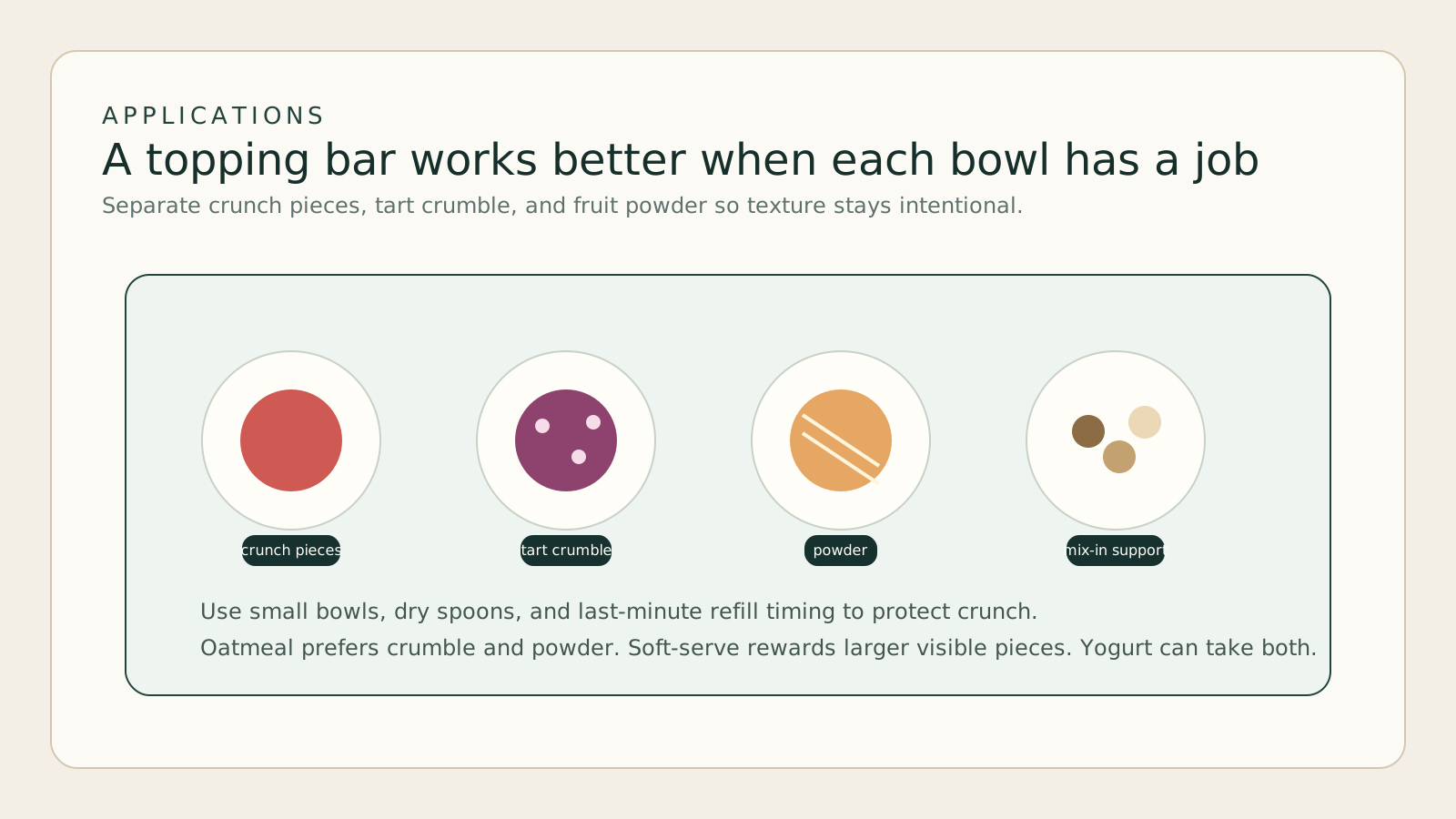
- Organize the topping bar by function: visible crunch, tart accent, powder, and support mix-ins.
- Keep powders and fragile crumble separate from larger snack pieces.
- Set out freeze-dried fruit as late as possible if the bar will sit near steam, chilled dairy, or melted soft-serve.
- Dry spoons and smaller refill bowls preserve texture better than one oversized open bowl.
A topping bar can make freeze-dried fruit look generous or chaotic.
The difference is rarely the fruit itself. It is the setup.
The direct answer
To build a freeze-dried fruit topping bar for yogurt, oatmeal, and soft-serve, organize the fruit by function rather than by color alone. Separate larger crunch pieces from tart crumble and powders, use smaller bowls with dry spoons, and keep the fruit away from moisture until the last possible moment.
That simple structure protects texture and makes the bar easier to use.
1. Build around jobs, not around max variety
Most topping bars become messy because every bowl tries to do the same job.
A cleaner approach is to assign roles:
- one visible crunch fruit
- one tart accent fruit
- one powder or fine crumble
- one or two supporting mix-ins
That usually means three to five fruit choices are enough.
Good starting roles might look like this:
- strawberry for familiar visible topping
- blueberry or apple for tidier crunch
- raspberry crumble for tart accent
- berry powder for color spread
Each bowl now has a reason to exist.
2. Keep powders, crumble, and whole pieces in different lanes
This is the biggest layout mistake people make.
Powders behave differently from pieces. If they share one bowl:
- fine dust settles over everything
- guests cannot control intensity well
- the bar starts looking untidy quickly
Powder deserves its own bowl and its own spoon. The same goes for very fine crumble if you want people to use it as a finishing accent rather than as a general scoop.
Larger pieces should stay in their own bowl so the visual fruit identity remains clear.
3. Set the bar up for texture protection
Freeze-dried fruit loses its advantage once it sits open too long in the wrong environment.
Better setup choices include:
- small bowls rather than deep bulk containers
- dry spoons only
- refill from sealed backup containers
- distance from steam, melted ice, and splash zones
This matters most for oatmeal and soft-serve service, where nearby heat or melt can soften exposed fruit faster than people expect.
If the fruit will sit out for a while, smaller refill bowls usually preserve crunch better than one large bowl opened at the start.
4. Match the fruit to the base
The same fruit does different work on yogurt, oatmeal, and soft-serve.
Yogurt
Best for:
- visible slices or pieces
- berry crumble
- light fruit powder accents
Yogurt gives a short window before softening begins, so visible topping fruit works well when added right before eating.
Oatmeal
Best for:
- crumble
- smaller pieces
- powders that spread flavor quickly
Hot oatmeal softens fruit fast. Larger decorative pieces are usually less useful here than controlled crumble or powder.
Soft-serve
Best for:
- larger visible fruit pieces
- tart berry accents
- a small amount of powder for color only when intentional
Soft-serve rewards visual contrast, but the melt window is short. Fruit should be added close to serving.
5. Keep the last step short
The topping bar should invite quick decisions.
If guests stand over the bowls for too long, the fruit sits open longer, and the more delicate options start losing their edge. Helpful labels can keep the line moving:
- crunch pieces
- tart crumble
- berry dust
- tropical accent
Those simple role labels often work better than long fruit descriptions alone.
A simple starter layout
For a reliable mixed-use topping bar, try:
- strawberry pieces
- blueberry or apple pieces
- raspberry crumble
- berry powder
- one support bowl such as granola, cacao nibs, or coconut
That set covers color, crunch, tartness, and flavor spread without overcrowding the station.
Bottom line
A freeze-dried fruit topping bar works best when it is staged for texture control and easy choice. Separate pieces from powders, use small refill bowls, and match the fruit format to whether it is landing on yogurt, oatmeal, or soft-serve.
The goal is not more bowls. It is cleaner function.
Frequently Asked Questions
Which freeze-dried fruit is easiest for a topping bar?
Strawberry, blueberry, and apple are usually the easiest starting points because they are recognizable, versatile, and easy to portion.
Should powders be mixed with whole pieces?
Usually no. Powders and fine crumble perform better in their own bowl so guests can control color and flavor without dusting every other topping.
What fruit works best on oatmeal versus soft-serve?
Oatmeal usually rewards crumble and powders that spread flavor quickly, while soft-serve benefits from larger visible pieces added right before eating.
How do I keep the fruit crunchy on a self-serve bar?
Use small bowls, refill often, keep steam and condensation away, and avoid setting the fruit out too early.
Do I need many fruit options?
No. Three to five focused options usually work better than a crowded bar where every bowl overlaps the others.