- A credible '100% fruit' freeze-dried product should have an ingredient line made only of the named fruit, or of fruits if it is a blend.
- Ingredient order and added-sugars rules matter because fruit juice concentrate, syrups, flavors, carriers, or oils change what the product is.
- The phrase is most useful when read together with the statement of identity, ingredient list, and Nutrition Facts panel.
- A bag can be freeze-dried and fruit-forward without being a true plain-fruit product, so comparison should start with the formula, not the slogan.
The phrase "100% fruit" sounds like it should end the conversation.
On a strong freeze-dried fruit label, it almost does. The problem is that some buyers stop there and never confirm whether the ingredient line tells the same story.
The direct answer
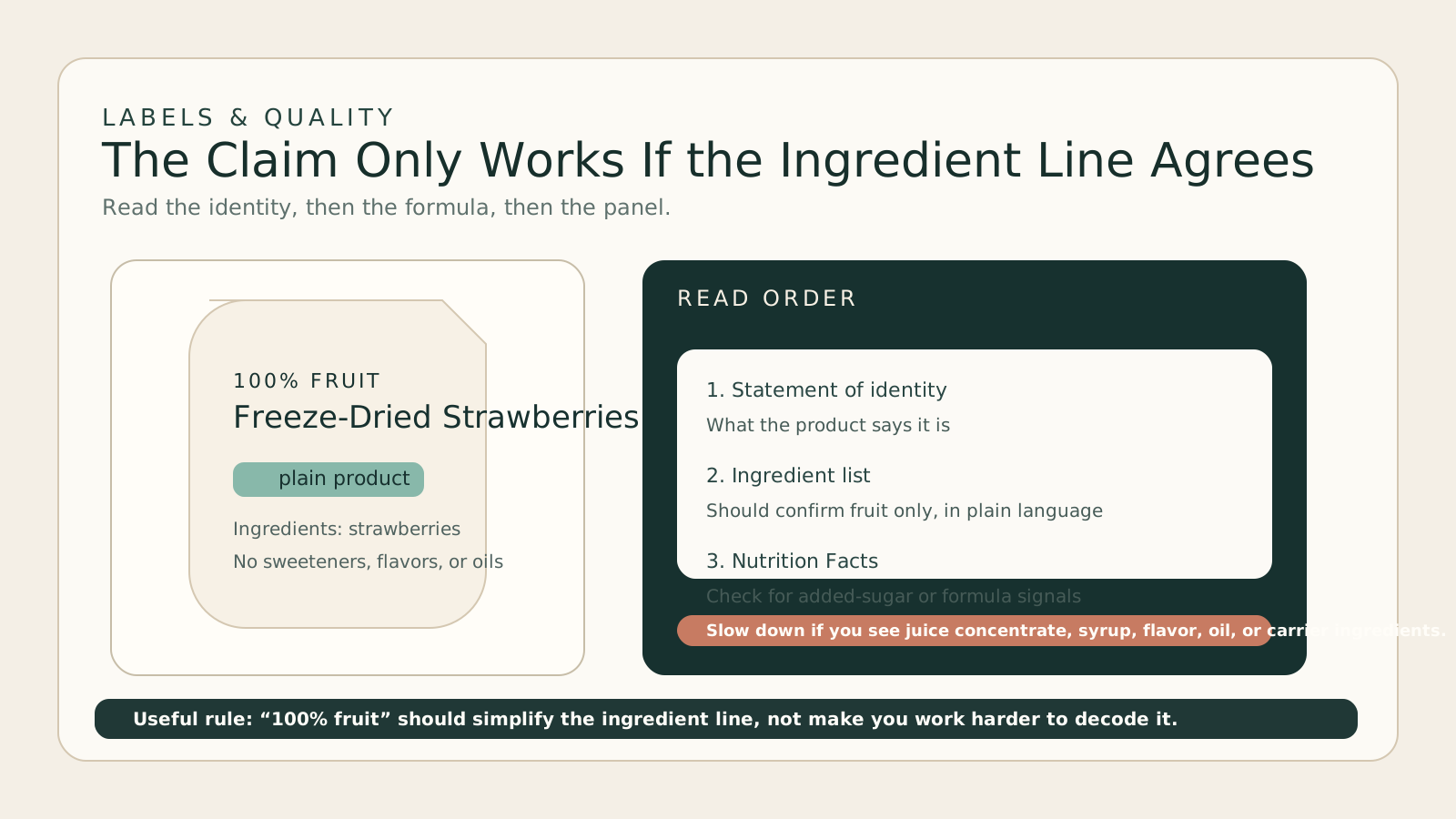
On a freeze-dried fruit label, "100% fruit" should mean the product is made only from fruit, and the ingredient list should confirm that plainly. The claim is most trustworthy when the statement of identity, ingredient line, and Nutrition Facts panel all support the same simple reading: this is plain fruit, not a sweetened, flavored, or otherwise formulated snack.
The phrase is useful. The ingredient list is what earns it.
Start with the identity, then read the formula
The first mistake is treating "100% fruit" as if it stands alone.
Read the pack in this order:
- statement of identity
- ingredient list
- Nutrition Facts panel
That sequence matters because a product can still be fruit-forward in branding while the formula tells a more complicated story. A clean read would look like:
- freeze-dried strawberries
- ingredients: strawberries
Or for a blend:
- freeze-dried fruit blend
- ingredients: strawberries, bananas, blueberries
That is the kind of simple consistency the claim invites.
What should make a buyer slow down
The phrase becomes weaker when the ingredient line introduces other functional pieces:
- sugar
- syrup
- fruit juice concentrate used as sweetener
- natural flavor
- oil
- starch or carrier ingredients
None of those ingredients automatically make the product bad. They simply make it something different from the plain-fruit meaning most readers attach to "100% fruit."
FDA's ingredient-labeling rules matter here because ingredients are listed in descending order by weight. That gives buyers a disciplined way to check whether the product is really led by fruit alone or by a broader formulation.
Why juice concentrate is an especially important signal
Fruit juice concentrate confuses many readers because it sounds fruit-like and can still function as a sweetener.
FDA's added-sugars guidance is useful here. It reminds buyers that some fruit juice concentrates count as added sugars when used for sweetening. That means a bag can still sound fruit-based while behaving more like a sweetened snack in the formula.
For a plain-fruit product, that matters. The more the bag relies on concentrated sweeteners, flavor support, or carrier ingredients, the less comfortable the "100% fruit" message becomes as a practical description.
Why this claim matters so much in freeze-dried fruit
Freeze-dried fruit sits in a crowded shelf set. Shoppers often compare:
- plain fruit pieces
- sweetened fruit crisps
- fruit-and-vegetable blends
- fruit snacks with flavor support
- powders or inclusions designed for another use
The "100% fruit" claim helps separate plain-fruit products from that wider set. It is not only a health signal. It is also a product-type signal.
That is why the claim affects fair comparison:
- price per ounce
- real fruit value
- sweetness expectations
- label credibility
If one bag is truly plain fruit and the other is a formulated crisp, the two products should not be judged as if they were identical offers.
What a strong 100% fruit label usually looks like
The strongest versions are usually boring in a good way:
- a direct identity statement
- an ingredient line that names only fruit
- no surprise sweeteners
- no unnecessary flavor language trying to distract from the formula
That simplicity is a quality signal because it reduces the gap between what the front says and what the side panel proves.
Bottom line
"100% fruit" on a freeze-dried fruit label should mean exactly what the phrase suggests: the product is fruit, and the ingredient line confirms it.
Use the claim as a starting point, not a substitute for reading. When the statement of identity, ingredient list, and Nutrition Facts panel all line up, the phrase is doing honest work. When they do not, the bag should be compared more carefully.
Frequently Asked Questions
Does '100% fruit' mean the bag should contain only fruit?
Yes, that is the practical expectation. The ingredient list should support the claim by naming only the fruit or fruits in the product.
Can a product still say '100% fruit' if it contains juice concentrate or sugar?
That should trigger caution. Sweeteners or other added ingredients change the formula and weaken the plain-fruit meaning that shoppers usually take from the claim.
What is the fastest way to verify a 100% fruit claim?
Read the statement of identity first, then the ingredient list, then the Nutrition Facts panel. If the ingredient line is longer than the fruit itself, the claim deserves closer scrutiny.
Does freeze-dried automatically mean 100% fruit?
No. Freeze-dried describes the drying method. A freeze-dried product can still include sweeteners, acids, flavors, carriers, or oils.
Why does ingredient order matter on this kind of label?
FDA ingredient labeling rules require ingredients to be listed by predominance by weight, so the order helps show what is really driving the formula.
Primary sources & further reading
- Food Labeling Guide U.S. Food & Drug Administration Referenced for FDA's guidance on the statement of identity and the basic structure of label reading.
- 21 CFR 101.4 - Food; Designation of Ingredients Electronic Code of Federal Regulations Referenced for the requirement that ingredients be declared by their common or usual name in descending order of predominance by weight.
- Added Sugars on the Nutrition Facts Label U.S. Food & Drug Administration Referenced for FDA's explanation that certain syrups and fruit juice concentrates function as added sugars on labels.
- Types of Food Ingredients U.S. Food & Drug Administration Referenced for FDA's reminder that ingredient lists help consumers distinguish what is actually in the food.
External links open in a new tab. We do not receive compensation from any organization listed; sources are referenced because they are primary, current, and publicly verifiable.