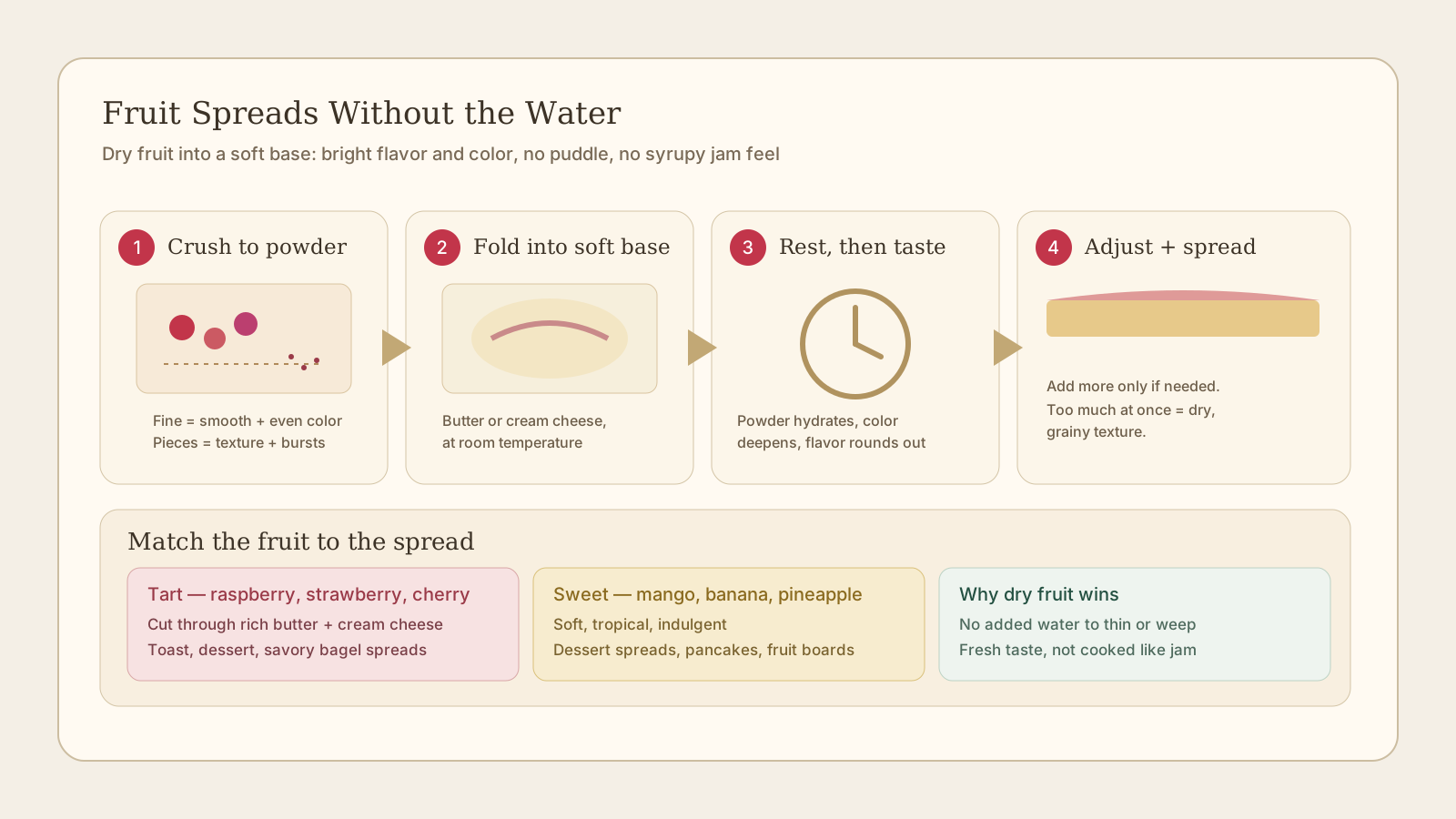
- Because freeze-dried fruit is dry, it adds concentrated fruit flavor and color to spreads without thinning them or making them weep the way fresh or frozen fruit does.
- Grind the fruit to a fine powder for smooth, evenly colored spreads, or leave small pieces for visible texture and bursts of flavor.
- Start with a small amount, let the spread rest so the powder hydrates from the fat or dairy, then taste and adjust before adding more.
- Tart fruits like raspberry and strawberry balance rich bases well, while mango and banana lean sweeter, so match the fruit to whether the spread is for toast, bagels, or dessert.
Plain butter and cream cheese are blank canvases, and freeze-dried fruit is one of the easiest ways to color them in. Because the fruit is dry, it brings real fruit flavor and bright color to a soft base without the two problems that usually come with fruit: the wateriness of fresh or frozen fruit, and the cooked, syrupy heaviness of jam. The result is a spread that tastes like the fruit, holds its texture, and looks the part.
The direct answer
Grind freeze-dried fruit to a powder, stir it into a soft, room-temperature base like butter or cream cheese, let it rest a few minutes so the powder hydrates and the color develops, then taste and adjust. Start with a small amount, because the flavor is concentrated and easy to overdo.
That single move, dry fruit into a soft base, is the whole technique. Everything else is choosing the fruit, the texture, and the amount to fit what you are spreading it on.
Why dry fruit beats fresh here
The reason freeze-dried fruit works so well in spreads comes down to water. Fresh and frozen fruit carry a lot of it, and that water has nowhere good to go once it meets butter or cheese. It thins the spread, dilutes the flavor, and can make the mixture weep or separate as it sits. Cooking the fruit down into a jam solves the wateriness but trades it for a softer, sweeter, more candied character.
Freeze-dried fruit skips both problems. It adds flavor and color in concentrated, dry form, so the spread stays thick and the fruit tastes fresh rather than cooked. A small amount of powder carries a surprising amount of flavor, which is exactly what you want when the base is rich.
Powder or pieces
Decide the texture before you mix, because it changes how you grind.
A fine powder gives a smooth, evenly colored spread with flavor in every bite. It is the right choice for compound butter you want to slice cleanly, for whipped cream cheese, and for anything where you want uniform color. Crush the fruit in a bag with a rolling pin or pulse it in a small grinder until it is dust.
Leaving small pieces gives visible flecks and little bursts of flavor as you eat. That suits a chunkier bagel spread or a dessert spread where you want the fruit to read as fruit. You can also do both: powder for the base color and flavor, plus a few pieces folded in at the end for texture.
Getting the amount right
The most common mistake is adding too much fruit at once. The flavor is concentrated, and the powder also pulls a little moisture from the base as it hydrates, so overloading it can leave the spread dry or slightly grainy.
Work in steps instead. Soften the butter or cream cheese to room temperature so it mixes easily. Stir in a modest amount of powder, then let it rest for a few minutes. The rest is doing real work: the powder absorbs a little fat or moisture, the color deepens, and the flavor rounds out. Taste, and only then decide whether to add more. Building up gradually gets you a smooth, well-balanced spread; dumping it all in rarely does.
Graininess usually means too much powder for the amount of base, or not enough rest. Fold in a little more softened butter or cream cheese, let it sit a few more minutes, and it will smooth out. Keeping the fruit in proportion to a soft base prevents it in the first place."
Matching fruit to the spread
The fruit you choose should match where the spread is going.
For toast and dessert, tart berries are the workhorses. Raspberry and strawberry cut through rich butter and sweetened cream cheese so the spread tastes balanced instead of flat or cloying. Cherry does the same with a deeper note. These tart fruits are why a fruit butter can feel bright rather than just sweet.
For sweeter, tropical spreads, mango, banana, and pineapple lean sweet and soft, which suits dessert applications, pancakes, and anything you want to read as indulgent. They pair well with a touch of vanilla or honey in the base.
For savory cream cheese, a tart berry combined with herbs, black pepper, or a little citrus often works better than a sweet tropical fruit. The acidity keeps it from sliding into dessert territory and makes it at home on a bagel or a snack board.
A few easy starting points
Use these as templates rather than strict recipes, adjusting amounts to taste.
Strawberry or raspberry compound butter: fold berry powder into softened butter with a small pinch of salt, rest, then chill in a log to slice. It is good on warm toast, scones, or pancakes.
Mixed-berry cream cheese: stir berry powder into softened cream cheese, rest, and spread on bagels. A little powder folded in late keeps visible flecks.
Mango or pineapple dessert spread: blend tropical fruit powder into cream cheese or mascarpone with a touch of honey or vanilla for graham crackers, toast, or a fruit board.
In each case the rhythm is the same: soft base, add powder gradually, rest, taste, adjust.
Bottom line
Freeze-dried fruit is one of the simplest upgrades for butter, cream cheese, and soft spreads because it adds concentrated fruit flavor and color without the water of fresh fruit or the syrupiness of jam. Grind to powder for smooth, even spreads or leave pieces for texture, add gradually to a soft base and let it rest before adjusting, and match tart fruits to rich or savory spreads and sweeter fruits to dessert. Get the proportion and the rest right, and a plain spread becomes a bright, fruit-forward one in a few minutes.
Frequently Asked Questions
Why use freeze-dried fruit instead of fresh fruit in butter or cream cheese?
Fresh and frozen fruit add water, which thins a spread, dilutes the fruit flavor, and can make the mixture weep or spoil faster. Freeze-dried fruit is dry, so it delivers concentrated flavor and color while keeping the spread thick and stable. It also avoids the cooked, syrupy character of jam.
Should I grind the fruit to powder or leave pieces?
Both work, for different results. A fine powder gives a smooth, evenly colored spread and the most even flavor, which suits compound butter and whipped cream cheese. Leaving small pieces adds visible texture and bursts of flavor, which is nice on a bagel or a dessert spread. You can also combine powder for color with a few pieces for texture.
How much freeze-dried fruit should I add?
Start small and build. A little goes a long way because the flavor is concentrated. Stir in a modest amount, let the spread rest a few minutes so the powder hydrates and the color develops, then taste and add more if you want it stronger. Adding too much at once can make the texture dry or grainy.
Will the spread turn grainy or dry?
It can if you add too much powder relative to the fat or dairy, or if you do not let it rest. The powder pulls a little moisture from the butter or cheese as it hydrates. Keeping the fruit in proportion to a soft, room-temperature base and giving it a short rest keeps the texture smooth.
Which fruits work best for sweet versus savory spreads?
Tart fruits such as raspberry, strawberry, and cherry cut through rich butter and cream cheese and feel balanced rather than sugary. Mango, banana, and pineapple lean sweeter and tropical, which suits dessert spreads and toast. For a savory cream cheese, a tart berry with herbs or pepper often works better than a sweet tropical fruit.