- Powder and fine crumble usually work better than whole fruit pieces in vinaigrettes, dressings, and marinades.
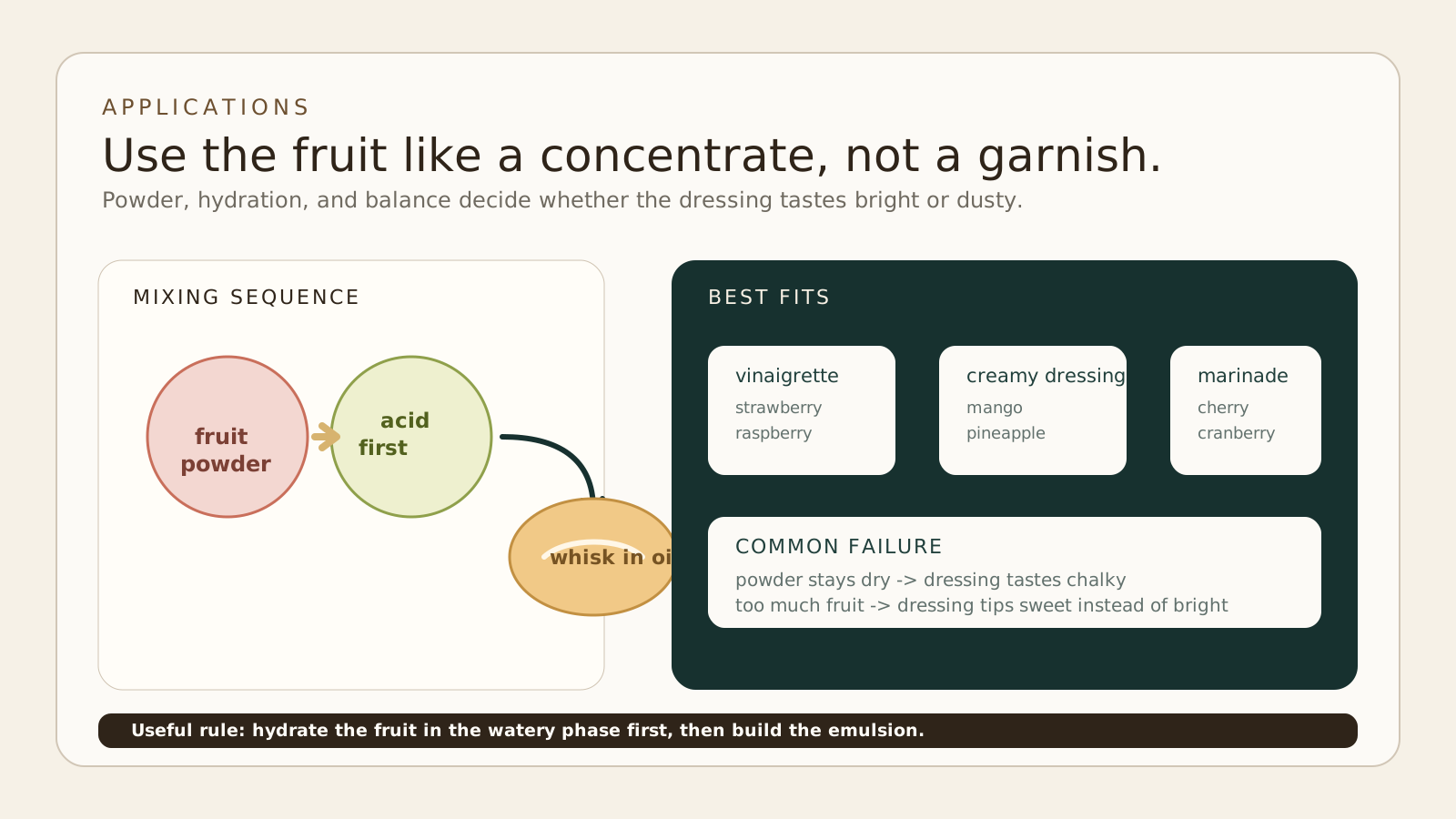
- Hydrate the fruit first with an acidic or watery component so the flavor blooms before the oil goes in.
- Tart berries are usually strongest in vinaigrettes, while mango and pineapple are better for creamy, chili-lime, or tropical-style dressings.
- Start small. Freeze-dried fruit is concentrated and can turn a dressing chalky or candy-sweet if overused.
- When using a marinade, fruit should support the acid, salt, and aromatics rather than trying to do every job alone.
Freeze-dried fruit is easy to picture on top of a salad.
It is less obvious, but often more useful, inside the dressing itself.
The direct answer
To use freeze-dried fruit in vinaigrettes, dressings, and marinades, treat it like a concentrated flavor ingredient rather than a garnish. Powder or fine crumble works best, the fruit should usually be hydrated before oil goes in, and the dressing still needs a savory structure around it.
That is the difference between a dressing that tastes bright and deliberate and one that tastes dusty, sweet, or unfinished.
Start with the right format
Whole pieces are great for topping. They are usually the wrong starting point for dressing.
For liquid applications, the best formats are:
- fruit powder
- very fine crumble
- small fragments crushed by hand or in a spice grinder
Those forms hydrate quickly and distribute evenly. Large snack pieces stay stubbornly dry in the center and can leave the dressing tasting patchy.
If you only have whole pieces, crush them first. The goal is not perfect flour. The goal is enough surface area that the fruit can dissolve or soften into the dressing base without leaving crunchy islands.
Best fruit choices by dressing style
Different fruits suit different dressing families.
Tart berry dressings
Best starting fruits:
- strawberry
- raspberry
- blueberry
- tart cherry
These work well because they already understand acidity. They slide naturally into balsamic, cider, red-wine vinegar, lemon, and mustard-based dressings.
Tropical or chili-lime dressings
Best starting fruits:
- mango
- pineapple
- passion fruit powder when available
These pair better with lime, chili, cilantro, ginger, or creamy yogurt-based dressings than with sharp classic vinaigrettes.
Savory marinades
Best supporting fruits:
- cherry
- cranberry
- pineapple
These are useful when you want a small fruit edge rather than an obvious smoothie flavor.
Hydrate the fruit before you emulsify
This is the step people skip most often.
Freeze-dried fruit needs contact with a watery or acidic phase before it is asked to behave inside oil.
Good first liquids include:
- vinegar
- citrus juice
- yogurt
- buttermilk
- a spoonful of water when the acid base is very strong
Let the fruit sit briefly in that liquid before adding the oil. Even a few minutes helps.
If the oil goes in too early, the fruit can stay partly dry and the result may feel:
- chalky
- dusty
- gritty
- unevenly sweet
Freeze-dried fruit is a supporting flavor, not the whole dressing
The fruit adds brightness, color, aroma, and a little sweetness. It should not have to do every job.
A useful dressing still needs some combination of:
- salt
- acid
- fat
- pepper
- mustard
- herbs
- alliums or aromatics when desired
That is why a freeze-dried strawberry vinaigrette usually works better with vinegar, mustard, and black pepper than with strawberry alone. The fruit should sound like a clear note in the dressing, not the entire orchestra.
Start small and taste before adding more fruit
Freeze-dried fruit is concentrated. Once hydrated, it can take over fast.
A practical starting point for a home-sized batch is modest:
- a small spoonful of powder for a half-cup dressing
- a little more only after tasting
That cautious start is especially important with sweeter fruits such as mango or pineapple. It is easier to deepen the fruit note than to rescue a dressing that has tipped into dessert territory.
Marinades need restraint
Freeze-dried fruit can work in marinades, but usually as an accent.
It can help supply:
- a gentle sweet edge
- fruit aroma
- color
- a softer bridge between acid and spice
It should not replace the core marinade logic. You still need a balanced base built from acid, salt, aromatics, and fat when appropriate.
In other words, think cherry-red wine, pineapple-lime, or raspberry-shallot, not fruit powder plus hope.
When to use it right away and when to let it sit
Some dressings are best used immediately after whisking. Others improve after a short rest.
Use right away when:
- you want brighter top-note fruit aroma
- the dressing is very light and sharp
- you do not want further thickening
Let it sit briefly when:
- the powder still tastes slightly dry
- the dressing is yogurt-based or creamy
- the fruit needs a few minutes to fully soften into the liquid phase
The right rest is usually short, not overnight.
Bottom line
Freeze-dried fruit works well in vinaigrettes, dressings, and marinades when it is used in powder or fine-crumble form, hydrated before emulsification, and balanced with real savory structure.
The best results come from treating the fruit as a concentrated accent. A little discipline turns it from garnish logic into dressing logic.
Frequently Asked Questions
What form of freeze-dried fruit works best in dressing?
Usually powder or fine crumble. Whole snack pieces hydrate too slowly and can leave the dressing patchy.
Do I need to soak the fruit first?
Usually yes. Letting the powder or crumble sit briefly in vinegar, citrus juice, or a small amount of water helps it dissolve and spread flavor more evenly.
Which fruits work best in vinaigrettes?
Strawberry, raspberry, blueberry, and tart cherry are usually the easiest starting points because they add brightness without fighting the acid.
Can freeze-dried fruit work in marinades?
Yes, but best as a supporting flavor layer. It can add sweetness, color, and fruit character, while the marinade still needs its own acid, salt, and savory structure.
Why did my dressing turn chalky?
Usually because the fruit stayed dry too long, the powder amount was too high, or the dressing did not have enough liquid phase to fully hydrate the fruit before emulsifying.