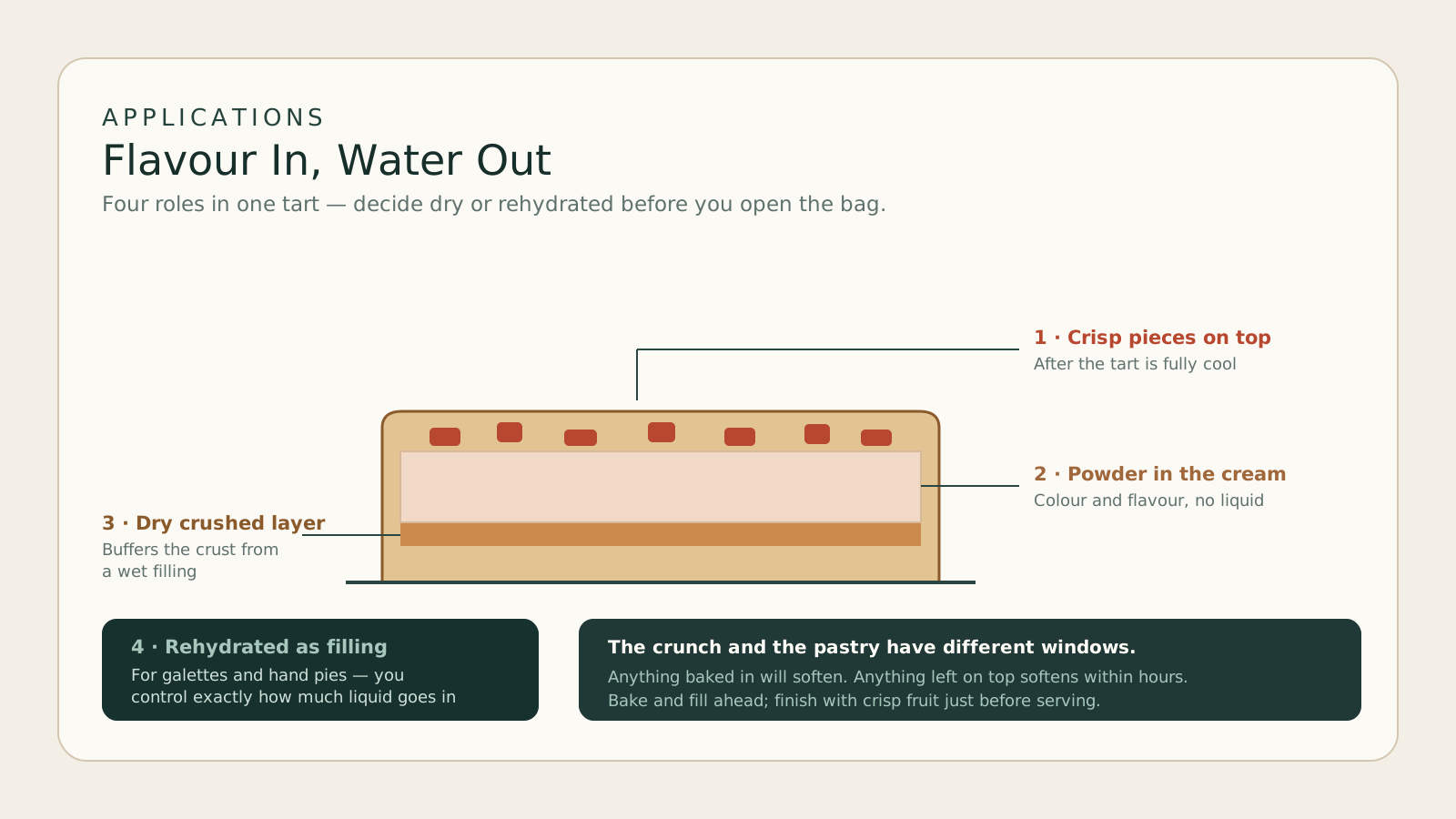
- Freeze-dried fruit added dry stays crisp and absorbs stray moisture; rehydrated, it behaves like a concentrated fruit filling. Choose one before you start.
- Powdered freeze-dried fruit stirred into pastry cream, frangipane, or a crumble topping adds intense flavor and color without adding liquid.
- Dry pieces scattered on the base of a blind-baked shell act as a moisture buffer between a wet filling and the crust.
- Anything left exposed on top will soften from oven steam and from the air after baking — add it after baking if you want the crunch to survive.
Fruit pastry has one recurring enemy, and it is not technique. It is water. Fresh fruit releases liquid as it bakes, that liquid runs down into the pastry, and the crisp base you spent an hour laminating turns to paste.
Freeze-dried fruit inverts the problem. It arrives with almost no water at all, which means you decide how much moisture enters the pastry and when. That makes it genuinely useful here — but only if you are deliberate, because dry and rehydrated freeze-dried fruit behave like two different ingredients.
Decide first: dry or rehydrated
This is the single decision that determines everything else.
Dry means the fruit stays as it is: crisp, light, intensely flavored, and thirsty. It will pull moisture out of whatever it touches. That is a liability next to a delicate custard and an asset next to a wet filling and a fragile crust.
Rehydrated means you add water, juice, or another liquid back and let the fruit soften. It then behaves much like cooked fruit — soft, juicy, concentrated in flavor — and can be used as a filling in its own right.
Most disappointing results come from using one where the other was needed. Dry fruit scattered over a custard tart goes leathery within the hour. Rehydrated fruit used as a crunchy garnish is simply wet fruit.
Four roles that actually work
1. Powder in the cream
Blitz freeze-dried fruit to a powder and stir it into pastry cream, frangipane, mascarpone filling, or a buttercream. You get concentrated flavor and real color with no added liquid, which is exactly what a set custard cannot tolerate.
Add it in small increments and taste as you go. The powder is potent, and it also absorbs liquid, so it thickens the mixture along the way. In frangipane it disappears into the almond base beautifully; in a lemon-style curd it can push the acidity somewhere you did not intend, so go slowly.
Freeze-dried fruit rarely grinds to a perfectly even powder. Passing it through a fine sieve before it goes into a smooth cream removes the gritty fragments that will otherwise be noticeable in the finished texture. The coarse remainder is not waste — it is a good topping.
2. A dry layer as a moisture buffer
Scatter a thin layer of crushed dry freeze-dried fruit across the base of a blind-baked shell before adding a wet filling. The pieces sit between the pastry and the liquid and absorb the first wave of moisture that would otherwise soak straight into the crust.
This works particularly well under fresh fruit tarts and under anything with a loose, juicy filling. The layer contributes flavor as it hydrates, so it is not a neutral barrier — choose a fruit that belongs in the recipe rather than whatever is open.
It is not a substitute for blind baking, an egg-wash seal, or a chocolate layer where those are called for. It is an additional line of defence, and it is the only one that also tastes of something.
3. Rehydrated as the filling
For galettes, hand pies, and rustic tarts, rehydrate and use the fruit as you would cooked fruit.
Cover the pieces with just enough hot liquid — water, juice, or a splash of something stronger — to soften them, and let them stand until pliable rather than swimming. The advantage over fresh fruit is control: you know how much liquid is in the mixture because you put it there, so the base is far less likely to flood.
The flavor concentrates during freeze-drying, so rehydrated fruit usually needs less added sugar than the fresh equivalent. Taste before sweetening rather than following a fresh-fruit recipe's sugar quantity.
4. Crisp pieces added after baking
If you want visible, audible crunch, it goes on after the pastry has fully cooled. Not warm — cooled. Residual heat produces steam, and steam is what softens the pieces.
Scatter whole or broken pieces over a set tart, press them into the edge of a frosted pastry, or use them alongside a dusting of the powder for contrast. Then serve reasonably promptly. Even in a dry room the pieces will begin softening within a few hours, and next to a moist filling it happens faster.
The timing problem, honestly stated
There is a real tension in these recipes that is worth naming rather than working around.
Freeze-dried fruit is at its best crisp, and pastry is at its best fresh from the oven or shortly after. The two windows do not fully overlap, because the pastry needs to cool before the fruit goes on and the fruit does not last long once it is on.
For a dessert served immediately, this is not a constraint at all. For something made in advance, plan to finish it at the last moment: bake and fill ahead, add the crisp fruit just before it goes to the table. Trying to have the fruit both baked in and crunchy will not work, and knowing that in advance saves a disappointing result.
Practical notes
- Crush by hand or with a rolling pin for pieces, and use a grinder only when you want powder. A food processor tends to produce an awkward mixture of both.
- Keep the bag sealed while you work. An open bag on a humid kitchen counter loses crispness noticeably, and a bakery is a humid environment by definition.
- Weigh rather than measure by volume. Freeze-dried fruit is very light, and a cup of whole pieces and a cup of crushed pieces contain quite different amounts.
- Watch the color in the oven. Fruit powder in a batter or frangipane will darken with baking, so a filling that looks vivid raw may bake to something more muted. Reserving a little powder for dusting afterward restores the color.
- Store the finished pastry uncovered rather than sealed if it has crisp fruit on top — a sealed container traps moisture from the pastry and softens the fruit faster.
The short version
Freeze-dried fruit is a good fit for pastry because it lets you separate flavor from moisture. Use the powder in creams and frangipane for intensity without liquid, a dry crushed layer under wet fillings as a buffer, rehydrated fruit as a controlled filling for galettes and hand pies, and crisp pieces on top after cooling for texture. Decide which role you want before you open the bag, and the rest follows.
Frequently Asked Questions
Can I substitute freeze-dried fruit directly for fresh in a tart recipe?
Not one for one. Freeze-dried fruit has had nearly all its water removed, so the same weight represents far more fruit than the fresh equivalent, and it contributes no liquid. If you want a fresh-style filling, rehydrate first and adjust the sugar down, since the flavor concentrates.
Will freeze-dried fruit stay crunchy inside a baked tart?
Generally no. Steam from the filling and the humidity in a cooling oven will soften exposed pieces. Fruit baked inside a moist filling will hydrate and behave like cooked fruit. If crunch is the point, add the fruit after the pastry has cooled.
How much powder should I add to a pastry cream or frangipane?
Start small and taste. Freeze-dried fruit powder is intensely flavored, and it also absorbs some liquid, so adding a lot will thicken the mixture as well as flavor it. Adjust in small increments rather than in one go.
Does it work in a galette, where the fruit is exposed?
It works if you rehydrate. A rustic galette relies on juicy fruit that concentrates during baking, and rehydrated freeze-dried fruit can play that role with less risk of a flooded base. Adding it dry to an open galette usually produces scorched, papery edges.