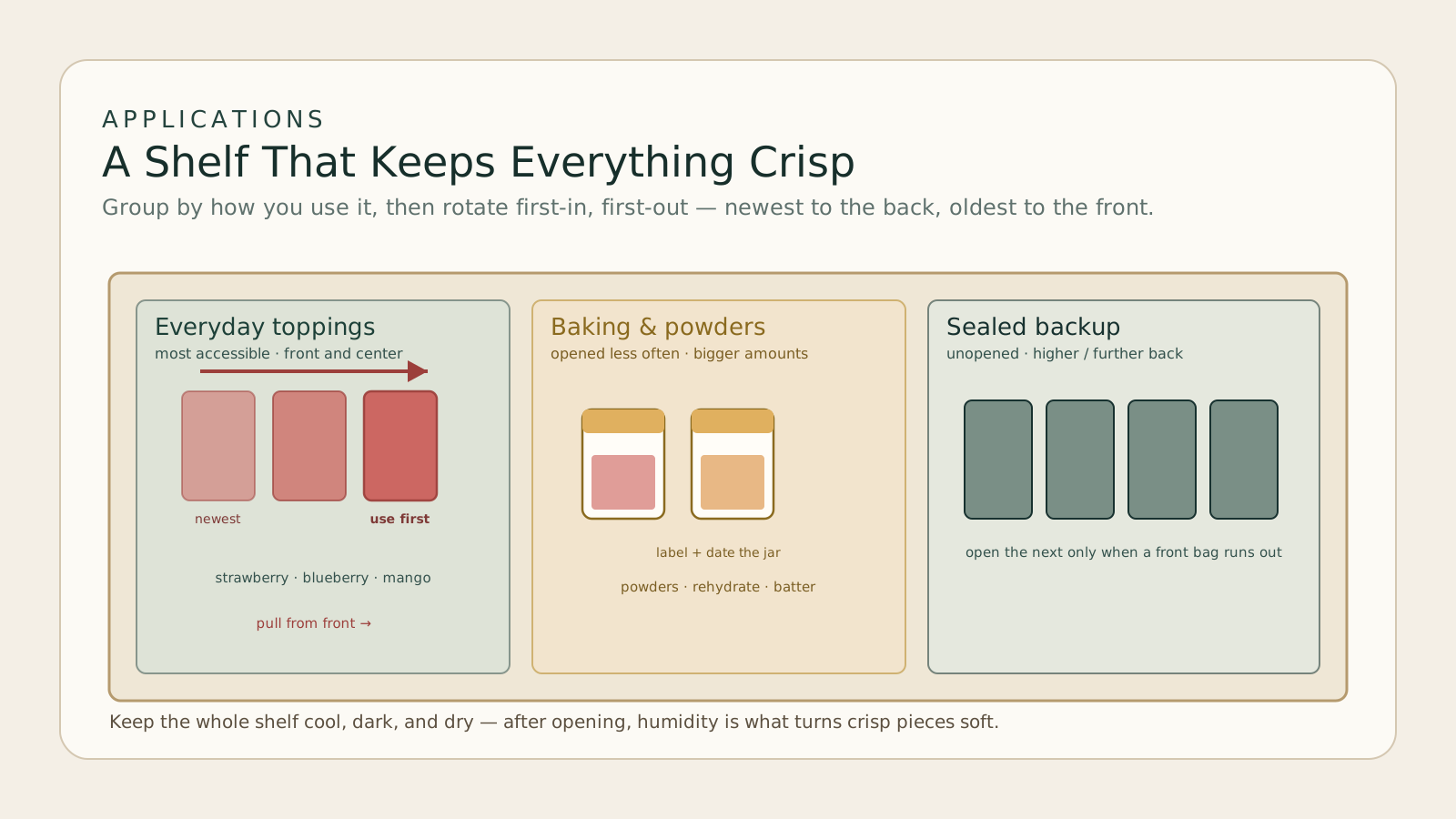
- Group your stock by how you use it — everyday toppings, baking and powders, and long-term backup — so the right bag is always in reach.
- Rotate first-in, first-out: newest bags to the back, oldest to the front, and date anything you decant into a jar.
- After opening, the enemy is humidity; reseal tightly or move to an airtight jar with the desiccant, and keep everything cool, dark, and dry.
- Buy to a realistic pace. Unopened bags last a long time, but an opened bag left loosely closed can go soft in days.
Freeze-dried fruit is one of the easier things to keep in a pantry: it is light, shelf-stable, and forgiving. But "forgiving" is not the same as "automatic." Bags get pushed to the back, opened pouches go soft, and you end up rebuying something you already own. A little structure fixes all of that, and it takes about ten minutes to set up.
Start by sorting how you actually use it
Before thinking about shelves, sort your stock by job. Most households use freeze-dried fruit in three distinct ways, and grouping by use is what keeps the right bag within reach.
Everyday toppings are the bags you reach for constantly — strawberries for yogurt, blueberries for oatmeal, mango for snacking. These should be the most accessible, front and center.
Baking and kitchen use covers fruit you crush into powder, fold into batter, or rehydrate for sauces. These get opened less often but in bigger amounts, so they can sit a shelf over.
Backup and bulk is unopened stock you are holding for later. It can live higher up or further back because you will not touch it until a front bag runs out.
Sorting by fruit looks tidy but fights how you cook. You do not think "I need the B section," you think "I'm making a yogurt bowl." Grouping by use means the decision you actually make in the moment lands you on the right bag immediately.
Rotate first-in, first-out
The one habit that keeps a stocked pantry from quietly wasting food is first-in, first-out, or FIFO. New bags go to the back; you always pull from the front. That way the oldest stock gets used first and nothing expires unnoticed behind a newer purchase.
Make it physical. When you bring home new bags, take thirty seconds to slide the existing ones forward and set the new ones behind them. If you decant into jars, the same rule applies: top up from the back, scoop from the front.
Dating helps the system run itself. Unopened bags carry a best-by date already, but anything you move into a jar loses that information unless you write it down. A piece of tape with the fruit name and the date you opened or decanted it turns a guessing game into a glance.
After opening, humidity is the whole game
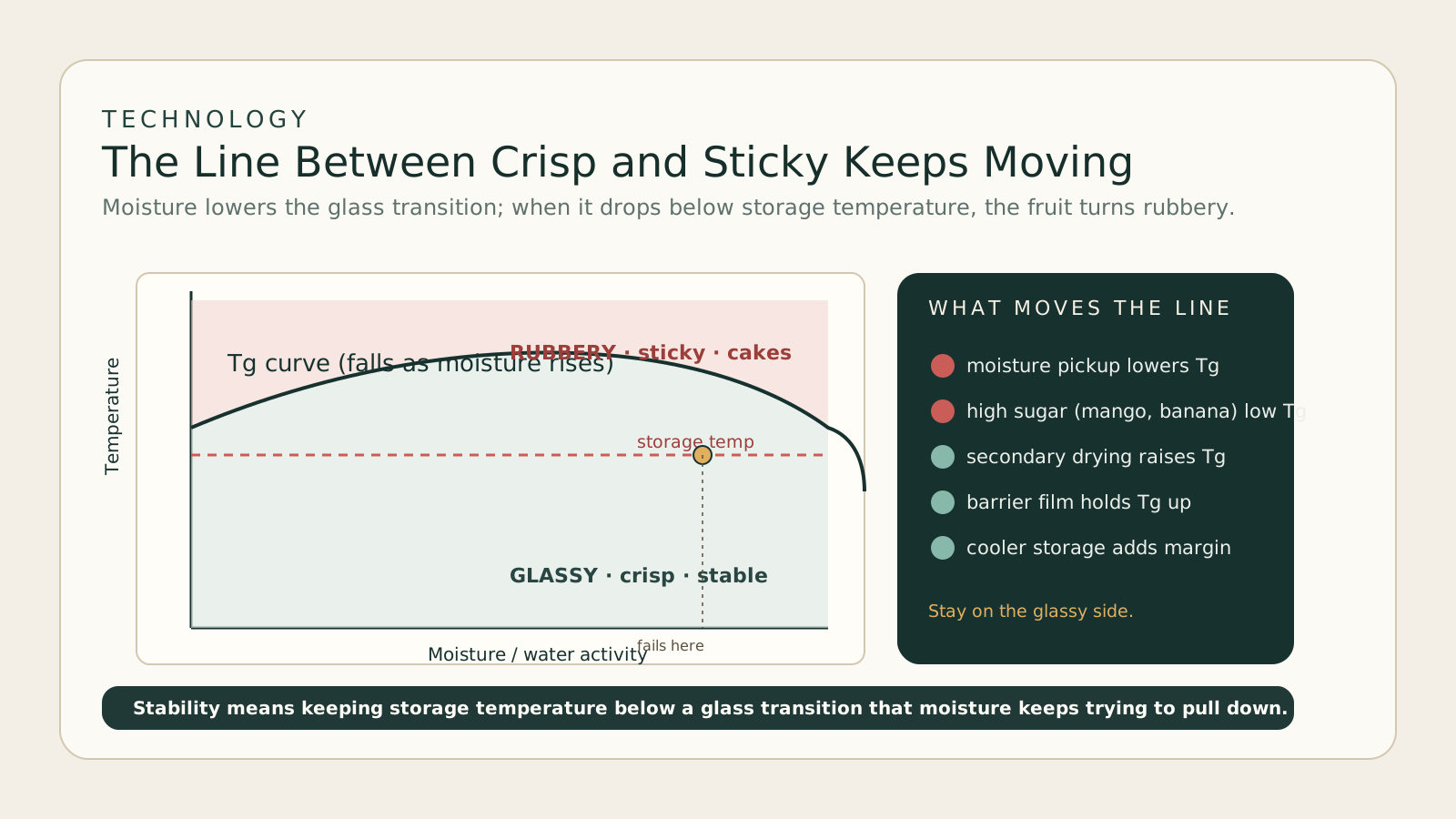
An unopened bag with intact barrier film can sit for a long time. The moment you open it, the clock speeds up — not because of spoilage, but because the pieces immediately start pulling moisture from the air, and moisture is what kills the crunch.
So the priority after opening is an airtight reseal. If the bag has a good resealable zipper, press out the extra air and close it fully every single time. If it does not, or if the seal feels weak, move the contents to an airtight glass jar with a tight lid. Tuck the little food-safe desiccant packet from the original bag into the jar — it is there to keep doing its job.
Keep everything cool, dark, and dry. A closed cabinet away from the stove, dishwasher, kettle, and windows is ideal. Heat and light fade color and flatten aroma over time, and steam or humidity is what turns crisp pieces leathery within days.
If a piece bends or feels chewy instead of snapping cleanly, it has taken on moisture. It is not unsafe, but it is past its best and telling you the seal or the storage spot needs attention. Catching one soft bag early often means fixing where you keep the whole group.
Buy to your pace, not to the discount
The most common stocking mistake is buying more than you will open in time. Bulk deals are tempting, and unopened freeze-dried fruit genuinely lasts — but the bottleneck is opened bags, not sealed ones. Once a bag is open, plan to finish it within a few weeks for the best texture.
A practical rhythm: keep one open bag per use going at a time, and only crack the next bag when the current one is nearly empty. Hold a small sealed backup of your most-used fruits behind it. That keeps fresh crunch in rotation without a shelf full of half-soft pouches.
If you do buy in bulk, split it down on arrival. Portion a large bag into several smaller airtight jars rather than reopening one giant pouch over and over — every reopening is another dose of humidity into the whole supply.
A ten-minute setup
To put it together: clear a cabinet shelf, group your bags into everyday, baking, and backup, and place everyday toppings at the front. Move new purchases to the back as they come in. Decant any opened bag with a weak seal into a labeled, dated jar with its desiccant. Then keep the whole zone cool, dark, and dry, and pull from the front.
That is the entire system. It costs a few jars and a roll of tape, and it turns freeze-dried fruit from a drawer of half-forgotten pouches into a tidy, always-crisp shelf you actually use.
Frequently Asked Questions
How much freeze-dried fruit should I keep on hand?
Buy to your actual pace of use rather than to the size of the deal. Unopened bags store for a long time, so a small backup is fine, but the limiting factor is opened bags: once a bag is open it should be used within a few weeks for best texture. A good rule is to keep one open bag per use at a time and only open the next when the first is nearly gone.
What is first-in, first-out and why does it matter?
First-in, first-out (FIFO) means you use your oldest stock first. In practice you put new bags at the back of the shelf and pull from the front, so nothing slowly expires forgotten behind newer purchases. It is the single habit that prevents waste in a stocked pantry.
Should I move freeze-dried fruit into jars?
Jars help most after opening, when the original bag no longer seals well. An airtight glass jar with a tight lid, ideally with the food-safe desiccant from the bag tucked inside, protects crispness better than a clipped-open pouch. Always label the jar with the fruit and the date you decanted it.
Where is the best place to store it?
Cool, dark, and dry. A closed pantry or cabinet away from the stove, dishwasher, and any window is ideal. Heat and light fade color and speed up staleness, and humidity is what actually turns the pieces soft, so avoid storing near sources of steam or moisture.
How do I know if a piece has gone bad?
Freeze-dried fruit rarely spoils in the microbial sense while dry, but it loses quality. Soft, chewy, or sticky pieces mean it has absorbed moisture; faded color and flat aroma mean age or light exposure. None of that is dangerous on its own, but it is your signal the bag is past its best and the storage needs fixing.