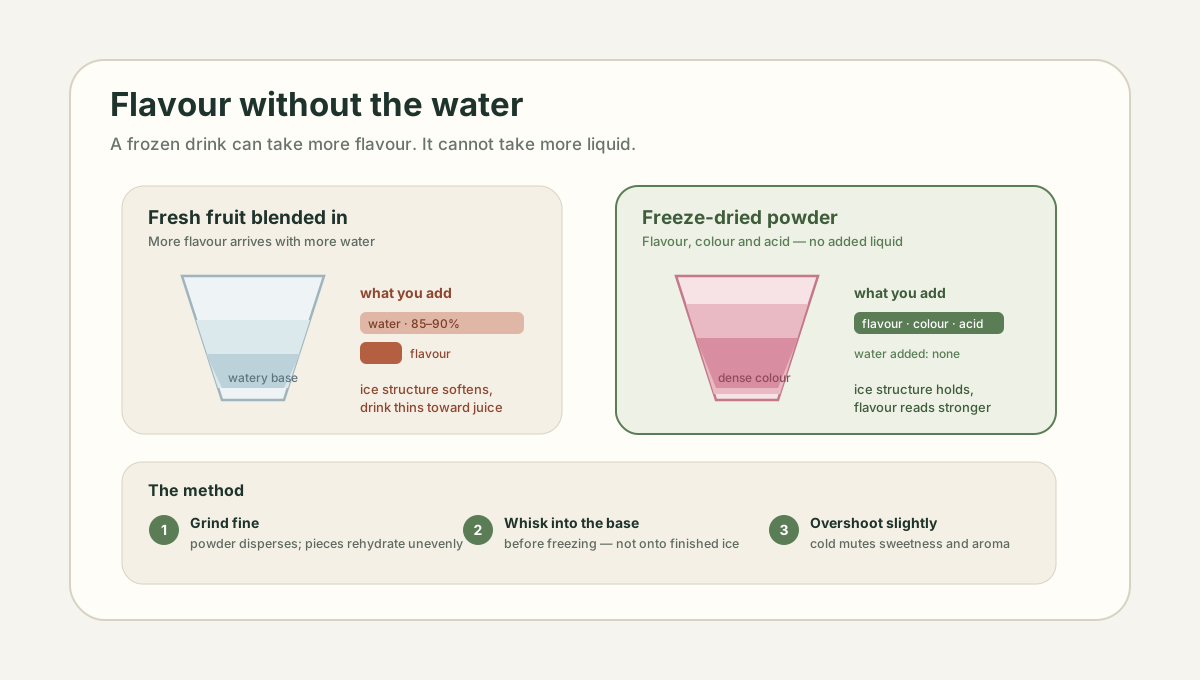
- Freeze-dried fruit is the rare flavour addition that carries no water, so it intensifies a frozen drink instead of diluting it.
- Grind to a fine powder for slushies and blended drinks; keep small pieces only where you want visible texture, since whole pieces rehydrate unevenly in ice.
- Add powder to the liquid phase before freezing or blending, not sprinkled on top of finished ice, or it will clump and sink.
- Tart fruits like raspberry, strawberry, and passion fruit read strongest in cold drinks, because cold suppresses perceived sweetness and aroma.
Frozen drinks have a structural problem with fruit. A slushie, a shaved-ice syrup, a blended frozen lemonade — all of them are held together by ice, and ice is fragile in the face of added liquid. Every strawberry you blend in brings water with it. Add enough fruit to actually taste the fruit, and you have thinned the drink into something closer to cold juice.
Freeze-dried fruit is the exception. It is essentially the flavour, colour, and acidity of the fruit with the water taken out, which makes it unusually well suited to a format that cannot absorb more water.
The direct answer
Grind freeze-dried fruit to a fine powder and whisk it into the liquid base before you freeze or blend. That is the whole technique. The powder dissolves into the syrup or liquid phase, distributes evenly through the ice, and delivers concentrated fruit flavour without changing the water balance that gives the drink its texture.
Whole pieces work as a topping. They do not work stirred into ice, where they rehydrate unevenly — some pieces turning soggy while others stay hard.
Why cold changes how much you need
This is the part most people get wrong on the first attempt.
Cold temperatures suppress perceived sweetness and mute aroma. A base that tastes perfectly balanced at room temperature will often taste flat and underwhelming once it is frozen into a slushie. Ice crystals also physically dilute each mouthful as they melt on the tongue.
The practical fix is to overshoot deliberately. Taste your liquid base before freezing and aim for a flavour that reads slightly too strong — noticeably more intense than you want the finished drink to be. Once frozen, it lands about right.
Roughly one to two tablespoons of freeze-dried fruit powder per twelve ounces of finished drink is a reasonable starting point. Different fruits vary enormously in intensity — raspberry and passion fruit are potent, banana and pear are mild — so treat this as a first attempt, not a recipe.
Which fruits work best in cold drinks
Because cold flattens flavour, the fruits that survive the format best are the ones with acidity and aromatic punch to spare.
Strong in cold drinks: raspberry, strawberry, passion fruit, sour cherry, pineapple, mango, blackcurrant. These have acid, aroma, or both, and they hold their identity through the temperature drop.
Better as a supporting note: blueberry, dragon fruit, peach, apple. Excellent colour or subtlety, but they tend to disappear if asked to carry a drink alone. Dragon fruit in particular is worth using mostly for the colour.
Difficult: banana, pear, melon. Mild and easily lost. Banana also brings a starchy body that can read as chalky in a thin frozen drink.
Blends often outperform single fruits here. A raspberry base with a small amount of strawberry powder reads as fuller and rounder than either alone, because you are covering more of the aroma range.
Format by format
Slushies and frozen blended drinks. Whisk powder into the liquid base, then freeze in a shallow container and scrape, or blend the base with ice directly. If blending with ice, use slightly less ice than you would for a plain drink, since the powder adds body of its own.
Shaved ice syrup. Make a simple syrup, let it cool to warm rather than hot, then whisk in the powder. Hot syrup is harder on colour and aroma. Strain if you want a perfectly clear syrup, though most fruit powders leave a pleasant slight opacity. Store cold and use within a few days — the colour fades faster than the flavour.
Granita. This is the best showcase, because granita is scraped rather than blended and the fruit flavour sits right at the surface of each crystal. A high-acid fruit like passion fruit or raspberry in a granita is genuinely intense.
Frozen cocktails and mocktails. Powder integrates well with alcohol, which is itself a good solvent for aroma compounds. Add the powder to the spirit or mixer before adding ice.
Toppings. This is where whole and broken pieces belong. Scatter them on the finished drink immediately before serving. They will soften within a minute or two, so this is a serve-now garnish, not something you can prepare in advance.
Practical problems and how to avoid them
Clumping. Powder hitting cold liquid or ice all at once forms lumps that never disperse. Whisk into the room-temperature or lightly chilled base, or make a slurry with a few tablespoons of liquid first.
Streaking. Powder sprinkled onto finished shaved ice sits on top and runs in coloured streaks as it melts. It looks striking for about thirty seconds and messy after that. If you want the visual, use whole pieces instead.
Colour fade. Bright reds and pinks from berry powders lose intensity under light over a few hours. Make colourful drinks close to service rather than holding a batch under a display lamp.
Sinking sediment. In a mostly liquid frozen drink, some powder will settle. Stirring before serving fixes it. In a properly frozen slushie or granita this is not an issue, because the powder is locked into the ice structure.
Making your own powder
If you are buying whole pieces, a spice grinder or small food processor turns them into powder in seconds. Work in short pulses and let the dust settle before opening the lid, or you will lose a meaningful fraction of it to the air.
Grind only what you need. Powder picks up moisture from the air far faster than whole pieces do, and freeze-dried fruit powder left in a humid kitchen cakes within days. Store any surplus in a small airtight jar with as little headspace as you can manage.
The short version
Frozen drinks are an unusually good application for freeze-dried fruit because the format's main constraint — no more water — is exactly the constraint freeze-dried fruit is designed around. Powder into the base, overshoot the intensity to compensate for cold, favour high-acid fruits, and save the whole pieces for the top of the glass.
Frequently Asked Questions
Why use freeze-dried fruit instead of fresh in a slushie?
Fresh fruit is mostly water. Adding enough of it to taste strongly also adds enough water to soften the ice structure and thin the drink. Freeze-dried fruit contributes concentrated flavour, colour, and acidity with essentially no added liquid, so you can push flavour intensity without wrecking the texture.
Should I use powder or whole pieces?
Powder for anything blended or frozen, because it disperses evenly and dissolves into the liquid phase. Whole or broken pieces are better as a topping or garnish, where you want visible fruit and a bit of crunch before it softens.
How much powder should I add?
Start around one to two tablespoons of powder per twelve-ounce drink and adjust. Freeze-dried fruit is intense, and cold blunts perception, so the amount that tastes right at room temperature will often taste faint once frozen. Taste the liquid base before freezing and aim for slightly stronger than you want.
Will the powder clump?
It will if you add it to ice or to a very cold liquid all at once. Whisk it into the room-temperature or lightly chilled liquid base first, or blend it with a small amount of liquid into a slurry before combining. Powder sprinkled onto finished shaved ice tends to sit on the surface and streak.
Does freeze-dried fruit change the colour of the drink?
Yes, and often quite strongly. Raspberry, strawberry, dragon fruit, and blueberry powders all colour a drink noticeably. That colour can fade with light exposure over hours, so make brightly coloured drinks close to serving rather than holding them under lights.